
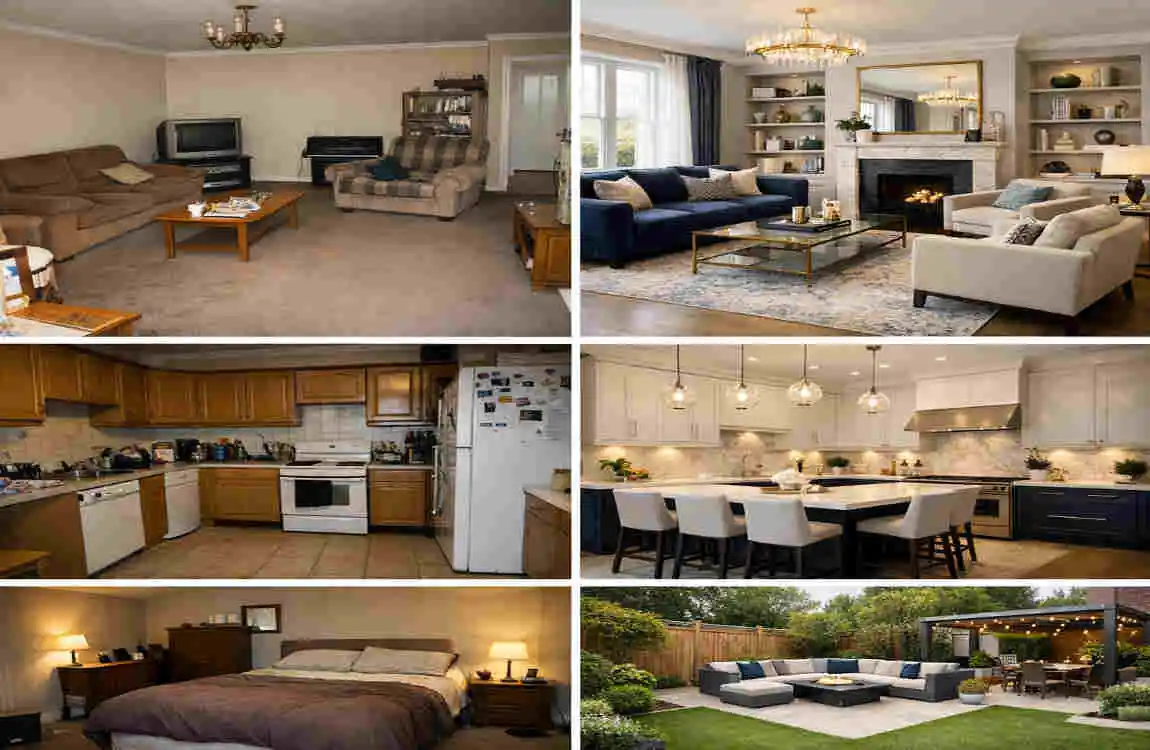
Kensington is known for its elegant streets, historic homes, and stylish interiors. Many properties in this part of London have strong character, but they also need thoughtful updates to suit modern life. That is where professional interior designers come in.
If you have ever wondered what an interior designer in Kensington does, the simple answer is this: a design expert who improves a home’s look, comfort, and function while respecting the property’s style and the homeowner’s needs.
What Is an Interior Designer in Kensington?
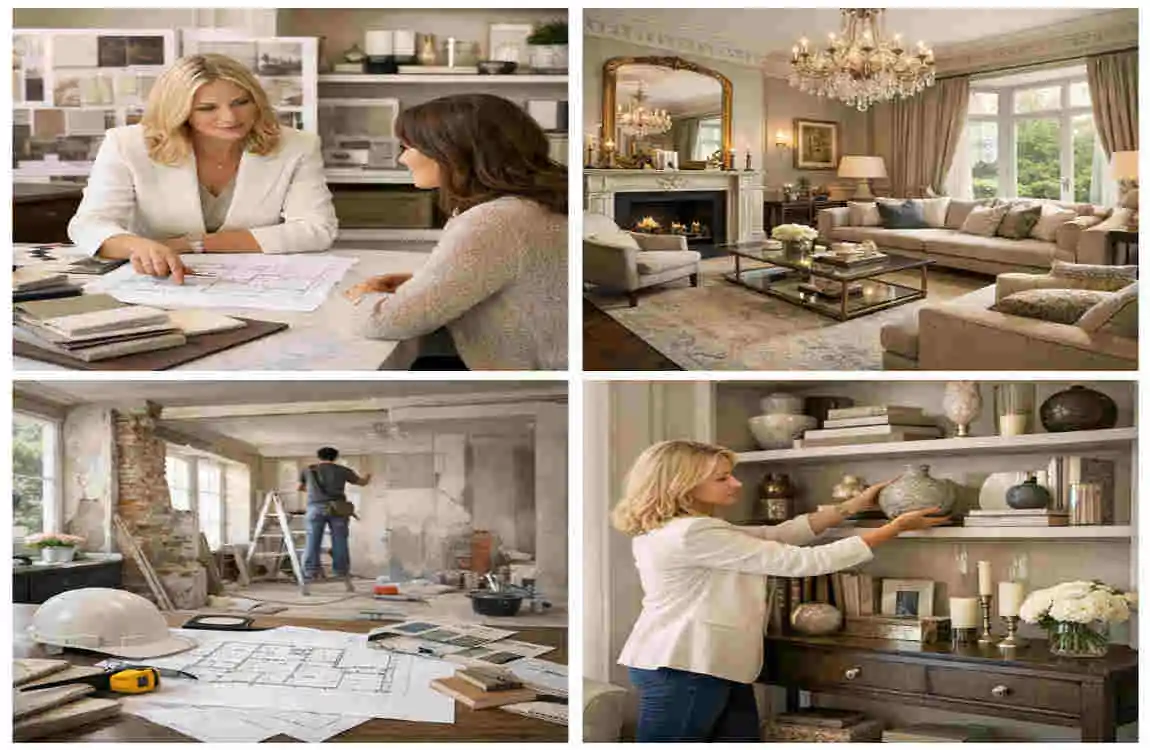
Understanding the role
An interior designer plans and shapes indoor spaces so they work better and look better. They help with layouts, furniture choices, lighting, colours, materials, and a home’s overall feel.
They do more than decorate. A designer thinks about how you live in the space, how rooms connect, and how every detail supports comfort and daily use.
Designer, decorator, and architect: what is the difference?
These roles are often confused.
- Interior designer: focuses on space planning, function, finishes, and styling
- Interior decorator: works more on soft furnishings, colour, and visual styling
- Architect: handles building structure, major changes, and construction design
A Kensington interior designer often works closely with decorators, architects, and contractors to create a complete result.
Why homeowners choose them
Many Kensington homes have beautiful period features, such as high ceilings, decorative mouldings, fireplaces, and tall windows. A designer helps preserve those details while making the home better suited to modern living.
You may want better storage, a brighter layout, or a more luxurious feel. A designer can make those changes without losing the home’s character.
Key skills of a Kensington designer
A skilled designer brings together several important abilities:
- Space planning
- Furniture arrangement
- Lighting design
- Color coordination
- Material selection
- Budget control
- Project coordination
These skills help turn a nice room into a polished, comfortable living space.
How Kensington Interior Designers Transform Different Areas of a Home
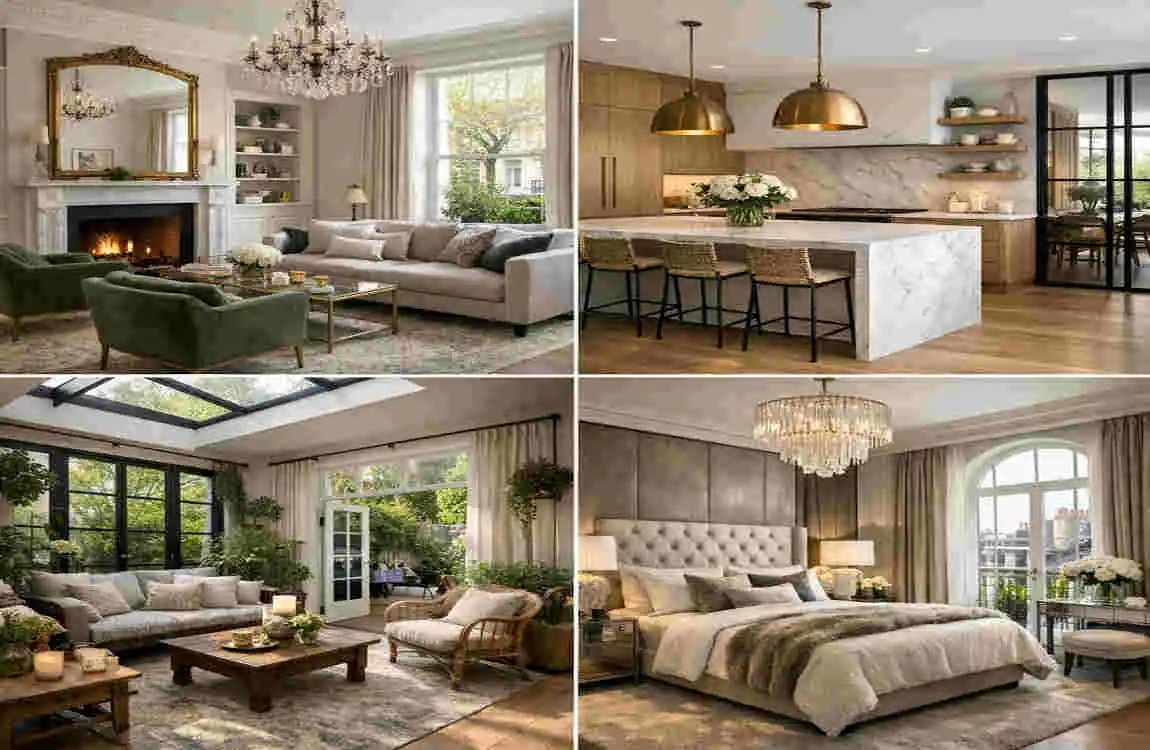
Living room design and luxury styling
The living room is often the home’s heart. Kensington interior designers focus on balance, comfort, and elegance.
They arrange furniture to keep the room open while still feeling cosy. They may add statement lighting, custom artwork, layered textures, and stylish seating. This keeps the room welcoming without feeling crowded.
In many Kensington homes, designers mix classic features with modern furniture. For example, a traditional fireplace might sit beside a sleek sofa or a contemporary coffee table. This blend creates a space that feels fresh but still connected to the building’s history.
Kitchen and dining room transformations
Kitchens and dining areas need to look good and work well every day. Designers often improve these rooms by planning better layouts, choosing durable materials, and adding smart storage.
A well-designed kitchen can make cooking and cleaning easier. Good lighting also matters because it improves safety and brightens the room.
Dining spaces are often designed to flow naturally from the kitchen. In open-plan homes, this creates a smooth, connected feel that is ideal for family life and entertaining guests.
Bedroom design for comfort and relaxation
A bedroom should feel calm and restful. Kensington designers often use soft colours, layered lighting, and comfortable fabrics to create that mood.
They may also add built-in wardrobes or custom storage to reduce clutter. This is especially useful in smaller rooms where every inch matters.
The goal is often to create a space that feels private, peaceful, and a little like a boutique hotel.
Bathroom and hallway improvements
Bathrooms can be transformed with better lighting, elegant tiles, modern mirrors, and clever storage. Even a small bathroom can feel luxurious when every detail is carefully planned.
Hallways are important too. A designer may use decorative flooring, wall lighting, or slim furniture to make the space more practical and attractive.
When all rooms follow a similar style, the whole home feels more complete and connected.
Popular Interior Design Styles and Trends in Kensington Homes
Classic and traditional interiors
Many Kensington homes still celebrate period charm. Designers often preserve features like mouldings, ceiling roses, fireplaces, and tall sash windows.
The trick is not to erase the home’s history. Instead, designers update it with timeless furniture, elegant colours, and refined finishes.
Contemporary and minimalist design
Some homeowners prefer a cleaner and simpler look. Contemporary design uses neutral tones, uncluttered spaces, and practical furniture with simple lines.
This style works well in many Kensington properties because it can bring calm to older homes without clashing with their structure.
Modern luxury and bespoke interiors
Luxury design is about more than expensive materials. It is about creating a home that feels carefully tailored to the people who live there.
Bespoke furniture, custom joinery, designer lighting, and high-end finishes often define this style. These details help a home stand out while still feeling personal.
Sustainable and smart home design
More homeowners now want greener choices. Designers may suggest energy-efficient lights, long-lasting materials, and responsibly sourced finishes.
Smart lighting, automated blinds, and connected home features are also becoming more popular. These upgrades can improve comfort and convenience without overwhelming the design.
The Interior Design Process: From Consultation to Completion
Initial consultation
The process usually begins with a conversation. The designer wants to understand your lifestyle, taste, needs, and budget.
They will also look at the property itself. This helps them see what works and what needs improvement.
Space planning and ideas
Next, the designer creates ideas for the space. This may include floor plans, mood boards, colour schemes, and furniture layouts.
Some designers also use 3D visuals so you can picture the result before any work begins. This makes decisions easier and reduces mistakes.
Choosing materials and finishes
Once the concept is approved, the designer helps choose flooring, fabrics, paint, lighting, and furniture. They try to balance style, quality, and budget.
This stage is important because the wrong material or finish can affect the whole room. A good designer keeps everything consistent and practical.
Project management and installation
Many Kensington interior designers also manage the project. They coordinate suppliers, deliveries, tradespeople, and installation dates.
This saves the homeowner time and stress. It also keeps the project on track and reduces the risk of delays or errors.
Kensington Interior Design Costs, Benefits, and Choosing the Right Designer
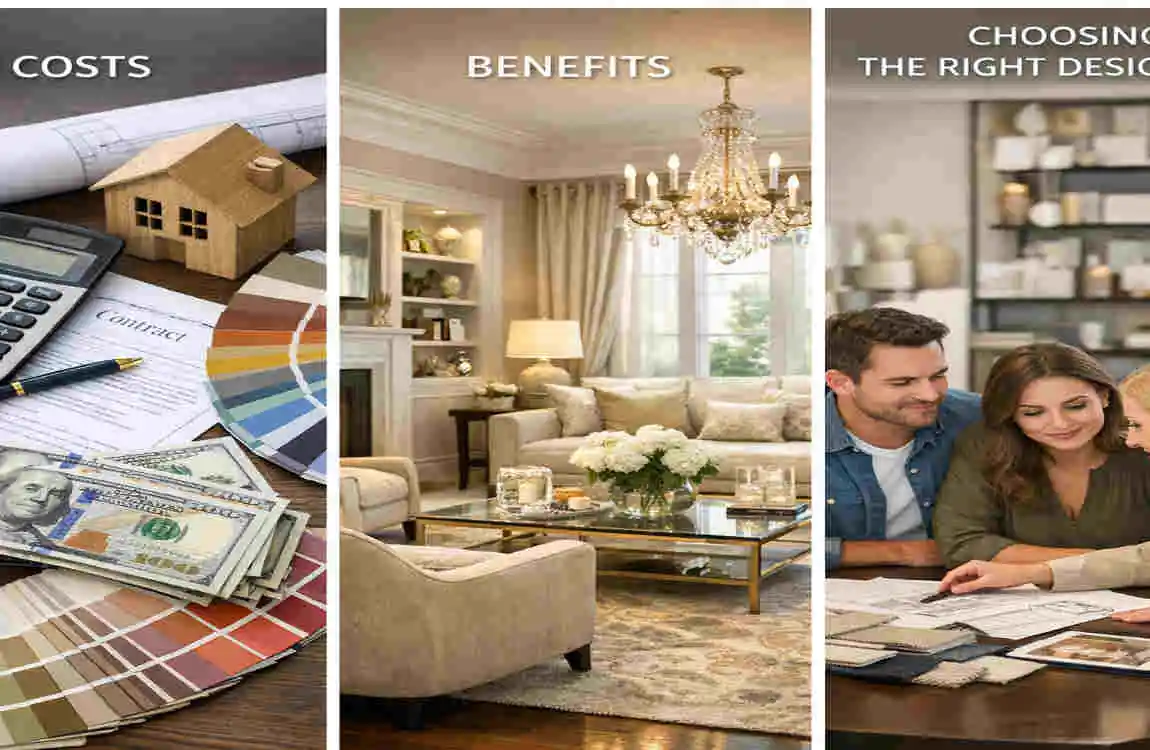
How much does it cost?
Costs vary by project size and service level. Some designers charge by the hour. Others use fixed fees, percentage-based fees, or full-service packages.
Several things affect the total cost:
- Property size
- Project complexity
- Custom work
- Materials and finishes
- Time needed for coordination
Always ask for a clear quotation so you understand what is included.
Why hire a professional?
Hiring a designer can save time and help you avoid costly mistakes. A professional can improve space use, create a more cohesive look, and connect you with trusted suppliers.
They also help with planning and coordination, which is especially useful for larger projects or busy homeowners.
How to choose the right designer
Look at past projects, reviews, qualifications, and style. Make sure the designer has experience with your property type, whether it is a period townhouse, modern apartment, or family home.
Useful things to check before hiring
- Portfolio and previous projects
- Budget clarity
- Communication style
- Project management experience
- Experience with similar homes
A good designer should listen carefully, explain clearly, and respect your budget and goals.
Common mistakes to avoid
Many people buy furniture before measuring the room. Others forget about lighting or storage. Some follow trends too closely and end up with a space that does not feel personal.
Good design should always support daily life, not just look nice in photos.
Frequently Asked Questions About Kensington Interior Designers
What is an interior designer in Kensington?
A professional who plans and improves residential spaces in Kensington by combining style, function, and comfort.
Why should I hire an interior designer in Kensington?
You get expert advice, better space planning, access to specialist suppliers, and a more polished final result.
How much does a Kensington interior designer charge?
Pricing depends on the service, property size, design complexity, and whether the work is full-service or only advisory.
Can a designer work with a small Kensington apartment?
Yes. Smart layouts, mirrors, built-in storage, and multifunctional furniture can make small spaces feel larger and more useful.
Do Kensington interior designers work with both old and new homes?
Yes. Many designers can handle period homes, contemporary apartments, and mixed-style properties.
How long does a project take?
It depends on the job’s size and complexity. Simple room updates may take weeks, while full home projects may take months.
What should I prepare before meeting a designer?
Bring inspiration photos, a rough budget, room sizes if possible, and a list of your priorities.
|
Feature |
Information |
|---|---|
|
Design Approach |
Combines luxury, elegance, comfort, and functionality. |
|
Space Planning |
Makes rooms more practical, spacious, and organized. |
|
Color Schemes |
Uses harmonious colors to create a stylish atmosphere. |
|
Furniture Selection |
Chooses furniture that matches the home’s style and needs. |
|
Lighting Design |
Adds layered lighting to improve mood and appearance. |
|
Materials |
Uses quality materials, textures, and elegant finishes. |
|
Kitchen Design |
Creates functional kitchens with modern storage solutions. |
|
Bedroom Design |
Develops relaxing bedrooms with comfortable furniture and decor. |
|
Luxury Features |
Incorporates bespoke furniture, artwork, and decorative details. |
