
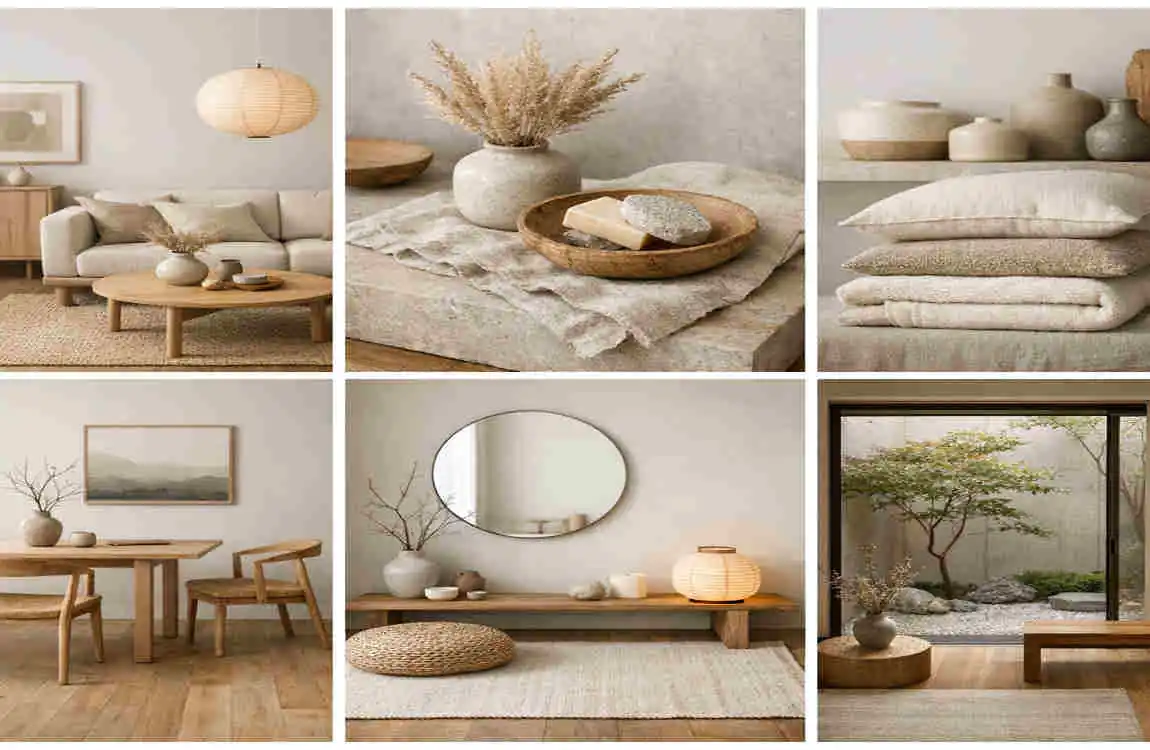
Scandinavian Japandi interior design has become one of the most loved styles in modern homes. People like it because it feels calm, clean, and warm at the same time. It gives you a space that looks beautiful without feeling busy or crowded.
This style blends Scandinavian simplicity with Japanese minimalism. That mix creates a home that feels peaceful, practical, and deeply comfortable. It is not about adding more things. It is about choosing the right things and letting them stand out.
If you want a home that feels relaxed but still stylish, this design style is a great choice. It works well in apartments, small homes, open-plan spaces, and even larger homes that need a softer, more balanced look.
What Is Scandinavian Japandi Interior Design?
A blend of two beautiful design traditions
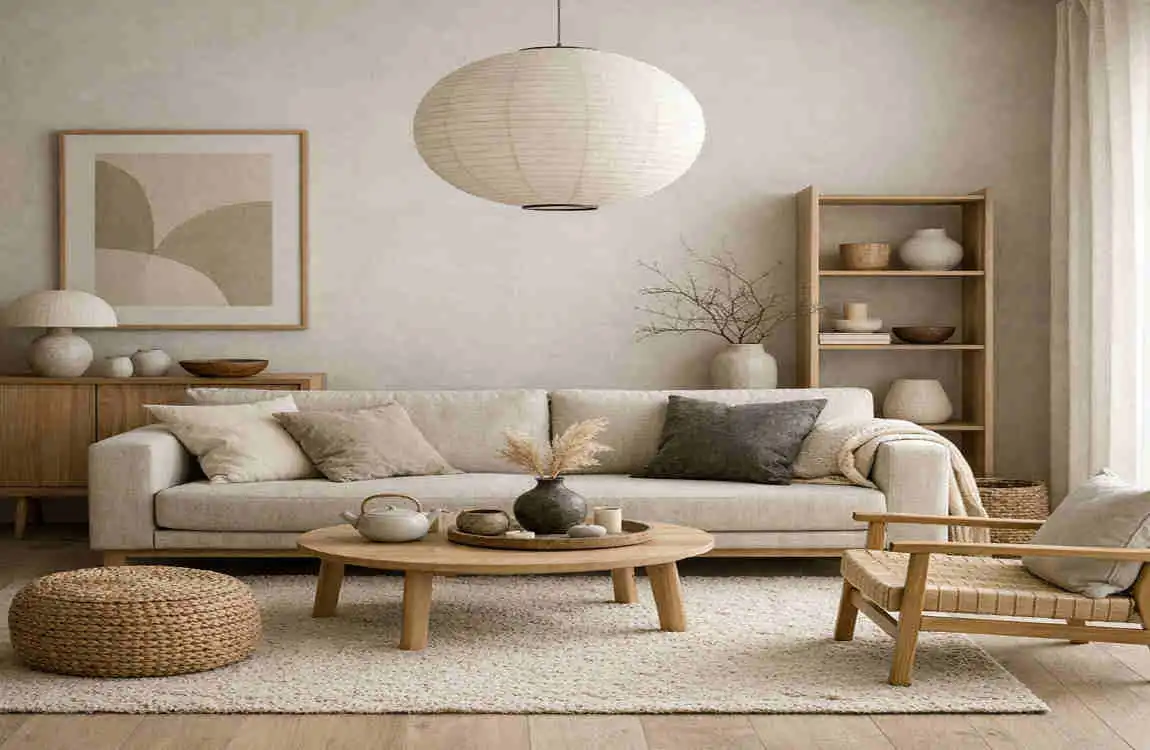
Japandi blends Japanese and Scandinavian design ideas. Both styles care about simplicity, natural beauty, and function. That is why they work so well together.
Scandinavian design often focuses on comfort, light, and cosiness. It brings in soft textures, practical furniture, and a welcoming feel. Japanese design, on the other hand, values calm, order, and a deep respect for natural materials and craftsmanship.
Combined, they create a style that feels balanced and thoughtful. Nothing feels too heavy. Nothing feels too cold. Everything has a purpose.
Core principles of Japandi style
Japandi design follows a few simple ideas:
- Simplicity
- Functionality
- Natural beauty
- Balance
- Calmness
These ideas help you build a room that feels clear and easy to live in. Instead of filling every corner, you leave room for the eye to rest.
Hygge and wabi-sabi
Two words often connected to this style are hygge and wabi-sabi.
Hygge is a Scandinavian idea about comfort, warmth, and contentment. It is the feeling of being cosy at home with soft lighting and peaceful surroundings.
Wabi-sabi is a Japanese idea that values natural imperfection. It reminds us that beauty does not have to be perfect or polished. A wooden table with grain marks or a handmade bowl with slight variation can add character.
Together, these ideas make Japandi feel both lived-in and elegant.
Why this style works in different homes
This style works well in small homes because it avoids clutter. It also works well in larger homes because it brings focus and warmth to open spaces.
If your home feels too busy, Japandi can help calm it down. If your home feels too plain, Japandi can help warm it up. That flexibility is one reason so many homeowners love it.
Design StyleMain FocusFeel
Scandinavian Comfort, cosiness, light Warm and inviting
Japanese Simplicity, craftsmanship, calm Quiet and balanced
Japandi Blend of both styles Calm, functional, and natural
How to Choose Colours and Natural Materials
Start with a soft, neutral palette.
Colour is one of the easiest ways to create a Japandi look. Keep the palette soft, calm, and balanced.
Good base colours include:
- Beige
- Warm white
- Soft gray
- Earthy brown
These shades create a peaceful background and help the room feel open. They also make natural materials look better.
Add subtle contrast
Japandi doesn’t mean everything has to be the same colour. A little contrast adds layers and interest.
You can use:
- Muted green
- Charcoal
- Soft black accents
- Warm taupe
These colours should feel gentle, not harsh. A dark frame, a charcoal cushion, or a muted green plant pot can add just enough depth.
Use natural materials
Material choice matters as much as colour. Japandi design loves materials that feel honest and natural.
Common choices include:
- Oak
- Bamboo
- Linen
- Cotton
- Stone
- Clay
These materials help the home feel grounded. They also add texture, keeping the room from feeling flat.
Wood, texture, and layering
Wood flooring works beautifully in Japandi spaces, especially with a natural or lightly toned finish. A wood table, wooden shelves, or a simple bench can all support the look.
Textured walls also work well. You do not need bold wallpaper or bright paint. A soft plaster finish or a matte wall colour is enough.
Natural-fibre rugs are another smart choice. They add warmth underfoot and help balance harder surfaces like wood, stone, or tile.
Keep the palette balanced.
The biggest rule is to avoid too many competing materials. You can mix wood, fabric, and stone, but each one should have room to breathe.
If the room starts to feel busy, reduce the number of finishes. Let the materials work together quietly. That is what gives Japandi its calm feeling.
Choosing Furniture, Lighting, and Decorative Elements
Pick furniture with simple shapes.
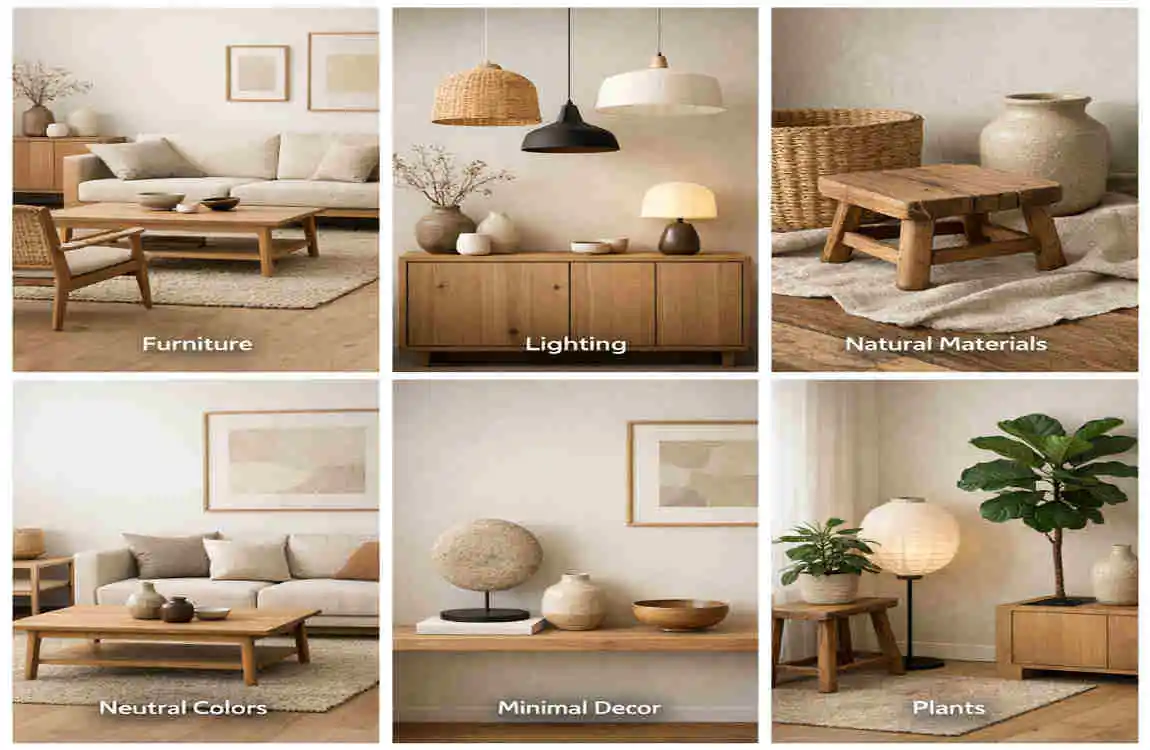
Japandi furniture should feel useful, calm, and well-made. Look for pieces with clean lines, low profiles, and simple shapes.
A low sofa, a plain wooden table, or a storage cabinet with minimal detail can fit perfectly. The point is not to impress with size or ornament. The point is to support daily living smoothly and easily.
Balance comfort and simplicity
Scandinavian style brings comfort. Japanese style brings restraint. Japandi needs both.
That means your furniture should be comfortable enough for real use, but not bulky or over-decorated. A sofa should feel soft, but still look clean. A chair should feel inviting, but still stay visually light.
Smart storage matters
Storage is a big part of this style. If clutter is visible, the room loses its calm feeling very quickly.
Choose pieces that hide everyday items well. Cabinets, drawers, woven baskets, and closed shelving all help keep the room neat without making it feel empty.
Lighting should feel warm.
Lighting plays a major role in the room’s mood. Japandi spaces usually work best with natural light during the day and warm lighting at night.
Use a mix of:
- Pendant lights
- Floor lamps
- Table lamps
- Warm light bulbs
Avoid bright, harsh light that feels cold. Soft light helps the space feel cosy and restful.
Decor should be meaningful, not excessive.
Japandi decor is always intentional. That means every piece should add value, beauty, or comfort.
Good decor ideas include:
- Handmade ceramics
- Woven baskets
- Simple artwork
- Indoor plants
These items add warmth and personality without cluttering the room. One ceramic vase can often say more than ten small decorations.
A quick list for choosing decor
When choosing items, ask yourself:
- Is it useful or meaningful?
- Does it match the calm mood of the room?
- Does it add warmth without creating clutter?
If the answer is yes, it probably fits the style well.
How to Create a Scandinavian Japandi Interior in Every Room
Living room
The living room should feel relaxed and open. Start with a neutral sofa in beige, cream, or soft grey. Add a wooden coffee table and keep accessories simple.
Use soft textiles like linen cushions, cotton throws, or a textured rug. Avoid overcrowding the room with too many side tables or decorative items. One or two statement pieces are enough.
Plants also work very well here. A single tall plant can add life and softness.
Bedroom
A Japandi bedroom should feel peaceful and restful. Choose natural bedding in soft colours, a low bed frame if possible, and simple bedside tables.
Keep lighting warm and gentle. A small lamp or wall light can create a calm nighttime atmosphere. Avoid too many bright colours or decorative items around the bed.
This room should support sleep, not distract from it.
Kitchen
In the kitchen, Japandi style focuses on clean surfaces and smart storage. Wooden cabinets, neutral counters, and simple hardware all help create the look.
Try to keep countertops as clear as possible. Store everyday tools neatly so the room feels open and useful. Open shelving can work, but only if it stays organised.
A Japandi kitchen should feel practical first and beautiful second.
Bathroom
A Japandi bathroom should feel clean, calm, and fresh. Stone textures, wooden accents, and simple fixtures work well here.
Use uncluttered surfaces, soft towels, and natural containers for soap or storage. Even small changes can make a bathroom feel more peaceful.
If the bathroom is small, keep the colour palette light and avoid heavy decor.
Dining room
A simple wooden dining table can become the centre of a Japandi dining room. Pair it with comfortable chairs with clean lines.
Use understated lighting above the table. A pendant light in a natural material or matte finish can help define the space.
Keep the table styling minimal. One bowl, one vase, or one candle is often enough.
Small spaces
Japandi works especially well in smaller homes because it values open space and function.
Use:
- Multifunctional furniture
- Hidden storage
- Mirrors
- Open floor areas
Choose fewer, better pieces instead of many small ones. That helps the room feel larger and more peaceful.
Budget-Friendly Tips and Common Design Mistakes to Avoid
Start with the essentials.
You do not need to buy everything at once. Begin with the main pieces, such as the sofa, bed, table, or storage furniture.
Once those are in place, you can slowly add decor and smaller accessories. This makes the room feel intentional and keeps spending under control.
Reuse what you already have.
You can often keep existing furniture and still get the Japandi look. Refinish a wooden table, repaint a cabinet, or replace bright fabrics with neutral ones.
Small updates can make a big difference. A new throw, cushion cover, or lamp can quickly shift a room’s mood.
Shop secondhand
Secondhand furniture can fit this style well. Older wooden pieces often have character and natural charm.
Look for items with simple lines and good structure. You can then refresh them with sanding, staining, or neutral textiles.
Common mistakes to avoid
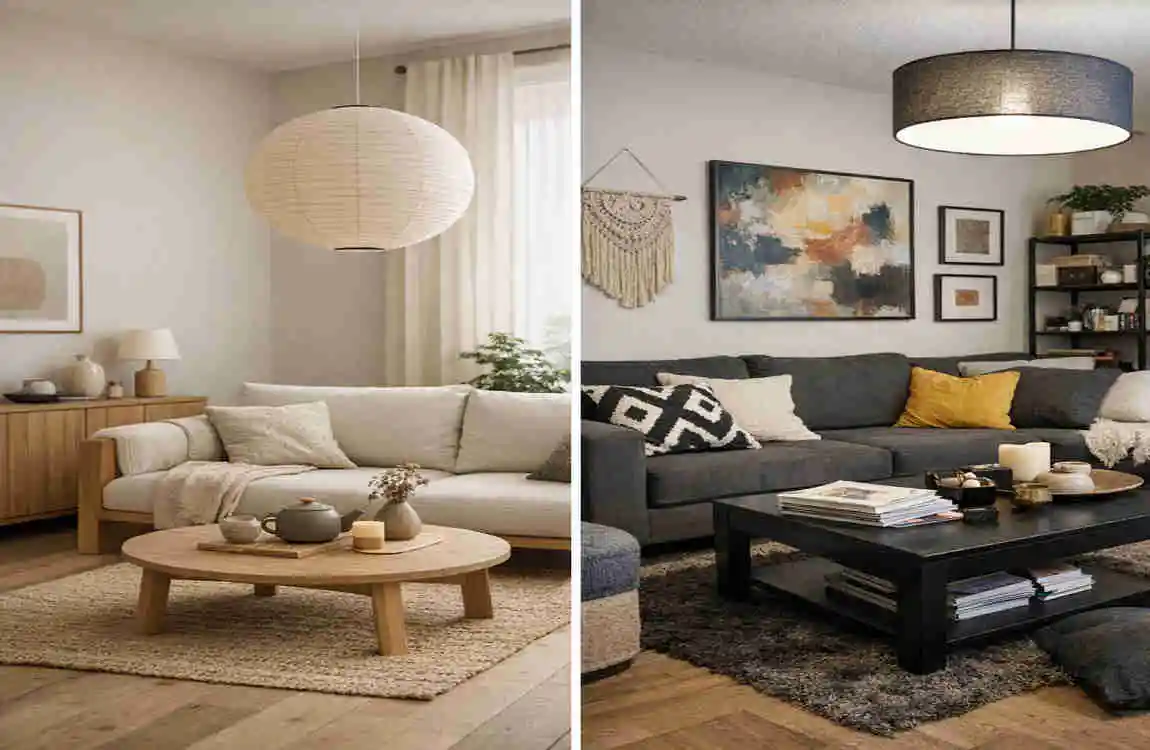
Avoid going too far in either direction. If a room is too empty, it can feel cold. If it has too many decorations, it loses the Japandi feeling.
Avoid these problems:
- Too many decorations
- Overly cold colour schemes
- Mismatched materials
- Furniture that is too heavy or bulky
Keep the style alive over time.
Japandi is not a one-time setup. It works best when you keep your space tidy and make thoughtful purchases over time.
Regular decluttering helps a lot. So does choosing items you truly need and enjoy. That keeps the home calm and beautiful in the long run.
Frequently Asked Questions (FAQs)
What is Scandinavian Japandi interior design?
It blends Scandinavian comfort with Japanese minimalism. The style combines soft, cosy design with calm, simple, and functional spaces.
What colours work best for a Japandi interior?
The best colours are beige, cream, warm white, earthy brown, muted green, and soft grey. These shades create a calm and balanced look.
Is Japandi interior design suitable for small homes?
Yes, very much so. The style uses uncluttered layouts, practical furniture, and smart storage to make small spaces feel larger and calmer.
What materials are commonly used in Scandinavian Japandi interiors?
Common materials include natural wood, linen, cotton, bamboo, stone, clay, and other simple, natural textures.
How can I create a Japandi interior on a budget?
Start by decluttering, reusing furniture you already own, shopping secondhand, and slowly adding natural textures. You do not need to buy everything at once.
What is the difference between Scandinavian and Japandi design?
Scandinavian design focuses more on comfort and cosiness. Japandi blends that with Japanese simplicity, natural imperfection, and purposeful design.
| Design Element | How to Create It | Best Choices |
|---|---|---|
| Color Palette | Use soft, neutral shades | Beige, white, warm gray |
| Furniture | Choose simple, functional pieces | Low-profile wooden furniture |
| Natural Materials | Add warmth and texture | Oak, bamboo, linen, rattan |
| Lighting | Create a soft, cozy atmosphere | Pendant lights, warm LED lamps |
| Minimalist Decor | Keep spaces uncluttered | Handmade ceramics, simple artwork |
| Textiles | Add comfort and softness | Cotton throws, linen curtains |
| Indoor Plants | Bring nature indoors | Olive trees, ferns, leafy plants |
| Flooring | Choose natural-looking finishes | Light wood or matte flooring |
| Storage | Keep everyday items organized | Built-in cabinets, woven baskets |
| Room Layout | Maintain an open, airy feel | Functional furniture and clear pathways |
| Decorative Accents | Balance Nordic simplicity with Japanese elegance | Stoneware, organic shapes, natural wood |
| Sustainability | Focus on durable, timeless items | Recycled materials and quality furniture |
