
Choosing the right paint finish for interior doors and trim may seem like a small detail, but it can greatly affect how your home looks and feels. The finish affects how light reflects off the surface, how easy the trim is to clean, and how well it withstands daily wear.
Trim includes interior doors, baseboards, window frames, crown molding, and door casings. These are high-touch areas, so the paint finish should look good and hold up well. A finish that works in one room may not be the best choice in another, so it helps to understand your options before you paint.
Understanding Different Paint Finishes for Interior Trim
What Paint Sheen Means
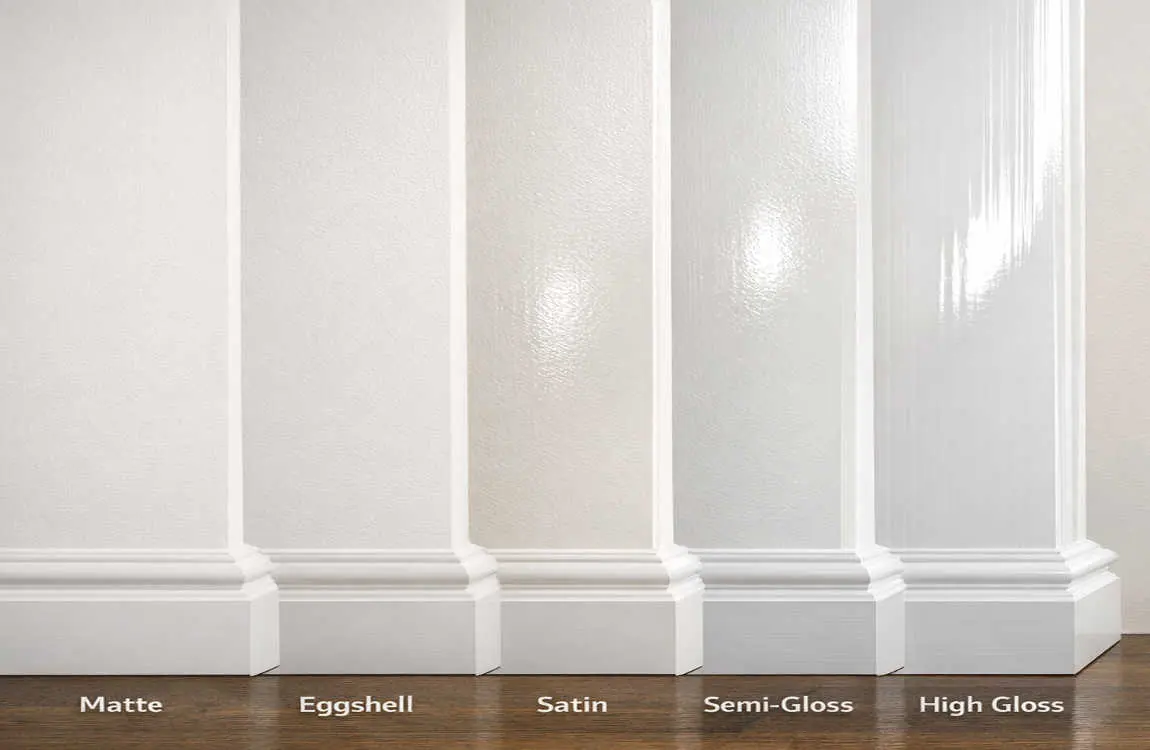
Paint sheen is how shiny a paint looks after it dries. Some finishes look soft and flat, while others reflect a lot of light and look glossy.
That shine affects more than appearance. It also changes how well the surface hides flaws, how easy it is to clean, and how formal or modern the room feels.
Main Paint Finishes
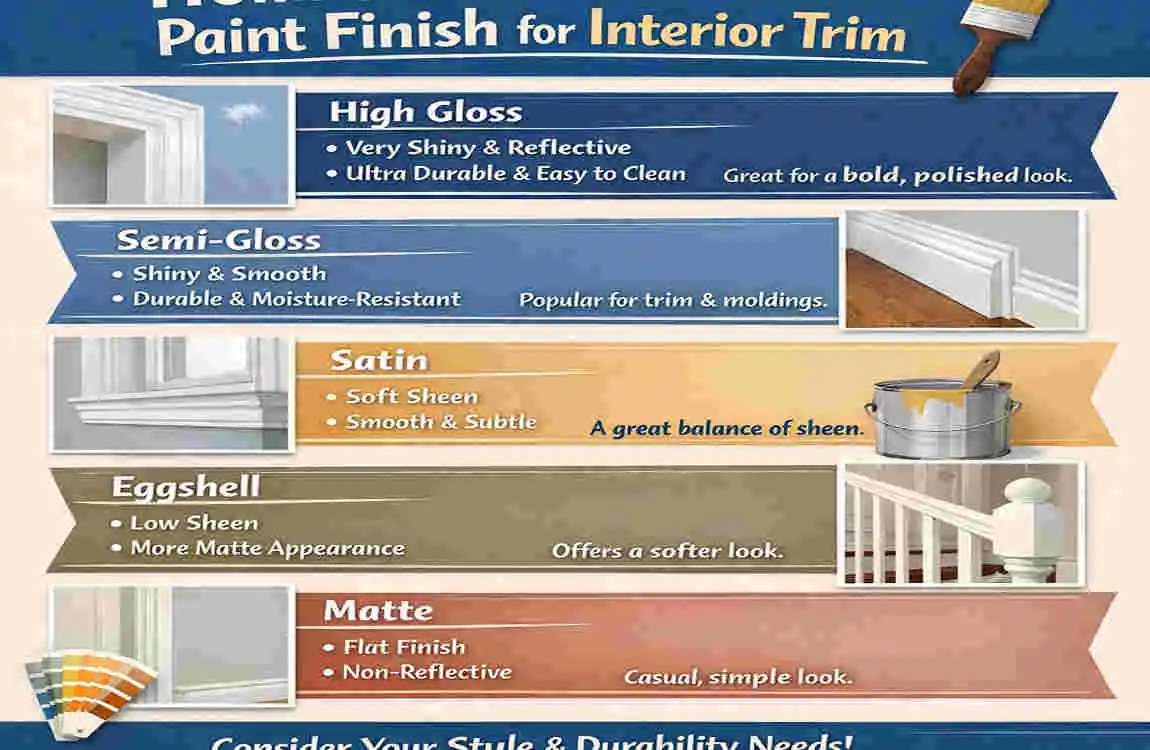
Here is a simple breakdown of the most common finishes:
- Flat or matte: very low shine, smooth and soft-looking
- Eggshell: slightly soft with a little sheen
- Satin: smooth with a mild glow
- Semi-gloss: shiny, durable, and easy to clean
- High-gloss: very reflective and bold
How Light Affects the Look
Low-sheen finishes hide small flaws better because they reflect less light. Glossy finishes reflect more light, so they can make doors and trim stand out, but they also show dents, scratches, and uneven spots more clearly.
That means the finish you choose should match both the surface condition and the style you want.
Paint Finish vs Paint Colour vs Paint Type
These three things are different:
- Colour is the shade, like white or black
- Finish is the shine level
- Paint type is the formula, like water-based or oil-based
Consider all three together for the best result.
How to Choose the Best Paint Finish for Interior Doors and Trim
Semi-Gloss Finish
Semi-gloss is one of the most popular choices for interior doors and trim. It is durable, easy to clean, and handles frequent touching well.
It works especially well for:
- Doors
- Baseboards
- Window casings
- High-traffic trim
If you want a practical choice that still looks polished, semi-gloss is often the safest option.
Satin Finish
Satin gives a softer look than semi-gloss. It still has enough sheen to look finished, but it doesn’t shine as much.
This makes satin a good choice for modern homes where you want a smooth, stylish look without too much reflection. It is also easier on the eyes in rooms with lots of natural light.
High-Gloss Finish
High-gloss is bold and shiny. It can make trim look dramatic and elegant, and it is great for highlighting details like molding or decorative door frames.
However, it shows surface flaws more easily. Because of that, it works best on trim that has been carefully prepared.
Eggshell and Matte Finishes
Eggshell and matte finishes are softer and less reflective. They usually work better on walls, but they can work on decorative trim in low-traffic areas.
If the trim is mostly for style and not constant use, these lower-sheen options may fit your design better.
Finish Comparison Table
FinishDurabilityCleaningLookBest Use
Matte Low to medium Harder Soft, flat Decorative areas
Eggshell Medium Fair Smooth, subtle Light-use trim
Satin Medium to high Easy Soft glow Most interior trim
Semi-gloss High Very easy Noticeable shine Doors, baseboards
High-gloss Very high Very easy Very reflective Decorative trim
Factors to Consider Before Painting Interior Doors and Trim
Room Usage
Busy rooms need tougher finishes. Hallways, kitchens, bathrooms, and children’s rooms usually do better with satin or semi-gloss because they wipe clean more easily.
Surface Condition
If your trim has dents, rough patches, or old repair marks, a shiny finish may make those flaws more visible. In that case, satin may be more forgiving than high-gloss.
Lighting Conditions
Bright natural light can make glossy finishes appear even shinier. In darker rooms, a little sheen can help trim stand out without feeling too flat.
Interior Style
Different homes suit different finishes:
- Traditional homes often look good with semi-gloss or high-gloss trim
- Modern interiors often use satin for a cleaner look
- Farmhouse styles may prefer softer finishes
- Minimalist rooms usually work well with simple, subtle sheen levels
Colour Choice
White trim often looks crisp in satin or semi-gloss. Black trim can look rich and dramatic with a slightly glossy finish. Bold colors may look more intense depending on the sheen.
Moisture and Wear
Bathrooms and kitchens usually need finishes that handle moisture and regular cleaning. Semi-gloss is often a strong choice here because it performs well in humid spaces.
Repainting Existing Trim
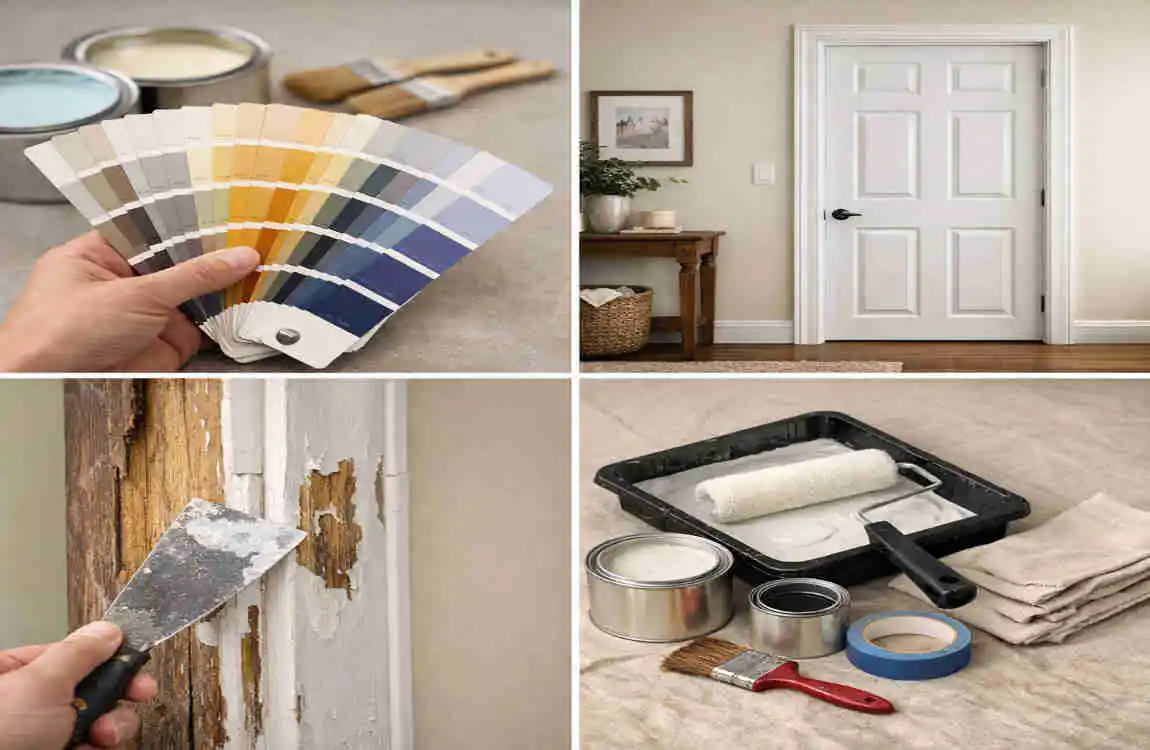
If you are painting over old trim, surface prep matters a lot. Good sanding, cleaning, and priming help the new finish stick properly.
Best Paint Types, Preparation, and Application Techniques
Water-Based vs Oil-Based Paint
Water-based acrylic and enamel paints are popular because they are easier to clean up and usually have less smell. Many homeowners prefer them for that reason.
Oil-based paint can still be durable, but it may take longer to dry and can be harder to work with. In many homes, modern water-based enamel is the better everyday choice.
When Primer Is Needed
Use primer when painting:
- Bare wood
- Repaired areas
- Stained surfaces
- Very glossy old paint
Primer helps create an even base and improves adhesion.
Tools You Will Need
A smooth trim job usually needs:
- Angled brush
- Mini roller
- Painter’s tape
- Sanding block
- Primer and paint
- Clean cloths
Painting Tips
Apply thin coats instead of thick ones. Thick paint can leave brush marks, drips, and uneven shine.
Let each coat dry fully before recoating. Good ventilation also helps the finish cure properly.
Common Mistakes to Avoid
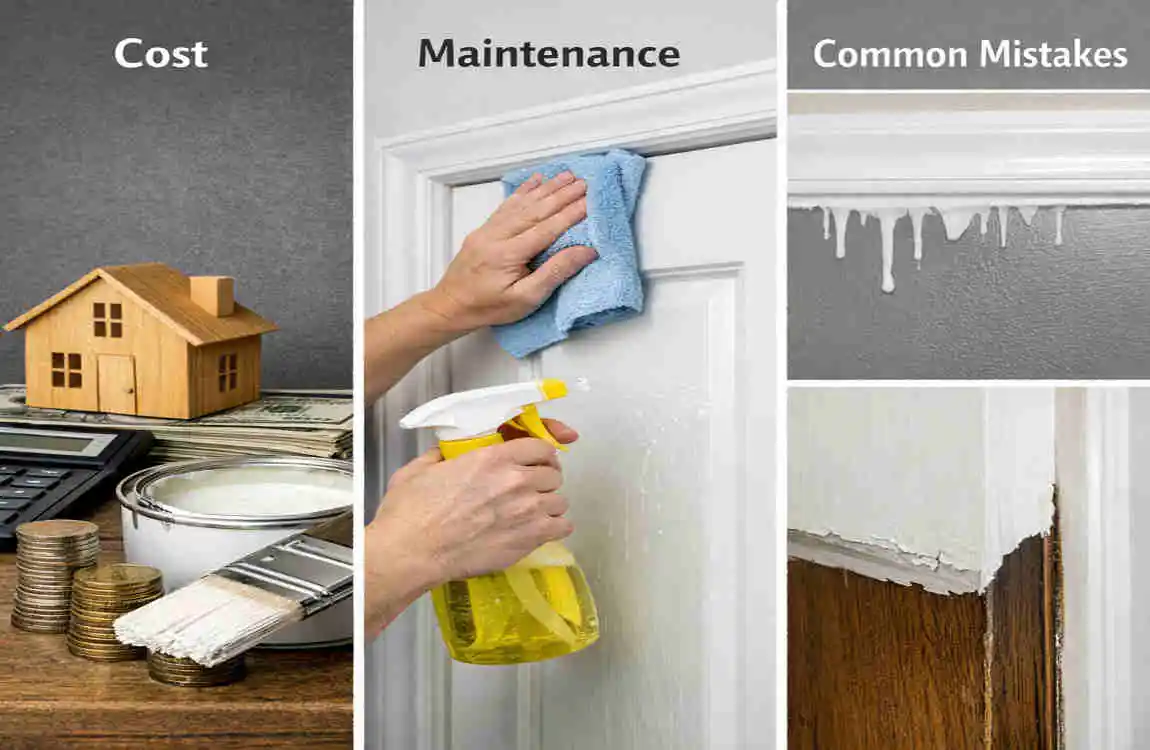
- Choosing a finish without thinking about room use
- Skipping sanding or cleaning
- Painting too thickly
- Ignoring drying time
- Using the wrong sheen on damaged trim
Cost and Maintenance
Paint cost depends on paint quality, surface prep, room size, and labour. Higher-quality finishes usually cost more, but they also last longer and clean more easily.
To maintain painted trim, wipe it with a soft cloth and mild cleaner. Avoid harsh scrubbing, which can wear down the finish. If chips or scratches appear, fix them early before the damage spreads.
FAQs
What paint finish is best for interior doors and trim?
For most homes, semi-gloss or satin is best.
Is satin or semi-gloss better for interior doors?
Semi-gloss is more durable and easier to clean, while satin gives a softer look.
Should trim match wall finish?
Not always. Trim usually looks best in a slightly higher sheen than the walls.
Is high-gloss paint good for interior doors?
Yes, if you want a bold look and the surface is very smooth.
| Feature | Key Information |
|---|---|
| Gloss Finish | Highly reflective, durable, and easy to clean. |
| Semi-Gloss Finish | Ideal for baseboards, doors, window frames, and decorative trim. |
| Satin Finish | Offers a soft sheen with a smooth, modern appearance. |
| Matte Finish | Provides a flat look but is less suitable for high-traffic trim. |
| Durability | Choose a finish that resists scratches, stains, and everyday wear. |
| Cleaning | Semi-gloss and gloss finishes are generally easier to wipe clean. |
| Color Choice | Match or contrast the trim color with walls for the desired style. |
| Paint Type | Water-based acrylic enamel is a popular option for interior trim. |
| Surface Preparation | Clean, sand, and prime the trim before painting. |
