
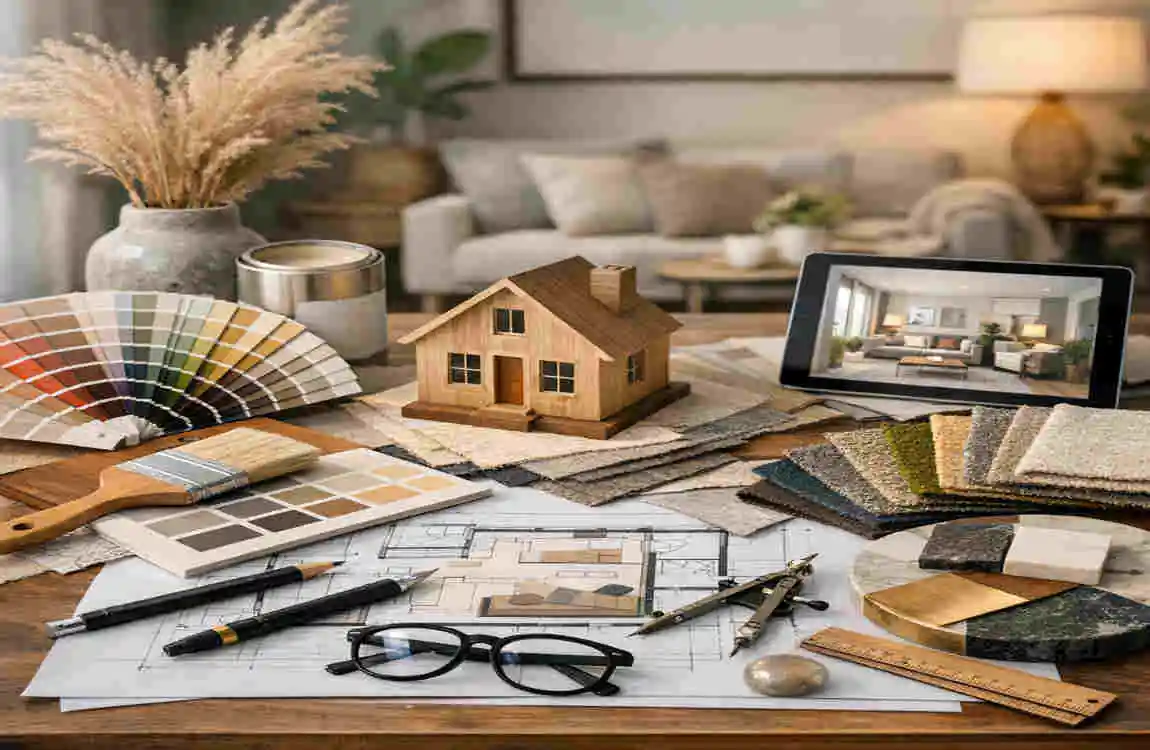
Interior design is about making a space look good and work well at the same time. A room should not only be attractive. It should also feel easy to use, comfortable to live in, and suited to the people who use it every day.
So, when people ask what the most important thing in interior design is, the simple answer is this: functionality comes first, then comfort, balance, and personal style. If a room looks stylish but does not support daily life, it will not feel successful for long.
What Is the Most Important Thing in Interior Design?
Function Should Come First
A beautiful room still needs to work in real life. That means furniture should fit the space, movement should feel natural, and the room should support its purpose.
For example, a living room should allow people to sit, talk, and relax. A kitchen should make cooking easier. A bedroom should support rest. If the layout does not help with these things, the design falls short.
Comfort Makes the Space Livable
Comfort is a big part of good design. A room may look elegant, but if the seating is awkward, the lighting is harsh, or the layout feels cramped, people will not enjoy it.
You should consider soft textures, good lighting, a comfortable room temperature, and easy movement. These details make a home feel welcoming.
Personal Style Gives the Room Character
A well-designed home should still feel personal. Your choice of colors, art, materials, and furniture should reflect your taste.
Trends can help with ideas, but your home should not feel like a copy of a magazine page. The best spaces feel lived-in and real.
The Key Principles of Good Interior Design
Balance
Balance helps a room feel steady and calm. You can create it with matching pieces, different but equally weighted pieces, or by using a central focal point.
Proportion and Scale
Furniture should suit the size of the room. A huge sofa in a small room can feel overwhelming, while tiny furniture in a large room can feel lost.
Harmony and Unity
Colors, materials, and shapes should work together. A room feels more complete when the pieces connect rather than fight for attention.
Rhythm and Repetition
Repeating colors, textures, or shapes creates flow. This helps the eye move naturally through the room.
Contrast
Contrast adds interest. You might pair light and dark colors, smooth and rough textures, or modern and natural materials. Just do not overdo it.
Why Functionality Matters Most
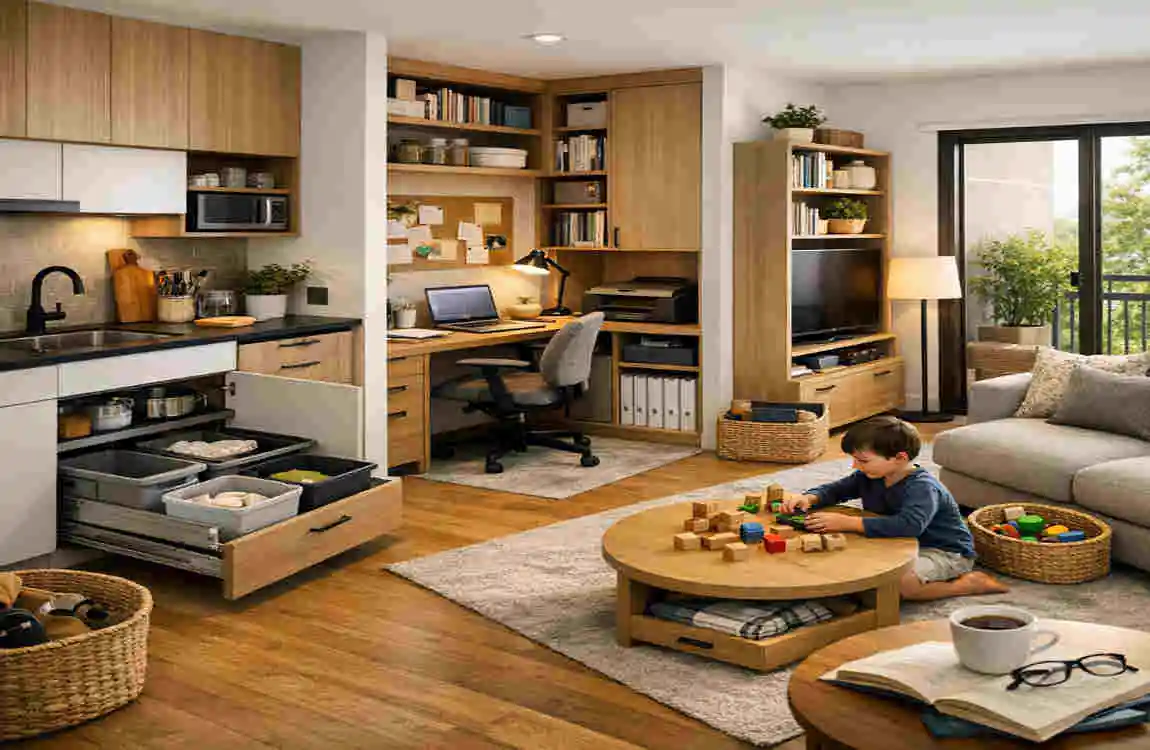
Design Around Daily Life
Before choosing decor, think about how you actually use the room. A family room needs different furniture than a quiet reading corner. A home office needs different planning than a guest bedroom.
Keep Traffic Flow Clear
People should move through a room easily. Avoid blocking doors, windows, or walkways. Good flow makes a space feel more open and less crowded.
Include Smart Storage
Storage keeps a room organized and visually calm. Use cabinets, shelves, baskets, benches, and furniture with hidden storage whenever possible.
Choose Durable Materials
If you have children, pets, or a busy home, choose materials that can handle daily wear. A pretty surface is useful only if it lasts.
How Color Affects Interior Design
Choose a Simple Color Palette
A good color plan usually includes a main color, a supporting color, and a few accent shades. This keeps the room from feeling messy.
Think About Light
Natural and artificial light can change how colors look. A paint color may seem warm in daylight and cooler at night.
Use Accent Colors Carefully
Accent colors work best in smaller amounts. You can add them through cushions, rugs, curtains, artwork, and other accessories.
The Importance of Lighting
Natural Light
Daylight can make a room feel larger, cleaner, and more welcoming. Window treatments should support that, not block it completely.
Ambient Lighting
This is the main light in the room. It provides overall brightness and helps the space feel comfortable.
Task Lighting
Task lighting helps with specific activities like cooking, reading, working, or grooming.
Accent Lighting
Accent lighting highlights special features like artwork, shelves, plants, or textured walls.
Choosing Furniture for a Well-Designed Space
Measure Before You Buy
Always measure the room first. Also measure doorways, windows, and walk paths so the furniture actually fits.
Pick Furniture That Matches the Room’s Purpose
Choose pieces based on how the room will be used. Comfort and usefulness should guide your choices.
Do Not Overcrowd the Room
Leave some space. This gives the room breathing room and helps it feel calmer and larger.
How Texture and Materials Improve Design
Texture makes a room feel richer and more interesting. You can mix wood, metal, glass, stone, fabric, leather, and natural finishes.
Soft items like rugs, cushions, and curtains can warm up a space. Smooth and rough surfaces together create a nice visual balance.
Common Interior Design Mistakes to Avoid
- Choosing style over function
- Using too many colors
- Ignoring room size
- Relying on one ceiling light
- Following every trend
- Forgetting storage
These mistakes can make a room look nice at first but feel uncomfortable later.
How to Create a Successful Interior Design Plan
Start With the Room’s Purpose
Ask yourself what the room needs to do. That answer should guide every design decision.
Set a Budget
Decide what matters most. Spend more on important items like furniture, lighting, and durable materials.
Choose a Style
You might prefer modern, traditional, minimalist, Scandinavian, farmhouse, or another style. Pick one that fits your lifestyle.
Make a Mood Board
Collect color ideas, furniture styles, textures, and lighting inspiration. This helps you stay consistent.
Plan the Layout First
Place the biggest furniture pieces first. Then add lighting, rugs, and decor around them.
Modern Interior Design: Balancing Trends With Timeless Choices
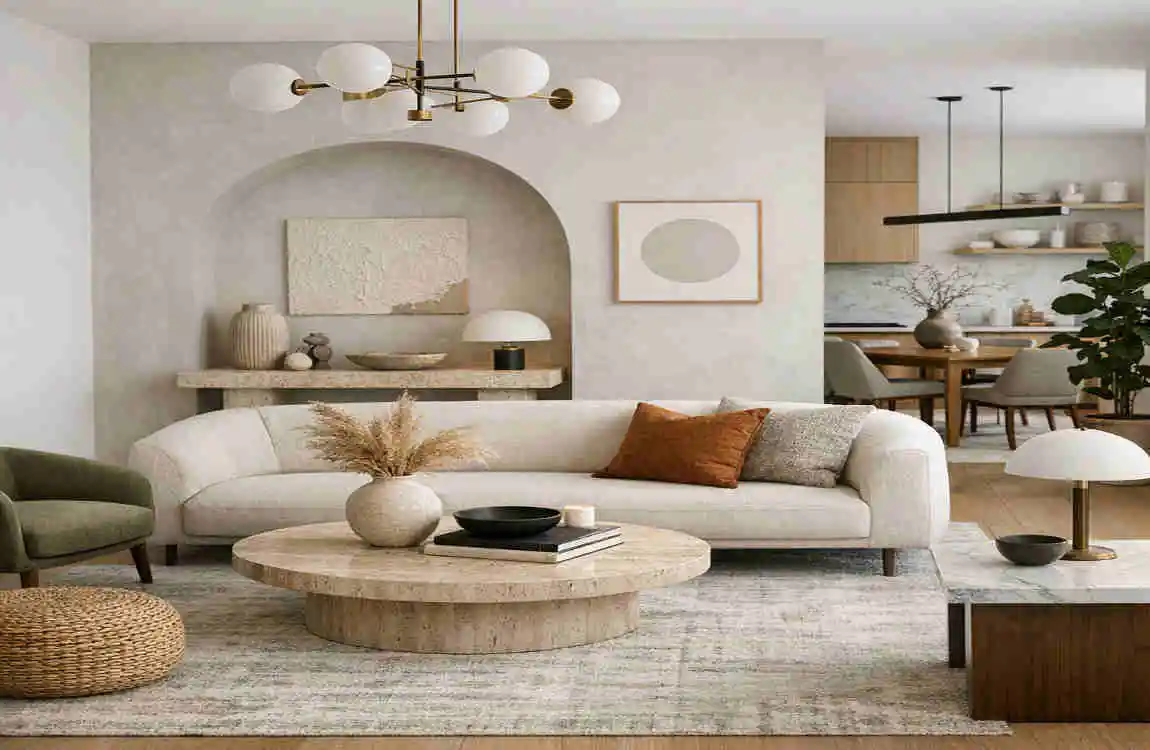
The best answer is: both matter, but function should come first.
A stylish room that does not work well will quickly become frustrating. A practical room can always be improved with color, texture, and accessories. So start with how the room works, then build the style around it.
Interior Design Tips for Different Rooms
Living Room
Focus on comfort, conversation, and layered lighting. The seating should feel inviting.
Bedroom
Keep it calm and simple. Use soft colors, comfortable bedding, and uncluttered surfaces.
Kitchen
Prioritize storage, workflow, and durable materials. The kitchen should make daily tasks easier.
Bathroom
Use moisture-resistant finishes, good lighting, and compact storage.
Home Office
Choose a comfortable chair, good lighting, and a layout that supports focus.
A Simple Formula to Remember
Function + Comfort + Balance + Lighting + Personal Style = Strong Interior Design
If you keep these five ideas in mind, your space will be much easier to plan well.
Frequently Asked Questions
What is the most important thing in interior design?
Functionality is most important because the room must work well for its users.
What is the first rule of interior design?
Start with the room’s purpose, layout, and measurements before choosing decorative items.
What makes a good interior design?
A good design balances function, comfort, proportion, lighting, color, and personal style.
Is functionality more important than style?
Yes, function should be the foundation. Style should support it, not replace it.
