
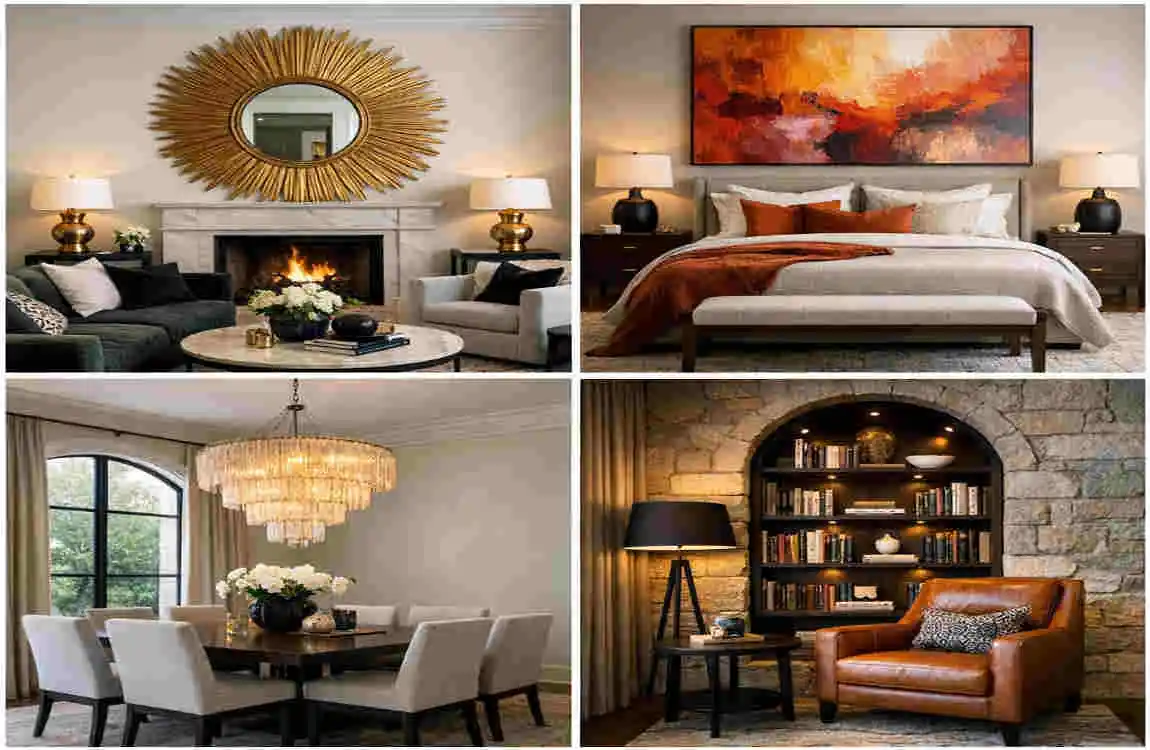
Emphasis in interior design is the idea of making one part of a room stand out more than the rest. It gives the eye a place to rest, and that spot becomes the room’s focal point.
You can see emphasis in many places. It might be a fireplace in a living room, a bold bed in a bedroom, a bright backsplash in a kitchen, or a mirror in an entryway. The main idea is the same: one feature should lead the eye.
Why Is Emphasis Important in Interior Design?
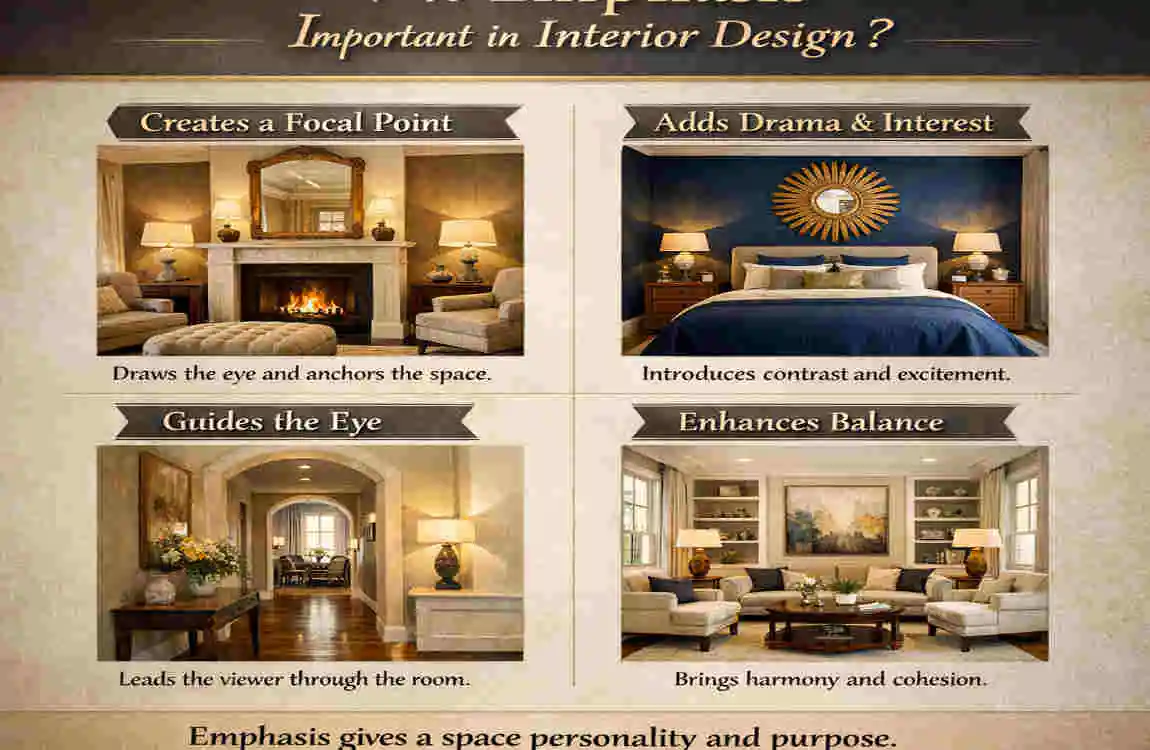
It creates visual interest.
A room needs something to catch the eye. That does not mean everything has to be bold. It just means one part of the room should feel stronger than the rest.
When you create emphasis, the space feels more alive. It becomes easier to enjoy and easier to remember.
It gives a room direction.
Good design feels organised. Emphasis gives the room a clear centre of attention, which makes the rest of the design easier to understand.
This is especially helpful in open spaces. When a room has no clear focus, it can feel unfinished. A strong focal point solves that problem.
It helps balance the space.
When you place emphasis well, the rest of the furniture and décor can support it instead of competing with it. That creates balance.
This does not mean every other item must be plain. It just means the strongest visual element should lead the design.
It adds mood and personality.
Emphasis also helps tell the room’s story. A bold light fixture can make a space feel elegant. A large artwork can make it feel creative. A textured wall can make it feel warm and modern.
In other words, emphasis gives the room character.
Types of Emphasis in Interior Design
Architectural emphasis
Some rooms already have features that naturally draw attention. These include:
- Fireplaces
- Windows with a view
- Staircases
- Accent walls
- Built-in shelves or niches
If your room has one of these features, use it. Do not hide it. Highlight it with layout, lighting, or colour.
Color emphasis
Colour is one of the easiest ways to create emphasis. A single strong colour can make one area stand out right away.
You can do this with:
- An accent wall
- A bold sofa
- Bright chairs
- Dark cabinetry
- Colorful artwork
The key is contrast. When one area is more vivid than the others, the eye goes there first.
Furniture emphasis
A statement piece of furniture can anchor the whole room. That could be a sofa, bed, dining table, or accent chair.
A statement piece does not need to be loud. It just needs to feel important. Shape, size, material, and colour can all help it stand out.
Lighting emphasis
Lighting is powerful because it guides attention. A chandelier over a table or a pendant above a kitchen island can instantly create a focal point.
Lighting also changes how the room feels. Soft light creates calm. Dramatic light adds energy. Well-placed lighting can make even a simple space feel special.
Artwork and décor emphasis
Large artwork, mirrors, sculptures, and display pieces can all act as focal points. These work especially well when they are placed where the eye naturally lands.
A large painting above a sofa or a mirror above a console table can shape the room without taking up much floor space.
Texture and material emphasis
Texture can create emphasis without using strong colour. Materials like wood, stone, wallpaper, rugs, and textured fabrics all add interest.
This is useful when you want a softer, more natural look. The room still feels special, but more quietly.
Easy Ways to Create Emphasis in a Room
Choose one main focal point.
Start with one feature and let it lead the room. If everything competes for attention, the space feels noisy.
Ask yourself: What do I want people to notice first? That answer will help guide the rest of the design.
Use an accent wall
An accent wall is one of the simplest ways to create emphasis. You can use paint, wallpaper, wood panels, or tile.
It works well because it gives the room a clear visual anchor without changing the entire space.
Add a statement piece.
One strong piece of furniture can change the whole room. A dramatic sofa, an elegant bed frame, or a unique chair can all do the job.
Just make sure the rest of the furniture supports the piece instead of fighting with it.
Use contrast carefully
Contrast helps a focal point stand out. Light walls with dark furniture, soft rooms with one bold colour, or simple décor with one detailed item can all work well.
The goal is not shock. The goal is clarity.
Highlight built-in features
If your room has a fireplace, a window, or a niche, make it visible. Add lighting, art, or furniture placement that draws attention to it.
Do not let a great feature get lost in the room.
Keep surrounding décor simple.
This is one of the most important rules. If your focal point is strong, the surrounding items should be quieter.
That way, the main feature can do its job.
Emphasis Ideas for Different Rooms
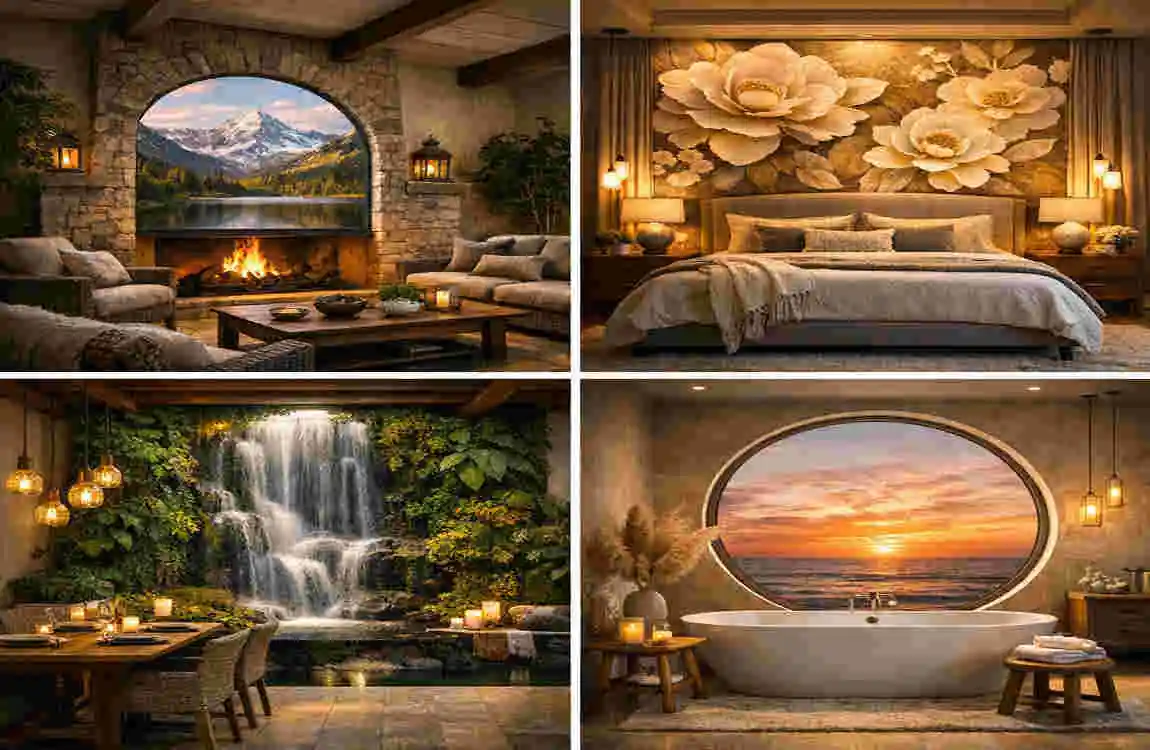
Living room
The living room often needs a strong focal point because it is where people gather.
Common choices include:
- A fireplace
- A statement sofa
- A large artwork
- A feature wall
If the room is open-plan, use furniture placement and lighting to guide the eye.
Bedroom
In a bedroom, the bed is usually the natural focal point. You can strengthen that with a tall headboard, accent wall, or decorative lighting.
Layered bedding also helps the bed feel more important. It becomes the room’s centre without feeling overdone.
Kitchen
Kitchens need emphasis too, especially in modern homes where the kitchen is often part of the main living area.
Good focal points include:
- A kitchen island
- A bold backsplash
- Pendant lighting
- Statement cabinets
Even simple kitchens can look more polished when one feature stands out clearly.
Dining room
The dining room is a great place for emphasis because the table usually becomes the centre of attention.
A chandelier above the table, a feature wall, or a large piece of artwork can help frame the space beautifully.
Bathroom
Bathrooms may be small, but they still benefit from a focal point. A stylish vanity, a special tile pattern, or a freestanding bathtub can become the main feature.
A well-chosen mirror and lighting can also make a small bathroom feel more refined.
Entryway
The entryway is the first part of the home people see, so it is a great place to create a strong first impression.
A console table, mirror, artwork, or decorative light can make the space feel intentional from the start.
Common Emphasis Mistakes to Avoid
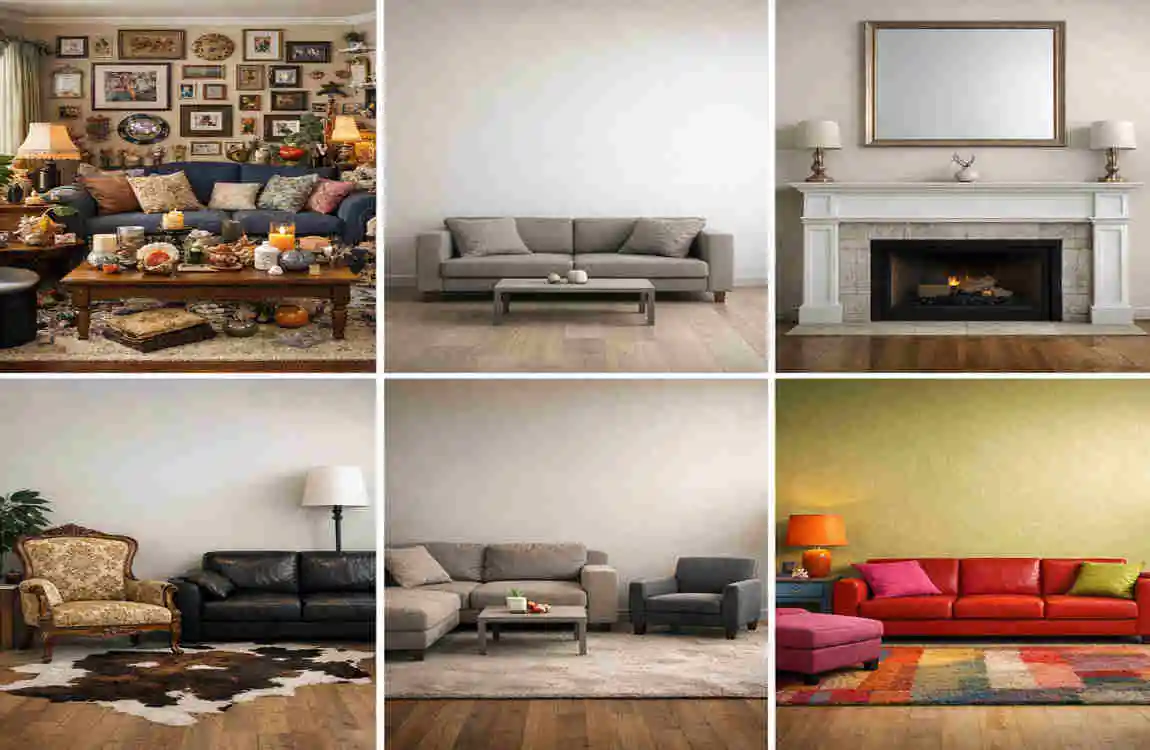
Too many focal points
If every item is trying to stand out, nothing feels special. One of the biggest mistakes is making every piece bold.
That creates confusion instead of emphasis.
Overusing bold colors
Bold colour can be effective, but too much can overwhelm the room. Use it in a focused way.
One accent wall or one colourful chair is often enough.
Ignoring room proportions
A tiny room may not support a huge statement piece. A large room may need something stronger to hold attention.
Always match the focal point to the space size.
Forgetting balance
A strong focal point should still feel like part of the room. It should not look random or disconnected.
The surrounding pieces need to support the main idea.
Making emphasis that does not match the style
A room should still feel like one complete design. If the focal point clashes with the rest of the style, the room can feel awkward.
For example, a very ornate item may not suit a clean modern room.
Simple list of do’s and don’ts
- Do choose one clear focal point
- Do use contrast wisely
- Do keep the rest of the room supportive
- Don’t overcrowd the main feature
- Don’t mix too many competing styles
- Don’t ignore scale and proportion
FAQ About Emphasis in Interior Design
What is emphasis in interior design?
It is the part of a room that stands out first and draws the eye, creating a clear focal point.
Why is emphasis important in interior design?
It makes rooms feel organised, interesting, and visually balanced. It also helps guide attention.
What is an example of emphasis in a room?
A fireplace, a bold sofa, a chandelier, or a large artwork can all serve as focal points.
What can be used as a focal point in interior design?
You can use furniture, colour, lighting, architecture, art, mirrors, or texture.
How do you create emphasis with colour?
Use one stronger colour in a mostly neutral space, or repeat the accent colour in a few focused places.
How can lighting create emphasis in a room?
Lighting can spotlight an object, highlight a feature wall, or draw attention to a dining table or island.
What is the difference between emphasis and focal point?
A focal point is the thing people notice first. Emphasis is the design method used to make it stand out.
| Element | Easy Emphasis Idea | Style Benefit |
|---|---|---|
| Accent Wall | Use bold paint or wallpaper | Creates a strong focal point |
| Furniture | Choose one standout sofa or chair | Adds personality |
| Lighting | Install a statement pendant or chandelier | Draws attention upward |
| Artwork | Display one large artwork | Creates visual interest |
| Rugs | Use a patterned or colorful rug | Defines the space |
| Colors | Add one contrasting color | Makes the room more dynamic |
| Textures | Mix wood, fabric, metal, or stone | Adds depth and warmth |
| Accessories | Use decorative mirrors or sculptures | Highlights key areas |
