
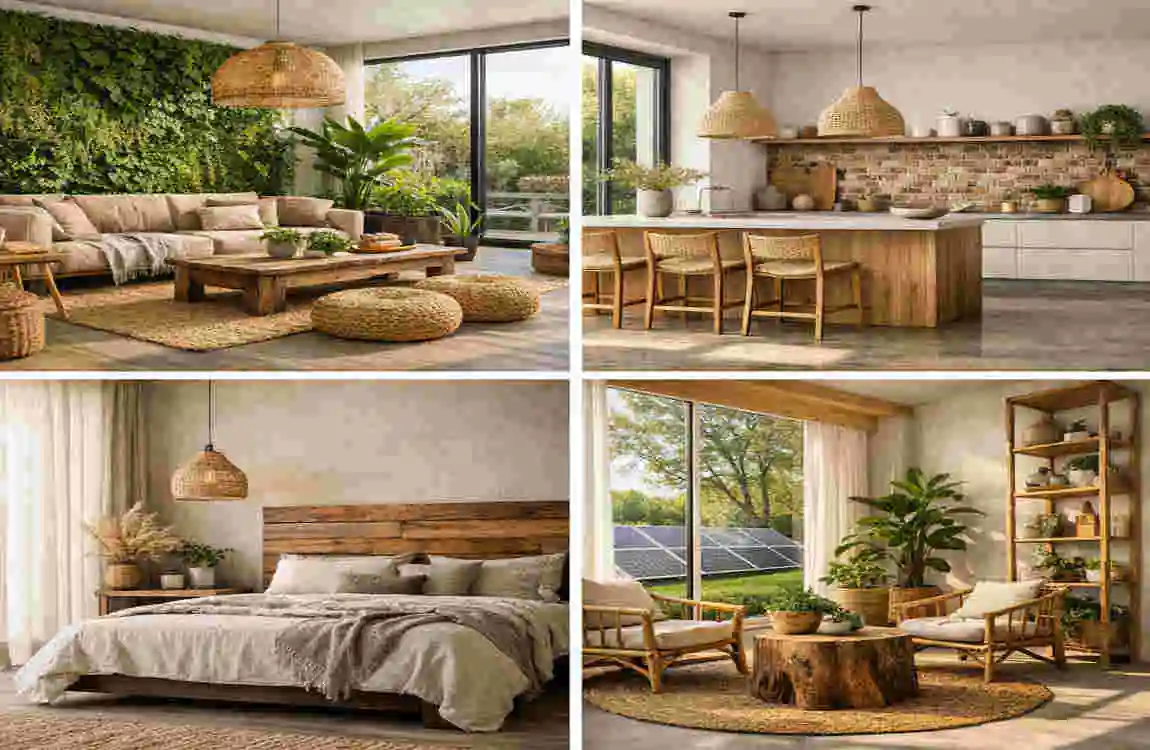
Sustainable homes are no longer just a trend. More and more people want spaces that look beautiful, feel comfortable, use less energy, and create less waste. That is where sustainable interior design ideas become so useful.
The good news is that you do not need a full renovation to make your home more eco-friendly. Small choices can make a real difference. You can start with better materials, longer-lasting furniture, energy-saving lighting, and natural decor that feels calm and timeless.
What Is Sustainable Interior Design?
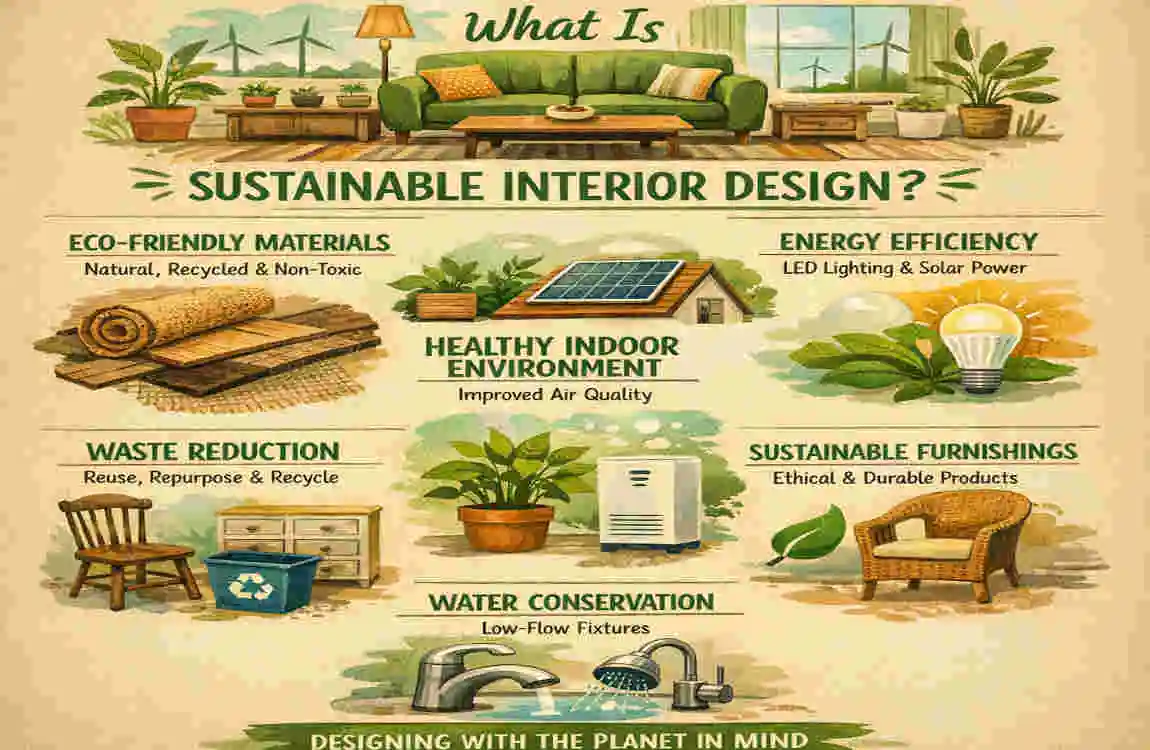
A simple meaning
Sustainable interior design means creating a home that is better for people and better for the planet. It focuses on using materials, furniture, and design choices that last longer, produce less waste, and often have a smaller environmental impact.
Instead of buying items that need to be replaced quickly, sustainable design encourages you to choose items that are durable, repairable, and useful for many years.
How it reduces waste
A lot of household waste comes from furniture, decor, and materials that get thrown away too soon. Sustainable design helps reduce that by choosing better products from the start.
For example, instead of replacing a cheap chair every few years, you might buy one solid chair that can be repaired and kept for a long time. That simple decision cuts waste and saves money over time.
Why homeowners benefit too
Sustainable design is not only about the environment. It also helps you create a home that feels more comfortable and practical.
You may enjoy:
- Lower energy use
- Better indoor air quality
- Less clutter
- Long-term savings
- A calmer, more natural home feel
These benefits matter in daily life. A well-designed sustainable space often feels less stressful and easier to maintain.
Sustainable vs conventional interior design
Traditional interior design often focuses mostly on appearance and short-term style. Sustainable interior design looks at style too, but it also asks a bigger question: Will this still work well in five or ten years?
That is the key difference. Sustainable choices usually prioritise durability, health, and lower waste over quick trends.
Choose Eco-Friendly and Natural Materials
Sustainable flooring options
Flooring covers a large part of your home, so it is a smart place to begin. A good sustainable floor should be durable, practical, and made with as little waste as possible.
Some popular options include bamboo, cork, reclaimed wood, and recycled materials.
- Bamboo grows quickly and can be a strong, attractive choice.
- Cork feels soft underfoot and can help with comfort and sound.
- Reclaimed wood gives old wood a second life and adds character.
- Recycled materials can reduce demand for new raw resources.
The best floor is not only eco-friendly. It should also last well in your home’s daily use.
Sustainable wall and surface materials
Walls, counters, and finishes also affect your home’s health and sustainability. One good starting point is using low-VOC paints.
Low-VOC means the paint releases fewer harmful fumes into the air. That helps support better indoor air quality, which is a big plus in bedrooms, living rooms, and family spaces.
Other smart choices include natural finishes and recycled materials. These can lower environmental impact while still giving your home a clean, modern look.
Why material sourcing matters
It is not just about what a material is. It is also about where it comes from and how it is made.
A material that is responsibly sourced is often a better choice than one produced through wasteful processes or using unsafe chemicals. When possible, look for materials that are locally produced, long-lasting, and made with care.
Invest in Sustainable Furniture and Decor
Choose furniture that lasts.
One of the easiest ways to create a greener home is to buy furniture that does not need to be replaced constantly. A well-made table, sofa, or bed frame may cost more at first, but it often lasts much longer.
That means fewer broken items, less waste, and better value over time.
Look for repairable and responsibly sourced pieces.
A sustainable piece of furniture should ideally be repairable. If a chair leg breaks or a cushion wears out, you should be able to fix it rather than toss the entire item.
It also helps to look for responsibly sourced wood or recycled materials. These choices support better resource use and often give furniture a more honest, lasting quality.
Use vintage, secondhand, and reclaimed furniture.
You do not always need to buy new furniture to create a beautiful home. Vintage and secondhand pieces can be smart, stylish, and affordable.
They also keep usable items out of landfills.
Reclaimed furniture is another good option. It often has a unique look and can bring warmth and character into a modern room.
Choose timeless design
Trendy pieces can look exciting at first, but they often feel old quickly. A more sustainable choice is to select simple, timeless designs that still look good years later.
Neutral shapes and classic styles often age better than highly decorative items with a short fashion cycle.
Avoid unnecessary decor
Sustainable design is not about filling every corner with objects. In fact, the opposite is often better.
Too many decorative items can create clutter, dust, and waste. A few well-chosen pieces usually do more for the room than a crowded shelf full of items that have no real purpose.
Improve Energy Efficiency Through Interior Design
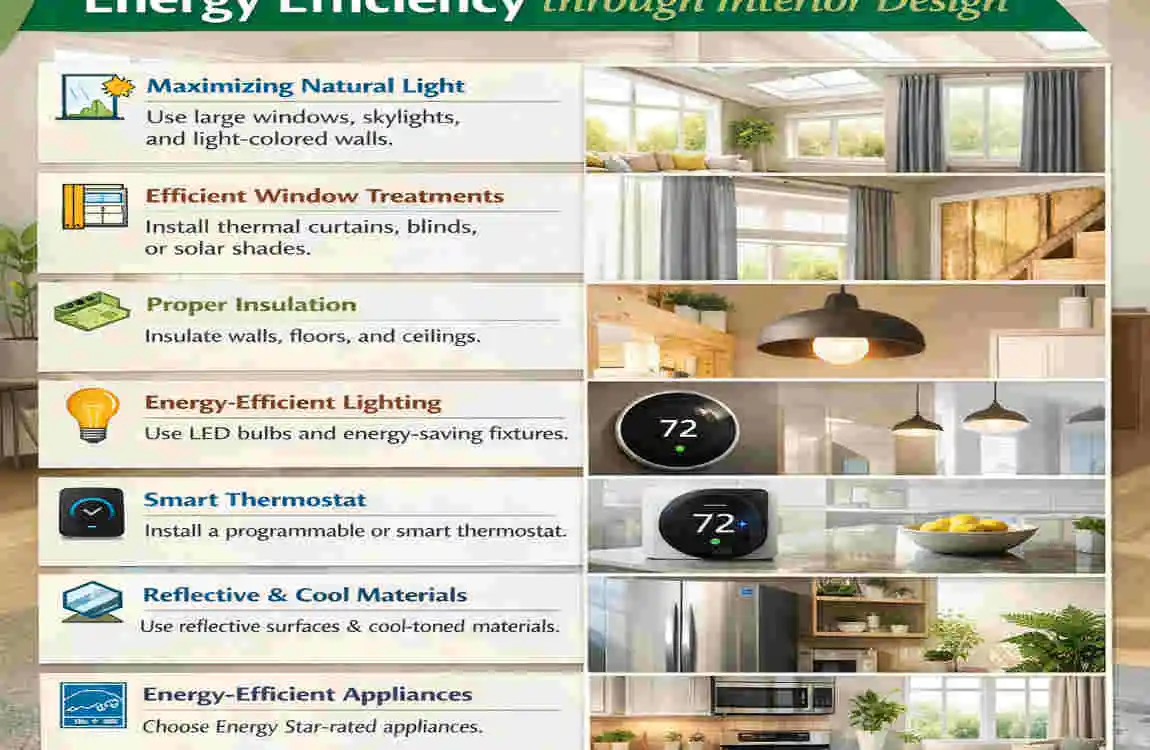
Maximise natural daylight
Natural light is one of the simplest ways to make a home more sustainable. It reduces the need for artificial lighting during the day and makes rooms feel brighter and more open.
You can support daylight by using light curtains, reflective wall colours, and furniture placement that does not block windows.
Use energy-efficient LED lighting.
LED lights use less power and often last much longer than older bulbs. That means lower energy use and fewer bulb replacements.
This is one of the most practical sustainable interior design ideas because it is easy to apply in almost any room.
Choose efficient fans and appliances.
Ceiling fans, cooling systems, and home appliances all affect your energy use. Energy-efficient models can help lower monthly costs while reducing environmental strain.
Even small improvements can add up when they are used every day.
Use rugs and curtains for comfort.
A home can waste energy by losing heat or overheating quickly. Rugs and curtains help control indoor comfort.
Thick curtains may help reduce heat loss in colder months. Rugs can also add warmth and softness underfoot, making the room feel more comfortable without extra energy use.
Consider smart controls
Smart lighting controls and thermostats can improve efficiency by helping you use energy more efficiently.
You can adjust settings more easily, reduce waste, and avoid keeping lights or heating on when you do not need them.
Bring Nature Indoors With Green Design
Add indoor plants
Plants do more than decorate a room. They can help create a softer, fresher, more natural feeling inside the home.
They also make a space feel alive and welcoming. If you want a calmer look, a few simple green plants can go a long way.
Good low-maintenance options include plants that do not need daily care and can adapt well to indoor light conditions. That makes them easier to keep healthy even with a busy routine.
Use natural textures
Natural textures help make a modern home feel warm instead of cold or overly plain. Materials like wood, stone, cotton, linen, and jute can all add depth without making a room feel busy.
The goal is not to overload the space. It is to create balance. A wooden table, cotton cushions, and a woven basket can make a room feel more grounded and inviting.
Create a modern look without excess.
You do not need lots of decoration to make a room beautiful. In fact, too many items can make the space feel heavy.
A sustainable, nature-inspired room often feels best when it uses simple shapes, soft colours, and a few natural materials placed with care.
Reduce Waste and Create a Healthier Home
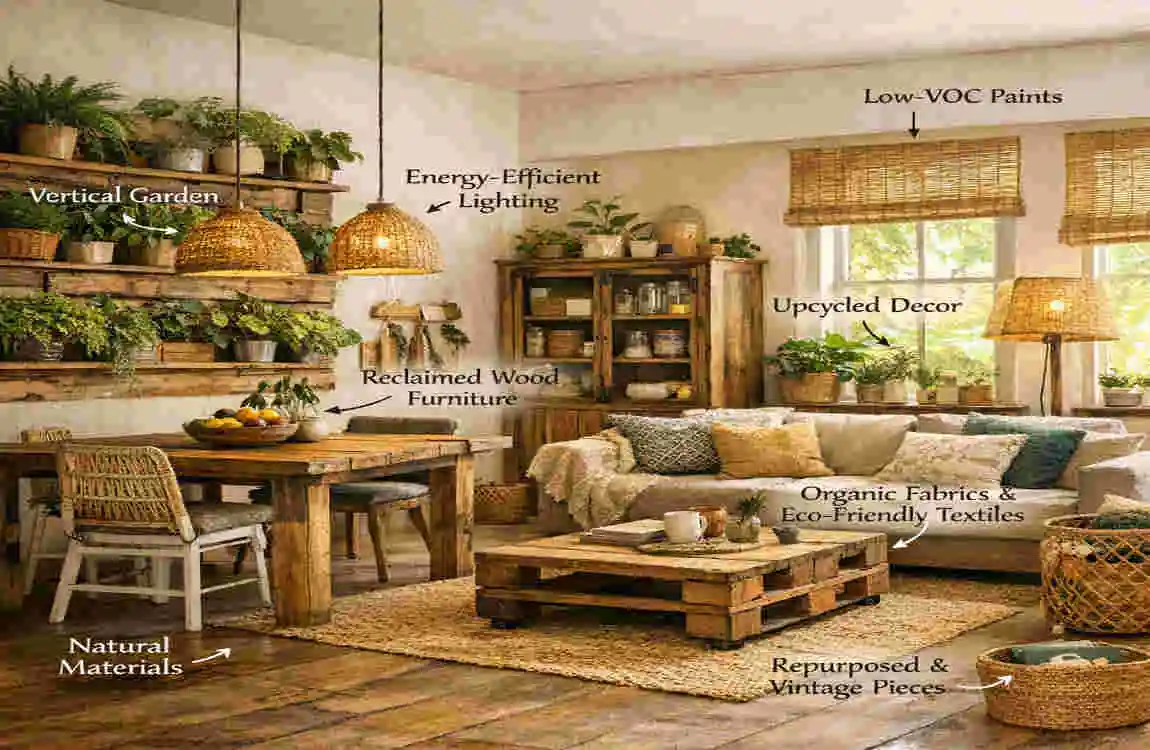
Repurpose what you already have.
Before buying something new, look at what you already own. An old cabinet can serve as storage with a fresh finish. A table may need only a new surface treatment. A chair may need new fabric.
Repurposing helps you save money and reduce waste at the same time.
Donate or recycle responsibly.
If you no longer need a piece of furniture, do not throw it away too quickly. Donation or responsible recycling is often a better option.
That keeps usable items in circulation and lowers the amount of waste that ends up in landfills.
Choose reusable and refillable products.
Small household habits also matter. Reusable containers, refillable cleaning products, and washable cloths all help reduce waste over time.
These items may seem small, but they support a more thoughtful and less disposable lifestyle.
Reduce synthetic materials where practical.
Synthetic materials are not always bad, but using fewer of them where practical can sometimes improve air quality and reduce environmental impact.
Natural fabrics and finishes can be a good choice in many areas of the home.
Pay attention to indoor air quality.
A healthy home should feel good to breathe in. Paints, adhesives, fabrics, and finishes can all affect indoor air quality.
That is why it helps to choose lower-emission products whenever possible. A safer indoor environment supports comfort, especially for children, older adults, and anyone sensitive to air quality.
Simple waste-reducing habits
Here are a few easy habits you can start using right away:
- Buy fewer, better items
- Repair before replacing
- Donate what you do not need
- Use reusable household products
- Choose materials that last
These steps are small, but they make sustainable living much more realistic.
FAQ About Sustainable Interior Design Ideas
What are sustainable interior design ideas?
They are design choices that help reduce waste, save energy, and create a healthier home. They often include durable furniture, eco-friendly materials, natural decor, and efficient lighting.
What materials are best for sustainable interior design?
Good options include bamboo, cork, reclaimed wood, recycled materials, low-VOC paint, cotton, linen, stone, and jute. The best choice depends on the room and how the material will be used.
How can I make my home more eco-friendly on a budget?
Start small. Use what you already own, buy secondhand furniture, switch to LED bulbs, add indoor plants, and choose low-cost natural decor instead of replacing everything at once.
Is sustainable interior design expensive?
It does not have to be. Some items may cost more upfront, but they often last longer and save money over time. You can also make budget-friendly changes gradually.
What is the most sustainable furniture choice?
The best choice is usually durable, repairable, and responsibly sourced furniture that can be used for many years. Vintage and secondhand furniture are also excellent options.
How can lighting make a home more sustainable?
Lighting affects energy use more than many people realise. LED bulbs, natural daylight, and smart controls can all reduce electricity use while still keeping your home bright and comfortable.
How do I create a sustainable modern living room?
Start with simple furniture, natural textures, energy-efficient lighting, and a few indoor plants. Keep the room calm, functional, and uncluttered so it feels modern and easy to live in.
| Sustainable Idea | Benefit |
|---|---|
| Natural Materials | Use bamboo, cork, wood, and stone for a healthier interior. |
| Energy-Efficient Lighting | LED bulbs reduce electricity use and last longer. |
| Eco-Friendly Paint | Low-VOC paints improve indoor air quality. |
| Sustainable Furniture | Choose recycled, reclaimed, or responsibly sourced furniture. |
| Indoor Plants | Add greenery for a fresh, natural atmosphere. |
| Natural Fabrics | Cotton, linen, wool, and hemp are durable alternatives. |
| Energy-Efficient Windows | Help control indoor temperatures and reduce energy costs. |
