
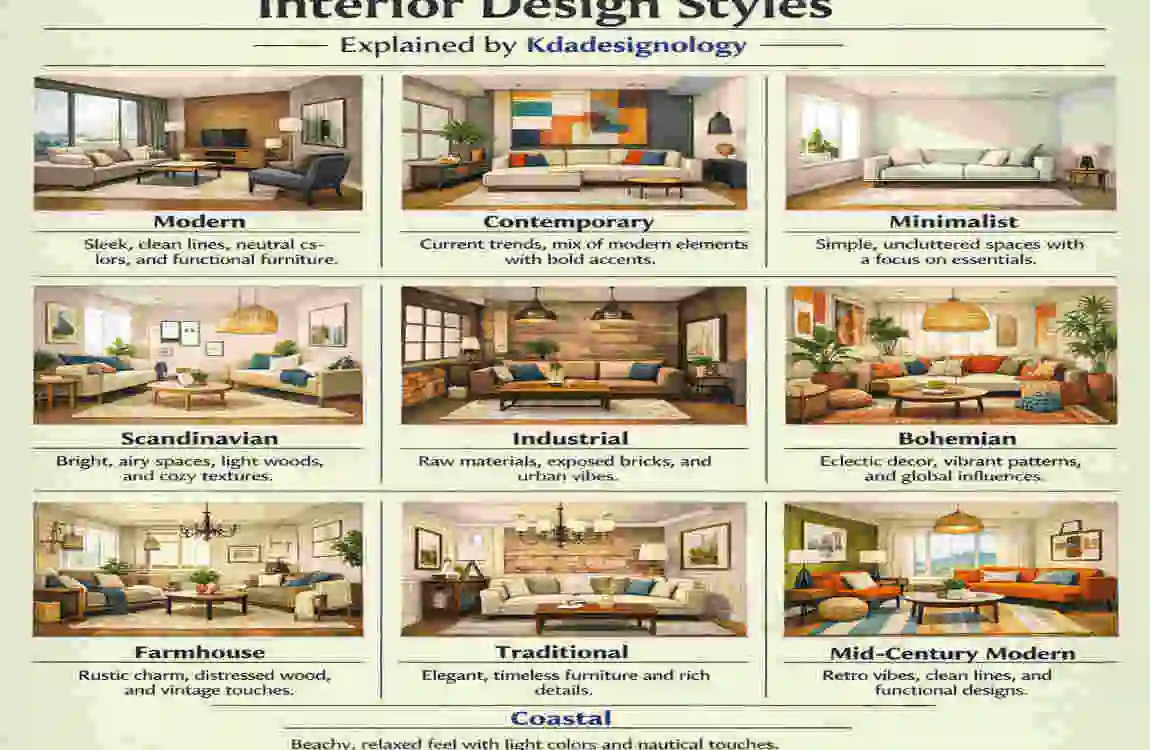
Choosing a home style can feel confusing at first. So many looks to choose from, and each one has its own mood, colors, and furniture choices. But once you understand your own taste, decorating becomes much easier.
That is why knowing which interior design style you prefer matters. It helps you connect your home with your personality, your daily routine, and the feeling you want in each room.
| Design Style | Key Features |
|---|---|
| Modern | Clean lines, simple furniture, neutral colors |
| Minimalist | Clutter-free spaces, simple shapes, functional décor |
| Scandinavian | Light colors, natural materials, cozy textures |
| Industrial | Exposed materials, metal accents, raw finishes |
| Bohemian | Layered textiles, patterns, plants, and artistic décor |
| Traditional | Classic furniture, elegant details, and warm colors |
| Contemporary | Current trends, balanced layouts, and modern finishes |
| Coastal | Light tones, natural textures, and relaxed décor |
| Farmhouse | Rustic materials, comfortable furniture, and warm accents |
| Luxury | Premium materials, statement pieces, and sophisticated details |
Some people love clean and simple spaces. Others enjoy cozy rooms filled with texture, pattern, and character. Your style is not just about what looks pretty.
Understanding Your Interior Design Personality
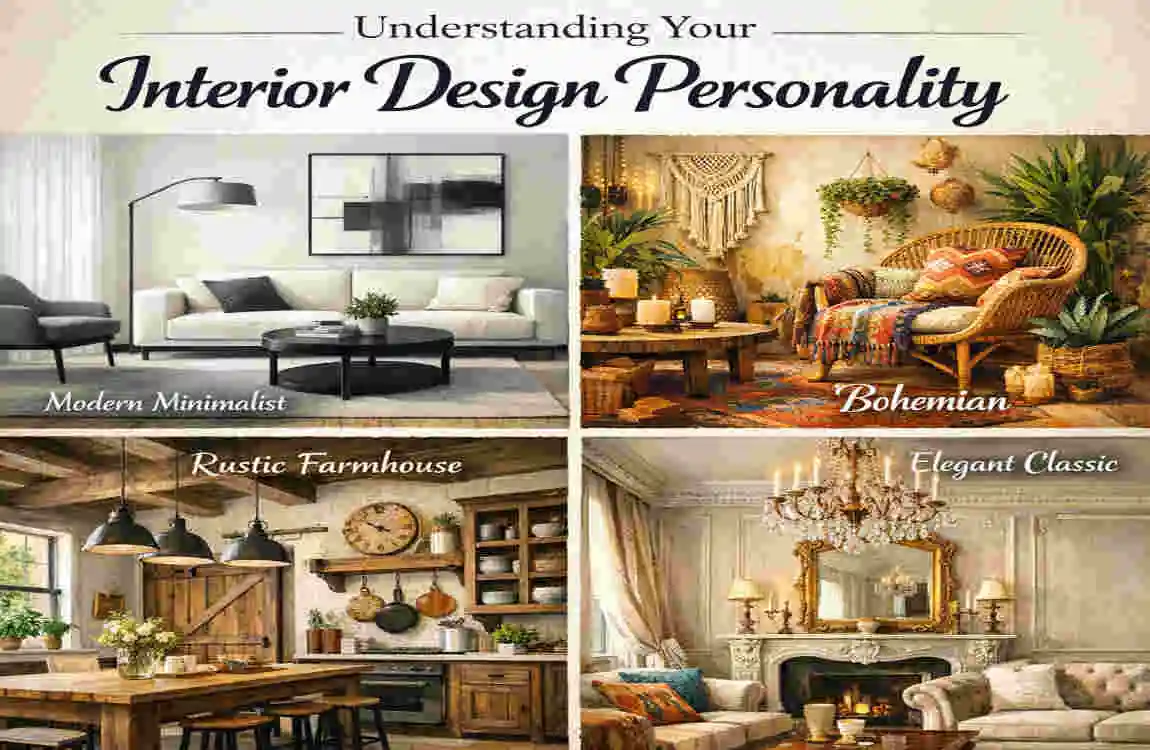
Why Your Personality Matters in Home Design
Your home should feel like you. If you like calm and order, a simple design may suit you best. If you enjoy creativity and variety, a more layered style may feel right.
Your personality affects your choices in:
- Colors
- Furniture
- Patterns
- Lighting
- Decorative details
A home feels better when it matches your real taste instead of just copying a trend.
Questions to Help Identify Your Style
Ask yourself a few simple questions:
- Do I prefer simple or decorative spaces?
- Do I like warm or cool colors?
- Do I enjoy natural materials like wood and linen?
- Do I prefer modern furniture or traditional details?
- Do I like bold patterns or neutral rooms?
Your answers can point you toward a clear design direction.
Lifestyle and Practical Needs
Style matters, but daily life does too. A family home needs durable materials and storage. A small apartment may need space-saving furniture. A home office needs comfort and focus.
A good style should support:
- Family-friendly living
- Low-maintenance cleaning
- Entertaining guests
- Small-space comfort
- Everyday function
Beauty and practicality should work together.
Popular Interior Design Styles Explained by Kdadesignology
Modern Interior Design
Modern design is clean, simple, and organized. It usually uses straight lines, smooth surfaces, and a neutral color palette.
This style often includes:
- Minimal decoration
- Functional furniture
- Sleek lighting
- Black, white, gray, and beige tones
It works well if you like a neat and polished look.
Minimalist Interior Design
Minimalist design takes simplicity even further. It focuses on only what is necessary—less clutter, fewer decorations, and more open space.
To keep it from feeling cold, use:
- Soft fabrics
- Warm lighting
- Gentle neutral colors
- A few meaningful decor pieces
Minimalism is a great choice if you enjoy peace, order, and calm.
Scandinavian Interior Design
Scandinavian style feels light, cozy, and practical. It often includes pale colors, wood, soft textiles, and natural light.
Common features include:
- White or light walls
- Simple furniture
- Cozy blankets and cushions
- Natural wood accents
This style is perfect if you want a home that feels bright and welcoming.
Bohemian Interior Design
Bohemian design is relaxed, artistic, and full of personality. It mixes patterns, textures, colors, and vintage items in a free-flowing way.
You may see:
- Layered rugs and textiles
- Plants
- Handmade decor
- Mixed furniture styles
Boho spaces feel creative and lived-in, which makes them warm and personal.
Traditional Interior Design
Traditional style is classic, balanced, and elegant. It often includes detailed furniture, rich fabrics, and symmetrical layouts.
Look for:
- Wood furniture with detail
- Soft curves
- Classic prints
- Formal arrangements
If you enjoy timeless beauty, traditional design may be your match.
Industrial Interior Design
Industrial design takes inspiration from old warehouses and lofts. It often uses raw materials and visible structural details.
Typical elements include:
- Brick walls
- Metal finishes
- Wood and concrete
- Open layouts
This style feels bold, modern, and slightly rugged.
Farmhouse and Contemporary Styles
Farmhouse style feels warm, rustic, and friendly. It often includes wood, soft colors, and vintage-inspired pieces.
Contemporary style is more current and changes with time. It focuses on clean shapes, simple forms, and a fresh look.
If you like a mix of comfort and modern simplicity, these two styles may appeal to you.
Quick Style Comparison
Style Main Feeling Best For Common Features
Modern Clean and sleek People who like simplicity Neutral colors, straight lines
Minimalist Calm and open Low-clutter homes Fewer items, soft tones
Scandinavian Bright and cozy Warm, practical spaces Wood, light colors, texture
Bohemian Creative and relaxed Artistic personalities Patterns, plants, layered decor
Traditional Elegant and classic Timeless homes Symmetry, detailed furniture
Industrial Bold and raw Urban-inspired spaces Metal, brick, concrete
Farmhouse Warm and inviting Family-friendly homes Rustic wood, soft finishes
Contemporary Fresh and current Simple modern homes Clean shapes, updated design
How to Find Which Interior Design Style Are You Kdadesignology
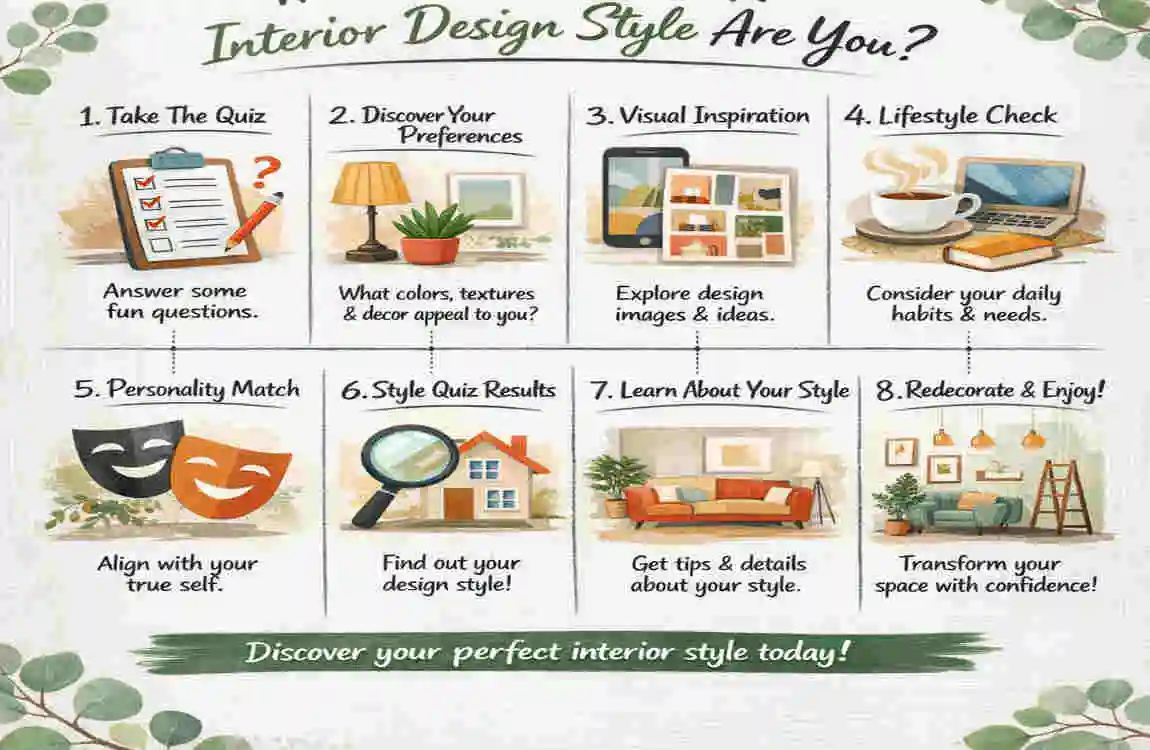
Start With Your Favorite Colors
Color is one of the easiest clues. If you love whites, grays, and soft beige tones, you may lean toward modern, minimalist, or Scandinavian design.
If you prefer deep colors, earthy shades, or rich accents, you might enjoy bohemian, traditional, or farmhouse interiors.
Think about whether you like:
- Warm tones like brown, cream, rust, and gold
- Cool tones like blue, gray, and crisp white
- Bold colors like emerald, navy, and mustard
- Soft neutrals that feel calm and simple
Look at Your Favorite Furniture
Furniture says a lot about style. Sleek furniture with simple shapes often fits modern design. Soft, natural pieces work well in Scandinavian and farmhouse homes. Ornate or detailed furniture often belongs in traditional spaces.
Ask yourself:
- Do I like clean lines or decorative shapes?
- Do I prefer vintage pieces or new ones?
- Do I want furniture to stand out or blend in?
Consider Materials and Textures
Materials change a room’s feel. Wood feels warm. Metal feels sharp. Stone feels solid. Fabric adds comfort.
To keep things balanced, choose a few materials and repeat them throughout the room. That makes the space feel connected, not busy.
Pay Attention to Patterns and Decorations
Patterns also reveal your taste. If you enjoy simple geometric shapes, modern style may suit you. If you love layered prints and rich texture, bohemian style could be the right fit. If you prefer classic florals or elegant details, traditional design may be your answer.
Create a Personal Style Mood Board
A mood board helps you see patterns in your choices. Save images of rooms, colors, furniture, and decor you love. Then look for repeated themes.
You may notice that you keep choosing:
- Light wood
- Soft white walls
- Cozy fabrics
- Bold accent colors
- Vintage pieces
That pattern tells you a lot about your style.
Mixing Interior Design Styles Without Losing Balance
Modern and Traditional
This mix works when you combine clean furniture with classic details. For example, a modern sofa can sit nicely in a room with traditional molding or a classic rug.
Keep the color palette steady so the room feels unified.
Scandinavian and Minimalist
These styles already share a simple approach. You can mix them easily by using light wood, soft textiles, and open space.
The key is to keep the room calm, not empty.
Farmhouse and Modern
This pairing is popular because it blends warmth with simplicity. Try rustic wood with modern lighting or a clean sofa with a distressed coffee table.
The goal is to make the room feel natural, not overly themed.
Bohemian and Contemporary
This mix works best when you use a simple modern base and add colorful or artistic accents. That way, the room stays balanced while still feeling lively.
Rules for Combining Styles
- Choose one main style
- Repeat colors and materials
- Mix old and new with care
- Avoid overcrowding the space
- Use accessories for small style touches
Choosing the Right Interior Design Style for Every Room
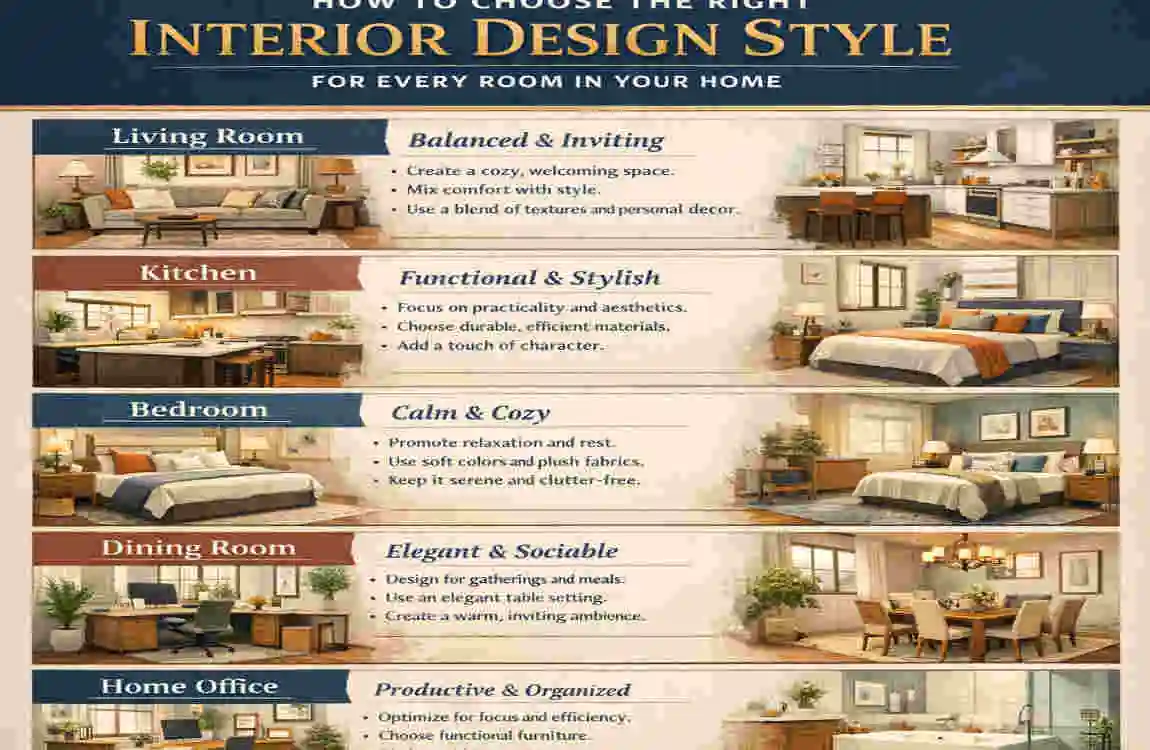
Living Room
The living room should feel comfortable and welcoming. If you entertain often, choose a style that supports easy seating and open flow. If you prefer quiet evenings, focus on soft textures and calming colors.
Bedroom
Bedrooms work best with soothing colors, soft bedding, and less visual noise. A minimalist, Scandinavian, or soft traditional style often works well here.
Kitchen
Kitchens need both style and function. Cabinet design, lighting, and hardware should fit the overall home style. Clean modern lines or warm farmhouse details are both strong choices.
Bathroom
Bathrooms should feel fresh and easy to maintain. Simple tile, good lighting, and smart storage matter most. You can go modern, traditional, or contemporary depending on the mood you want.
Home Office
A home office should help you focus. Choose comfortable, practical furniture. Add personal touches, but keep the space organized so it supports your work.
Common Interior Design Mistakes and Tips for a More Cohesive Home
Following Trends Too Closely
Trends can look exciting, but they change quickly. If you build your whole home around one trend, it may feel outdated fast. Use trends in small pieces instead.
Choosing Furniture Before Planning the Space
Always measure the room first. Furniture should fit the space and allow easy movement. A stylish room is not useful if it feels cramped.
Using Too Many Colors
Too many colors can make a room feel messy. Start with a simple base and add one or two accent colors.
Ignoring Lighting
Lighting changes everything. It affects color, mood, and texture. Try to combine natural light with soft overhead light and task lighting.
Forgetting Functionality
A beautiful room that does not work well will quickly become frustrating. Think about storage, comfort, and daily use from the start.
FAQ: Which Interior Design Style Are You at Kdadesignology?
What does “which interior design style are you kdadesignology” mean?
It means finding the style that best matches your personality, lifestyle, and home needs.
How do I know which interior design style suits me?
Look at your favorite colors, furniture, patterns, materials, and the way you use your space every day.
What are the most popular interior design styles?
The most popular ones include modern, minimalist, Scandinavian, traditional, farmhouse, industrial, and bohemian.
Can I combine two or more interior design styles?
Yes, you can. Just choose one main style and use the others as support through colors, decor, or textures.
Is minimalist interior design suitable for a family home?
Yes, as long as you include practical storage, durable materials, and comfortable furniture.
How can I discover my interior design style on a budget?
Start with what you already own. Rearrange furniture, change textiles, repaint walls, and add a few new accessories.
Should every room in my home have the same design style?
No, but the rooms should still feel connected. Keep a shared color palette or similar materials throughout the home.
What is the easiest way to start designing my home?
Start with one room, make a mood board, choose a color palette, and pick a few key furniture pieces before adding decor.
