
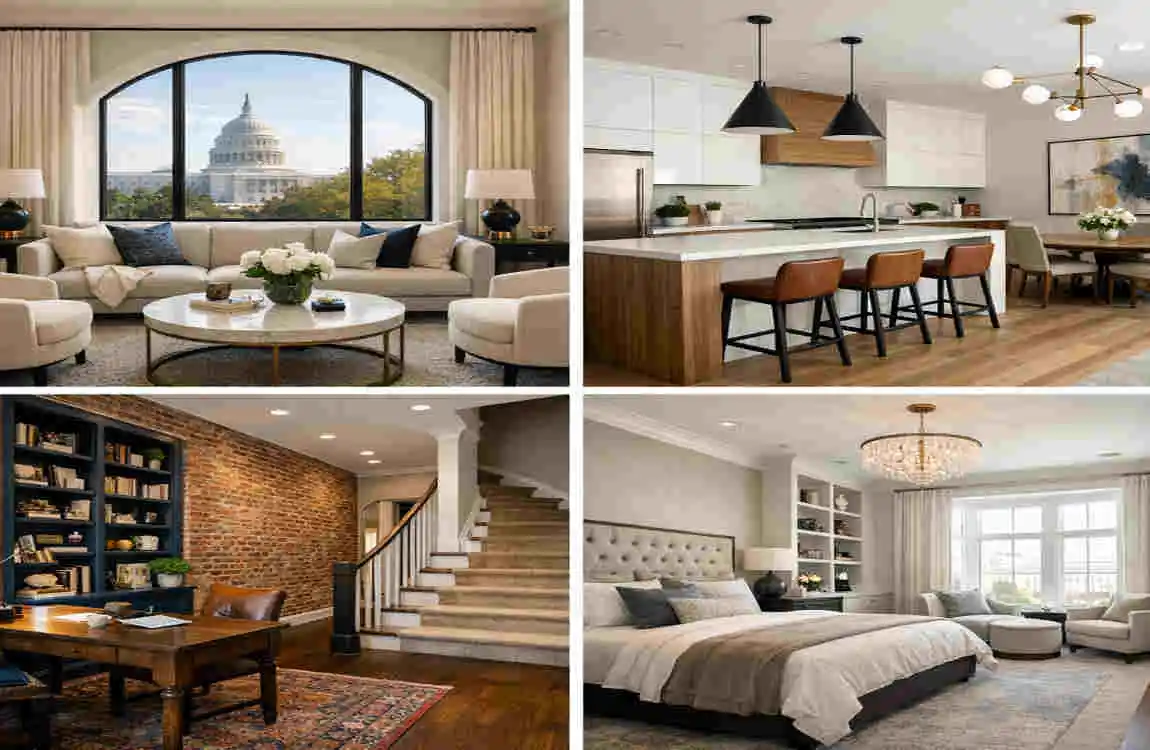
If you are thinking about hiring help for your home or office, you may be asking: What is an interior designer in Washington, DC, and how can this professional help you? The simple answer is that an interior designer plans, shapes, and improves indoor spaces. As a result, they look better, work better, and feel more comfortable.
In Washington, DC, this role is especially useful because many homes and buildings come with unique layouts, historic details, limited space, and renovation rules. A skilled designer helps you make smart choices without wasting time or money.
What Is an Interior Designer in Washington, DC?
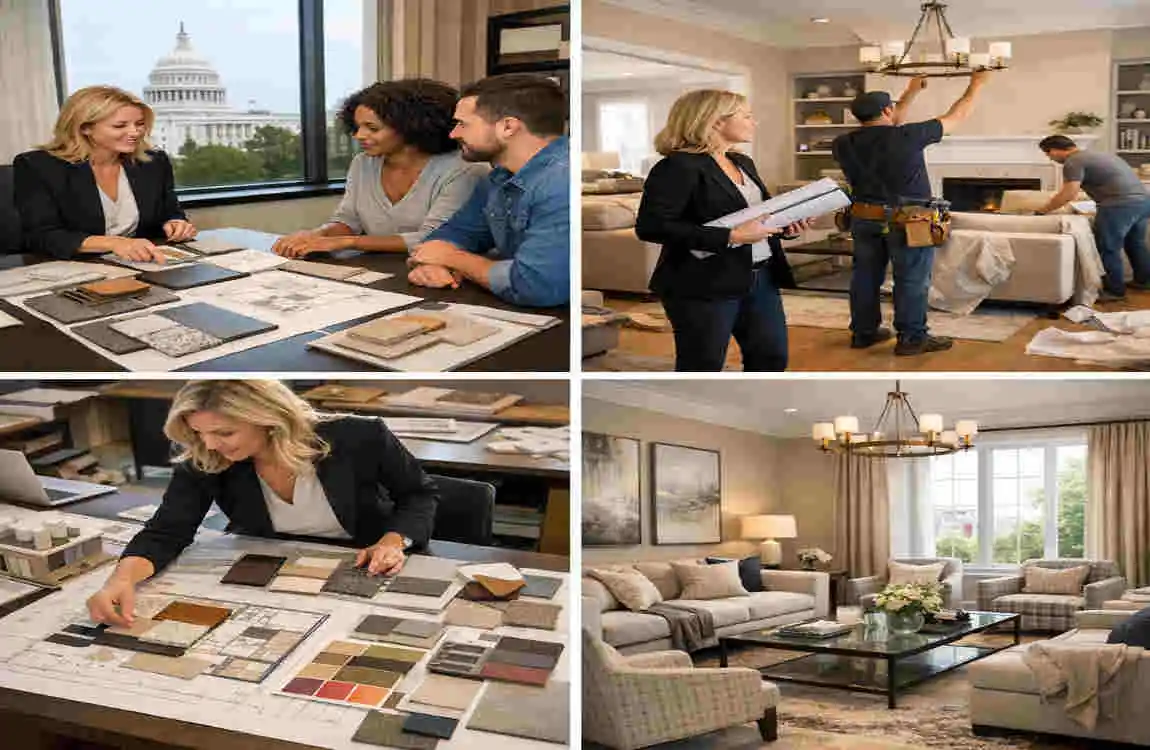
An interior designer is a trained professional who improves the inside of a space. They do more than choose colours or furniture. They think about how a room works, how people move through it, and how the design supports daily life.
In Washington, DC, interior designers often work with:
- Historic homes
- Townhouses
- Condos
- Apartments
- Offices and commercial spaces
Their job is to make spaces feel organized, attractive, and practical. That can mean planning layouts, selecting finishes, choosing lighting, or coordinating with contractors.
What Does an Interior Designer Do?
A designer usually handles several important tasks.
Space planning
They decide where furniture should go, how people should move in a room, and how to make the best use of the available space.
Furniture and material selection
They help choose sofas, tables, flooring, wall finishes, fabrics, and other items that match the space’s style and use.
Colour and lighting planning
Good design depends on the right colours and lighting. A designer helps create the right mood and improves visibility.
Custom design concepts
Some projects need built-in storage, custom cabinets, or special layouts. Designers create ideas that fit the home and the client’s needs.
Project coordination
Many designers also work with contractors, painters, cabinet makers, and installers to keep the project organized.
Interior Designer vs. Interior Decorator
These two roles are often confused, but they are not the same.
An interior designer usually handles space planning, layout decisions, and more technical parts of a project. An interior decorator focuses more on surface appearance, such as furniture, pillows, art, and accessories.
In simple terms:
- Interior designer = function + style + planning
- Interior decorator = style + finishing touches
If you are changing the structure, layout, or flow of a room, a designer is usually the better choice. If you only want to refresh the look, a decorator may be enough.
Why Hire an Interior Designer in Washington, DC?
Hiring a professional can save you time, reduce stress, and help you avoid costly mistakes. This matters even more in Washington, DC, where many properties have small rooms, older layouts, or renovation limits.
A designer helps you make the most of what you already have.
Benefits of professional interior design
Working with a designer can give you:
- Better use of space
- A more polished look
- Smarter material choices
- Less stress during the project
- Help with planning and coordination
Interior Design for DC Homes and Apartments
Washington, DC includes many different property types, and each one brings different needs.
Historic homes
These homes often have charm, but they may also have awkward room sizes, older systems, or original details that need careful treatment.
Condos and apartments
These spaces often need clever storage, flexible furniture, and good layout planning because space is limited.
Townhouses
Townhouses often have several floors, narrow rooms, and unique stair layouts. A designer can make them feel more open and connected.
Modern homes
Newer homes may have clean layouts, but they still benefit from thoughtful furniture placement and finish selection.
Design Challenges in Washington, DC
DC homes can bring a few common challenges.
Limited floor space
Many properties are smaller than people expect, so every inch matters.
Older buildings
Older homes may have uneven walls, outdated finishes, or rooms that don’t suit modern life.
Historic details
Mouldings, fireplaces, and original woodwork should often be protected or highlighted, not covered up.
Natural light limitations
Some homes do not get much daylight, so lighting design becomes very important.
Building restrictions
Some properties have rules about renovations or exterior changes, especially in historic areas.
Popular Interior Design Styles in Washington, DC
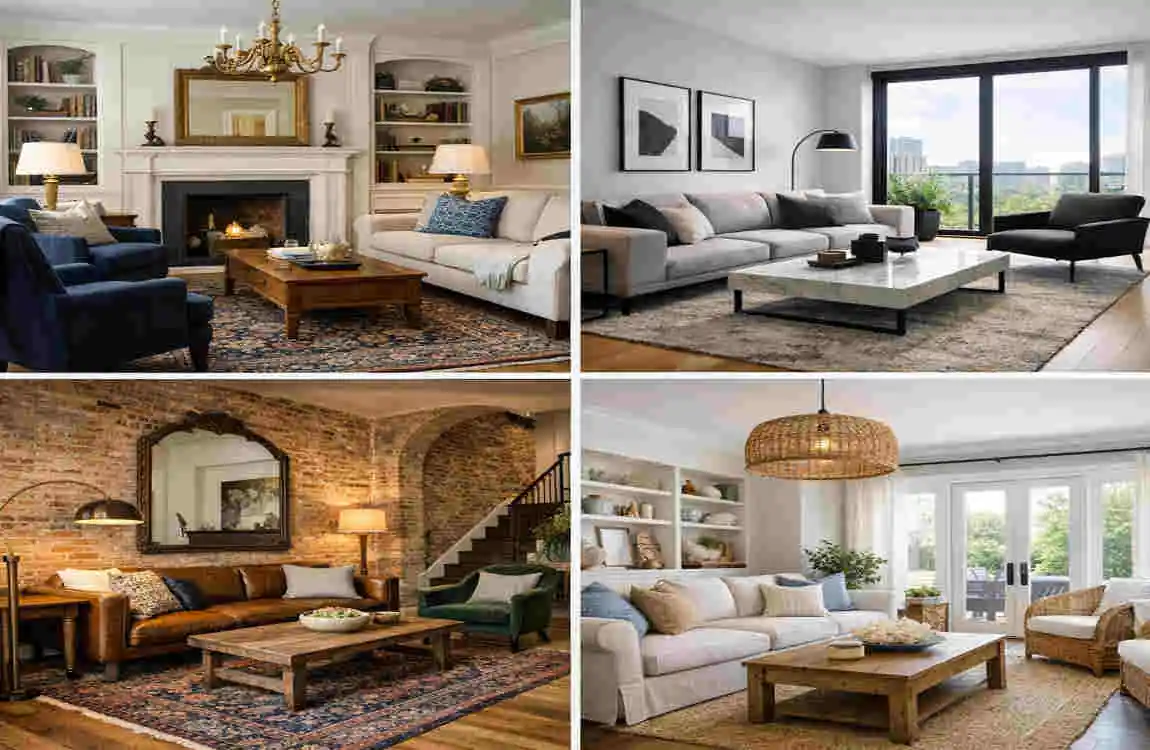
The best style depends on your home, your taste, and how you live. In Washington, DC, many people prefer designs that feel elegant, practical, and timeless.
Modern interior design
Modern design often uses clean lines, open space, simple shapes, and neutral colours. It feels fresh and uncluttered.
Contemporary interiors
Contemporary style changes with the times. It often includes soft curves, mixed materials, and current colour trends.
Traditional design
Traditional interiors feel classic and balanced. They often use richer colours, detailed furniture, and formal layouts.
Transitional style
This is one of the most popular choices. It blends traditional warmth with modern simplicity.
Minimalist interiors
Minimalist spaces use fewer items, simple colours, and clean surfaces. They can work very well in small DC homes.
Scandinavian-inspired spaces
This style focuses on light, comfort, natural materials, and a calm look.
Luxury interior design
Luxury design may include custom furniture, rich finishes, and more detailed styling. It still needs to feel livable.
Historic and classic DC-inspired interiors
These spaces often highlight original features while adding modern comfort. That mix works beautifully in many DC properties.
How to choose a style for your home
Think about:
- Your home’s architecture
- Your daily routine
- How much maintenance you want
- Whether you prefer warm, bold, soft, or simple spaces
A good designer can also help you combine old and new elements so the home feels complete.
Room-by-room ideas
Living room
Focus on comfort, seating, lighting, and flow.
Bedroom
Keep it calm, restful, and uncluttered.
Kitchen
Choose durable materials, practical storage, and good lighting.
Bathroom
Use moisture-friendly materials and smart layout choices.
Home office
Make sure the room supports focus, storage, and comfort.
Dining room
Balance style with enough space for easy movement.
How Much Does an Interior Designer Cost in Washington, DC?
Interior design costs vary a lot. The price depends on your project size, the designer’s experience, and the level of service you need.
Common pricing structures
Hourly design fees
You pay for the time the designer spends on your project.
Flat project fees
You pay one set price for the full project or a specific phase.
Percentage-based pricing
Some designers charge a percentage of the total project cost.
Consultation fees
This is often used for smaller projects or first meetings.
Design package pricing
Some designers offer bundles for single rooms or specific services.
What affects interior design costs?
FactorHow it affects cost
Project size Larger spaces cost more
Property type Historic or complex spaces may need more work
Materials and finishes Higher-end choices raise the budget
Custom furniture Custom work usually costs more
Renovation needs Structural work adds cost
Project complexity More details mean more time
Designer experience Skilled designers often charge more
How to create an interior design budget
Start with a clear number that you are comfortable spending. Then divide it into parts:
- Designer fees
- Furniture and décor
- Materials and finishes
- Labour and installation
- Unexpected costs
It is smart to leave some extra room for changes. Projects often shift a little once they begin.
How to Choose the Right Interior Designer in Washington, DC

Choosing the right designer matters as much as choosing the right style. You want someone who understands your goals and communicates clearly.
Start with your project goals.
Ask yourself what you really need. Do you want better storage, a full renovation, or just a fresh look? Clear goals help you find the right match.
Research portfolios
Review past work to see whether the designer’s style fits your taste. A strong portfolio should show range, quality, and attention to detail.
Check experience with similar properties.
A designer who works with townhouses may understand DC homes better than someone who mainly designs large suburban houses.
Understand services and fees.
Before hiring, make sure you know what is included. Ask about planning, revisions, shopping, contractor help, and installation.
Review communication style
A designer should listen carefully and explain ideas in simple language. Good communication makes the whole process smoother.
Questions to ask an interior designer
- What services are included?
- How do you charge for your work?
- What is your project timeline?
- Do you work with contractors?
- Can you stay within my budget?
- How do you handle furniture and material choices?
- What happens if the project changes?
Credentials and experience
You should also look at:
- Education and training
- Years of experience
- Relevant certifications
- Local project knowledge
- Quality of past work
Interior Design Process in Washington, DC
Most projects follow a step-by-step process. Knowing this helps you feel more prepared.
Initial consultation
Here, you discuss your goals, budget, style, and timeline.
Understanding client needs
The designer learns how you live, what you like, and what problems you want to solve.
Site assessment and measurements
They measure the space and review the layout, lighting, and structural details.
Concept development
The designer creates an overall idea for the space.
Space planning
This step covers layout, furniture placement, and traffic flow.
Material and furniture selection
The designer helps choose finishes, fabrics, furniture, and décor.
Revisions and budget planning
You review the plan, make changes if needed, and confirm the budget.
Contractor coordination
If construction or installation is needed, the designer may coordinate with other professionals.
Installation and final styling
The last step is setting up the space and adding the finishing touches.
What to expect during the first consultation
Be ready to talk about:
- Your goals
- Your budget
- Your favourite styles
- Your timeline
- Your biggest design challenges
How long a project may take
Timelines vary depending on the job size.
- Small decorating projects: often quicker
- Single-room projects: may take a few weeks or months
- Whole-home projects: usually take longer
- Renovation projects: often take the most time
FAQ About Interior Designer Washington DC
What is an interior designer in Washington, DC?
An interior designer in Washington, DC is a professional who plans and improves interior spaces for homes and businesses. They focus on layout, materials, style, and function.
How much does an interior designer cost in Washington, DC?
Costs vary based on project size, services, materials, and the designer’s pricing method.
Is an interior designer worth hiring?
Yes, especially if you want help with space planning, design decisions, or managing a bigger project.
What is the difference between an interior designer and an interior decorator?
A designer works with space, function, and planning. A decorator focuses more on style and surface updates.
How do I find a good interior designer in Washington, DC?
Look at portfolios, ask about experience, compare fees, and check communication style.
Can an interior designer help with a small apartment?
Yes. Designers are often very helpful in small apartments because they know how to improve layout, storage, and function.
How long does an interior design project take?
The timeline depends on the project size, design changes, purchasing, and whether construction is involved.
What should I prepare before meeting an interior designer?
Bring inspiration photos, your budget, room measurements if possible, and a clear list of goals.
| Topic | Short Information |
|---|---|
| Interior Designer Washington DC | A professional who plans and improves residential or commercial interiors |
| Main Services | Space planning, color selection, furniture, lighting, materials, and décor |
| Home Design | Living rooms, bedrooms, kitchens, bathrooms, and complete home interiors |
| Commercial Design | Offices, restaurants, retail spaces, and hospitality interiors |
| Design Styles | Modern, contemporary, traditional, minimalist, transitional, and luxury |
| Project Cost | Depends on project size, materials, designer fees, and level of customization |
| Space Planning | Helps make rooms more functional, comfortable, and visually balanced |
| Lighting Design | Uses natural and artificial lighting to improve mood and usability |
| Material Selection | Helps choose flooring, paint, fabrics, countertops, fixtures, and finishes |
