
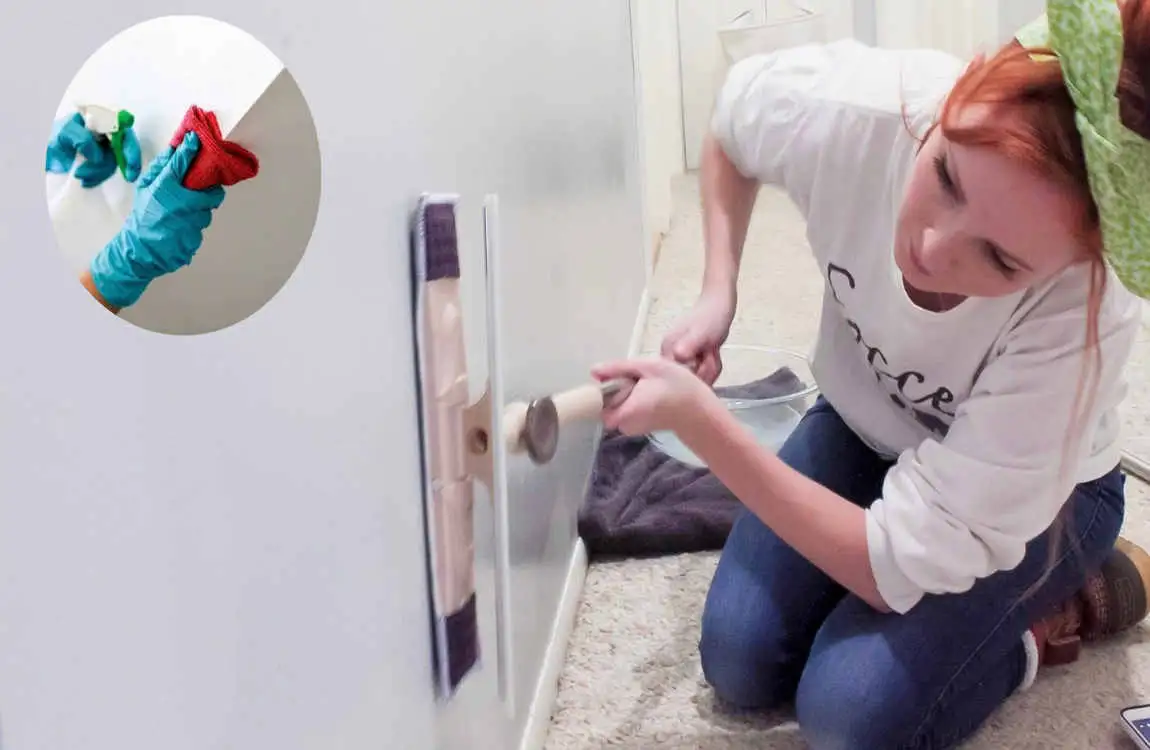
Clean walls can make your home look brighter, fresher, and better maintained. Over time, interior walls collect dust, fingerprints, grease, dirt, and small stains, especially around kitchens, doors, light switches, and busy rooms.
If you are wondering how to clean your home’s interior walls, you usually don’t need expensive products. A microfiber cloth, soft sponge, warm water, and a small amount of mild soap can handle many everyday marks.
How to Clean Interior Walls of House: Getting Started
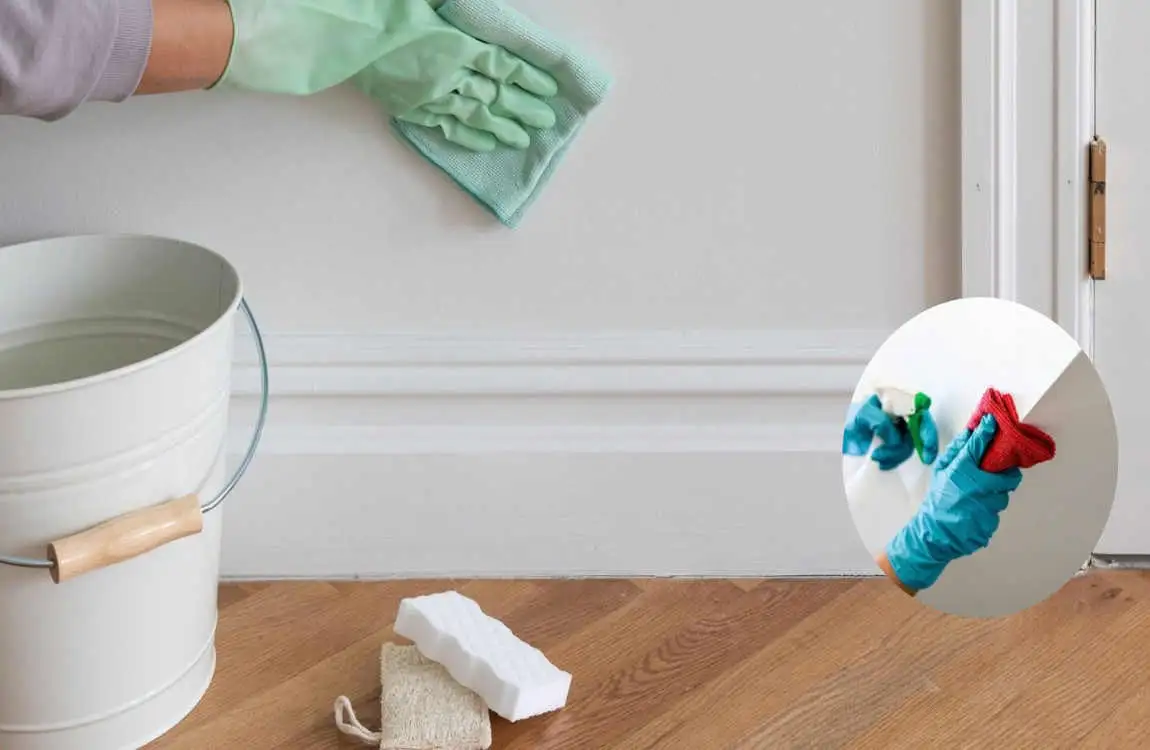
Regular wall cleaning removes dust and surface dirt before it becomes harder to clean. Walls in kitchens and hallways often need more attention because they receive more daily contact.
You do not necessarily need to wash every wall every week. Light dusting every few weeks and spot cleaning when marks appear is usually a practical routine. You can do a more thorough cleaning periodically, depending on your home’s condition.
Before starting, protect furniture and flooring from water. Open a window if possible, and check the wall surface for peeling paint, loose wallpaper, or damage.
Basic Precautions
Never assume that every wall can handle the same cleaner. Paint finishes and wallpaper can react differently to moisture and cleaning products.
If you are unsure, test your cleaning solution on a small hidden area first. Let it dry, then check for discolouration, streaking, or damage.
Tools and Supplies You Need
You can clean most ordinary interior walls with a few basic household supplies.
Essential Cleaning Tools
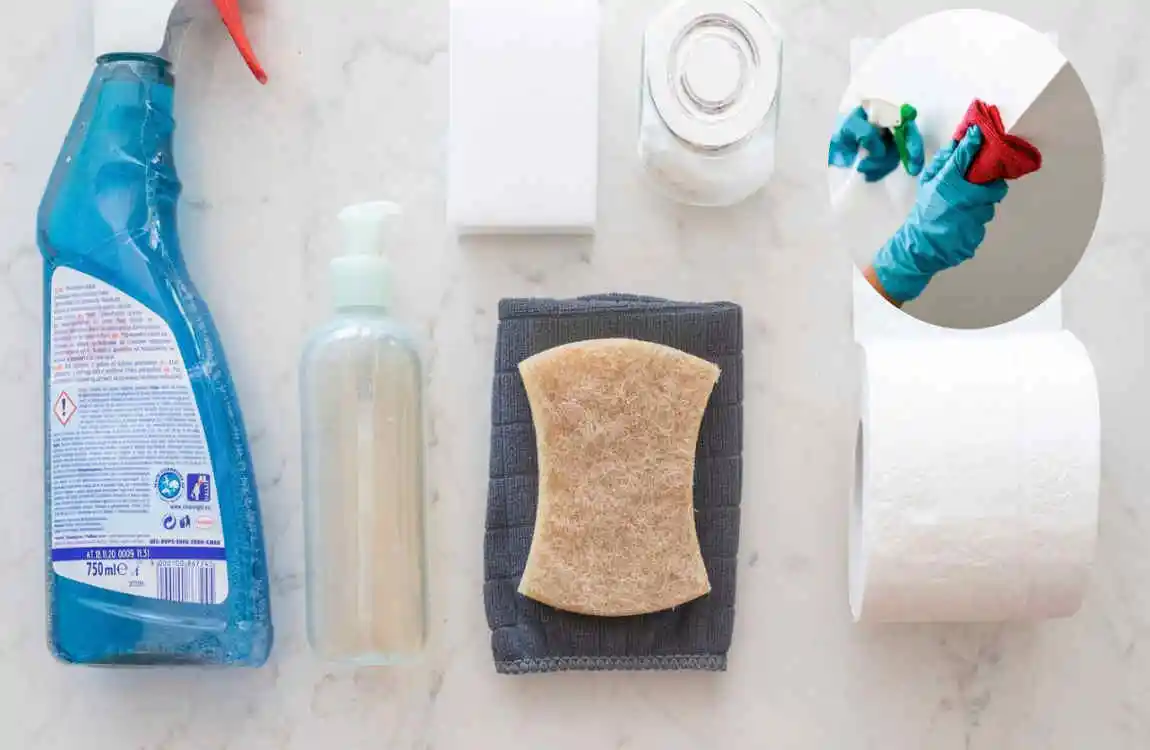
Useful items include:
- Microfiber cloths
- Soft sponge
- Bucket
- Vacuum cleaner with a soft brush attachment
- Mild dish soap
- Warm water
- Clean, dry towels
A microfiber cloth works well for removing loose dust without putting unnecessary pressure on the wall.
Choosing the Right Cleaner
A gentle cleaner is usually the safest place to start. Mix a small amount of mild dish soap with warm water rather than creating a highly concentrated solution.
Avoid strong chemicals unless the wall manufacturer specifically recommends them. Powerful cleaners can affect paint colour, finish, or wallpaper.
Most importantly, test first. A few minutes of testing can prevent damage to a large visible section of your wall.
How to Clean Interior Walls of a House Step by Step
The easiest way to clean walls is to start with dry cleaning, then move to gentle washing.
Remove Dust
Start by removing loose dust.
Use a vacuum cleaner with a soft brush attachment or a clean microfiber cloth. Work around corners, baseboards, doors, windows, and trim.
Don’t use a wet sponge on a dusty wall right away. Moisture can turn loose dust into muddy streaks and make cleaning more difficult.
Prepare a Mild Cleaning Solution
Fill a bucket with warm water and add a small amount of mild soap.
The solution should be lightly soapy, not heavily concentrated.
Dip your sponge into the solution and squeeze it thoroughly. You want the sponge damp, not dripping wet.
Wash the Walls
Start near the top of the wall and work downward.
Clean one small section at a time using gentle circular motions. Avoid pressing too hard, especially on painted surfaces.
Rinse the sponge regularly in clean water. A dirty sponge can move grime from one area to another.
Pay extra attention to areas around doors, switches, hallways, and other high-touch locations.
Dry the Surface
After cleaning, use a clean microfiber cloth to remove excess moisture.
Allow the wall to dry naturally with good ventilation. Avoid leaving painted walls wet for long periods.
If the wall still looks dirty after one gentle cleaning, let it dry before deciding whether another light pass is needed.
How to Clean Different Types of Wall Surfaces
Not every wall should be cleaned in the same way. The surface finish matters.
Painted Walls
Painted walls may have flat, eggshell, satin, or semi-gloss finishes.
Satin and semi-gloss finishes are generally easier to wipe than delicate flat finishes. Flat paint can sometimes show marks or lose its appearance when scrubbed aggressively.
For painted walls, use minimal moisture and gentle pressure.
If you notice paint coming off onto the cloth, stop cleaning that area and investigate the paint condition before continuing.
Wallpapered Walls
Wallpaper requires extra care.
First determine whether the wallpaper is designed to be washable. Some wallpaper can tolerate light wiping, while other types can be damaged by water.
Use a barely damp cloth for surfaces that permit gentle cleaning. Never soak wallpaper unless the manufacturer’s instructions specifically allow it.
Tile and Other Wall Surfaces
Tile walls are generally easier to wash than many painted surfaces.
Use warm water and mild soap for everyday dirt. For bathroom tiles, pay attention to areas where soap residue or moisture buildup occurs.
Grout may require separate cleaning because it can hold dirt more easily than smooth tile.
How to Remove Common Wall Stains
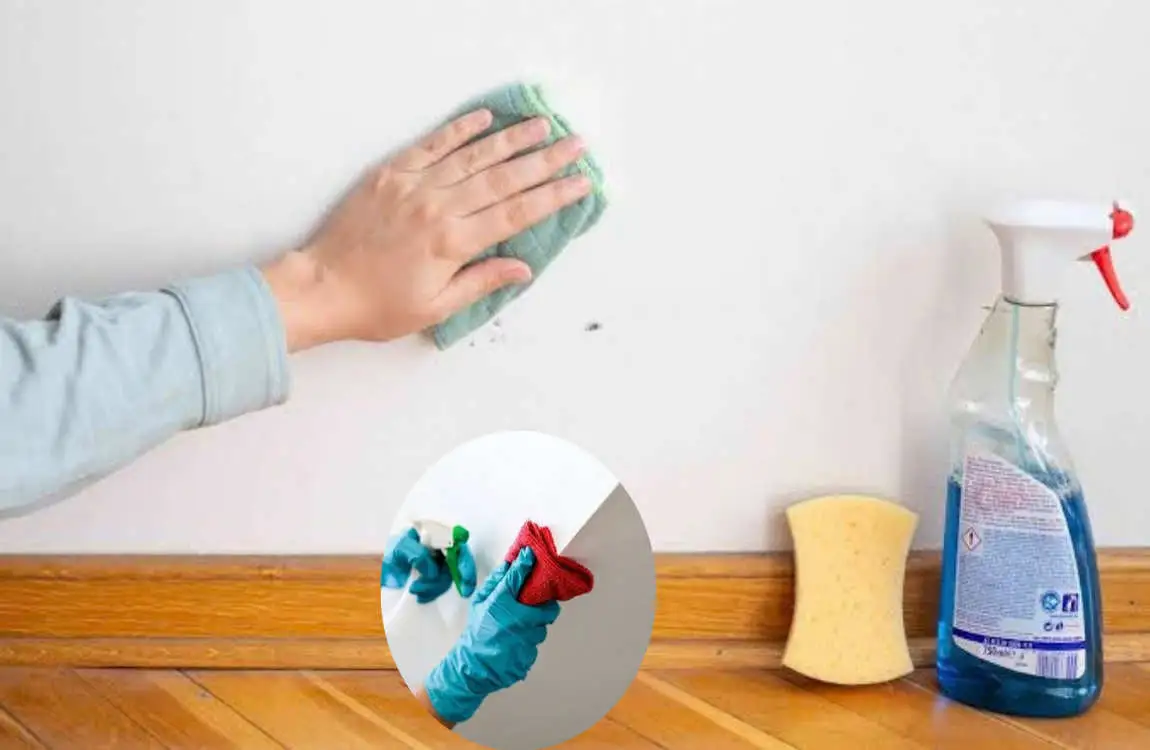
Different marks require different levels of cleaning. Start with the gentlest method and increase the cleaning strength only when necessary.
Grease and Kitchen Marks
Kitchen walls can collect grease and cooking residue.
Use warm water with a small amount of mild dish soap. Apply the solution with a soft sponge and gently wipe the affected area.
Avoid aggressive scrubbing because it can damage some paint finishes.
For stubborn grease, repeat the gentle cleaning process rather than immediately using a harsh chemical.
Fingerprints and Scuff Marks
Fingerprints commonly appear around doors, switches, hallways, and children’s rooms.
A microfiber cloth dampened with a mild cleaning solution can often remove these marks.
Clean gently and avoid putting water directly around electrical switches or outlets.
Crayon and Pencil Marks
Children’s rooms may develop crayon or pencil marks.
Start with a slightly damp microfiber cloth and mild soap. Test the method in an inconspicuous area first.
Do not scrub aggressively. Excessive pressure can remove paint along with the mark.
Mould, Mildew, and Difficult Stains
Mould and mildew require more attention than ordinary dirt.
If you repeatedly find dark spots or musty areas, do not simply paint over them. Look for the moisture source and address the underlying problem.
Large areas of mould, recurring moisture damage, or difficult stains may require professional assessment.
Common Wall-Cleaning Mistakes to Avoid
Wall cleaning seems simple, but a few common mistakes can cause unnecessary damage.
Using Too Much Water
A soaking-wet sponge can leave moisture behind walls, damage wallpaper, or affect some paint finishes.
Use a damp, not dripping-wet, sponge.
Scrubbing Too Hard
Hard scrubbing can create shiny patches, remove paint, or damage delicate finishes.
Use light pressure and give the cleaner time to loosen surface dirt.
Using Strong Chemicals Without Testing
A strong cleaner may remove a stain but also damage the wall.
Always start with a mild solution and test any new product before applying it broadly.
Ignoring Manufacturer Instructions
Paint and wallpaper manufacturers may provide specific cleaning recommendations.
If those instructions are available, follow them instead of relying on a generic cleaning method.
Cleaning Without Removing Dust
Washing a dusty wall first can create streaks and muddy residue.
Dust first, wash second, then dry.
Forgetting to Dry Walls
Leaving moisture on walls for too long can create problems, especially in areas with poor ventilation.
After washing, remove excess water and allow the surface to dry.
How to Keep Interior Walls Clean for Longer
Once your walls are clean, a simple routine can help them stay that way.
Create a Simple Cleaning Routine
You do not need to deep-clean your walls constantly.
Lightly dust them every few weeks and spot-clean visible marks as soon as you notice them. Then focus deeper cleaning on high-traffic areas.
High-touch areas such as hallways, around doors, and near light switches may need more frequent attention.
Protect Walls From New Stains
Small habits can make wall maintenance easier.
Use washable paint finishes in high-contact areas, when appropriate. Keep kitchen surfaces free of excessive grease, and address water leaks or dampness quickly.
Furniture can also rub against walls and create marks. Leaving a small gap between furniture and the wall can reduce unnecessary scuffing.
FAQ
What is the best way to clean interior walls of a house?
Start by removing dust with a microfiber cloth or soft vacuum brush. Then use warm water and a small amount of mild soap with a soft, well-squeezed sponge. Work gently in small sections, then dry the surface.
Can I use dish soap to clean painted walls?
Yes, a small amount of mild dish soap diluted in warm water can work for many washable painted surfaces. Always test it in an inconspicuous area first.
How often should interior walls be cleaned?
There is no universal schedule. Light dusting every few weeks and spot cleaning when marks appear is a practical approach. You can do deeper cleaning periodically based on the home’s condition.
Can you clean walls without damaging the paint?
Yes. Use minimal moisture, mild cleaning products, a soft cloth or sponge, and gentle pressure. Avoid aggressive scrubbing and test unfamiliar cleaners first.
What removes fingerprints from painted walls?
A microfiber cloth with a small amount of mild soap diluted in warm water can remove many fingerprints. Use gentle movements, particularly on flat or delicate paint.
How do you clean greasy kitchen walls?
Use warm water and a small amount of mild dish soap. Apply it with a soft sponge and gently wipe the greasy area. Repeat if necessary rather than immediately using a strong chemical.
Should walls be rinsed after cleaning?
If you use only a very mild, diluted soap solution, a light wipe with a clean, damp cloth can remove remaining residue. Avoid soaking the wall during rinsing.
What should you avoid when cleaning interior walls?
Avoid excessive water, harsh chemicals, abrasive tools, and aggressive scrubbing. Also avoid cleaning without checking whether the particular paint or wallpaper is washable.
| Cleaning Step | What to Do | Helpful Tip |
|---|---|---|
| Remove Dust | Use a soft microfiber cloth or vacuum brush. | Start from the top and work downward. |
| Prepare Cleaner | Mix warm water with a small amount of mild dish soap. | Avoid harsh chemicals on painted walls. |
| Test First | Try the solution on a hidden area. | Check for color changes or damage. |
| Clean the Wall | Gently wipe with a damp sponge or cloth. | Do not soak the wall. |
| Remove Stains | Gently rub marks with diluted mild cleaner. | Avoid aggressive scrubbing. |
| Rinse | Wipe with a clean, slightly damp cloth. | Remove leftover soap residue. |
