
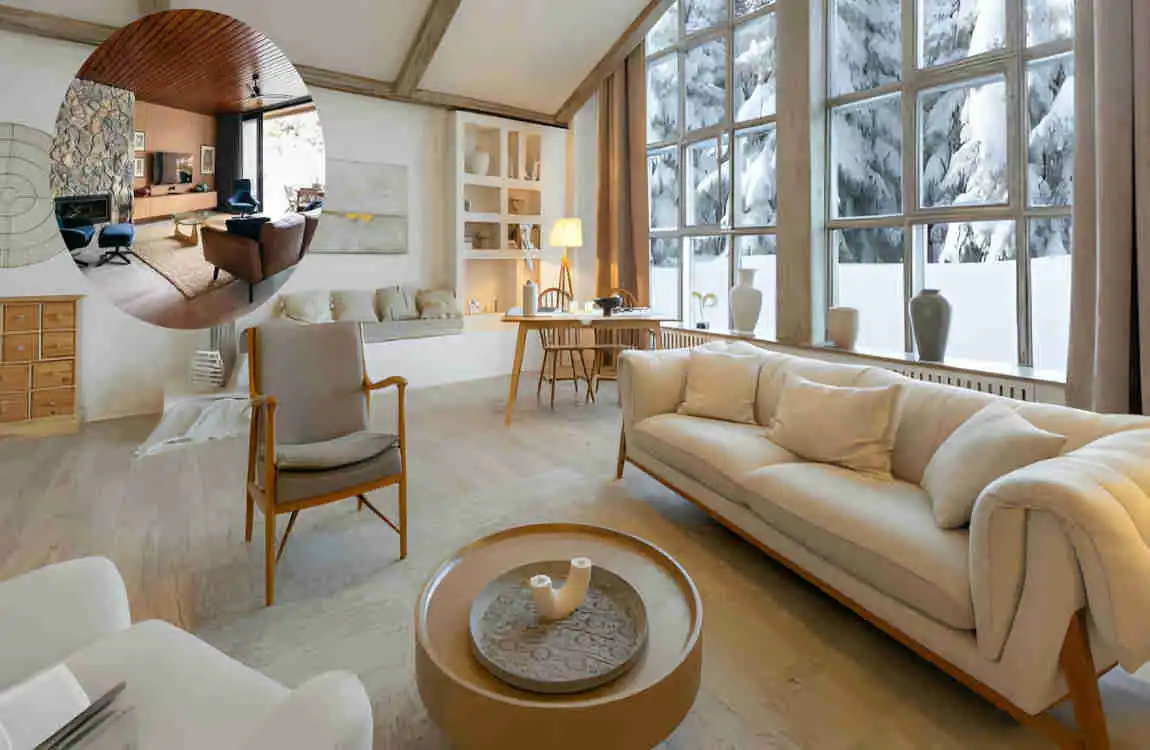
Choosing an interior design style can completely change how your home looks and feels. The right design can make a room more comfortable, practical, attractive, and welcoming. However, choosing a style is not simply about following the latest trend.
If you are wondering how to choose the right interior design, start by thinking about your lifestyle, available space, budget, and personal taste. A beautiful home should also work well for the people who live in it.
The best interior design combines function, comfort, personality, and style without making your home feel crowded or hard to maintain.
Understand Your Home and Lifestyle
Before selecting furniture, colors, or decorations, take some time to understand your home. Every property has different features, and your design should work with them.
Assess Your Space
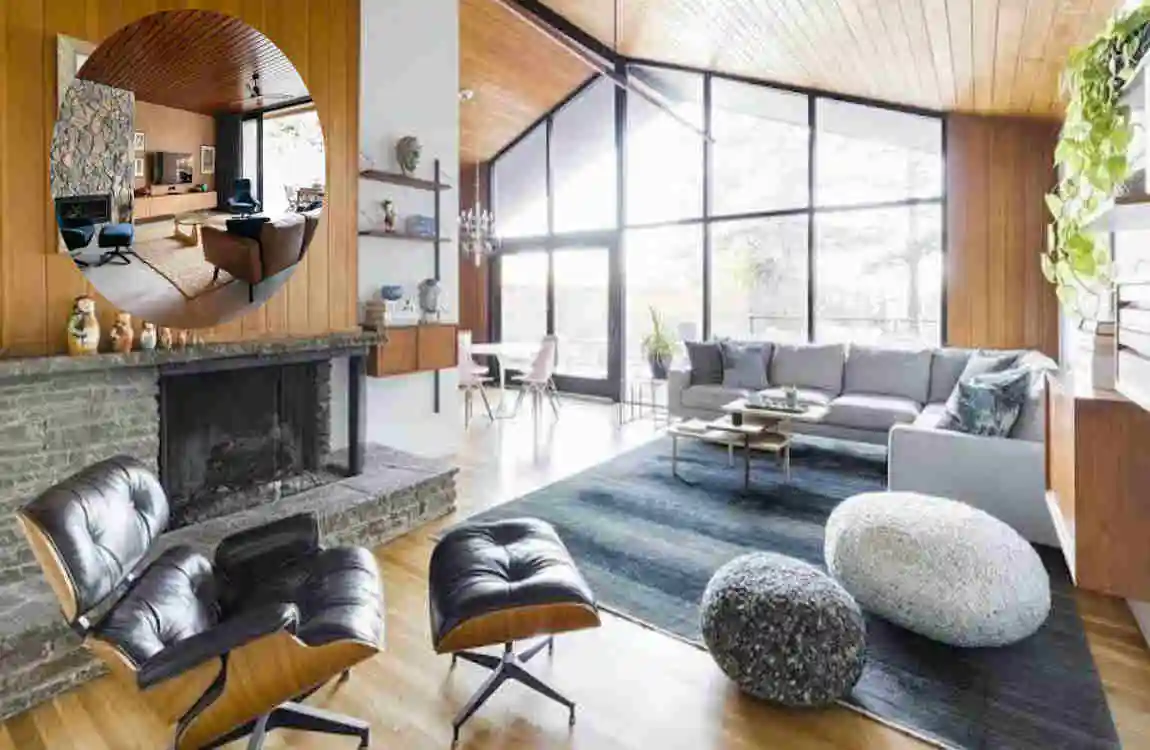
Look carefully at the size and layout of each room. Consider the floor area, ceiling height, windows, doors, natural light, and existing architectural features.
A small room may benefit from lighter colors and compact furniture. In contrast, a large room can usually handle bigger furniture and stronger design elements.
Do not ignore unusual features. Columns, fireplaces, built-in cabinets, large windows, and exposed beams can become attractive parts of your design rather than problems to hide.
Think About Your Daily Routine
Your lifestyle should strongly influence your interior choices.
For example, a family with children may need durable flooring and easy-to-clean fabrics. A pet owner may prefer materials that resist scratches and stains. Someone working from home may need a quiet and comfortable workspace.
Think about how you actually use your rooms, not how you want them to look in photographs.
Identify Your Priorities
Decide what matters most to you. Your priorities may include:
- Comfort and relaxation
- Practicality and storage
- Appearance and style
- Easy maintenance
- Durability
- Future resale value
Once your priorities are clear, design decisions become much easier.
Explore Different Interior Design Styles
No single interior style works for every home. Explore several options before deciding which one feels right for you.
Modern Interior Design
Modern design usually features clean lines, simple furniture, open spaces, and limited decoration. Neutral colors are common, although small amounts of bold color can add interest.
This style works well for homeowners who prefer an uncluttered and organized environment.
Contemporary and Minimalist Styles
Contemporary interiors often use current design ideas, simple shapes, neutral colors, and practical furniture.
Minimalist design takes simplicity even further. It focuses on keeping only useful or meaningful items.
If you dislike clutter and prefer calm spaces, either style may suit you.
Traditional and Classic Styles
Traditional interiors usually feel warm, comfortable, and timeless. Detailed furniture, classic patterns, wood finishes, and warm colors are common.
This approach works especially well when you want your home to feel elegant and welcoming rather than highly modern.
Other Popular Styles
You can also explore Scandinavian, Japandi, industrial, farmhouse, bohemian, and coastal interiors.
The key is to choose a style that feels natural. You do not need to copy an entire room from a magazine. Instead, select ideas that fit your home and personality.
Choose the Right Colors, Materials, and Furniture
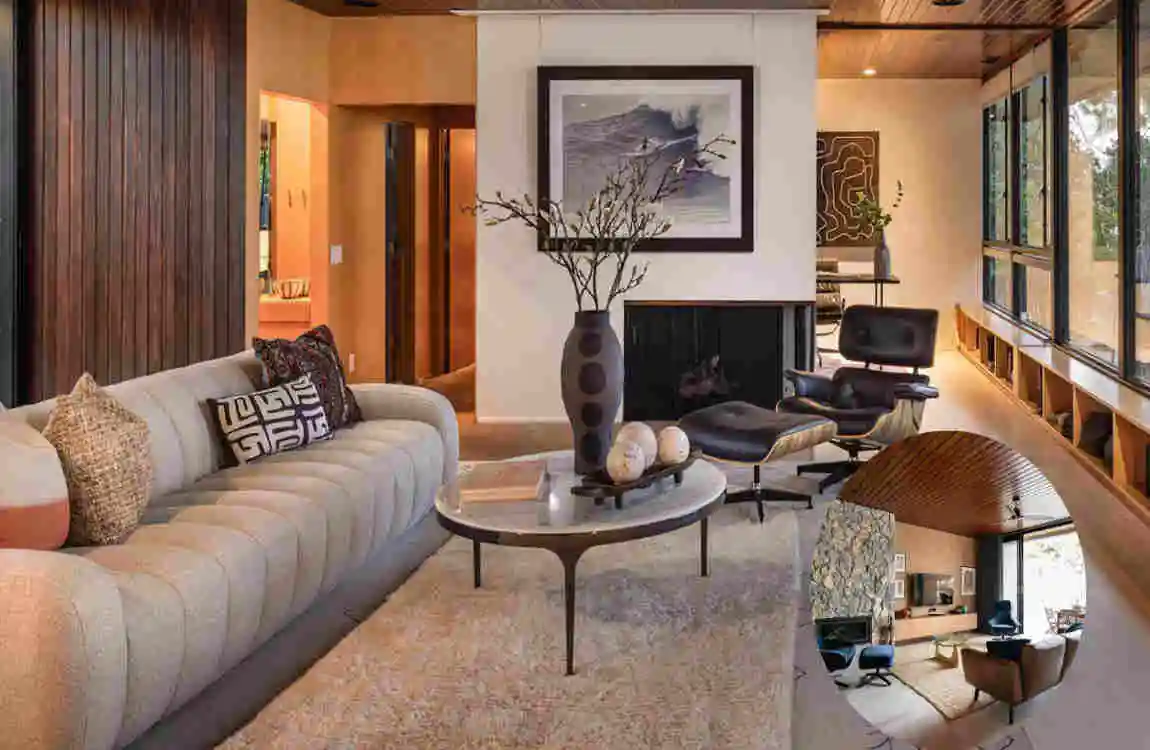
Once you understand your preferred style, focus on the basic elements that create the room’s appearance.
Select a Suitable Color Palette
Colors can influence a room’s mood and perceived size. Light shades can make smaller rooms feel more open, while darker colors can create a cozy atmosphere.
Consider how much natural light enters the room before choosing Paint. A color that looks attractive in a store may appear very different under your home’s lighting.
Try paint samples before covering an entire wall.
Pick Practical Materials
Materials should look good but also match your lifestyle.
For busy homes, choose durable flooring, washable fabrics, practical countertops, and easy-to-maintain finishes.
Wood can add warmth, metal can create a modern appearance, and natural stone can provide a more luxurious feel.
Think about maintenance before choosing expensive materials.
Choose Furniture for Comfort and Scale
Furniture should fit the room properly. Oversized sofas can make small rooms feel cramped, while very small furniture may look lost in a large space.
Measure your room and furniture carefully before buying.
Most importantly, choose pieces that are comfortable and useful, not simply attractive.
Balance Functionality, Comfort, and Style
A successful interior design should look beautiful while making everyday life easier.
Create a Functional Layout
Start with the room’s main purpose. Arrange furniture around that purpose and keep walking paths clear.
For example, a living room should provide comfortable seating and easy movement. A bedroom should offer relaxation and sufficient storage.
Avoid placing furniture where it blocks doors, windows, or natural movement.
Improve Lighting
Good lighting can dramatically improve an interior.
Try to combine different types of lighting, including natural light, ambient lighting, task lighting, and accent lighting.
Use task lighting where you read, cook, study, or work. Accent lighting can highlight artwork, architectural features, or decorative objects.
Add Smart Storage
Storage helps keep your home organized and attractive.
Built-in cabinets, shelves, storage benches, multifunctional furniture, and hidden storage can make a major difference, especially in smaller homes.
A well-designed room usually feels better when everyday items have a proper place.
Avoid Over-Decorating
Adding too many accessories can make even a large room feel crowded.
Leave some open space between furniture and decorations. A few carefully selected pieces can often create more impact than dozens of small items.
Consider Your Budget and Long-Term Needs
Interior design does not have to be expensive to look attractive. Good planning can help you achieve a beautiful result without unnecessary spending.
Set an Interior Design Budget
Before shopping, decide how much you can comfortably spend.
A simple budget can include:
CategoryWhat to Consider
Furniture Sofas, beds, tables, chairs
Flooring Material, installation, repairs
Lighting Fixtures and installation
Décor Rugs, curtains, artwork, accessories
Materials Paint, wood, countertops, finishes
Labor Designers, installers, contractors
Having a budget helps prevent expensive impulse purchases.
Spend More on Important Items
You do not need the most expensive option for everything. Instead, spend more on items you use often.
Quality seating, flooring, lighting, mattresses, and important fixtures can be worthwhile investments.
You can save money on decorative accessories that are easier to replace later.
Plan for the Future
Think about how your needs may change.
A home designed for a young couple may need adjustments when children arrive. Similarly, a home office may become more important as work habits change.
Choose flexible furniture and timeless foundational materials whenever possible.
Personalize Your Interior Design
Your home should reflect the people who live there. Personal touches can make even a simple interior feel special.
Reflect Your Personality
Use artwork, photographs, books, plants, colors, textures, and accessories that you genuinely enjoy.
Do not design your home only to impress visitors. You should feel comfortable living in the space every day.
Mix Trends With Timeless Elements
Trends can make an interior feel fresh, but they can also become outdated quickly.
A smart approach is to keep major elements such as flooring, cabinets, and large furniture relatively timeless. Use smaller accessories to introduce current trends.
This makes future updates easier and less expensive.
Maintain a Consistent Look
Each room can have its own personality, but the home should still feel connected.
You can create consistency by repeating complementary colors, wood tones, materials, or design details throughout the house.
This creates a smoother visual transition from one room to another.
Know When to Hire an Interior Designer
Professional help can be useful when you are renovating several rooms, working with a complicated layout, or struggling to coordinate materials and colors.
An interior designer can help with space planning, furniture selection, lighting, materials, and overall design direction.
For smaller projects, careful research and planning may be enough.
How to Choose the Right Interior Design
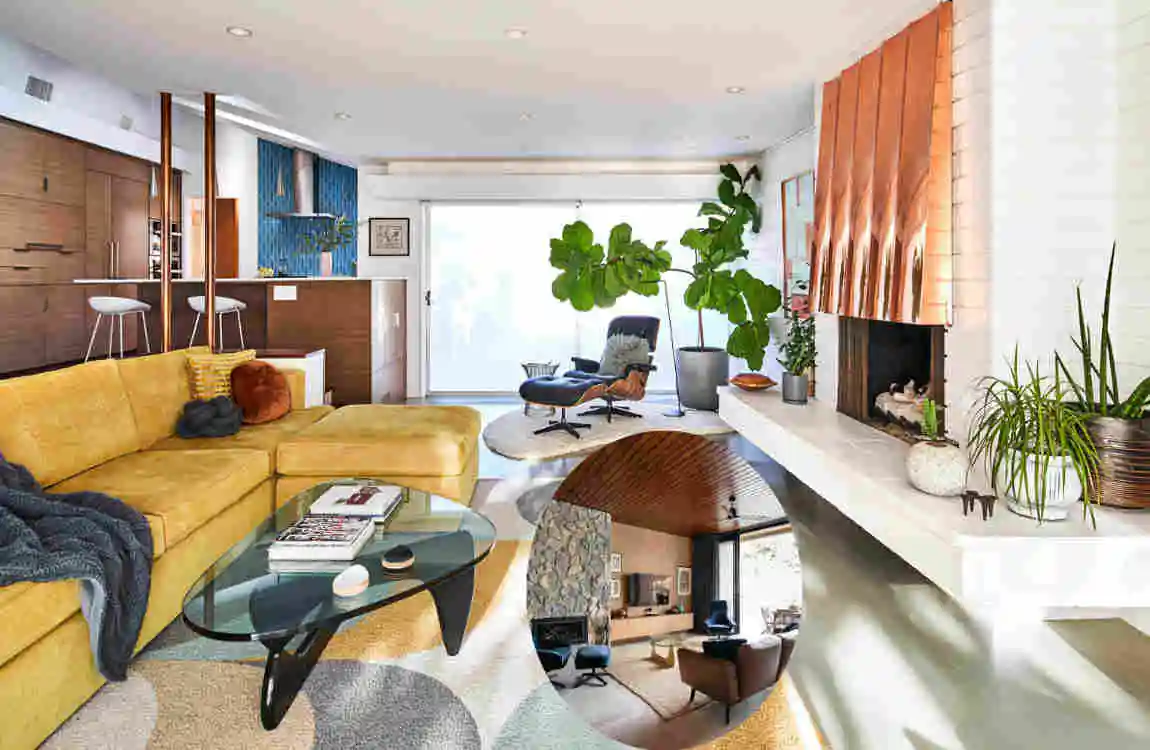
The easiest way to choose the right interior design is to create a simple plan before buying anything.
Create a Simple Design Plan
Write down your:
- Lifestyle and household needs
- Preferred interior style
- Favorite colors
- Required furniture
- Storage needs
- Budget
- Long-term goals
This simple list can keep your project focused.
Use a Mood Board
A mood board allows you to collect ideas before making purchases.
Include examples of furniture, wall colors, flooring, lighting, fabrics, and decorative items. Looking at everything together helps you see whether the elements work well as a group.
Test Before You Commit
Always check measurements and samples when possible.
Test paint colors in different lighting conditions. Look at flooring samples in the actual room and measure furniture before ordering.
Small checks can prevent expensive mistakes.
Common Mistakes to Avoid
Some common interior design mistakes include:
- Following trends without considering your lifestyle
- Ignoring room measurements
- Choosing appearance over comfort
- Using poor lighting
- Buying too much furniture
- Forgetting storage
- Choosing materials that are difficult to maintain
Avoiding these mistakes can make your design more practical and long-lasting.
FAQ
What is the best way to choose an interior design style?
The best approach is to consider your lifestyle, home architecture, personal taste, and budget. Look at several styles and identify the colors, furniture shapes, and materials you naturally prefer.
How do I know which interior design style suits me?
Create a mood board and collect rooms you like. Look for repeated patterns in your choices. You may discover that you naturally prefer modern, traditional, Scandinavian, Japandi, farmhouse, or another style.
What should I consider before choosing an interior design?
Consider room size, function, budget, lighting, maintenance, household needs, and plans. These factors can help you choose a design that looks good and works well.
Can I mix different interior design styles?
Yes. Mixing complementary styles can create a unique interior. The key is to maintain balance through colors, materials, furniture shapes, or repeating design details.
How much does interior design cost?
Costs vary depending on room size, materials, furniture, location, renovation work, and professional fees. Setting a budget before starting can help control expenses.
Should every room have the same interior design style?
Not necessarily. Each room can have its own character. However, using related colors, materials, or design elements can help the entire home feel connected.
| Factor | What to Consider | Quick Tip |
|---|---|---|
| Home Size | Room dimensions and layout | Choose simple designs for small spaces |
| Personal Style | Modern, traditional, minimalist, rustic, etc. | Pick a style that reflects your personality |
| Color Scheme | Wall, furniture, and décor colors | Use 2–3 main colors for balance |
| Furniture | Size, comfort, and functionality | Select pieces that fit the room properly |
| Lighting | Natural and artificial lighting | Combine ceiling, task, and accent lights |
| Materials | Wood, stone, glass, metal, fabrics | Choose durable materials for busy areas |
| Budget | Furniture, finishes, décor, and labor | Set a budget before starting |
| Functionality | How each room will be used | Prioritize comfort and practical storage |
| Storage | Cabinets, shelves, and hidden storage | Use built-in storage to save space |
