
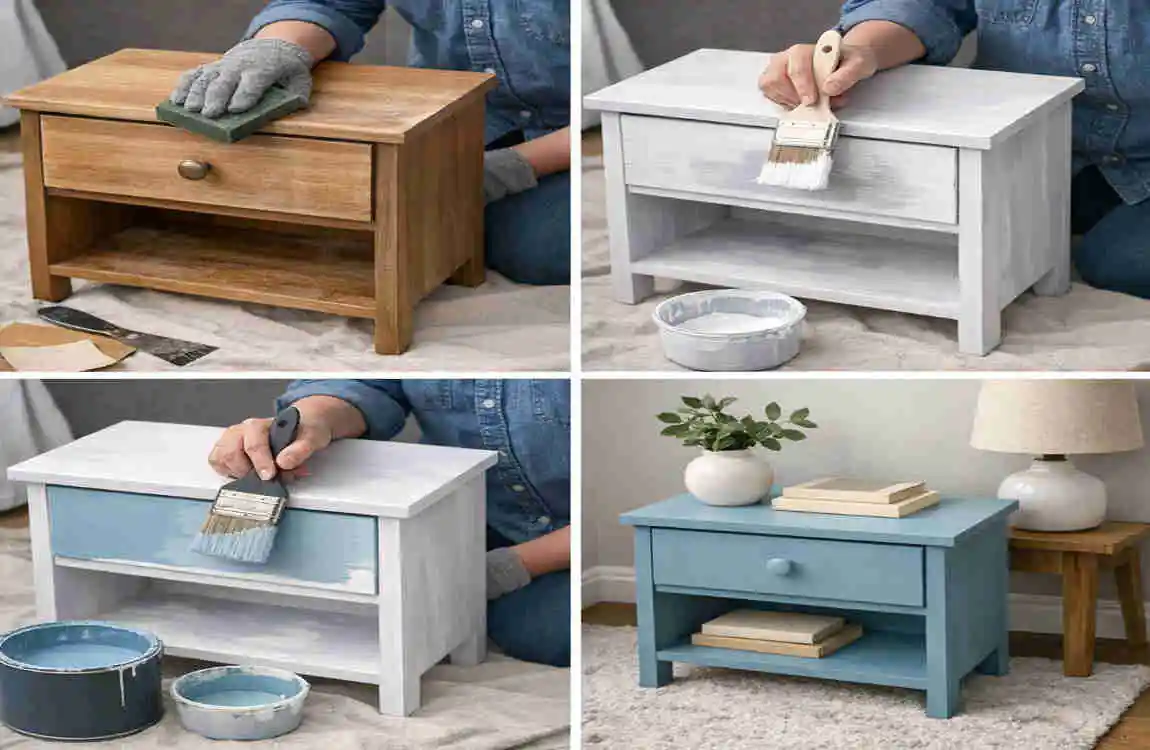
Yes, you can use interior flat paint on furniture, but it is not always the best choice for every piece.
Flat paint has a soft, low-shine look that works well on walls, and many people like it because it feels calm, modern, and easy to match with home decor. On furniture, it can look beautiful too, especially on pieces that do not get heavy daily use.
Still, furniture is touched, cleaned, moved, and used much more than a wall. That means prep work and protection matter a lot. If you want the finish to last, you need to clean the piece thoroughly, sand it as needed, and apply a protective topcoat regularly.
What Is Interior Flat Paint?
Understanding flat paint
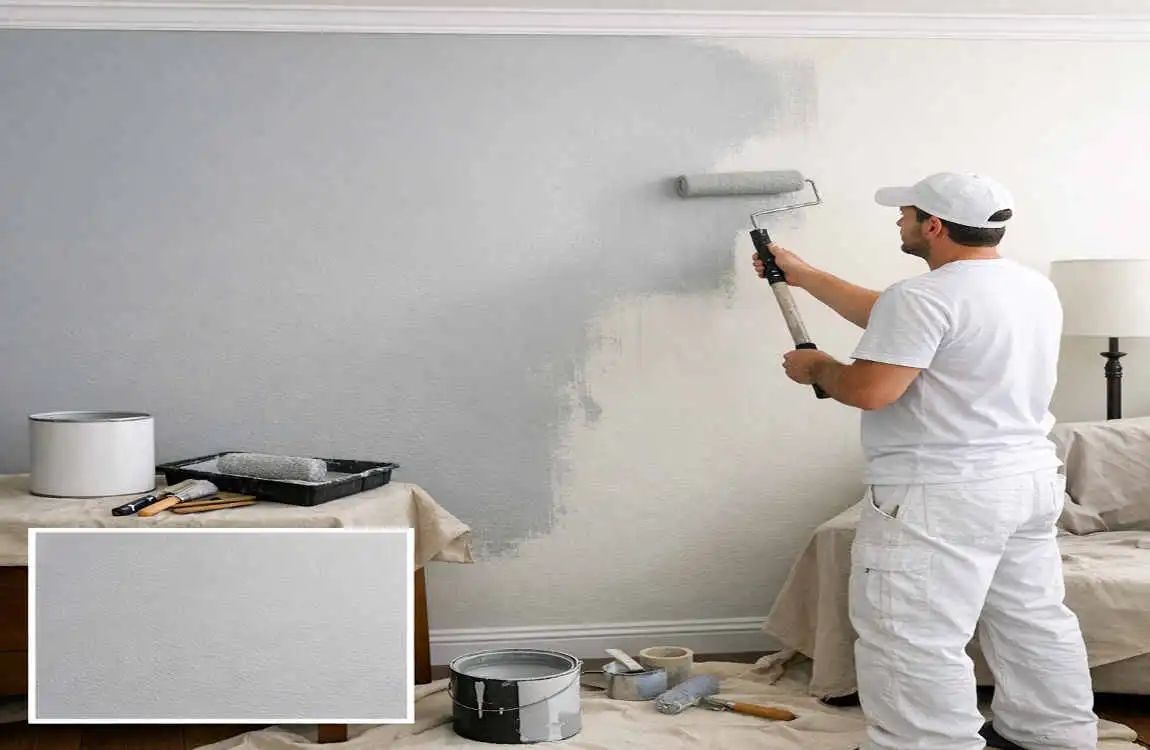
Interior flat paint is a finish with very little shine. It gives a soft, matte look that feels smooth and subtle. Unlike glossy finishes, it does not reflect much light, so it hides small flaws better.
Compared with other finishes:
- Eggshell has a little more sheen
- Satin has a smoother, slightly richer look
- Semi-gloss is shinier and easier to clean
Flat paint sits at the low-shine end of the scale.
Why people choose flat paint for furniture
Many homeowners like flat paint because it looks clean, calm, and modern. It can also help disguise dents, old brush marks, or small imperfections on older furniture.
It is also widely available and often affordable, which makes it attractive for simple DIY projects.
Is flat paint durable enough?
This is where you need to be careful. Flat paint is usually less resistant to scratches, stains, and repeated cleaning than satin or semi-gloss finishes.
That does not mean it cannot be used. It simply means it works better on decorative or lightly used furniture, not on pieces that face constant wear.
Can I Use Interior Flat Paint on Furniture?
When flat paint is a good choice
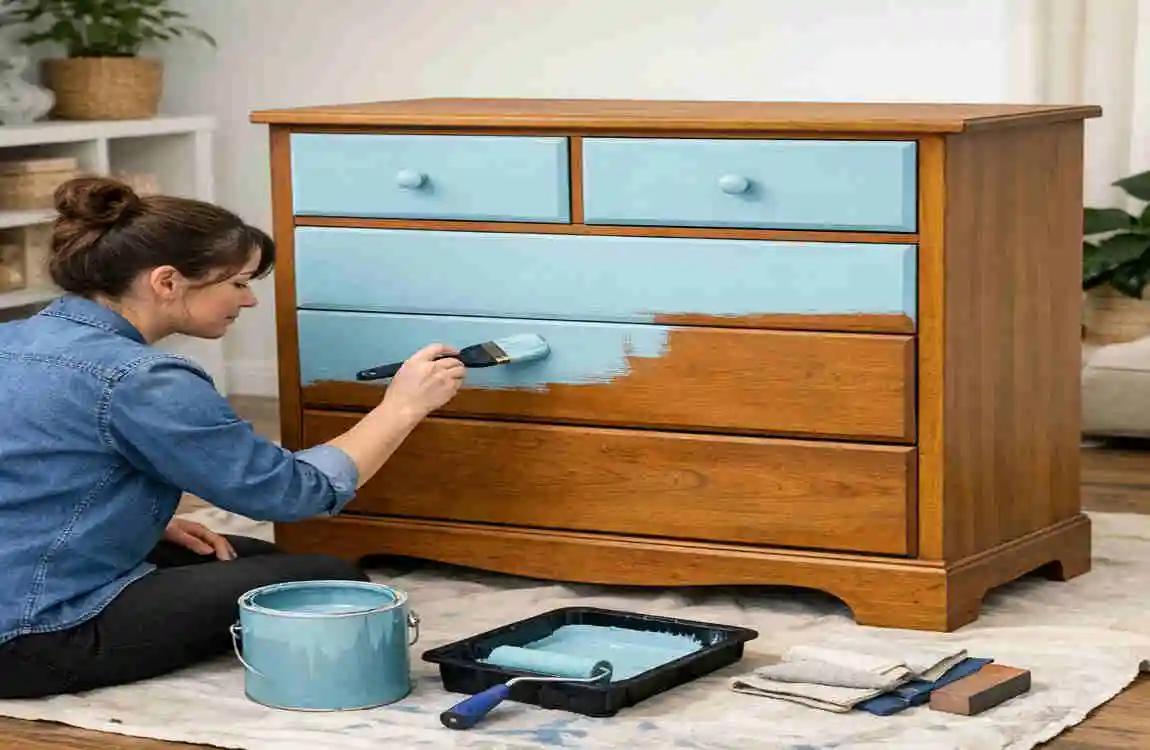
Flat paint can work nicely on furniture that does not get heavy use. Good examples include:
- Decorative side tables
- Bookshelves
- Accent cabinets
- Low-traffic furniture
- Furniture in guest rooms or display areas
If the piece is mostly for style, flat paint can give it a soft and elegant finish.
When you should choose another paint
Flat paint is usually not the best choice for furniture that is frequently touched or cleaned.
You may want a stronger finish for:
- Dining tables
- Kitchen cabinets
- Children’s furniture
- Chairs used every day
- Bathroom furniture
- Pieces exposed to moisture
For those items, a more durable finish, such as satin, semi-gloss, or a furniture-specific coating, usually performs better.
Pros and cons of using flat paint
Feature: Flat Paint on Furniture
Appearance Soft, smooth, modern look
Cost Often affordable
Ease of application Fairly easy to apply
Durability Lower than satin or semi-gloss
Cleaning More difficult to clean well
Best use Decorative or lightly used furniture
Flat paint has a lot of visual appeal, but it is not the toughest option.
How to Prepare Furniture Before Painting
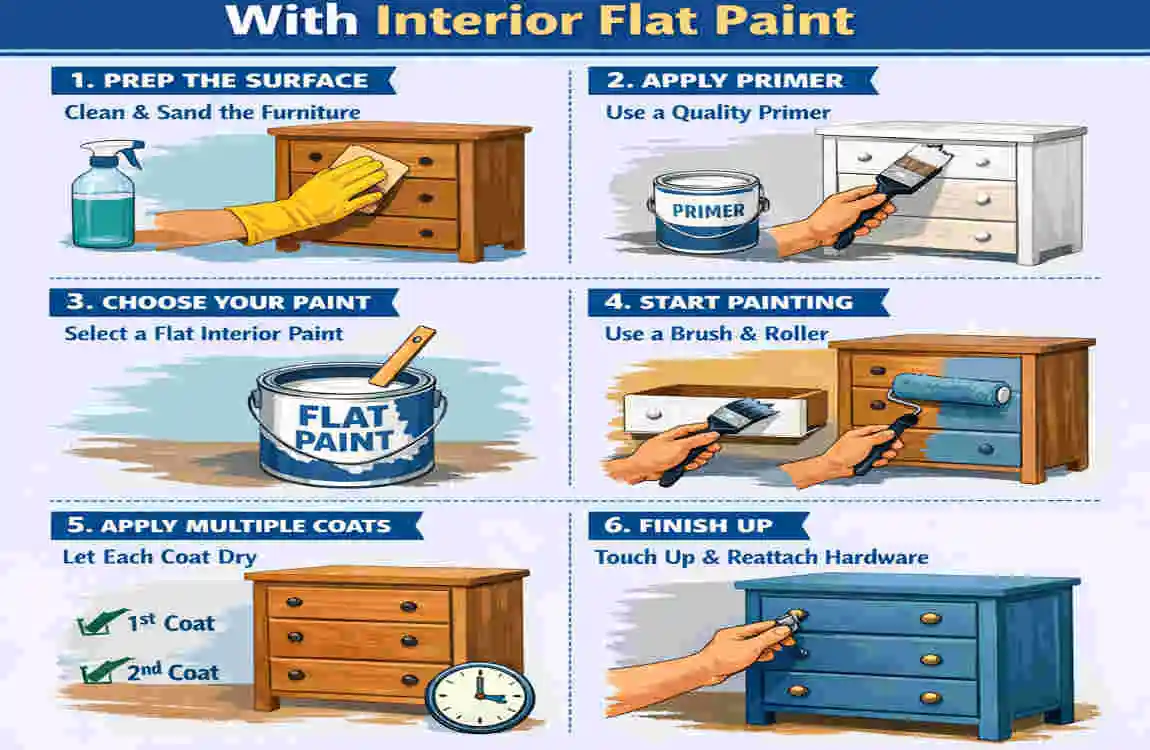
Clean the furniture
Before painting, clean the furniture carefully. Dust, grease, wax, and old residue can prevent paint from adhering properly.
Use a gentle cleaner, then wipe the piece dry. Make sure the surface is completely clean before moving on.
Sand the surface
Light sanding helps paint grip better. This is especially useful if the furniture already has a shiny finish.
You do not always need heavy sanding, but a light scuff can make a big difference. After sanding, remove all dust before painting.
Repair imperfections
If the furniture has cracks, dents, or holes, fill them first. Then smooth the repaired areas so they blend into the surface.
This is important because flat paint may hide some flaws, but it will not fix serious damage.
Apply primer
Primer can help paint stick better and cover more evenly. It is especially useful on:
- Bare wood
- Stained wood
- Previously finished furniture
- Dark surfaces
- Patched areas
Primer also helps give a more even final look.
How to Paint Furniture With Interior Flat Paint
Gather your materials
Before you begin, make sure you have everything ready:
- Interior flat paint
- Primer
- Sandpaper
- Paintbrush or small roller
- Drop cloth
- Cleaning supplies
- Protective topcoat
Having the right tools makes the job smoother and cleaner.
Apply thin, even coats.
Do not try to cover everything in one thick coat. That often leads to drips, brush marks, and uneven drying.
Instead, use several thin coats. Let each coat dry fully before adding the next one. If needed, lightly sand between coats for a smoother finish.
Avoid common painting mistakes.
A few mistakes can ruin the result quickly:
- Painting over dust or grease
- Skipping prep work
- Using too much paint at once
- Handling the piece before it cures
- Using the wrong brush or roller
Take your time. A slow, careful approach usually gives the best finish.
How to Protect Flat-Painted Furniture
Use a protective topcoat.
Flat paint is not as strong on its own so a clear protective finish can help a lot. This can improve durability and make cleaning easier.
Common options include:
- Water-based polyurethane
- Furniture wax
- Other clear protective coatings
Just remember that the topcoat may slightly change the final look of the flat paint.
Allow proper curing time.
Dry to the touch is not the same as fully cured. A piece may feel dry after a few hours, but it can still be soft underneath.
Follow the product directions and allow it to sit for enough time before using the furniture normally.
Cleaning and maintenance
Once painted, treat the piece gently.
- Use soft cloths
- Avoid harsh chemicals
- Do not scrub aggressively
- Wipe spills quickly
- Touch up scratches when needed
A little care helps the finish last longer.
FAQ About Using Interior Flat Paint on Furniture
Can I use interior flat paint on furniture without primer?
Sometimes, but primer is usually recommended. It helps the paint stick better and gives a more even finish, especially on bare or glossy surfaces.
Is flat paint good for wooden furniture?
Yes, for decorative or lightly used wooden furniture. It is less ideal for heavy-use pieces.
Will interior flat paint stick to furniture?
Yes, if the surface is properly cleaned, sanded, and primed. Good prep makes a big difference.
Can I use flat paint on kitchen cabinets?
You can, but it is usually not the best option. Cabinets need a stronger, easier-to-clean finish.
How do I make flat paint more durable on furniture?
Use proper prep, apply thin coats, and add a protective topcoat.
Should I use a brush or roller for flat paint on furniture?
Both can work. A brush is useful for detail work, while a small roller can help create a smoother finish on flat areas.
Can I paint furniture without sanding?
Sometimes minimal sanding is possible, especially with some specialty primers. But surface prep is still very important.
How many coats of flat paint should furniture have?
Usually more than one. Thin, even coats often give the best finish, but the exact number depends on the surface and paint color.
| Topic | Quick Information |
|---|---|
| Can you use interior flat paint on furniture? | Yes, but it may not be as durable as furniture or cabinet paint. |
| Best furniture surfaces | Works best on lightly used pieces such as decorative tables, shelves, and dressers. |
| Preparation | Clean, sand, and remove dust before painting for better adhesion. |
| Primer | Recommended for glossy, stained, or dark surfaces. |
| Application | Apply thin, even coats with a brush or roller and allow each coat to dry. |
| Protection | Add a clear protective topcoat for furniture that gets frequent use. |
