
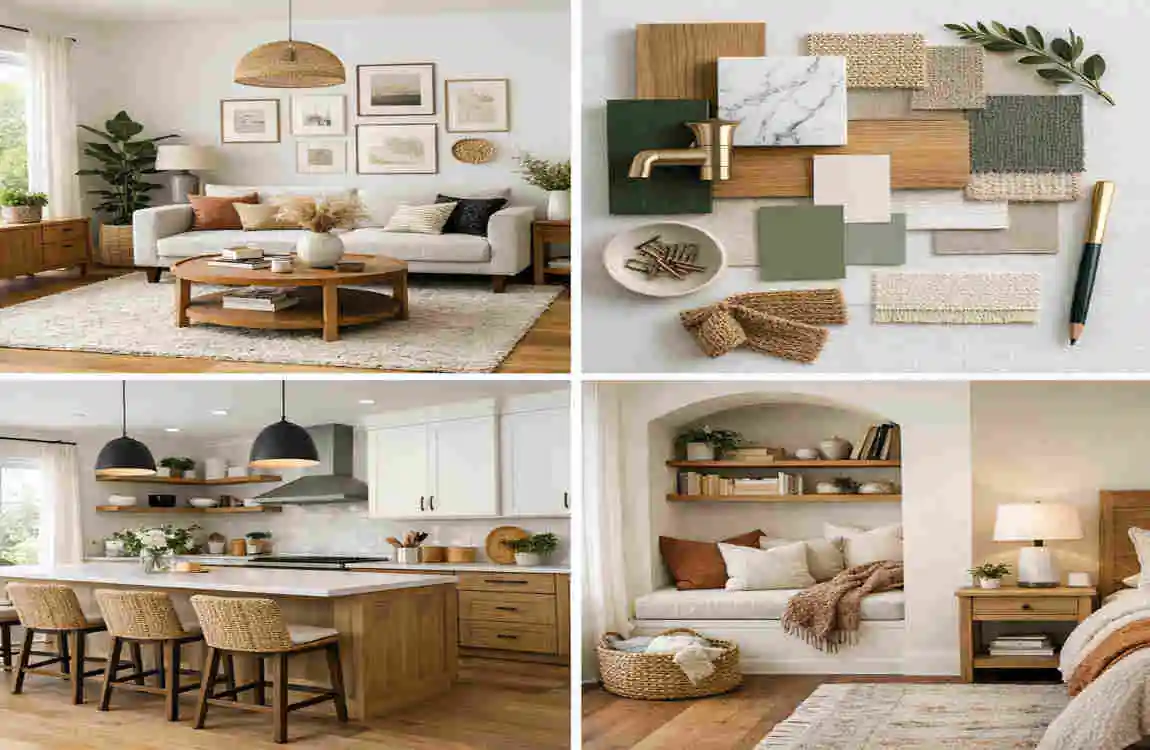
Interior design is the art of making indoor spaces look good and work well. It is not just about picking pretty colors or buying stylish furniture. It is about creating a home that feels comfortable, practical, and beautiful.
Good design brings together function, comfort, style, colors, furniture, lighting, and space planning. When these parts work together, a home feels more organized and easier to live in.
That is why people often ask how interior design works in a home. The answer is simple: it starts with the needs of the people living there, then turns those needs into a space that looks and feels right.
How Interior Design Works for a Home
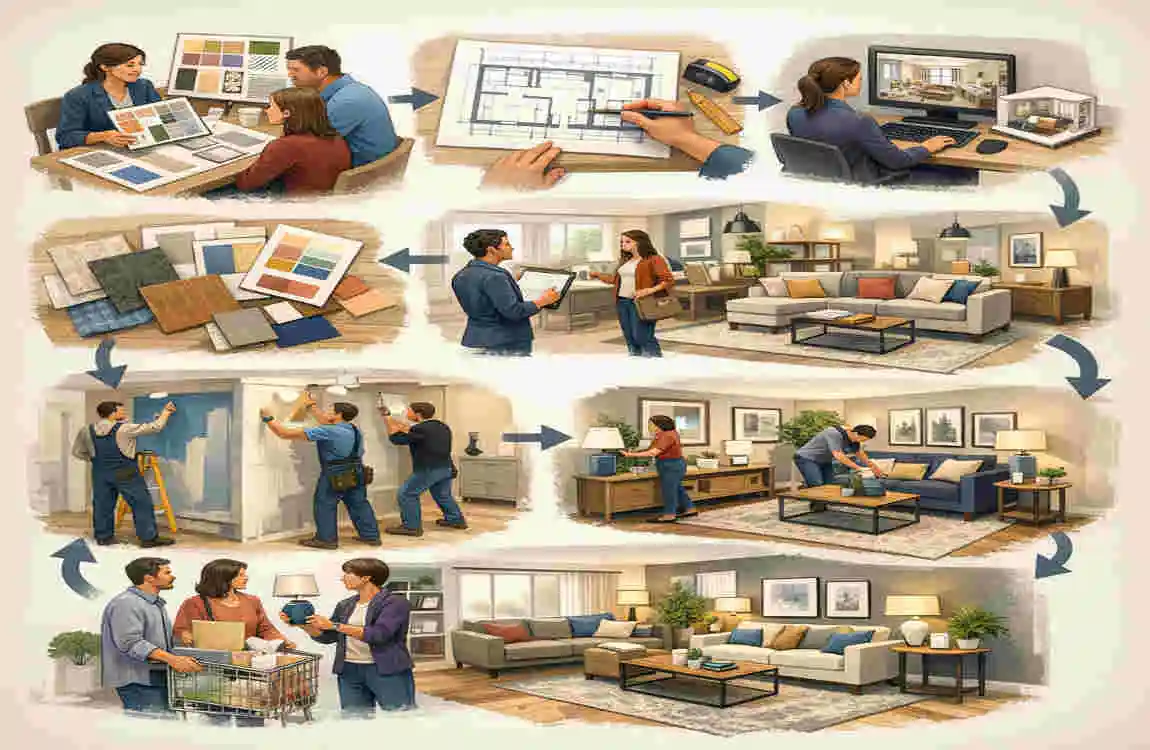
Understanding the Homeowner’s Needs
Every home should begin with the people who live in it.
A designer first looks at your daily routines, family size, storage needs, and personal taste. A busy family may need durable furniture and more storage. A single person may want a cleaner, simpler look. Your lifestyle shapes every design choice.
Planning the Space
Space planning is one of the most important parts of interior design.
This means measuring rooms, placing furniture properly, and making sure people can move around easily. A good layout avoids crowding and helps each room feel open and useful.
It also means choosing furniture that fits the room size. A large sofa in a small living room can make the space feel tight. A smaller, well-placed sofa can make it feel balanced.
Creating a Design Concept
A design concept is the overall look of the home.
It may be modern, traditional, minimalist, or contemporary. The goal is to keep the style consistent from room to room so the house feels connected.
You do not need to follow one style strictly. You can mix ideas, but they should still feel natural together.
Balancing Beauty and Function
A beautiful room should also be easy to use.
For example, a dining area should look attractive, but it should also allow enough space to pull out chairs and walk around. A living room should feel stylish, but it should also support daily relaxation.
Good interior design always balances looks and everyday comfort.
Key Elements of Interior Design
Color and Paint
Color changes the mood of a room.
Light colors can make a room feel bigger and brighter. Dark colors can make it feel cozy and rich. Accent walls can add interest without making the room feel too busy.
Warm tones often feel welcoming, while cool tones feel calm and fresh. The right choice depends on the room’s purpose and the amount of natural light it gets.
Furniture and Layout
Furniture should match the size of the room.
Too much furniture makes a space feel crowded. Too little furniture can make it feel empty. The best layout creates balance and makes conversation, walking, and daily use feel easy.
Simple, comfortable pieces often work better than overly large or decorative ones.
Lighting
Lighting is one of the most powerful design tools.
You usually need three types:
- Natural lighting from windows
- Ambient lighting for overall brightness
- Task lighting for reading, cooking, or working
Accent lighting can highlight artwork, shelves, or special corners. When lighting is layered well, a home feels more inviting and useful.
Flooring and Materials
Flooring should match the style of the home and the way the room is used.
Some materials are better for high-traffic areas, while others are chosen for beauty or comfort. Durability matters because flooring gets used every day.
Textures also add interest. Smooth, soft, rough, and patterned finishes can make a room feel more complete.
Accessories and Décor
Small details bring a room to life.
Items like artwork, rugs, curtains, plants, mirrors, and decorative objects help make a space feel personal. These pieces should support the style of the room, not overwhelm it.
Smart Interior Design Ideas for a Beautiful Home
Make Small Rooms Feel Larger
If a room feels too small, use simple tricks to open it up.
Light colors, mirrors, and small-scale furniture can make a big difference. It also helps to reduce clutter and keep only what you truly need.
Open space always feels more comfortable than a crowded room.
Create a Comfortable Living Room
The living room should support rest and conversation.
Place furniture in a way that encourages people to talk and relax. Add texture through cushions, rugs, and throws. Layered lighting makes the room feel warm in the evening and practical during the day.
Design a Functional Kitchen
The kitchen should be easy to move around in.
A smart kitchen layout focuses on the work triangle, which connects the sink, stove, and refrigerator. This helps cooking feel smoother and faster.
Storage, strong surfaces, and good lighting are also important. In a kitchen, style should never get in the way of use.
Improve the Bedroom
A bedroom should feel calm and restful.
Soft colors, comfortable bedding, and simple furniture can help create that feeling. Bedside lighting is useful for reading, and organized storage keeps the room peaceful.
A clean, quiet bedroom often helps you feel more relaxed at the end of the day.
Make Bathrooms Stylish and Practical
Bathrooms need materials that handle moisture well.
Good lighting, smart storage, and coordinated fixtures can make even a small bathroom feel polished. Simple design choices often work best in this space.
Common Interior Design Mistakes to Avoid
Some mistakes can make a home feel less comfortable or less attractive.
Here are a few to watch out for:
- Choosing furniture that is too large
- Using too many colors
- Ignoring lighting
- Adding too much clutter
- Following trends without thinking about your needs
Also, avoid mixing too many unrelated styles. A home looks better when the design feels clear and steady.
How to Create a Budget-Friendly Interior Design
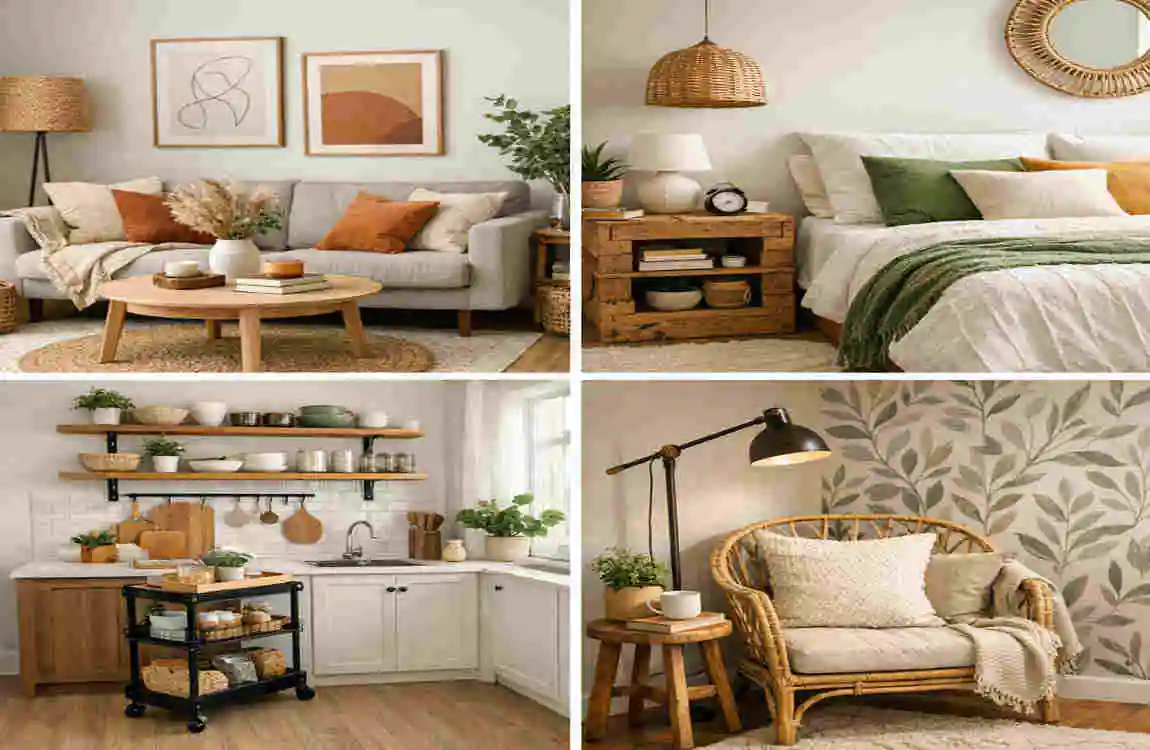
Good design does not always need a big budget. In many cases, smart choices matter more than expensive items.
Prioritize Important Changes
Start with the rooms you use most or the spaces that need the most help. Spend money on essentials first, such as major furniture and lighting.
Refresh Instead of Replacing
You can improve a room without buying everything new. Try repainting walls, changing cabinet handles, rearranging furniture, or using new textiles like curtains and cushions.
Add Personal Details
Personal touches make a home feel warm and real. Family photos, books, plants, handmade pieces, and favorite artwork can give a room character without costing much.
Benefits of Good Interior Design
Good interior design improves daily life in many ways.
Benefit Why It Matters
Better use of space Rooms feel more open and useful
Greater comfort The home feels easier to live in
Improved organization Less clutter and better storage
Stronger visual appeal The home looks more polished
More functionality Each room serves its purpose well
A well-designed home can also create a stronger sense of personal style and may even improve property appeal.
How to Plan an Interior Design Project
Set a Clear Budget
Decide how much you want to spend before you begin. Split the budget between furniture, materials, lighting, labor, and décor. This helps you stay in control.
Define Your Style
Look at examples you like and notice patterns in color, texture, and furniture shape. This will help you choose a style that fits both your taste and your home.
Measure Before Buying
Always measure rooms, doors, windows, and open floor space before purchasing anything. A piece that looks perfect online may not fit well in real life.
Build the Room Step by Step
Start with large items first, then move to lighting, textiles, and accessories. This keeps the room balanced and avoids waste.
Frequently Asked Questions
What is the main purpose of interior design?
The main purpose is to make indoor spaces functional, comfortable, safe, and visually appealing.
How does interior design work in a home?
It starts with understanding your needs, then moves through space planning, color choice, furniture selection, lighting, and décor.
Is interior design only about decoration?
No. Interior design also includes layout, comfort, materials, lighting, and function.
Can interior design make a small home look bigger?
Yes. Light colors, mirrors, smart furniture placement, and good lighting can make a small space feel larger.
| Interior Design Element | Smart Idea | Benefit |
|---|---|---|
| Color Scheme | Choose 2–3 complementary colors | Creates a balanced, attractive look |
| Furniture | Select pieces that fit the room size | Improves comfort and space |
| Lighting | Combine natural and layered lighting | Makes rooms brighter and welcoming |
| Storage | Use built-in shelves and multifunctional furniture | Reduces clutter |
| Decor | Add artwork, plants, and personal accents | Gives the home character |
| Layout | Keep pathways open and organize furniture thoughtfully | Makes the space functional |
| Textures | Mix wood, fabric, metal, and soft materials | Adds warmth and visual interest |
