
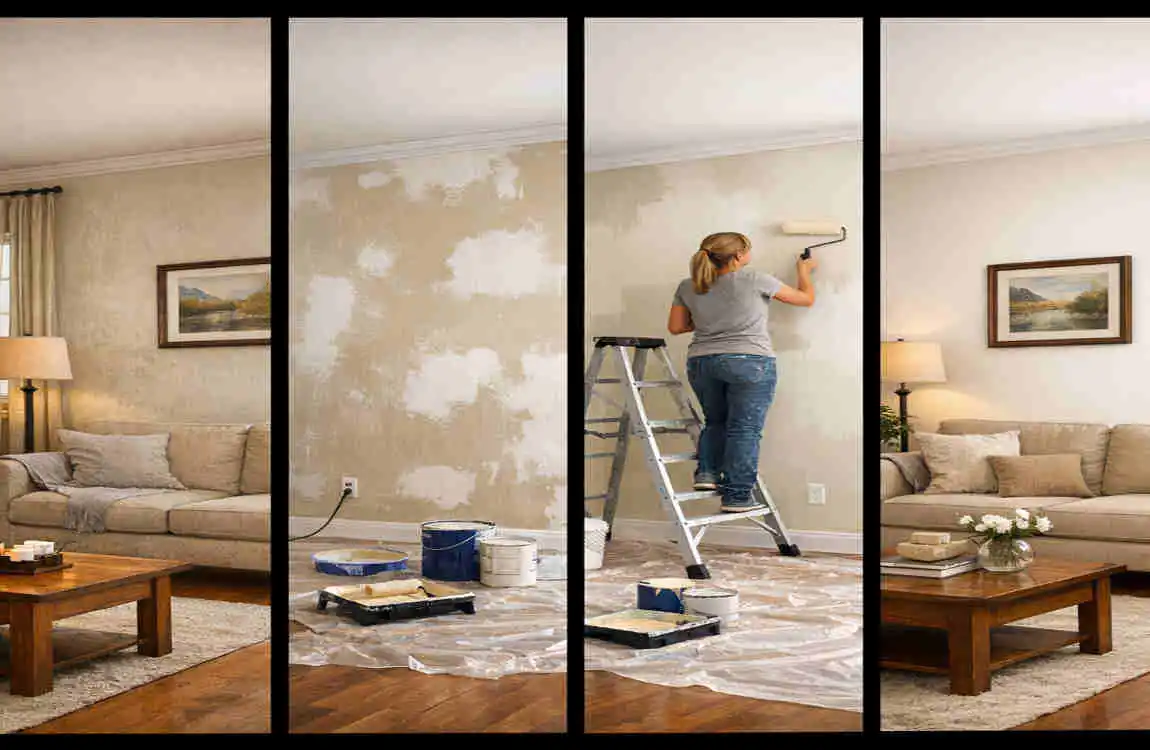
Interior paint does not last forever. Over time, walls collect scuffs, stains, fading, and small marks from daily life. Even if a room still looks “okay,” fresh paint can make it feel cleaner, brighter, and more up to date.
So, how often should you repaint the interior of your house? In most homes, the answer is every 5–10 years. But that is only a general guide. The right timing depends on how much a room is used, the quality of the paint, moisture levels, sunlight, pets, kids, and the condition of the walls.
Some rooms need attention sooner than others. Kitchens, bathrooms, hallways, and busy family areas usually wear out faster. Bedrooms and low-use rooms often last longer.
Factors That Determine How Often You Should Repaint Your House Interior
Quality of the Existing Paint
Not all paint lasts the same amount of time. Premium paint usually holds color better, resists marks more easily, and withstands cleaning better than cheaper paint.
Surface prep matters too. If the wall was cleaned, patched, sanded, and primed properly before painting, the finish usually lasts longer. A rushed paint job often shows wear much sooner.
Room Traffic and Daily Use
Rooms that get used a lot wear out faster. Hallways, entryways, kitchens, and living rooms are often touched, bumped, and cleaned.
Low-use rooms, such as guest rooms or formal dining spaces, may stay in good shape for many years. Less traffic usually means less wear.
Children and Pets
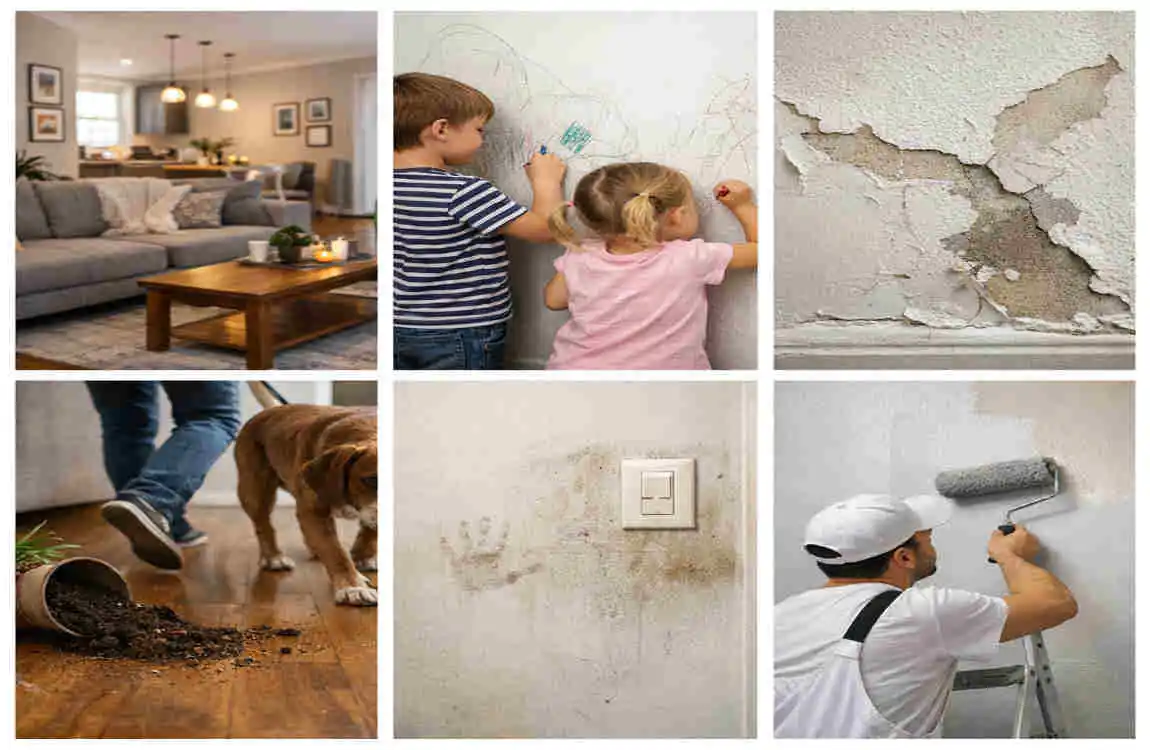
Kids and pets can shorten a paint job’s life. Fingerprints, toys, paw marks, scratches, and wall bumps all add up.
If your home has children or pets, washable and durable finishes are a smart choice. They make cleaning easier and help walls stay looking fresh longer.
Humidity and Moisture
Bathrooms, kitchens, and laundry rooms face more moisture than other rooms. That can lead to peeling, bubbling, mildew, or discoloration over time.
Good ventilation helps a lot. Moisture-resistant paint also gives these rooms better protection.
Sunlight and Fading
Sunlight can fade paint, especially in rooms with large windows or strong direct sun. Some colors fade faster than others, and darker shades often show aging more clearly.
If one wall gets more sunlight than the others, you may notice uneven color over time. That is a common reason to repaint sooner.
Changes in Style and Personal Taste
Sometimes the walls are still in decent shape, but the color no longer fits your style. That is a perfectly good reason to repaint.
Fresh color can help a room match new furniture, flooring, or décor. Repainting is one of the easiest ways to update a home without major renovation.
How Often to Repaint Different Rooms in Your Home
Living Room and Family Room
A living room or family room usually needs repainting about every 5–7 years.
These spaces get regular use, so they often show scuffs, fading, and wall marks. If you have a busy household, you may need to repaint sooner.
For better results, choose durable finishes and timeless colors that will still look good after several years.
Bedrooms
Bedrooms often stay looking good for 5–10 years.
Adult bedrooms usually last longer because they get less wear. Children’s bedrooms are different. They often need repainting sooner due to wall marks, changing tastes, and furniture being moved around.
If the room belongs to a child, you may need to refresh it more often than you would for an adult bedroom.
Kitchen
Kitchens usually need repainting about every 3–5 years.
Cooking creates grease, steam, and smoke. Walls can also get splashes and stains from daily use. Even with careful cleaning, kitchens tend to wear faster than other rooms.
A washable, durable finish works best here. It makes cleaning easier and helps the paint hold up longer.
Bathroom
Bathrooms also often need repainting every 3–5 years.
Moisture is the biggest issue. Condensation, poor airflow, and frequent cleaning can all damage paint over time. Watch for peeling, mildew, or bubbling.
If your bathroom has a fan or window, use it often. Good ventilation helps the paint last longer.
Hallways and Entryways
Hallways and entryways often need repainting every 3–5 years because they get heavy traffic.
People brush against the walls, carry bags, and bump surfaces while moving through these spaces. That leads to fingerprints, scratches, and scuff marks.
Since these areas are the first thing guests see, a fresh coat can make a big difference.
Dining Room
A dining room often lasts about 5–7 years before needing repainting.
This room may not be used as heavily as a kitchen or hallway, so that the paint can last longer. Still, food stains, chairs, and changing décor can all affect the look.
If you use the room often for family meals or entertaining, it may need more frequent updates.
Home Office
A home office usually needs repainting about every 5–7 years.
This room should feel calm and productive. A fresh coat of paint can make it easier to focus and more pleasant to work in.
If the room is used daily, walls may show wear from chairs, equipment, or movement around the desk area.
Room-by-Room Repainting Guide
Room Typical Repainting Time Main Reasons
Living room 5–7 years Scuffs, fading, daily use
Bedroom 5–10 years Lower wear, changing style
Kitchen 3–5 years Grease, moisture, cleaning
Bathroom 3–5 years Humidity, mildew, peeling
Hallway/entryway 3–5 years Heavy traffic, wall marks
Dining room 5–7 years Moderate use, décor changes
Home office 5–7 years Daily use, style refresh
Signs Your Interior Walls Need Repainting
Peeling, Cracking, or Bubbling Paint
If paint is peeling or bubbling, do not just paint over it. That usually means there is a deeper issue, such as moisture or poor surface prep.
Fix the cause first, then repaint. Otherwise, the problem may come back quickly.
Visible Scuffs and Stains
Some marks can be cleaned. But if the walls still look dull, dirty, or uneven after cleaning, repainting may be the better choice.
This is especially true in high-traffic rooms where marks keep coming back.
Fading or Uneven Color
Sunlight and age can change the way paint looks. You may notice that one wall looks lighter, duller, or less even than the rest of the room.
When that happens, a new coat can restore a more balanced look.
Persistent Marks and Discoloration
If stains remain visible after cleaning, the wall may need to be primed before repainting. Some stains can bleed through fresh paint if they are not sealed first.
This is common with smoke stains, water spots, or old marks.
Musty Odors or Mold Growth
Paint will not fix a moisture problem. If the room smells damp or you see mold, deal with the source first.
Check for leaks, condensation, and poor airflow before repainting.
Outdated or Unwanted Colors
Sometimes the paint is still in good shape, but the color no longer feels right. That alone can be enough reason to repaint.
A new color can help the room feel more modern and better matched to your furniture and décor.
Rough or Worn Surfaces
Years of cleaning, moving furniture, and general wear and tear can make walls look tired. Even if the color is still fine, the surface may no longer look smooth or fresh.
That is a good sign it is time for a repaint.
How to Make Interior Paint Last Longer
Prepare the Walls Properly
Good prep helps paint last longer. Clean the walls, fill holes, fix cracks, and sand rough areas before painting.
Use primer when needed. It helps the paint stick better and improves the final look.
Choose the Right Paint Finish
Different finishes work better in different rooms.
- Matte: soft and smooth, but less washable
- Eggshell: slightly durable and good for living spaces
- Satin: easy to clean, good for busy rooms
- Semi-gloss: very washable, great for trim and moisture-prone areas
For kitchens, bathrooms, hallways, and kids’ rooms, washable finishes are usually the best choice.
Use Quality Paint
Better paint often covers better, lasts longer, and cleans more easily. It also keeps its color better over time.
Cheap paint may save money at first, but it often needs repainting sooner.
Maintain Good Ventilation
Ventilation is important in rooms with moisture. Use fans, open windows when possible, and reduce humidity.
This helps protect the walls and slows paint damage.
Clean Walls Regularly
Dust and light marks can build up over time. Clean painted walls gently with the right method for the finish.
Avoid harsh scrubbing, since that can damage the surface.
Touch Up Small Problems Early
Small scuffs and scratches do not always mean a full repaint. A touch-up may be enough if the damage is minor.
Keep leftover paint labeled and stored properly so you can match the color later.
Protect Walls From Furniture Damage
Use furniture pads and be careful when moving items. Repeated rubbing from chairs, tables, or beds can wear down painted surfaces.
A little care goes a long way.
Choosing the Right Time and Paint for an Interior Repaint
Best Time of Year to Repaint
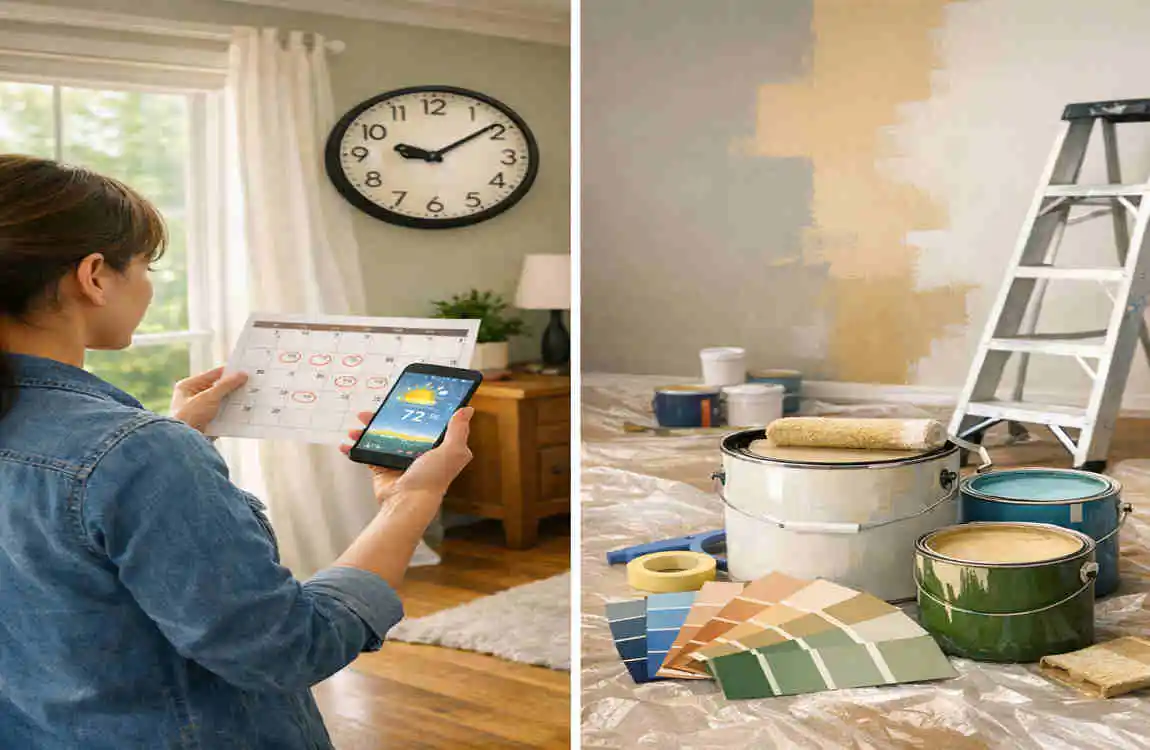
Interior painting can be done any time of year if the room has normal indoor temperature and good airflow.
Spring and fall are often comfortable seasons for painting, but the most important thing is stable indoor conditions.
How to Choose a New Color
Think about the room size, lighting, furniture, and floor color. Lighter shades can make small rooms feel larger and brighter.
Neutral colors are popular because they are easy to match with many styles. Accent walls can also add interest without changing the whole room.
Should You Repaint the Whole House at Once?
You do not have to repaint every room at the same time. Room-by-room painting is often easier and cheaper to manage.
A whole-house repaint makes sense if you are selling, remodeling, or changing the home’s overall style.
DIY vs. Hiring a Professional Painter
DIY painting can save money, but it takes time, tools, and patience. You also need to handle prep, cutting in, and cleanup yourself.
A professional painter may be worth it for large homes, tall ceilings, wall damage, or when you want a very clean finish.
How Much Paint Will You Need?
Paint needs depend on wall size, the number of coats, and the surface’s absorbency. Dark colors and damaged walls may need more paint.
It is always better to calculate carefully before buying so you do not run short halfway through.
Creating a Practical Interior Painting Schedule
A good repainting schedule is based on actual wear, not just a fixed date. Inspect walls once a year and watch for changes.
A simple cycle works well:
- Inspect walls regularly
- Touch up small damage early
- Deep-clean washable walls when needed
- Repaint based on condition and room use
That is why how often you should repaint the interior of your house depends more on actual wear than on a strict rule.
FAQ About Repainting a House Interior
How often should you repaint the interior of your house?
Most homes need repainting every 5–10 years, but busy or moist rooms may need it sooner.
How often should you repaint a living room?
A living room usually needs repainting every 5–7 years, depending on use, sunlight, and wall condition.
How often should you repaint a bedroom?
Bedrooms often last 5–10 years, especially adult bedrooms, which are used less.
How often should you repaint a bathroom?
Bathrooms may need repainting every 3–5 years because of humidity, condensation, and frequent cleaning.
Can you repaint walls without removing the old paint?
Yes, if the old paint is sound, clean, and properly prepared. Damaged paint needs fixing first.
Is it better to repaint or touch up interior walls?
Touch-ups work for small marks. A full repaint is better when the room looks uneven, worn, or outdated.
What type of interior paint lasts the longest?
Durable, washable paints with the right finish for the room usually last the longest.
Does repainting increase a house’s value?
Fresh paint can improve appearance and buyer appeal, but it does not guarantee a specific increase in value.
What are the signs that a house needs new interior paint?
Peeling, cracking, fading, stains, scuffs, mildew, and outdated colors are common signs.
How can I make interior paint last longer?
Use proper prep, quality paint, the right finish, good ventilation, regular cleaning, and early touch-ups.
| Interior Area | Recommended Repainting Frequency | Why Repaint? |
|---|---|---|
| Living Room | Every 5–7 years | Refreshes color and covers everyday wear |
| Bedroom | Every 5–8 years | Keeps walls looking clean and updated |
| Kitchen | Every 3–5 years | Grease, stains, and moisture can affect paint |
| Bathroom | Every 3–4 years | Humidity can cause peeling or mildew |
| Hallways | Every 2–4 years | High foot traffic leads to scuffs and marks |
| Home Office | Every 5–7 years | Maintains a fresh and professional appearance |
| Children’s Room | Every 2–4 years | Frequent marks, stains, and changing preferences |
