
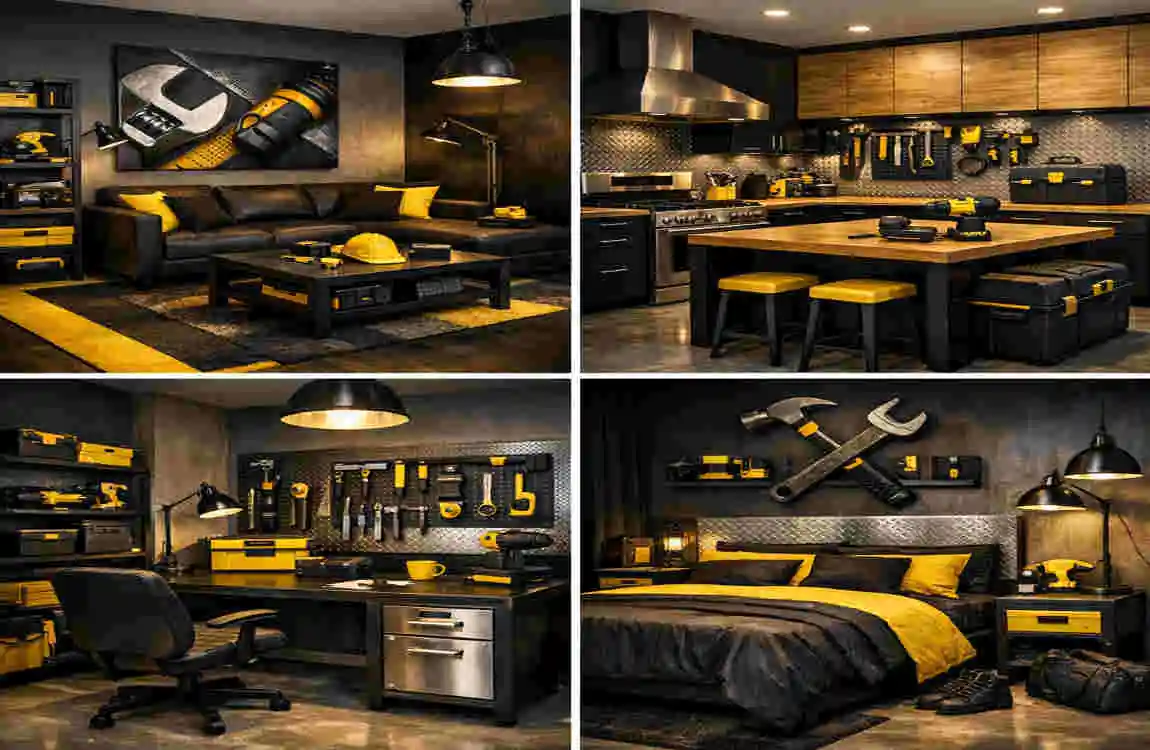
A home should feel good to live in, not just look good in photos. That is where a philosophy of interior design Stanley becomes useful. It gives you a clear way to make design choices that feel balanced, practical, and attractive.
Interior design is more than picking pretty furniture or matching paint colours. It is about shaping a space to support your daily life. When you understand the basic principles, you make better decisions and avoid random decorating choices that do not work together.
Exploring the Core Philosophy of Interior Design
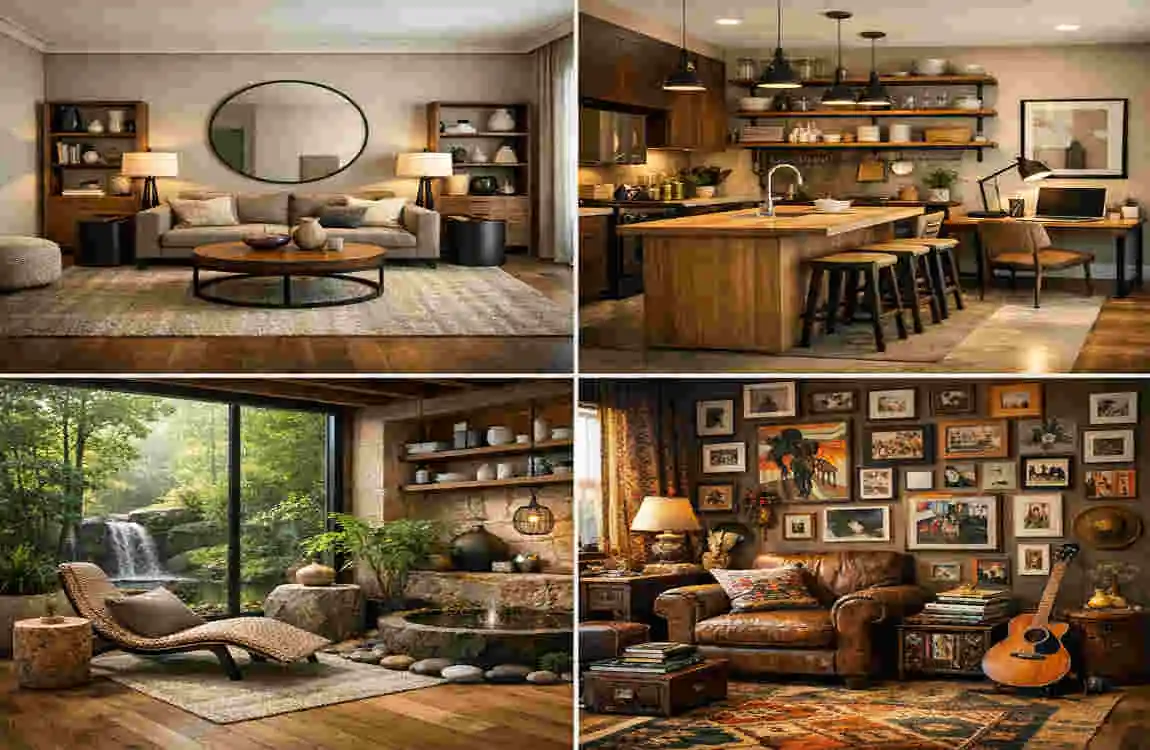
What Is an Interior Design Philosophy?
An interior design philosophy is simply a set of guiding ideas that shape how a space looks and feels. It helps you decide what belongs in a room and what does not.
This approach combines personal taste with practical needs. So instead of decorating without direction, you create a space that feels intentional.
Understanding Stanley’s Approach to Interior Design
When people refer to Stanley interior design principles, they are often talking about a thoughtful, guided approach to design. The focus is usually on creating spaces that feel calm, functional, and well-planned.
That means every item has a purpose. Furniture, lighting, and colour should all work together instead of competing for attention.
Why Interior Design Philosophy Matters
A clear philosophy helps your home feel consistent from room to room. It keeps the design from feeling messy or disconnected.
It also saves money. When you know the style and function you want, you are less likely to buy things that do not fit.
Connecting Personal Style With Practical Needs
Good design starts with your real life. Think about how you use each room, who uses it, and what kind of mood you want there.
A family room may need comfort and durability. A bedroom may need calm and softness. A home office may need focus and order.
Balance, Harmony, and Proportion in Interior Spaces
Understanding Balance in Interior Design
Balance helps a room feel steady and comfortable. There are three common types:
- Symmetrical balance uses matching items on both sides.
- Asymmetrical balance uses different items that still feel equally weighted.
- Radial balance spreads design elements around a center point.
For example, two chairs beside a sofa create symmetry. A large lamp on one side and a pair of smaller objects on the other can still feel balanced too.
Creating Harmony Between Design Elements
Harmony means the room’s parts belong together. You can create it by thoughtfully repeating colours, finishes, or materials.
If the room has wood flooring, a wood coffee table, and warm-toned accents, those repeated details help the space feel connected.
Using Proportion and Scale Effectively
Proportion is about how one object relates to another. Scale is about how large an object feels inside the room.
A huge sofa in a small room can overwhelm the space. A tiny rug in a large room can feel lost. The right size matters as much as the style.
The Role of Rhythm and Repetition
Rhythm keeps the eye moving through the room. Create it by repeating shapes, colours, or textures.
For example, matching cushions, repeated light fixtures, or similar wall frames can create a quiet sense of movement without making the space feel busy.
Applying These Principles at Home
Start by looking at what you already own. Rearranging furniture can often improve balance right away.
Try to create one clear focal point in each room. That might be a fireplace, a sofa, a large artwork, or a window with a nice view.
Colour, Lighting, and Texture: Building the Right Atmosphere
Choosing a Cohesive Interior Colour Palette
Colour changes how a room feels. Light colours can make a room feel larger and calmer. Darker shades can make it feel more intimate or dramatic.
A simple palette usually works best. Use a base colour, one or two supporting tones, and one accent colour for interest.
Understanding the Psychology of Colour
Colours can affect mood. Soft neutrals often feel peaceful. Blues can feel calm. Greens can feel fresh. Warmer shades like terracotta or mustard can feel energetic and welcoming.
Your personal taste matters too. The best colour is one you enjoy living with every day.
Using Natural and Artificial Lighting
Light changes everything. A room with good daylight feels different from one lit only by overhead lights.
Layered lighting works best:
- Ambient light for general brightness
- Task light for reading, cooking, or working
- Accent light to highlight features
This mix makes a room more useful and more pleasant.
Combining Textures and Materials
Texture gives a room depth. Smooth glass, soft fabric, rough stone, polished wood, and matte metal all create contrast.
Even in a neutral room, texture keeps things from feeling flat. A linen sofa, woven rug, and wooden table can make a simple space feel rich and complete.
Creating Atmosphere Through Design
Colour, lighting, and texture work best together. A bedroom may use soft colours, warm light, and gentle fabrics. A kitchen may use brighter light, clean surfaces, and durable finishes.
Think about the mood you want before you choose the materials.
Functionality, Furniture, and Space Planning
Designing for Everyday Living
A beautiful room still needs to work. You should be able to move easily, sit comfortably, and reach what you need without frustration.
That means planning for circulation, storage, and accessibility from the start.
Selecting Furniture That Fits the Space
Furniture should suit both the room and your lifestyle. A large sectional may be perfect for a family room, but it may crowd a small apartment.
Look for pieces that are comfortable, durable, and visually balanced. In smaller homes, multifunctional furniture can be especially helpful.
Improving Room Layouts
A good layout creates flow. In a living room, seating should encourage conversation. In a bedroom, the bed should feel like the natural center. In an office, the desk should support focus and movement.
Open-plan spaces need clear zones. A rug, a change in lighting, or a furniture grouping can help define different areas.
Maximizing Small Interior Spaces
Small rooms can still feel open with the right approach. Light colours, vertical storage, mirrors, and slim furniture can all help.
Clutter is a small room’s biggest enemy. Keep only what you need and store the rest well.
Balancing Storage and Decoration
Storage should support the design, not fight it. Built-in shelves, cabinets, and hidden storage help keep the room neat.
You can still display meaningful items. Just be selective so the room feels calm instead of crowded.
Materials, Sustainability, and Timeless Interior Design
Choosing Durable and Appropriate Materials
Different rooms need different materials. Kitchens and bathrooms need surfaces that handle moisture and daily use. Bedrooms and living rooms can focus more on comfort and feel.
When choosing materials, think about durability, upkeep, cost, and appearance. The best option is often the one that fits both your lifestyle and your budget.
Incorporating Sustainable Design Principles
Sustainable design is about more than the environment. It is also about choosing things that last.
Furniture that can be repaired, lighting that uses less energy, and responsibly sourced materials can all support a better interior. Natural ventilation and daylight help too.
Creating Timeless Interiors
Timeless design does not mean boring. It means the room still feels good years later.
A neutral base is often the smartest choice. Then add smaller, trend-based pieces like pillows, art, or accessories without redesigning the whole room.
Mixing Traditional and Modern Elements
A room can mix styles well if the proportions and colours stay consistent. A classic wood table can work with modern lighting. A vintage chair can sit nicely in a clean, contemporary room.
The key is to keep the mix intentional, not random.
Maintaining Beauty Over Time
A good interior should age well. That means choosing items that are easy to clean, repair, or refresh.
This approach saves money and reduces waste. It also helps your home stay attractive longer.
Practical Ways to Apply a Philosophy of Interior Design Stanley
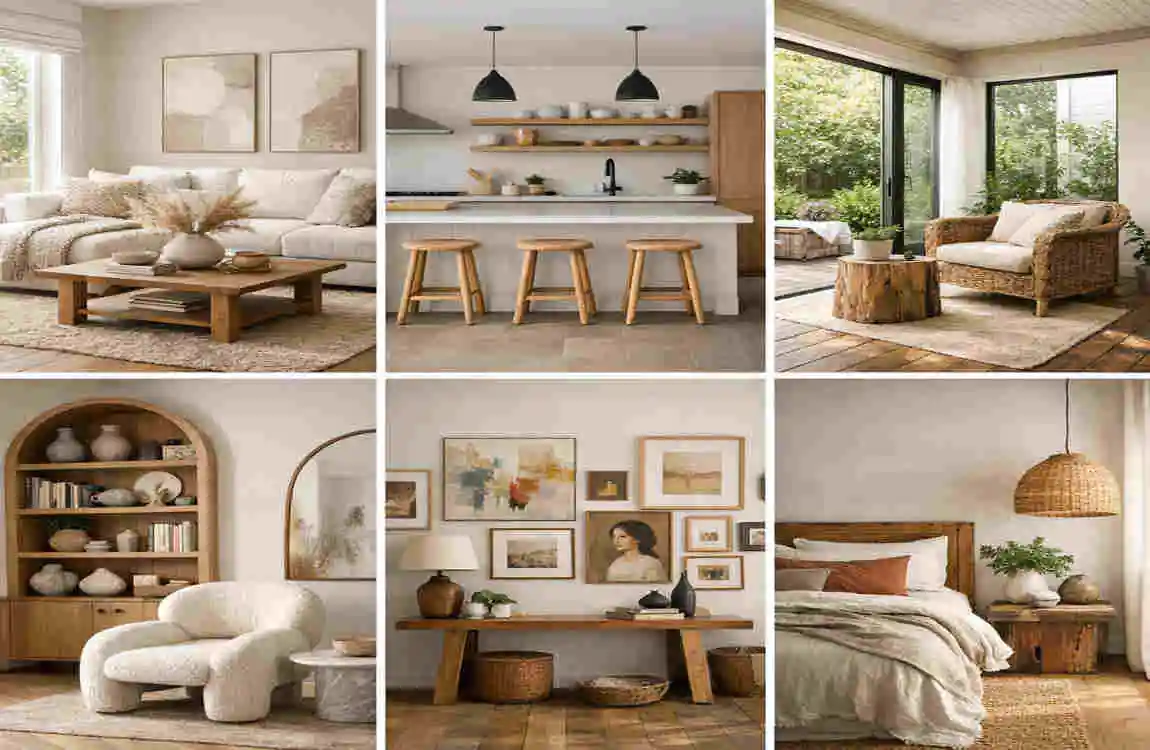
Start With a Clear Design Vision
Before you buy anything, decide how the room should feel. Calm, warm, formal, bright, or relaxed? That answer will guide the rest.
Then set a budget. A clear budget helps you focus on the changes that matter most.
Develop a Consistent Design Plan
Choose a colour palette and a few main materials. Then repeat them naturally throughout the home.
This creates visual continuity and makes the home feel more polished.
Avoid Common Interior Design Mistakes
Some common mistakes are easy to avoid:
- Buying furniture before measuring the room
- Using too many colours at once
- Ignoring lighting
- Choosing materials that do not suit the room
- Adding too many decorative items
A calmer, more thoughtful approach usually leads to better results.
Adapt the Philosophy to Different Rooms
- Living room: comfort, balance, and conversation
- Bedroom: rest, soft textures, and storage
- Kitchen: function, durability, and task lighting
- Bathroom: moisture resistance and easy cleaning
- Home office: comfort, focus, and organization
Plan an Affordable Interior Refresh
You do not always need to buy new furniture. Sometimes a room improves simply by rearranging what you already own.
New lighting, updated textiles, and a better wall colour can also make a big difference without a full remodel.
Frequently Asked Questions About a Philosophy of Interior Design Stanley
What does a philosophy of interior design mean?
It is a guiding set of ideas that helps you create spaces that are attractive, functional, and comfortable.
What are the main principles of interior design?
The main principles include balance, harmony, proportion, scale, rhythm, contrast, emphasis, and function.
How can I apply Stanley’s interior design philosophy to my home?
Start with the room’s purpose, choose a simple colour palette, plan furniture placement, and use layered lighting.
Why are balance and proportion important?
They help the room feel organized and make furniture and décor work together naturally.
How can I make my home look elegant on a limited budget?
Focus on decluttering, rearranging furniture, improving lighting, and using coordinated accessories.
Is timeless interior design better than following trends?
A timeless base usually works better long term. Trends can still be added in small, easy-to-change ways.
How does lighting affect interior design?
Lighting changes mood, comfort, and how colours and textures appear in a room.
Can sustainable materials work in luxury interiors?
Yes. Durable, responsibly sourced materials can look refined while also being practical.
| Design Principle | Short Information |
|---|---|
| Functional Design | Create spaces that are practical, comfortable, and easy to use. |
| Minimalism | Keep rooms uncluttered with simple furniture and clean lines. |
| Color Balance | Combine neutral shades with bold accent colors. |
| Quality Materials | Choose durable materials that look attractive and last longer. |
| Smart Storage | Use organized cabinets, shelves, and multifunctional furniture. |
| Lighting Design | Combine natural light, ceiling lights, and decorative lamps. |
| Texture and Layers | Mix wood, fabric, metal, and soft furnishings for visual interest. |
| Personal Style | Add artwork, accessories, and meaningful decorative pieces. |
| Space Planning | Arrange furniture to improve movement and make rooms feel spacious. |
| Sustainability | Consider energy-efficient lighting and long-lasting materials. |
