
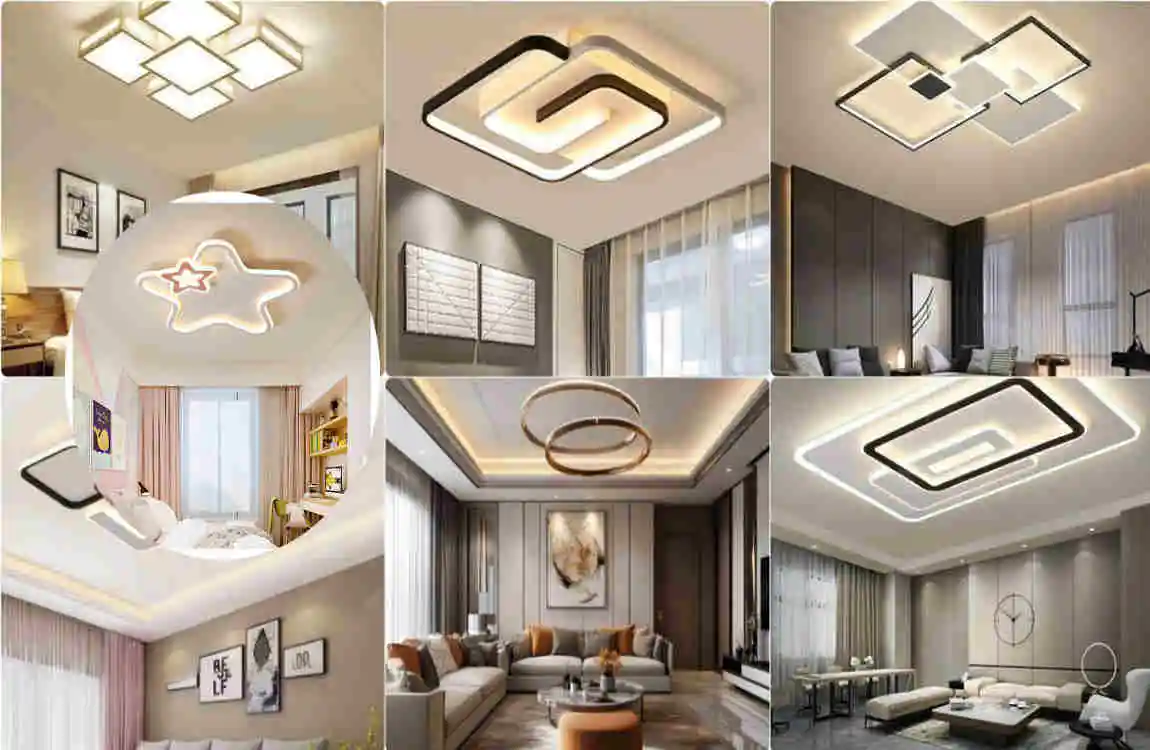
Modern ceiling lighting can completely change a home’s look and feel. The right light can make a room feel brighter, warmer, larger, and more comfortable without changing the furniture or wall color.
Today, homeowners have many choices when selecting interior lights for home ceilings, from simple recessed LEDs to elegant chandeliers and hidden ceiling lighting. The best option depends on your room size, ceiling height, interior style, and lighting needs.
What Are Interior Lights for Home Ceilings?
Understanding Ceiling Lighting
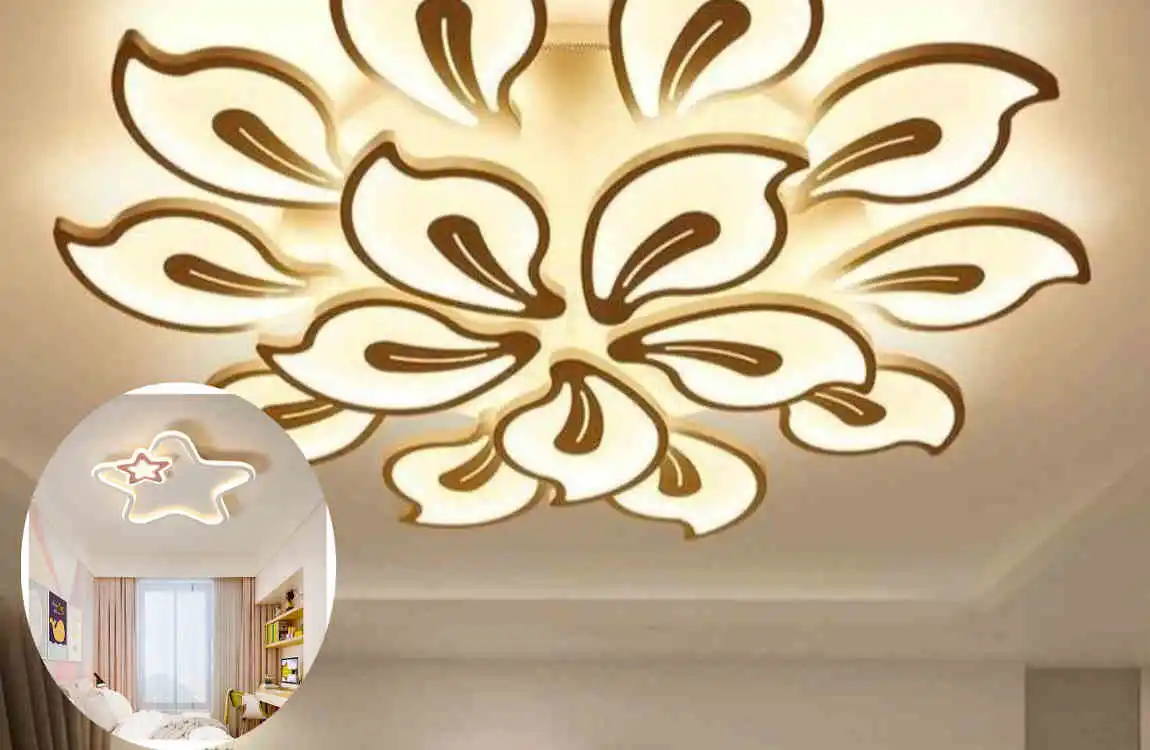
Ceiling lighting refers to fixtures installed directly on or into the ceiling. These lights provide general illumination and can also highlight specific areas of a room.
Common examples include recessed lights, flush mounts, pendant lights, chandeliers, track lights, and LED panels.
Modern ceiling lighting does more than brighten a room. It can also become an important part of your interior design.
Why Ceiling Lights Matter in Home Design
Good lighting helps you use each room comfortably. A kitchen needs practical light for cooking, while a bedroom usually benefits from softer illumination.
Ceiling lights can also help create visual balance. A large fixture can become a focal point, while small recessed lights can create a clean, simple look.
When planning your lighting, think about both function and appearance.
Modern vs. Traditional Ceiling Lighting
Traditional lighting often focuses on decorative fixtures and classic shapes. Modern lighting generally uses cleaner lines, simple forms, energy-efficient LEDs, and minimal designs.
However, you do not have to choose only one style. A modern home can include a classic chandelier, while a traditional interior can use discreet recessed lighting.
Popular Types of Interior Ceiling Lights
Recessed Ceiling Lights
Recessed lights sit inside the ceiling, creating a neat, uncluttered look.
They work particularly well in modern living rooms, kitchens, hallways, and bathrooms. Because the fixtures are relatively subtle, they can provide useful general lighting without becoming the main visual feature.
Flush Mount and Semi-Flush Mount Lights
Flush-mount fixtures sit close to the ceiling, making them useful for rooms with lower ceilings.
Semi-flush fixtures hang slightly below the ceiling and can offer a little more decorative appeal.
These lights are practical choices for bedrooms, hallways, entryways, and smaller rooms.
Pendant Ceiling Lights
Pendant lights hang from the ceiling and usually direct light toward a specific area.
They are popular above kitchen islands, dining tables, counters, and seating areas. A group of small pendants can also create an attractive modern feature.
Chandeliers
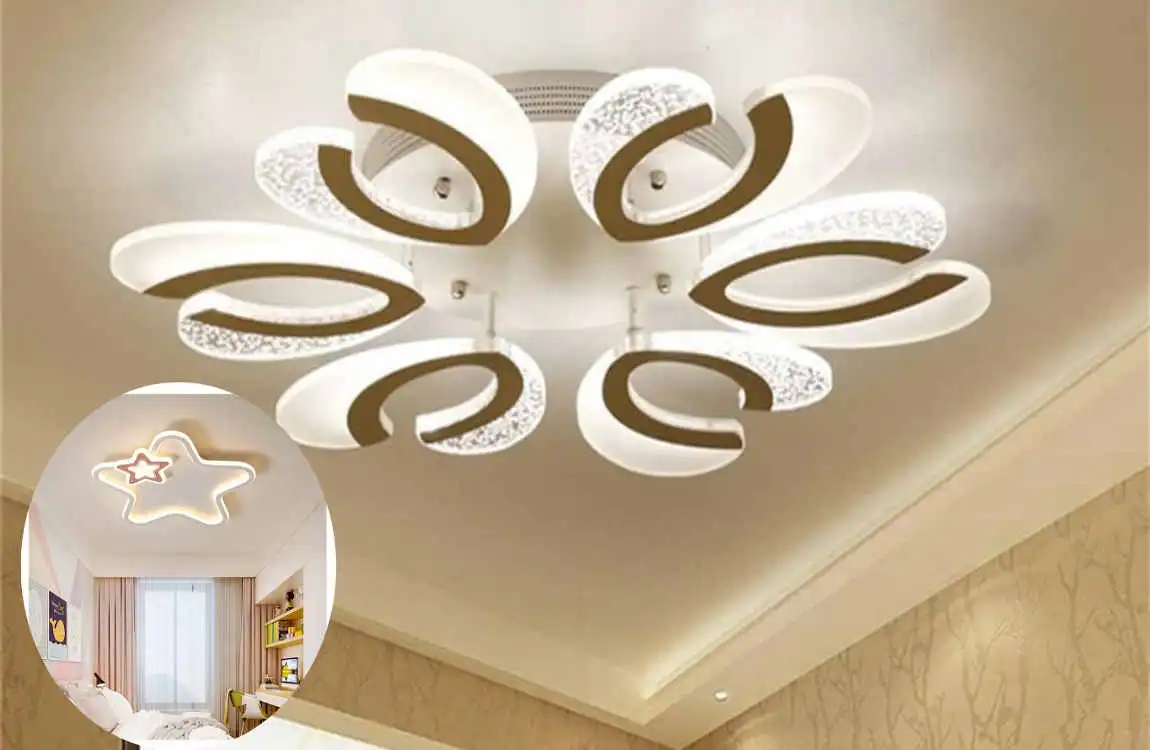
Chandeliers are often used as statement pieces. They can add elegance and visual interest to dining rooms, living rooms, entryways, and bedrooms.
Modern chandeliers come in many shapes, including geometric, linear, circular, and sculptural designs.
Track and Spotlights
Track lighting uses multiple adjustable fixtures mounted along a track.
This allows you to direct light toward artwork, furniture, shelves, kitchen work areas, or architectural features.
LED Panel and Strip Lighting
LED panels provide broad, even illumination. They work well in kitchens, offices, utility spaces, and other areas where practical lighting matters.
LED strips can provide accent or indirect lighting, particularly around ceiling edges, shelves, coves, or architectural details.
Modern Ceiling Lighting Ideas for Every Room
Living Room Ceiling Lighting
The living room usually benefits from more than one light type.
You can combine recessed ceiling lights with a pendant or chandelier for a balanced look. Dimmable fixtures are especially useful because you can brighten the room during activities and soften it during relaxing evenings.
For a minimalist living room, simple recessed LEDs can provide a clean appearance.
Bedroom Ceiling Lights
Bedrooms generally look better with comfortable, softer lighting.
A simple flush-mount fixture, recessed lights, or a decorative pendant can work well. Consider adding dimming so you can adjust brightness by time of day.
Warm-toned lighting often suits relaxing spaces.
Kitchen Lighting
The kitchen needs practical illumination because you need to see clearly while preparing food.
Use ceiling lights for general brightness, and add focused lighting over key work areas.
Pendant lights above an island can provide both task lighting and decorative style.
Dining Room Lighting
A chandelier or pendant is a natural choice above a dining table.
Choose a fixture that fits the table size without overwhelming the room. A dimmable fixture can also help you create different moods for everyday meals and special occasions.
Bathroom Ceiling Lights
Bathroom lighting should provide clear visibility while also complementing the room’s overall design.
Choose fixtures suited to bathroom conditions and follow local electrical safety requirements.
Simple recessed or flush-mounted LEDs can create a clean and modern look.
Hallway and Entryway Lighting
Hallways usually don’t need large decorative fixtures.
Recessed lights, small flush mounts, or compact ceiling fixtures can provide enough illumination while keeping the walkway visually open.
An entryway, however, can benefit from a more decorative fixture that creates a strong first impression.
How to Choose the Right Ceiling Lights
Consider Room Size and Ceiling Height
Start by measuring the room and checking the ceiling height.
A large chandelier may look impressive in a spacious room but can overwhelm a small space. Similarly, a hanging fixture may not be practical in a room with a very low ceiling.
Always consider scale before buying a fixture.
Choose the Right Light Brightness
Match brightness to the room’s purpose.
Work areas generally need stronger illumination than spaces designed for relaxation. You can also combine general, task, and accent lighting instead of relying on one extremely bright fixture.
Select a Suitable Color Temperature
Light color can change a room’s atmosphere.
Warm white lighting can create a comfortable, relaxing feeling. At the same time, cooler light can provide a cleaner, more energetic look.
For many homes, using warmer lighting in bedrooms and living areas and brighter lighting in work-focused spaces creates a comfortable balance.
Match Lights With Interior Style
Your ceiling fixtures should complement your existing design.
For example, simple black fixtures can work with contemporary interiors, while brass or decorative fixtures can add warmth and character.
Before choosing a fixture, consider your furniture, wall colors, flooring, and hardware.
Think About Energy Efficiency and Maintenance
LED lighting is a popular choice because it can provide efficient illumination and generally requires less frequent replacement than older lighting technologies.
Also consider how easy the fixture will be to clean and maintain. A complicated ceiling fixture may look beautiful but require more effort to keep clean.
Modern Ceiling Lighting Design Trends
Minimalist LED Lighting
Minimalist lighting focuses on simple shapes and clean lines.
Small recessed fixtures and slim LED designs can provide plenty of illumination while keeping the ceiling visually uncluttered.
Layered Ceiling Lighting
Layered lighting combines different sources instead of depending on a single fixture.
For example, a living room might use recessed lights for general illumination, a floor lamp for reading, and a pendant for decoration.
This approach gives you greater control over the atmosphere.
Smart and Dimmable Lights
Smart lighting allows homeowners to control brightness and, depending on the system, color settings using controls or compatible devices.
Dimming is another useful feature because it lets you adjust light levels throughout the day.
Statement Chandeliers
Large decorative chandeliers remain popular in rooms where homeowners want a strong focal point.
Choose a statement fixture carefully so that it complements rather than dominates the room.
Hidden Cove and Indirect Lighting
You can install hidden lighting around ceiling edges or inside architectural details.
Instead of seeing the light source directly, you see the soft glow it produces. This can create a sophisticated and relaxing atmosphere.
Black, Brass, and Modern Metallic Fixtures
Black, brass, bronze, and other metallic finishes can add visual interest to modern interiors.
The key is consistency. Try to coordinate ceiling fixtures with other hardware and decorative elements in the room.
Ceiling Lighting Mistakes to Avoid
Using Too Much or Too Little Light
A room can feel uncomfortable when it’s too dark or excessively bright.
Instead of installing many powerful lights, use several smaller sources and add dimming controls where practical.
Choosing the Wrong Fixture Size
Scale matters.
A tiny fixture can disappear in a large room, while an oversized chandelier can make a small room feel crowded.
Measure the space before purchasing the fixture.
Ignoring Ceiling Height
Low ceilings require careful fixture selection.
Flush and semi-flush fixtures are often more practical than long hanging fixtures in rooms with limited ceiling height.
Mixing Incompatible Light Colors
Using noticeably different light colors in the same room can make the space feel visually inconsistent.
Try to maintain a coordinated color temperature throughout connected areas.
Poor Light Placement
Even attractive fixtures can produce poor results if they are positioned incorrectly.
Consider furniture placement, work areas, walkways, and architectural features before deciding where to place ceiling lights.
Forgetting Energy Efficiency
Lighting can contribute to your home’s electricity use.
Choosing efficient LED fixtures, using dimmers where appropriate, and turning off unnecessary lights can help reduce long-term energy consumption.
Cost, Installation, and Maintenance Tips
Factors That Affect Ceiling Light Costs
Ceiling lighting prices can vary considerably.
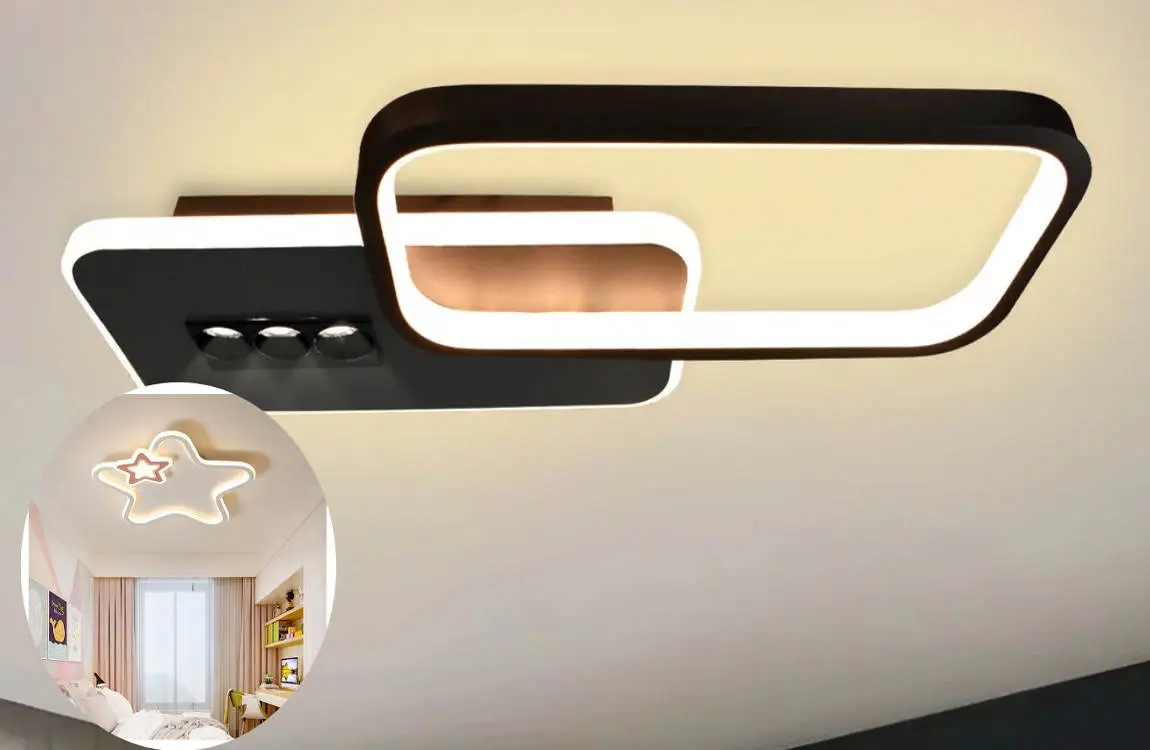
Factors include the fixture type, materials, size, design, brand, installation requirements, wiring work, and number of fixtures.
A simple ceiling fixture may cost less. At the same time, a large decorative chandelier or custom lighting system can cost much more.
Lighting Type Best For Main Benefit Maintenance
Recessed LED Living rooms, kitchens Clean appearance Low
Flush mount Bedrooms, hallways Good for low ceilings Low
Pendant Islands, dining areas Decorative and focused light Low to moderate
Chandelier Dining rooms, entryways Strong focal point Moderate
Track lighting Kitchens, displays Adjustable direction Low
LED strips Accent lighting Soft indirect glow Low
DIY vs. Professional Installation
Replacing a simple fixture may seem straightforward, but electrical work can involve safety risks.
If you need new wiring, switches, ceiling modifications, or complex connections, hire a qualified professional and follow local electrical requirements.
Good installation matters as much as choosing the right fixture.
LED Lights and Long-Term Savings
LED lighting can be a practical choice for modern homes because of its energy efficiency and long operating life.
Although some LED fixtures may cost more initially than basic alternatives, their energy use and replacement needs can make them attractive for long-term planning.
Cleaning and Maintaining Ceiling Fixtures
Dust can reduce the appearance and performance of lighting fixtures.
Clean accessible fixtures regularly, following the manufacturer’s instructions. Turn off power before cleaning or servicing a fixture, and never work on electrical components if you are unsure about the procedure.
How to Plan a Practical Lighting Layout
Start by identifying what you do in each room.
Ask yourself where you need general lighting, where you need stronger task lighting, and which architectural or decorative features you want to highlight.
A simple plan might include:
- General lighting for overall visibility.
- Task lighting for specific activities.
- Accent lighting for decorative features.
This layered approach can make your home feel more comfortable without relying on a single ceiling fixture.
FAQ: Interior Lights for Home Ceiling
What are the best interior lights for home ceiling?
There is no single best option for every home. Recessed LEDs, flush mounts, pendants, chandeliers, and track lights can all work well depending on the room, ceiling height, and design style.
Are LED ceiling lights good for modern homes?
Yes. LED ceiling lights are widely used in modern interiors because they offer efficient lighting and are available in many simple, stylish designs.
What ceiling light is best for a small room?
Flush-mount fixtures and compact recessed lights can work well in small rooms because they provide illumination without taking up much visual space.
What color light is best for bedrooms?
Warm white lighting is often a comfortable choice for bedrooms because it creates a softer and more relaxing atmosphere.
How many ceiling lights does a room need?
It depends on the room’s size, ceiling height, fixture brightness, layout, and purpose. Instead of choosing a number first, plan the lighting based on how the room will be used.
Are recessed lights better than pendant lights?
Neither is automatically better. Recessed lights provide a clean, understated appearance, while pendant lights can provide focused illumination and decorative appeal.
How can I make ceiling lighting more energy efficient?
Choose efficient LED fixtures, use dimmers or controls where appropriate, switch off unnecessary lighting, and select brightness levels that suit the room instead of using excessive illumination.
| Ceiling Light Idea | Best For | Key Feature |
|---|---|---|
| Recessed Lights | Living rooms & bedrooms | Clean, minimal look |
| Pendant Lights | Dining areas & kitchens | Stylish focal point |
| LED Strip Lighting | False ceilings | Soft indirect glow |
| Chandeliers | Dining & entryways | Elegant statement design |
| Track Lighting | Modern interiors | Flexible light direction |
| Flush Mount Lights | Low ceilings | Space-saving design |
| Cove Lighting | Bedrooms & lounges | Warm ambient lighting |
