
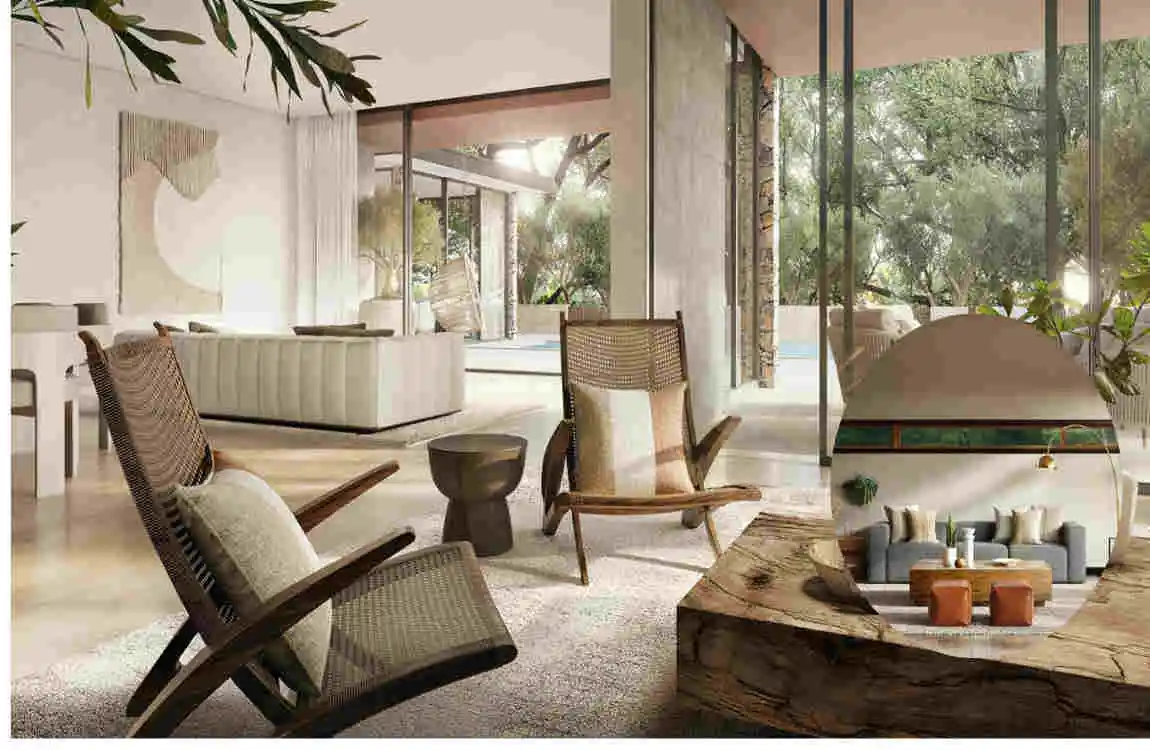
Sustainable interior design is becoming an important part of modern home design. Instead of filling a room with items that may quickly become outdated or need replacement, sustainable design focuses on durable materials, responsible choices, energy efficiency, and less waste.
You do not need to redesign your home to make it more sustainable. Small decisions, such as reusing furniture, choosing efficient lighting, or selecting long-lasting materials, can make a meaningful difference.
If you are wondering how to be sustainable in interior design, the best approach is to think carefully about what you buy, how long it will last, and how it affects your home and the environment.
Choose Eco-Friendly Interior Materials
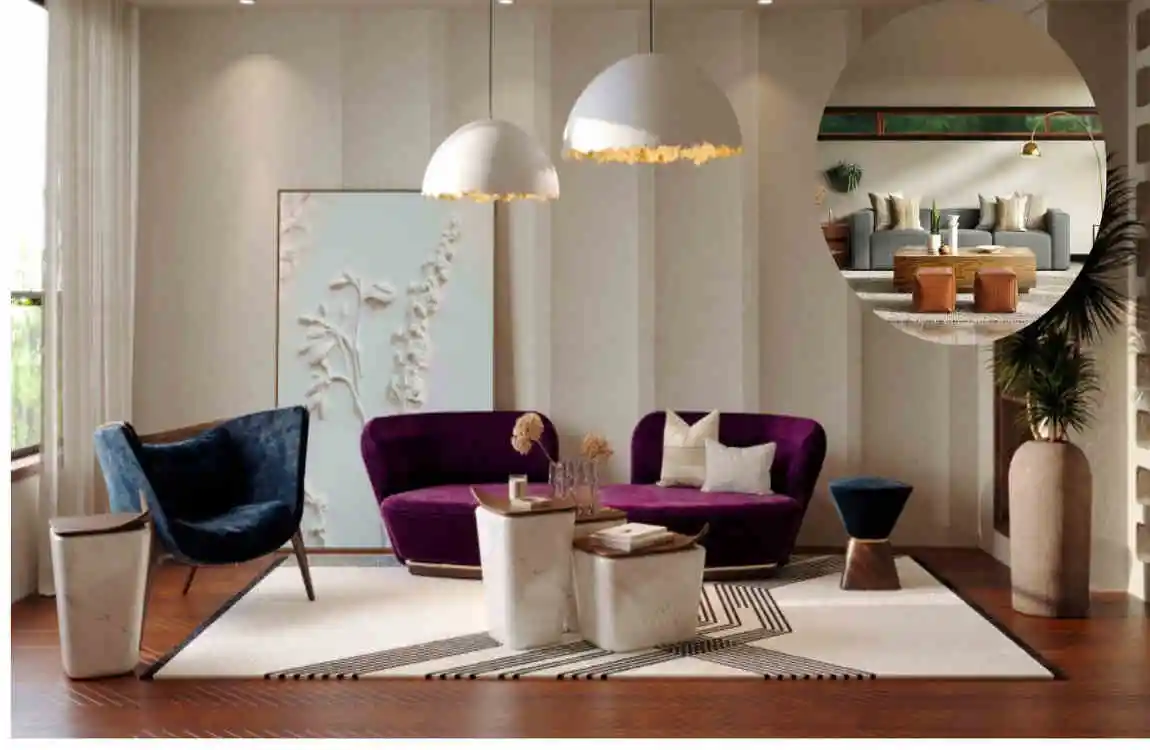
Materials strongly influence an interior‘s sustainability.
When planning a renovation or decorating project, look beyond appearance. Think about durability, maintenance, production, and whether the material can be reused or recycled.
Use Natural and Renewable Materials
Natural materials can bring warmth and texture into a home.
Depending on the application, consider options such as bamboo, cork, responsibly sourced wood, stone, and natural fibers.
Bamboo, for example, is often used for flooring and furniture because it grows relatively quickly. Cork can work well for flooring and wall applications while providing a distinctive natural texture.
Wood can also be a sustainable option when it is responsibly sourced and properly maintained.
Consider Recycled and Reclaimed Materials
Reclaimed materials give existing products a second life.
Reclaimed wood can become flooring, shelving, tables, wall features, or decorative elements. You can also incorporate recycled materials into surfaces, accessories, and furnishings.
This approach can reduce the need for completely new materials while giving your interior a unique character.
Look for Durable Materials
One of the simplest principles of sustainable design is buying things that last.
A cheap product that needs replacement every few years may create more waste than a higher-quality product that remains useful for decades.
Before choosing a material, ask yourself:
- How long is it expected to last?
- Can it be repaired?
- Is it easy to maintain?
- Can it be reused or recycled later?
- Will I still like the design in several years?
Choosing durability over short-lived trends can make your interior more sustainable.
Select Sustainable Furniture and Decor
Furniture often represents a significant part of an interior design budget. It is also an area where you can reduce waste without sacrificing style.
Buy Reclaimed or Secondhand Furniture
You don’t always need to buy brand-new furniture.
Secondhand tables, chairs, cabinets, shelves, and other pieces can often be restored and incorporated into modern interiors.
Vintage furniture can also add personality to a room. A carefully restored older table, for example, can become a focal point instead of being discarded.
Reuse What You Already Own
Before shopping for new furniture, walk through your home and consider what you already have.
A cabinet may work in another room. An old table might need only refinishing. A chair could get new upholstery instead of being replaced.
Reuse is one of the easiest ways to make interior design more sustainable.
Choose Responsible Furniture
When buying new furniture, consider its construction and materials.
Look for pieces designed for long-term use rather than products that are difficult to repair or likely to be replaced quickly.
Furniture made with durable materials and responsible manufacturing practices can be a better long-term choice.
Avoid choosing furniture simply because it is inexpensive if you already suspect that it will not withstand everyday use.
Improve Energy Efficiency in Interior Spaces
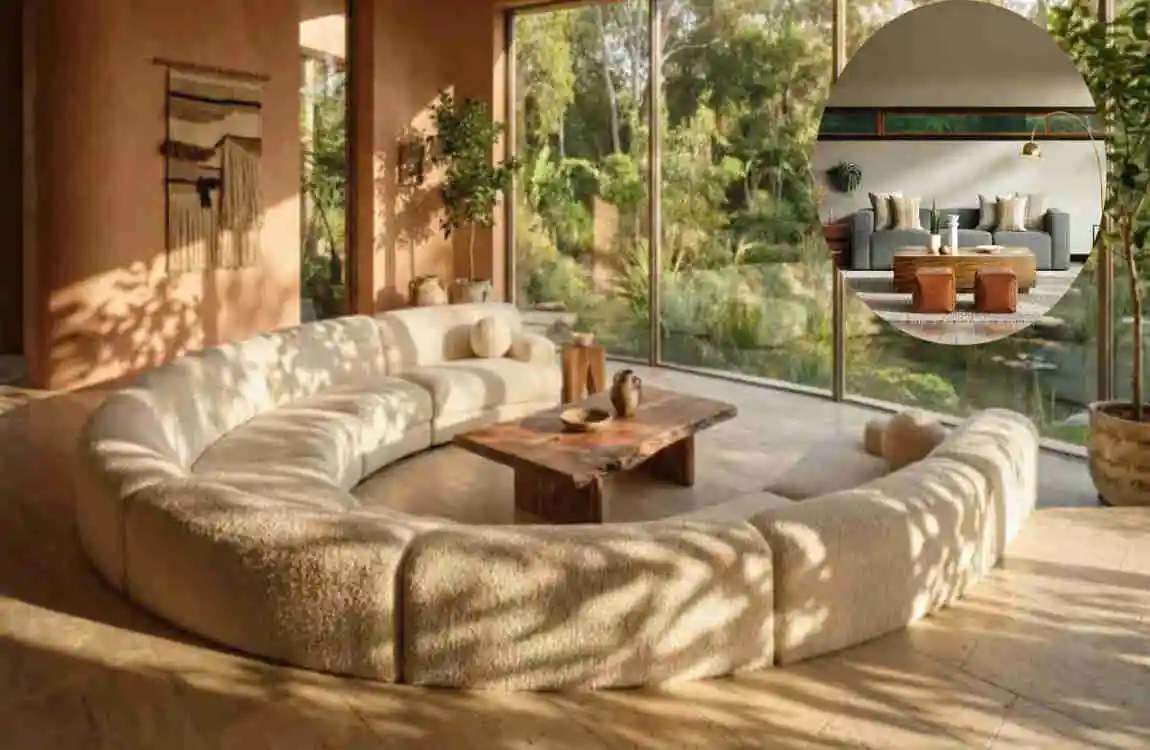
Sustainable interior design is not only about furniture and decoration. Energy use matters too.
A beautiful room that wastes electricity and struggles to maintain a comfortable temperature is not as efficient as it could be.
Use Natural Light
Use daylight whenever possible.
Keep windows clear and use window treatments that allow sunlight into the room when appropriate. Light-colored walls and ceilings can help reflect daylight around a space.
Position mirrors strategically to reflect natural light and make rooms feel brighter.
Using daylight effectively can reduce the need for artificial lighting during the day.
Choose Efficient Lighting
LED lighting is a practical option for modern homes because it generally uses less energy than traditional incandescent lighting and lasts longer.
You can also avoid excessive lighting by using task lighting.
Instead of brightly lighting an entire room, provide focused light where you need it. A desk lamp, reading light, or under-cabinet light can provide useful illumination without running every fixture at full brightness.
Smart controls and timers can also help prevent lights from being left on unnecessarily.
Improve Indoor Comfort
Energy efficiency also involves keeping indoor temperatures comfortable.
Good insulation, suitable window treatments, and properly maintained doors and windows can help reduce unwanted heat transfer.
Use curtains, blinds, and shades strategically depending on the climate and season.
When replacing appliances, choosing efficient models can also help reduce household energy consumption over time.
Create a Healthy and Low-Waste Interior
A sustainable home should also be comfortable and healthy for the people living in it.
The products you bring indoors can influence the overall indoor environment.
Choose Low-VOC Paints and Finishes
Some paints, coatings, adhesives, and finishes can release volatile organic compounds, commonly called VOCs, into indoor air.
When decorating or renovating, consider products labeled as low-VOC or designed for reduced emissions.
Always follow the manufacturer’s instructions for application and ventilation.
Reduce Interior Waste
One of the best ways to reduce waste is to avoid creating it in the first place.
You don’t need to renovate an entire room just because a design trend has changed.
Instead, consider whether a small update can achieve the result you want.
For example, changing hardware, refinishing furniture, replacing a lampshade, or rearranging existing pieces may refresh a room without generating large amounts of renovation waste.
Before throwing something away, keep the simple principle of reuse, repair, recycle, and repurpose in mind.
Add Indoor Plants
Plants can add natural color and texture to an interior while strengthening your connection to nature.
Choose plants that match the available light, temperature, and care level you can provide.
Low-maintenance varieties may be particularly suitable for busy households.
Plants should not replace proper ventilation or air-quality systems. Still, they can make an interior feel more natural and welcoming.
Sustainable Interior Design Ideas for Modern Homes
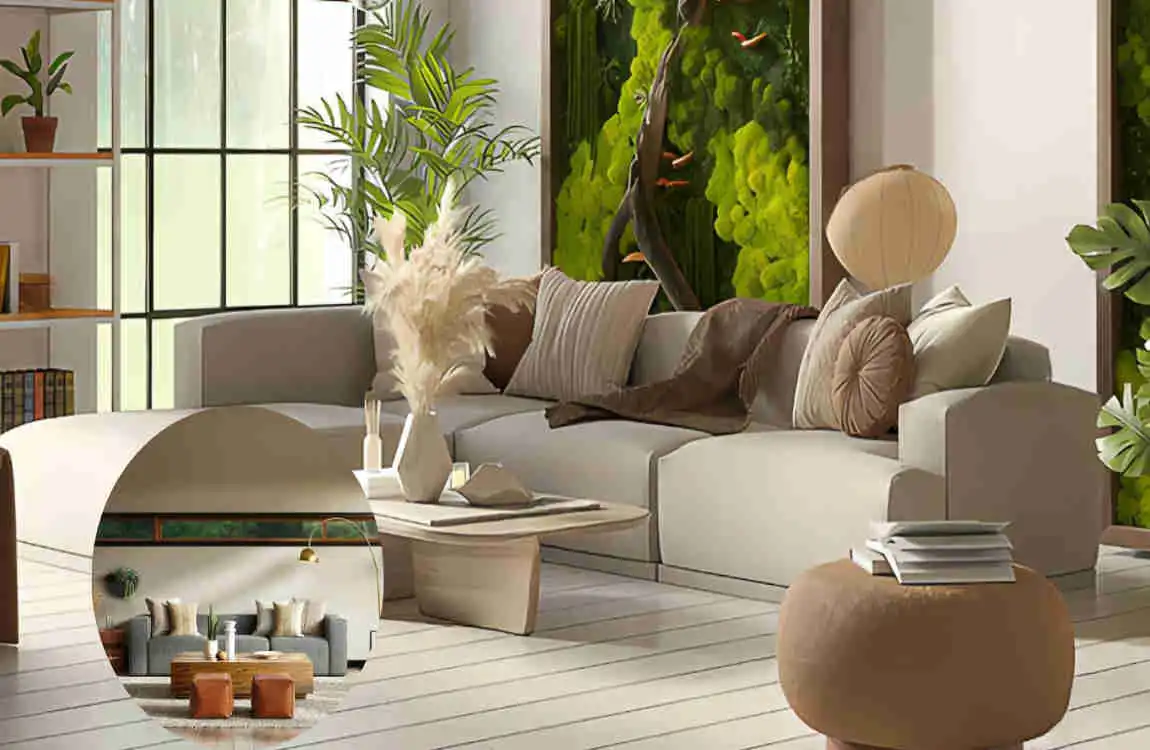
You can apply sustainable principles to almost every room in your home.
The key is to combine practicality with your personal style.
Sustainable Living Room Ideas
The living room is often one of the busiest spaces in a home, so durability should come first.
Choose furniture that can handle regular use and consider secondhand or reclaimed pieces where suitable.
Natural textiles, durable rugs, and long-lasting upholstery can add comfort without relying heavily on disposable decorative products.
Use energy-efficient lighting and make the most of daylight.
A simple living room can look modern when you focus on quality, natural textures, and thoughtful decoration instead of filling every space.
Sustainable Bedroom Ideas
A bedroom should feel calm and comfortable.
When possible, choose bedding made from suitable natural or responsibly produced fibers. Durable furniture can reduce the need for frequent replacement.
Instead of following every new bedroom trend, select timeless colors and materials that you expect to enjoy for many years.
Use daylight when practical and efficient lighting for evening activities.
A sustainable bedroom does not need to be complicated. A quality bed, durable storage, comfortable textiles, and a few meaningful accessories can create a beautiful result.
Sustainable Kitchen Ideas
Kitchens see heavy daily use, so durability matters.
Choose cabinetry, countertops, flooring, and hardware that can withstand regular cleaning and use.
Instead of replacing an entire kitchen because it feels dated, consider smaller improvements such as replacing handles, refinishing suitable cabinets, or updating lighting.
Water-efficient fixtures can also help reduce water consumption.
Energy-efficient appliances are another consideration when older appliances need replacement.
Sustainable Bathroom Ideas
Bathrooms benefit from materials that can handle moisture and frequent cleaning.
Choose durable surfaces and fixtures that are designed for long-term use.
Water-efficient faucets, showerheads, and toilets can help reduce water consumption.
Good ventilation is also important because it helps manage moisture and supports a more comfortable indoor environment.
FAQs About Sustainable Interior Design
What is sustainable interior design?
Sustainable interior design creates attractive, functional spaces while reducing waste, resource consumption, and unnecessary environmental impact.
It emphasizes durability, reuse, responsible materials, energy efficiency, and long-term planning.
How can I make my home interior more sustainable?
Start with simple changes.
Reuse furniture, choose durable products, use efficient lighting, reduce unnecessary renovations, select low-emission finishes, and consider natural or recycled materials when buying new products.
You do not need to change everything at once.
What materials are best for sustainable interior design?
Suitable materials can include bamboo, cork, responsibly sourced wood, natural fibers, reclaimed materials, recycled products, and durable surfaces.
The best choice depends on the specific application, local availability, durability, maintenance requirements, and product characteristics.
Is sustainable interior design expensive?
It can be, but sustainable design does not automatically require a large budget.
Buying secondhand furniture, repairing existing pieces, reducing unnecessary purchases, and choosing durable products can all support a sustainable approach.
Sometimes spending more on a long-lasting product can also reduce replacement costs over time.
How can furniture be more sustainable?
Furniture can be more sustainable when it is durable, repairable, reusable, responsibly manufactured, or made from suitable recycled or reclaimed materials.
Buying secondhand furniture is another effective option.
Before replacing a piece, ask whether you can repair, refinish, reposition, or repurpose it.
How do I reduce waste when decorating?
Plan your project before buying materials.
Measure carefully, avoid unnecessary purchases, reuse existing items, and select products that can serve multiple purposes.
Instead of completely changing a room, update a few key elements.
Can sustainable interior design look modern and stylish?
Absolutely.
Sustainable design can work with modern, minimalist, traditional, industrial, Scandinavian, and many other interior styles.
The focus is on how thoughtfully you select and use materials and products, not on creating one particular visual style.
| Sustainable Design Element | Simple Approach | Main Benefit |
|---|---|---|
| Eco-Friendly Materials | Use bamboo, cork, reclaimed wood, or recycled materials | Reduces environmental impact |
| Energy-Efficient Lighting | Choose LED bulbs and maximize natural light | Saves energy and lowers bills |
| Sustainable Furniture | Select durable, responsibly sourced furniture | Reduces waste and replacement costs |
| Natural Fabrics | Use organic cotton, linen, wool, or hemp | Supports healthier interiors |
| Low-VOC Paint | Choose paints with fewer harmful chemicals | Improves indoor air quality |
| Reuse & Upcycle | Repurpose existing furniture and décor | Reduces landfill waste |
