
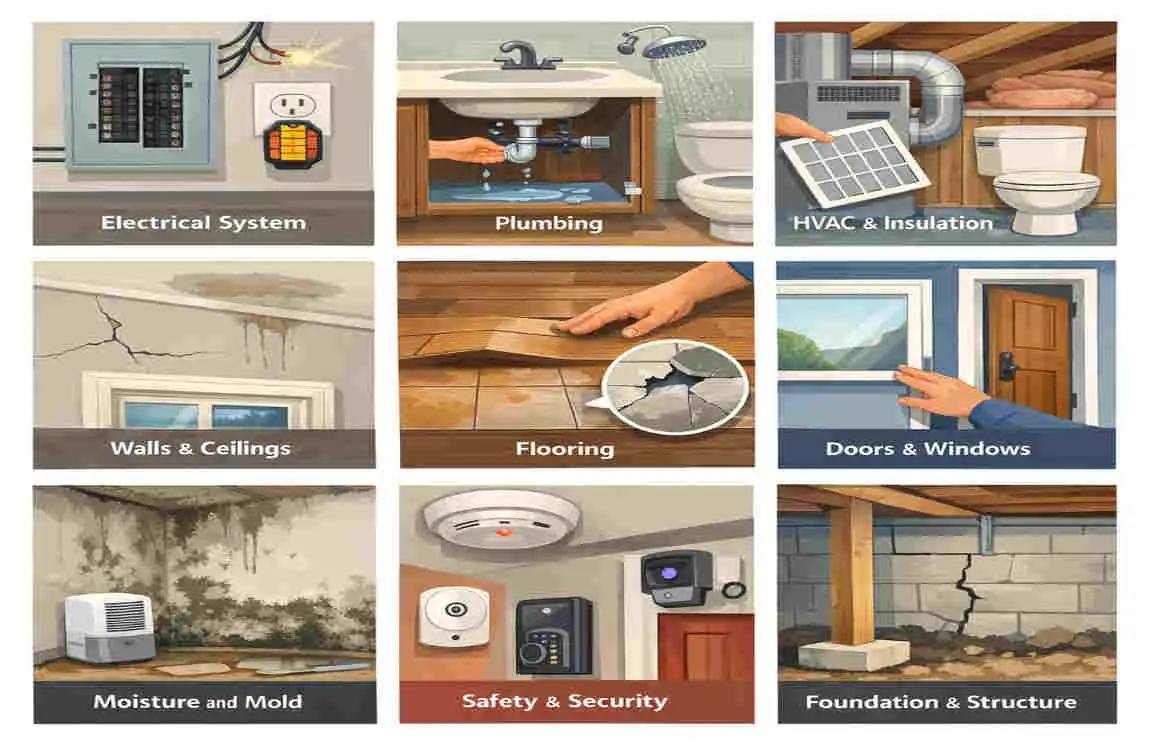
When assessing the interior of a house, you are doing more than taking a quick walk through the rooms. You are trying to understand how well the home has been cared for, what problems may already exist, and what repairs could be waiting for you later.
This matters a lot whether you are buying, renting, or planning a renovation. A house can look clean and attractive on the surface, but hidden issues may still be there. Fresh paint, nice furniture, and stylish décor can hide cracks, stains, old leaks, or worn-out systems.
That is why a careful interior assessment of the house is so useful. It helps you notice small warning signs before they turn into bigger and more expensive problems. It also gives you a better idea of how much work the home may need after you move in.
Understanding What to Look for When Assessing the Interior of a House
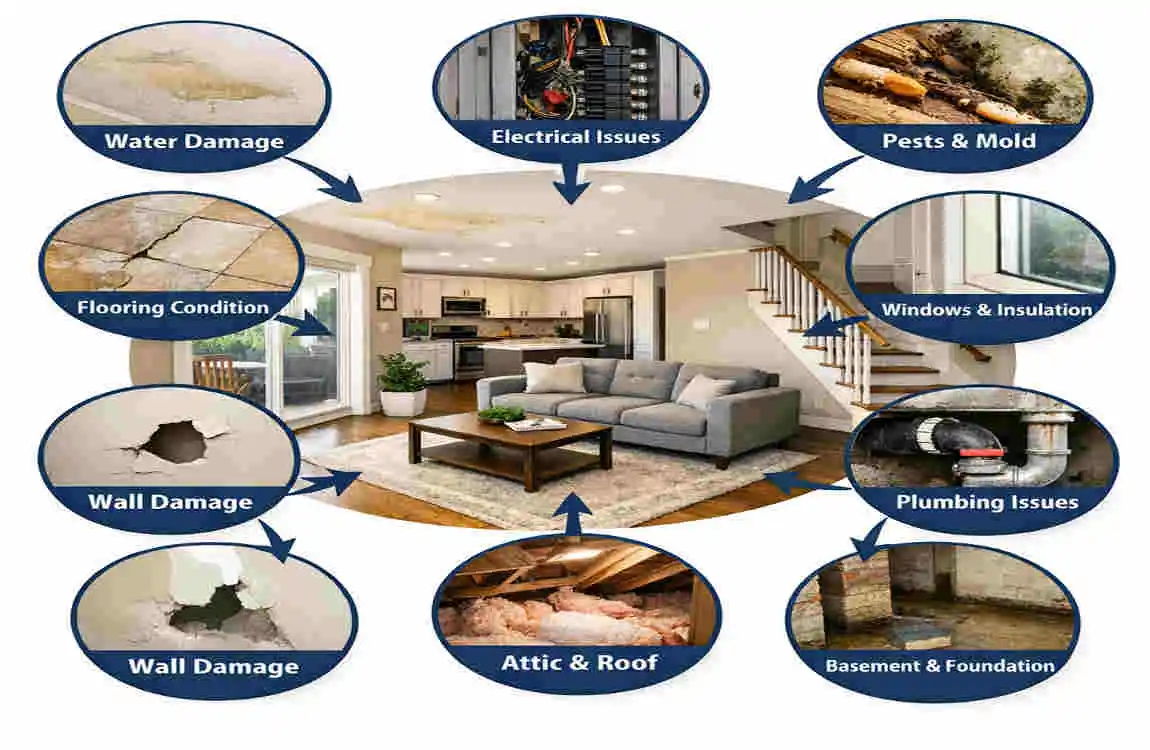
Why the interior matters so much
The inside of a house tells a story. It shows how the home has been used, how well it has been maintained, and whether there may be deeper problems hidden behind the walls or under the floors.
You do not need to be an expert to notice many of the warning signs. In fact, a simple, careful walk-through can reveal a lot. Cracks, water stains, uneven floors, poor lighting, bad smells, or loose fixtures may all point to bigger concerns.
If you are buying a home, these details can affect the final price. If you are renting, they can affect comfort and safety. If you are renovating, they can shape the size and cost of your project.
Basic interior assessment vs. professional inspection
A basic assessment is what you do yourself. You look closely at the rooms, test what you can, and note anything that seems unusual.
A professional home inspection goes deeper. An inspector may use moisture meters, ladders, electrical testers, and other tools to look for hidden issues. They also know where to look for signs of structural problems, old leaks, faulty wiring, or ventilation trouble.
Still, your own review is important. It helps you decide whether the home is worth a full inspection and what areas deserve the most attention.
Look beyond the surface.
One common mistake is focusing only on the pretty parts of the house. A fresh wall colour or modern sofa can easily distract you. But the real questions are different.
Ask yourself:
- Does the room feel dry and solid?
- Are the walls, floors, and ceilings in good shape?
- Do the windows and doors work properly?
- Are the kitchen and bathroom functional and clean?
- Do the systems seem safe and reliable?
These questions give you a much better picture than decoration alone.
Think like a future owner.
When you are inside the house, imagine living there every day. Open doors. Test switches. Look under sinks. Check corners and ceilings. Notice if rooms feel damp, dark, cramped, or noisy.
That kind of attention helps you judge not just how the home looks, but how it will actually work for your life.
Check the Walls, Ceilings, and Floors
Walls
Walls often reveal early signs of trouble. Look carefully for cracks, stains, damp patches, peeling paint, or uneven surfaces. Small cracks can be normal in some homes, but wide cracks or those that keep growing may indicate movement or settling.
Water marks on walls are especially important. They may show a leak from the roof, plumbing, or an upper floor. If you notice dampness, bubbling paint, or a musty smell near the wall, that is worth a closer look.
Also watch for bulging or warped sections. These may suggest moisture damage or poor construction work. Even if the problem looks small, it can lead to bigger repair bills later.
Ceilings
Ceilings can hide or reveal serious issues. Check for discolouration, sagging, cracks, or old leak marks. A ceiling that looks uneven or soft should always raise concern.
Pay extra attention around bathrooms, kitchens, and any room below the roof. These spaces often show the first signs of plumbing leaks or roof problems.
If you see brown rings, water stains, or peeling paint overhead, ask where the moisture came from and whether it has been fixed. An old-looking stain may still indicate a problem that needs confirmation.
Floors
Floors are easy to overlook, but they matter a lot. Walk through each room slowly and notice whether the floor feels level, firm, and stable.
Look for:
- Loose boards
- Broken tiles
- Soft spots
- Uneven sections
- Stains or swelling
- Squeaks that seem unusual
Some floor issues are simple cosmetic problems. Others suggest water damage, rot, or a weak subfloor. A soft or bouncy area, for example, may need more than a simple repair.
If the floor is damaged, consider the cost of repairs. New flooring can be expensive, especially if the old material needs to be removed first. This is why the condition of the flooring should always be part of your home interior inspection.
What floor problems can mean?
A damaged floor does not always mean the house is unsafe. But it may signal moisture issues, past flooding, termites, or long-term wear. In older homes, it can also show where the structure has shifted over time.
That is why it helps to take floor issues seriously, even if they seem minor at first.
Inspect Windows, Doors, and Interior Finishes
Windows
Windows affect comfort, light, airflow, and energy use. During your interior check, make sure each window opens and closes properly.
Look for:
- Broken or damaged frames
- Condensation between glass panes
- Drafts around the edges
- Missing latches
- Cracks in the glass
- Signs of rot or moisture damage
Windows that do not open well may be old, swollen, or poorly fitted. Condensation inside double-pane glass may mean the seal has failed. That can lower energy efficiency and increase heating or cooling costs.
If you feel cold air coming in around the window, the seal may be weak. That can matter a lot in winter and may lead to higher bills.
Doors
Doors should open smoothly, close fully, and align properly with the frame. If a door sticks or drags, it may be due to humidity, poor alignment, or movement in the house.
Check the hinges, locks, handles, and frames. Look for:
- Gaps around the edges
- Swelling from moisture
- Damage near the bottom
- Loose hardware
- Signs of previous patching
A door that does not shut properly might seem minor, but it can point to bigger issues with settling, moisture, or frame damage.
Interior finishes
Interior finishes include trim, baseboards, mouldings, built-in shelves, and cabinetry. These features may not be structural, but they still tell you a lot about the house.
Look for poor artistry, cracks around joints, peeling paint, or signs of old repairs. If finishes were patched badly, the homeowner may have been covering up a deeper problem.
A neat finish usually suggests care. A rough or mismatched finish may suggest rushed repairs or repeated damage.
Why these details matter
Windows, doors, and finishes are not just decorative. They affect comfort, safety, and the amount of work the home may need. They also show how well the current owner has maintained the property.
If several small items seem off, do not ignore them. A pattern of minor problems can indicate larger maintenance issues.
Examine the Kitchen and Bathrooms

Kitchen
The kitchen is one of the most important areas to inspect because it combines plumbing, storage, appliances, and electrical use in one space. It is also a room where damage can hide easily.
Check cabinets, countertops, sinks, faucets, and appliances. Open cabinet doors and look underneath the sink for leaks, stains, rust, or soft wood. If you smell mildew or see dark spots, moisture may be present.
Also look at the layout. Is there enough storage? Is the lighting good? Does the kitchen feel easy to use, or does it feel cramped and awkward?
A kitchen can look attractive and still be hard to live in. Function matters as much as style.
Watch for leaks and moisture.
Even a small leak in the kitchen can cause bigger problems over time. Water can damage cabinets, floorboards, and walls. It can also create mould if it stays hidden for too long.
If possible, run the faucet and watch how the water drains. Look at the pipe connections under the sink. Check whether the area feels damp or smells musty.
Bathrooms
Bathrooms require close attention because moisture is always present. Check toilets, showers, bathtubs, sinks, drains, grout, caulk, and ventilation.
Look for:
- Water stains on walls or ceilings
- Loose or cracked tiles
- Mould around the shower or tub
- Weak water pressure
- Slow drains
- Damaged grout or caulking
- Rust or corrosion on fixtures
A bathroom with poor ventilation can trap moisture and create ongoing problems. If the room fogs up quickly and stays damp, the fan may not be doing its job.
Why moisture problems should be handled early
Moisture problems rarely stay small. They spread slowly, damage materials, and create hidden repair bills. That is why bathrooms and kitchens should always be part of a careful interior house assessment.
If you find signs of water damage, ask how long the issue has been present and whether it has been properly fixed. A quick patch is not always a real repair.
Review Plumbing, Electrical, Heating, and Ventilation Systems
Plumbing
Plumbing is one of the most important systems in the home. Start by checking visible pipes, faucets, sinks, toilets, and drains.
Look for corrosion, leaks, loose fittings, and water stains. Turn on faucets and see whether the water pressure is steady. Watch how fast sinks and tubs drain.
Slow drainage may mean blockage or old piping. Low water pressure may point to plumbing problems or supply issues. These are not always emergencies, but they should not be ignored.
Electrical system
You do not need to open panels to spot some electrical issues. Start with switches and outlets that are easy to access. Test them if allowed.
Look for:
- Loose outlet covers
- Sparks or burning smells
- Warm outlets
- Flickering lights
- Damaged cords or fixtures
- Too many plugs in one outlet
If outlets are crowded or overloaded, it can pose a safety risk. Older homes may also have outdated wiring that needs professional review.
For anything that looks unsafe, stop there and call a qualified professional. Electrical problems are not something to be guessed at.
Heating and cooling
Heating and cooling systems affect comfort and cost. Look at visible equipment and ask how old the system is. Check for rust, noise, dust buildup, or poor airflow.
If the house has vents, feel whether air moves freely through them. Uneven heating or weak cooling may mean the system needs service or replacement.
A home with weak heating or cooling may still be livable, but repair costs can add up quickly.
Ventilation
Good ventilation helps control moisture, smells, and indoor air quality. Check bathrooms, kitchens, laundry areas, and any room that feels closed in or damp.
If the house feels stuffy, mouldy, or overly humid, the ventilation may be poor. That can lead to larger issues over time, including moisture damage and discomfort.
When to call a professional
A trained expert should always handle some issues. That includes dangerous electrical concerns, gas-related problems, serious heating failures, and major plumbing leaks.
Your own inspection can help you spot warning signs, but it should not replace professional judgment when safety is involved.
Look for Hidden Problems and Estimate Future Costs
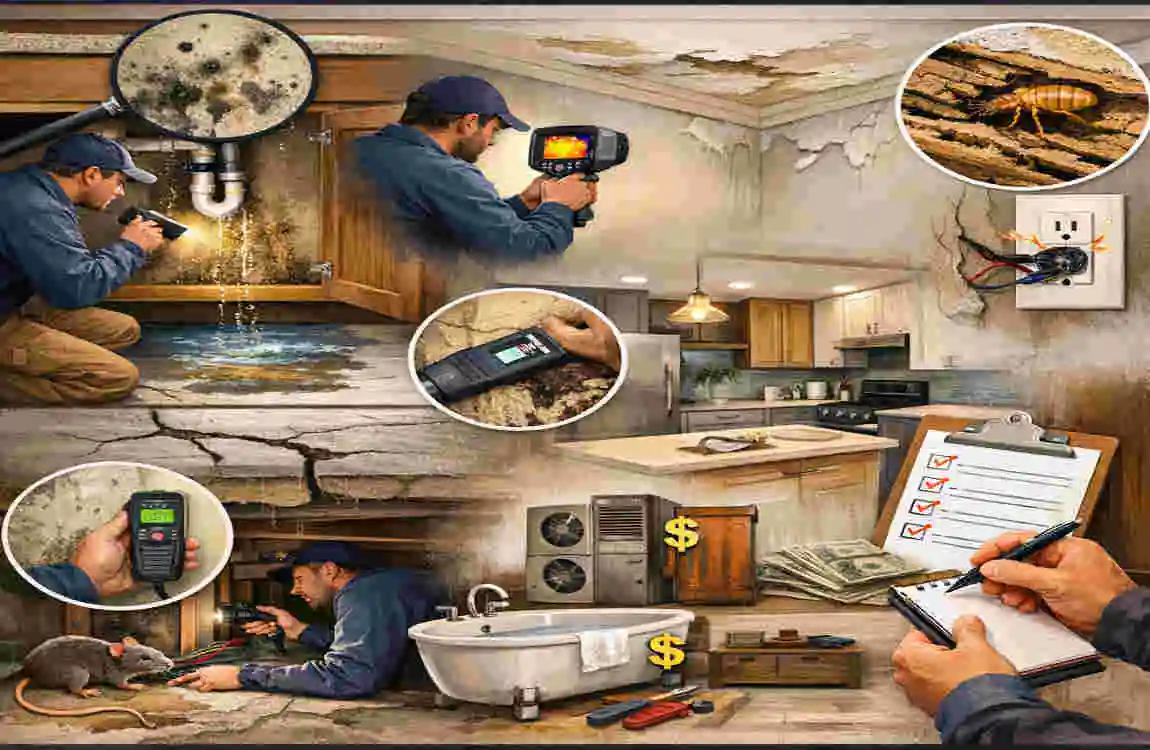
Warning signs that are easy to miss
Some of the most important problems are not obvious at first. You may need to look closely, open doors, and check places that others ignore.
Pay attention to:
- Musty or damp odours
- Mould in corners or behind furniture
- Pest droppings or damage
- Poor airflow
- Dark stains inside closets
- Water marks under sinks
- Hidden damage near baseboards
These small signs can reveal much bigger issues.
Check less obvious spaces.
Do not limit your review to the centre of the room. Look inside closets, under sinks, behind furniture if possible, and near corners where moisture may collect.
Closets can show signs of leaks or poor air movement. Under sinks often reveal plumbing trouble. Behind furniture, you may find stains, cracks, or old damage that the seller hoped you would not notice.
Separate cosmetic issues from major concerns
Not every flaw is a deal breaker. Some problems are only cosmetic. For example, chipped paint or dated cabinet handles may not be urgent.
Major concerns are different. They include structural damage, active leaks, electrical hazards, mould, and failing systems.
A helpful way to think about it is this:
- Urgent safety problems: need immediate action
- Major maintenance issues: likely costly and important
- Functional improvements: affect daily use and comfort
- Cosmetic upgrades: improve appearance but are less urgent
This simple order helps you decide where to focus first.
Estimate future costs before buying.
If you notice several repairs, think about the likely cost. Flooring replacement, bathroom repairs, window fixes, and electrical updates can all be expensive.
You do not need an exact number right away, but you should have a rough idea. That way, you can decide whether the home still fits your budget.
A house with a lower sale price may not actually be cheaper if it needs major work. This is why an interior assessment is so valuable before making an offer.
FAQ
What should I check first when assessing the interior of a house?
Start with the walls, ceilings, floors, and signs of moisture. These areas often show the earliest and most important warning signs.
How do I identify water damage inside a house?
Look for stains, peeling paint, soft surfaces, musty smells, mould, and warped materials. Water damage often appears near bathrooms, kitchens, windows, and ceilings.
What interior problems should buyers be most concerned about?
Buyers should pay close attention to structural damage, leaks, mould, electrical hazards, and major plumbing problems. These issues can affect safety and repair costs.
Should I hire a professional home inspector?
Yes, in most cases. A professional inspector can spot problems you may miss and give you a more complete picture of the home’s condition.
How can I estimate interior repair costs before buying a house?
Start by listing the needed repairs, then compare them to typical local costs for labour and materials. If the work seems large or uncertain, ask a contractor for a rough estimate.
What are common signs of poor house maintenance?
Common signs include peeling paint, mould, dirty vents, water stains, broken fixtures, damaged flooring, and unfinished or sloppy repairs.
| Area to Check | What to Look For | Why It Matters |
|---|---|---|
| Walls & Ceilings | Cracks, stains, dampness, peeling paint | May indicate structural or moisture issues |
| Floors | Uneven surfaces, damaged tiles, squeaks | Reveals wear, movement, or hidden problems |
| Doors & Windows | Proper operation, damaged frames, drafts | Helps assess security, insulation, and condition |
| Electrical System | Working outlets, switches, and visible wiring | Identifies potential electrical concerns |
| Plumbing | Leaks, water pressure, drainage, stains | Helps detect costly water-related problems |
| Kitchen | Cabinets, appliances, counters, ventilation | Shows functionality and potential replacement costs |
