
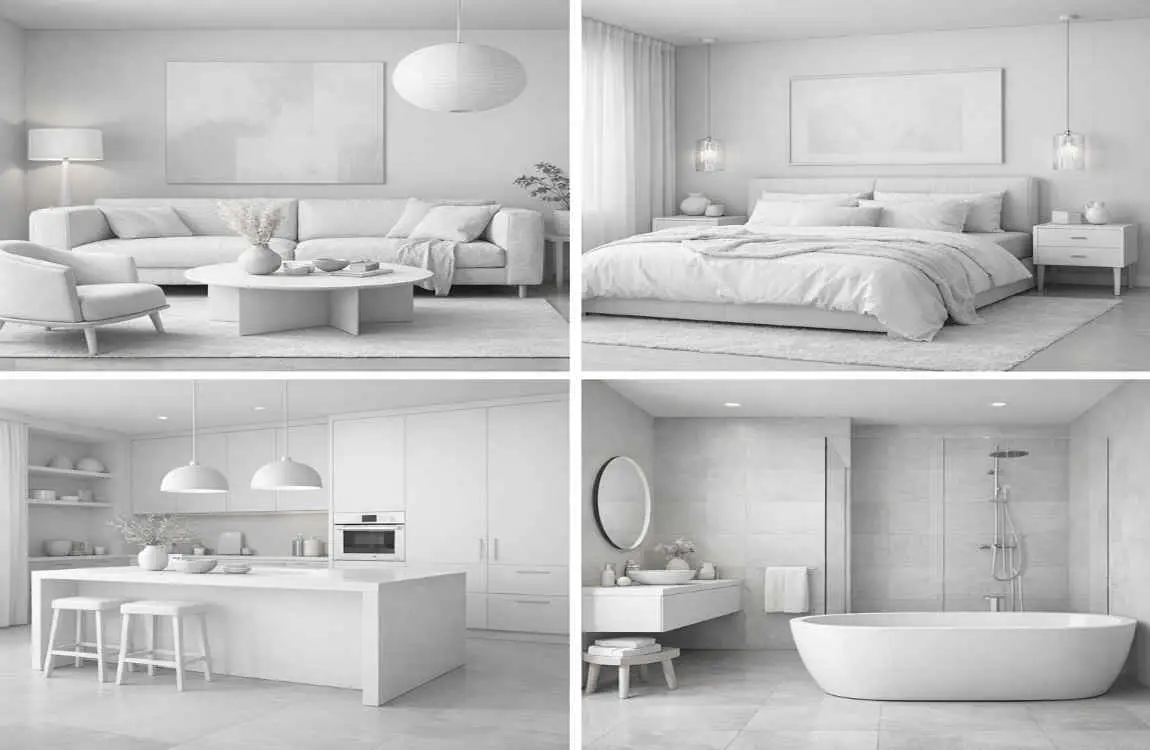
What is monochrome interior design? In simple terms, it is a decorating style that uses different shades, tones, and tints of a single main colour. That means the room stays within one colour family, yet it still feels rich and layered.
A monochrome room does not have to be black and white. It can be beige, blue, green, grey, terracotta, or almost any other colour. The key is consistency.
This style is popular because it creates a clean, calm, and coordinated look. It helps a room feel organised without looking overly busy. If you want a home that feels modern and polished, monochrome design is a great place to start.
What Is Monochrome Interior Design?
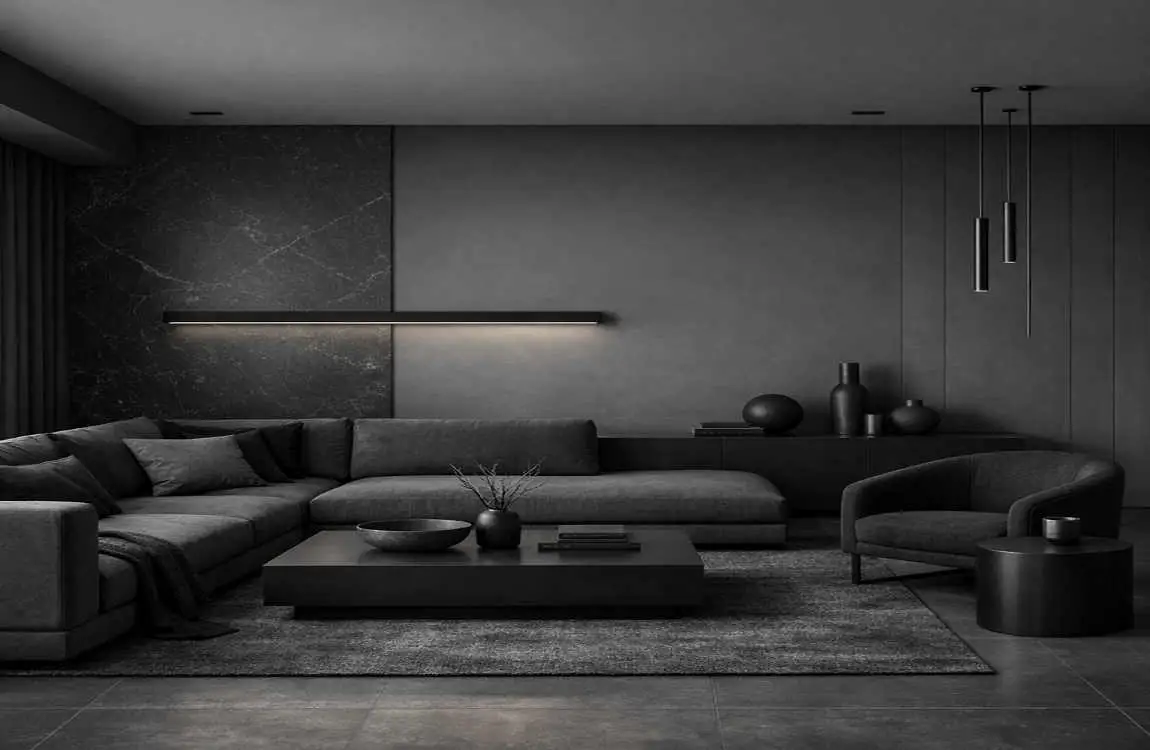
Simple Definition of Monochrome Design
Monochrome interior design means building a room around one base colour and then using lighter and darker versions of that colour throughout the space.
For example:
- A beige room may include cream walls, tan furniture, and brown accessories.
- A blue room may use pale blue walls, dusty blue curtains, and navy accents.
- A green room may mix sage, olive, and deep forest shades.
The room still feels unified, but it does not look flat.
Monochrome vs Black-and-White Design
Many people think monochrome means black and white. That is only one version.
Black-and-white interiors are one type of monochrome-style design, but monochrome can also use almost any colour. So if you love soft grey, warm brown, or calming green, you can still create a monochrome room.
Why Monochrome Interiors Feel Stylish
Monochrome spaces often feel stylish because they look intentional. There is less visual clutter, and the room feels more put together.
They also work well with both minimalist and luxurious homes. A simple palette can feel calm and modern, while rich textures and finishes can make it feel elegant.
Key Elements of Monochrome Interior Design
Choosing a Dominant Colour
Start with one colour that fits the room and the light it gets.
Warm colours like beige, terracotta, and brown create a cosy feeling. Cool colours like grey, blue, and green often feel fresh and calm.
Also think about your furniture, flooring, and wall colour. The best monochrome design works with what is already in the room.
Using Different Shades and Tones
A strong monochrome room never relies on a single exact shade throughout.
Instead, it uses a mix of:
- Light shades
- Mid-tones
- Darker accents
This creates depth and keeps the room from feeling flat. The eye notices changes in tone, even when the colour family stays the same.
Adding Texture for Visual Interest
Texture matters a lot in monochrome design. When colour variety is limited, texture becomes the main way to add interest.
Try mixing materials like:
- Wood
- Linen
- Wool
- Velvet
- Stone
- Glass
- Metal
These surfaces make the room feel layered and real.
Balancing Light and Dark Elements
A good monochrome room has balance.
Lighter shades can make a small space feel open and airy. Darker tones can add weight and help the room feel grounded.
If you use only light colours, the room may feel too plain. If you use too many dark shades, it may feel heavy. The best result comes from thoughtfully mixing both.
How to Choose a Monochrome Colour Palette
Neutral Monochrome Palettes
Neutral palettes are a safe and timeless choice. Think of beige, cream, taupe, ivory, and warm grey.
These colours work well because they are easy to live with. They also match many styles of furniture and decor.
If you want a calm home that will not feel dated quickly, a neutral monochrome palette is a smart option.
Blue Monochrome Interiors
Blue is a favourite for bedrooms, living rooms, and home offices.
You can use shades like:
- Pale blue
- Dusty blue
- Medium blue
- Navy
Blue often feels peaceful and refined. Lighter blues make a room feel soft, while darker blues give it more depth and drama.
Green Monochrome Interiors
Green brings a natural, fresh feeling into the home.
Shades like sage, olive, forest green, and soft green work well together. Green also pairs beautifully with wood, stone, and woven textures.
If you want your home to feel grounded and organic, green is a strong choice.
Grey Monochrome Interiors
Grey is one of the most modern monochrome options.
It can include:
- Light gray
- Silver
- Medium gray
- Charcoal
Grey gives a room a clean look, but it can feel cold if you do not warm it up. Use soft fabrics, wood tones, or warm lighting to make it feel more comfortable.
Warm Earth-Tone Palettes
Earth tones create a cosy and welcoming room.
Useful shades include:
- Terracotta
- Rust
- Caramel
- Tan
- Warm brown
These colours work especially well with natural materials and soft lighting. They make a space feel lived in and comfortable.
Monochrome Interior Design Ideas for Every Room
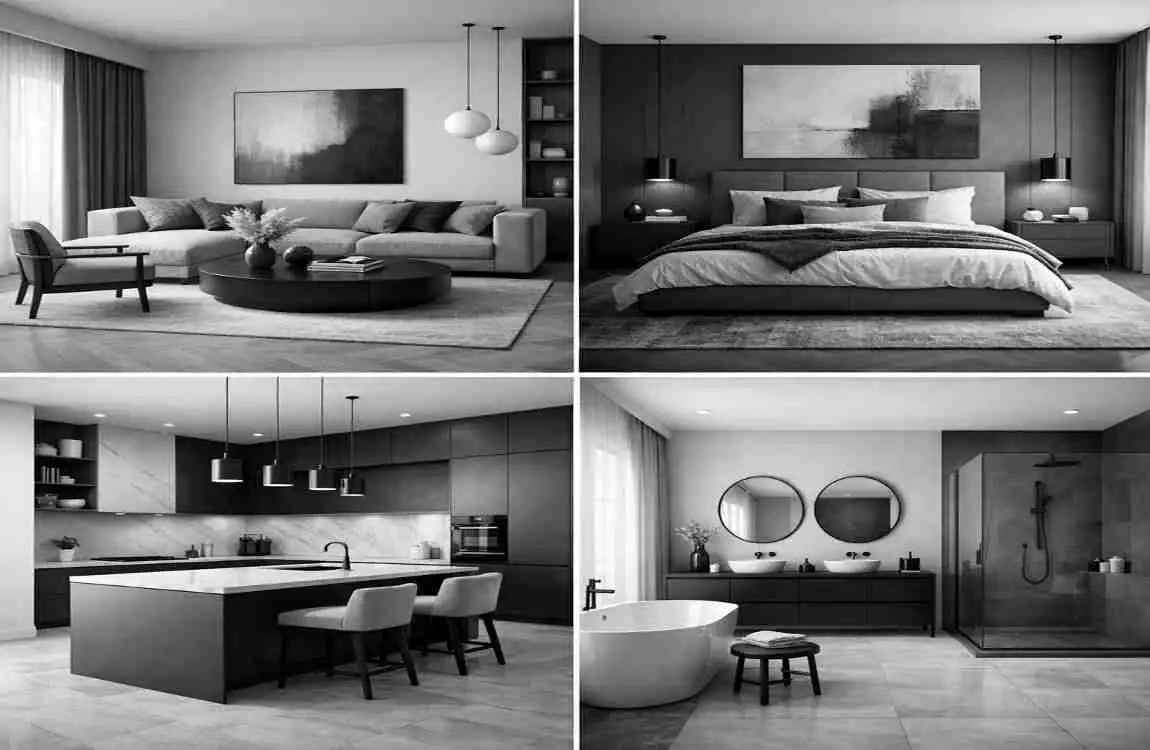
Monochrome Living Room
The living room is a great place to try this style.
Use one main colour across the walls, sofa, rug, curtains, and accessories. Then vary the shades so the room has depth.
For example, a grey living room might feature pale grey walls, a medium grey sofa, and charcoal cushions. Add texture through rugs, throws, and artwork.
Monochrome Bedroom
Bedrooms benefit from a calm, controlled palette.
Soft monochrome colours can help the room feel restful. You can coordinate bedding, curtains, walls, and decor in the same colour family.
Use darker shades in small amounts to add depth without making the room feel heavy.
Monochrome Kitchen
In kitchens, monochrome can look very sleek.
You can match cabinets, backsplashes, countertops, and hardware within one colour range. A mostly white or grey kitchen can feel especially clean and modern.
If the space feels too plain, add natural wood or stone texture without breaking the overall colour theme.
Monochrome Bathroom
Bathrooms often look elegant in monochrome tones.
Tile, vanity, walls, and fixtures can all work together within a single colour family. Reflective surfaces and good lighting help the room feel brighter and more polished.
A black, white, or grey bathroom can feel especially crisp and sophisticated.
Monochrome Home Office
A monochrome office can help you stay focused.
A controlled colour palette reduces distractions and makes the room feel organised. Use practical furniture, then layer in subtle decor and soft textures.
This works especially well if you want a workspace that feels calm and professional.
How to Create a Monochrome Interior Without Making It Boring
Layer Different Shades
This is the most important rule.
Do not use the same colour on every surface. Start with a main shade, then add lighter and darker versions around the room.
This small change makes the room feel much more alive.
Mix Textures and Materials
If the colour story is simple, texture has to do more work.
Try mixing soft and hard surfaces. For example, combine linen curtains with a wood table, a stone vase, and a metal lamp. The colour stays consistent, but the room still feels interesting.
Introduce Patterns Carefully
Patterns can work in a monochrome room as long as they stay subtle.
Good choices include:
- Tone-on-tone stripes
- Soft geometric prints
- Textured fabrics
These details add personality without breaking the colour scheme.
Use Lighting to Enhance the Palette
Lighting changes how monochrome colours look.
Natural daylight can make pale colours feel fresh. Warm lamps can make earth tones feel richer. Cooler lighting can make grey and blue palettes feel sharper.
Use a mix of ceiling lights, floor lamps, and accent lighting to bring out the room’s different shades.
Add Small Accent Details
You do not need many accessories.
A few well-chosen pieces can be enough:
- Artwork
- Books
- Cushions
- Ceramics
- Plants
- Decorative objects
If you want a strict monochrome look, keep these items within the same colour family.
Common Monochrome Interior Design Mistakes to Avoid
Using Only One Exact Shade
A room filled with one exact shade can feel flat and lifeless.
Instead, use several versions of the same colour. Even small changes in tone can make a big difference.
Ignoring Texture
Texture is what keeps a monochrome room from looking empty.
If everything has the same smooth surface, the room may feel dull. Mix materials to create depth.
Making Everything Too Dark
Too many dark shades can make a room feel smaller.
Balance deep colours with lighter ones and make sure the room has enough light. That keeps the space open and comfortable.
Forgetting the Room’s Natural Light
A colour can look very different depending on the light.
Always test paint or fabric samples in the room itself. Morning light, afternoon light, and artificial light can all change the look.
Overusing Matching Furniture
Perfectly matching furniture can make the room feel too staged.
It is better to use pieces with different shapes and materials while staying in the same colour family.
Benefits of Monochrome Interior Design
Monochrome design offers several clear benefits:
- Creates a cohesive and organised appearance
- Makes decorating simpler
- Works well in modern and minimalist homes
- Lets textures and furniture shapes stand out
- Can make small rooms feel more unified
- Feels stylish without needing a full renovation
Because the palette is controlled, it is also easier to update the room later without having to start from scratch.
Practical Tips for Designing a Stylish Monochrome Home
Before you buy anything, choose your main colour. That decision makes everything else easier.
Then build your palette with light, medium, and dark variations. Test your colours in natural and artificial light. Use texture to create contrast. Keep the largest surfaces balanced so the room does not feel too heavy or too empty.
Suggested Monochrome Colour Formula
Element Suggested Approach
Walls Light or medium shade
Large Furniture Medium or complementary tone
Flooring Neutral or deeper variation
Textiles Mix light and medium shades
Accessories Darker accent tones
Texture Wood, linen, wool, stone, metal
Lighting Warm or neutral lighting based on the palette
Is Monochrome Interior Design Right for Your Home?
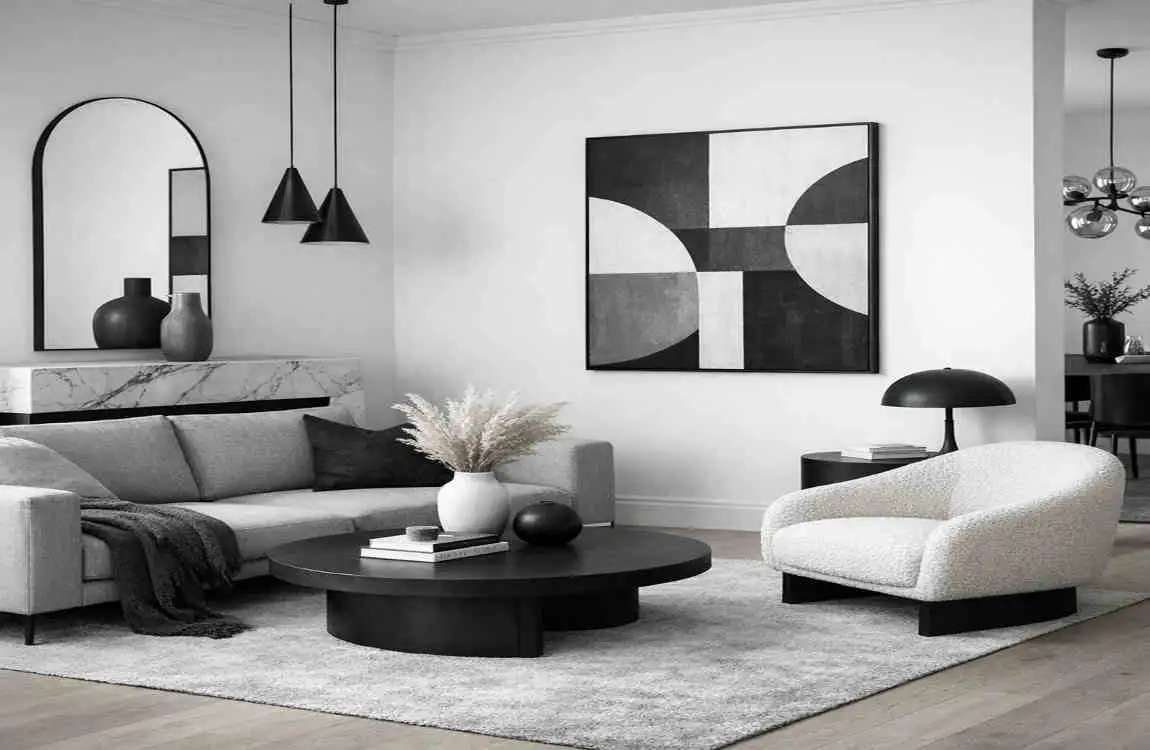
Monochrome design works well for many homes. It can suit apartments, family homes, bedrooms, offices, and open-plan spaces.
It is especially helpful if you want a calm, clean look without using too many colours. You can also adapt it to your own style. Some people like soft, neutral rooms, while others prefer bolder shades like navy, forest green, or charcoal.
You do not need an expensive renovation to try this style. You can start with one room, or even a small corner, and build from there.
Frequently Asked Questions
What is monochrome interior design?
It is a design style that uses different shades, tints, and tones of a single primary colour.
Is monochrome interior design only black and white?
No. Black and white is one option, but monochrome interiors can use many colour families.
What colours work best for monochrome interiors?
Popular choices include beige, grey, blue, green, brown, and other soft or muted shades.
How do you make a monochrome room interesting?
Use texture, tonal variation, subtle patterns, lighting, and a few carefully chosen accessories.
Can a small room use monochrome interior design?
Yes. In fact, it can work very well because it helps the space feel more unified and open.
Is monochrome interior design the same as minimalist design?
No. Monochrome is about colour choice, while minimalism is about reducing clutter and keeping things simple.
How many shades should you use in a monochrome room?
Use several variations of the same colour rather than just one exact shade.
Can you add other colours to a monochrome room?
You can, but if you want a true monochrome look, keep most of the room within one colour family.
What materials work well with monochrome interiors?
Wood, stone, linen, wool, velvet, glass, ceramic, and metal all work very well.m around that palette.
| Element | Description |
|---|---|
| Definition | Monochrome interior design uses different shades, tones, and tints of one main color. |
| Color Palette | Choose one dominant color and combine its light, medium, and dark variations. |
| Best Colors | White, gray, beige, black, blue, and green work especially well for monochrome rooms. |
| Furniture | Select furniture in similar tones while mixing shapes and materials for visual interest. |
| Textures | Add rugs, cushions, curtains, wood, stone, or fabrics to prevent the room from looking flat. |
