
Interior design is a skill, and like any skill, you get better with practice. You do not need a huge budget or formal training to start making your home look better. You only need a clear eye, a little planning, and a willingness to try things out.
Good design can make a home feel more comfortable, more useful, and more beautiful. It can help a small room feel open, a plain room feel warm, and a cluttered room feel calm.
Understand the Basics of Good Interior Design
Before you decorate, it helps to understand what makes a room work.
Learn the Principles of Interior Design
A strong room usually follows a few simple ideas.
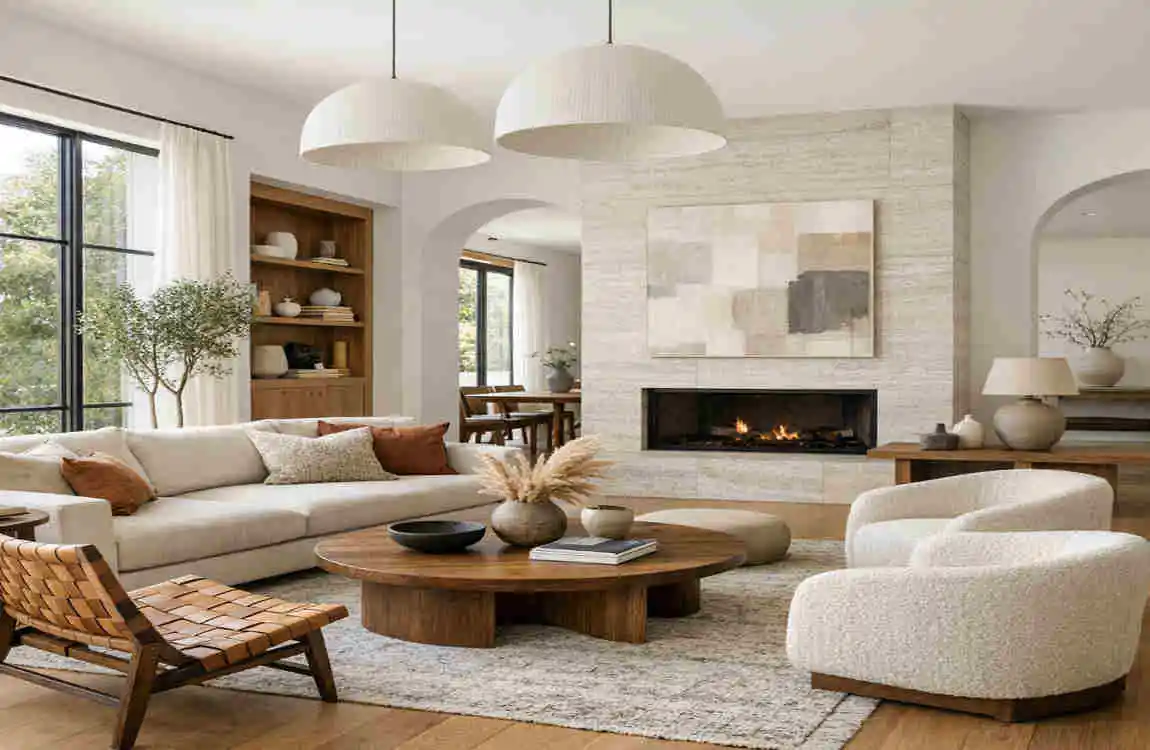
Balance means the room feels even, not heavy on one side. Proportion and scale mean the furniture fits the space. Rhythm and repetition help the eye move naturally around the room. Harmony and unity keep everything connected. Contrast adds interest so the room does not feel flat.
You do not need to memorize these terms. You only need to notice them. When a room looks right, these principles are usually working together.
Focus on Function Before Decoration
A beautiful room should still work in real life. Ask yourself how the room will be used. Will people relax there? Eat there? Work there? Sleep there?
Choose furniture that fits your daily life. A sofa should be comfortable. A table should be the right height. Storage should be easy to reach. If a room looks good but does not work well, it will never feel finished.
Study Different Interior Design Styles
It helps to explore different styles before choosing your own. Look at modern, minimalist, Scandinavian, traditional, farmhouse, contemporary, and bohemian spaces.
You may notice that you like clean lines, soft colors, natural wood, bold patterns, or cozy textures. This process helps you discover what feels right for your home and your personality.
Improve Your Interior Design Skills With Better Planning
Planning saves time, money, and frustration. It also helps you make smarter choices.
Start With a Room Plan
Measure the room before you buy anything. Check the walls, doors, windows, and floor space. This helps you avoid furniture that is too large or too small.
It is also smart to think about movement. Make sure people can walk through the space easily. A room should feel open enough to use comfortably.
Create a Design Vision
Every room needs a clear mood. Do you want it to feel calm, bright, warm, modern, or relaxed?
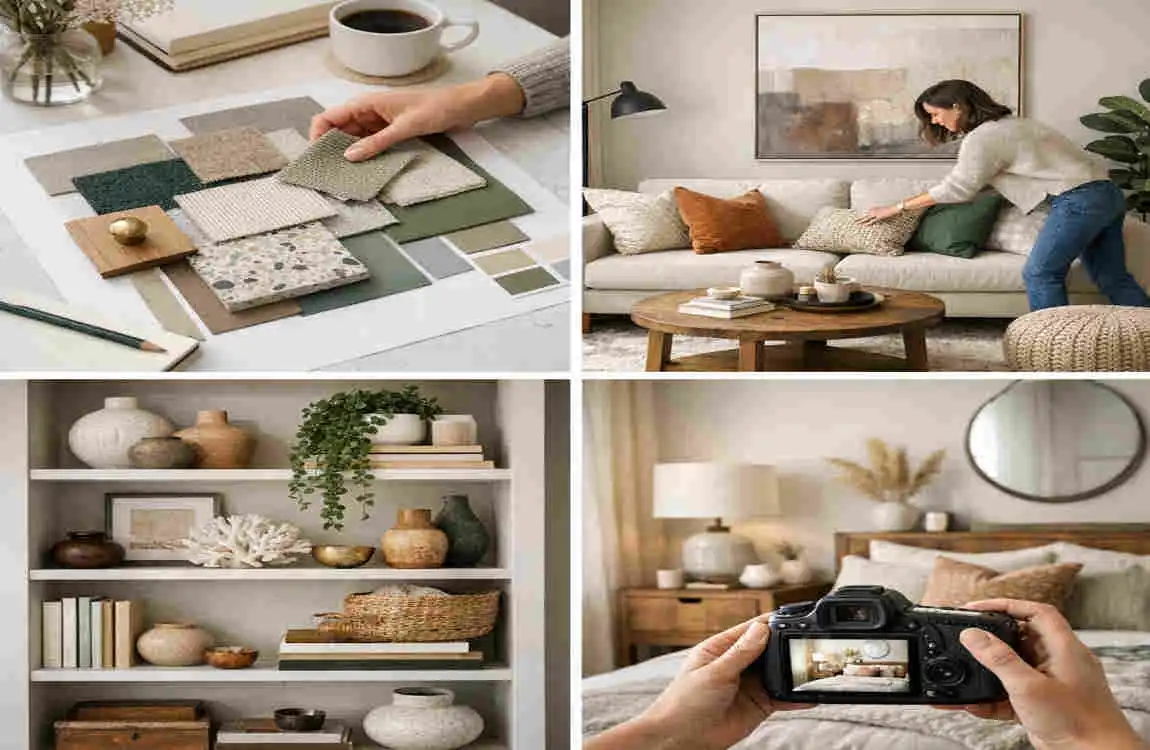
You can build a simple mood board with colors, textures, furniture styles, and decor ideas. This does not have to be fancy. Even photos you’ve saved on your phone can help you stay focused.
Avoid Common Planning Mistakes
Many people make the same mistakes when starting.
- Buying furniture that is too large
- Using too many decorative pieces
- Ignoring natural light
- Mixing too many unrelated styles
When you plan first, the room becomes easier to decorate and less expensive to fix later.
Master Color, Texture, and Materials
Color and texture shape the mood of a room more than many people realize.
Choose a Practical Color Palette
Start with one main color. Then add a supporting color and a few accents. Neutral shades often work well because they are easy to live with and easy to update later.
Warm colors can make a space feel cozy. Cool colors can make it feel calm and fresh. The best choice depends on the mood you want.
Use Texture to Add Depth
A room with only smooth surfaces can feel cold. Texture makes it more inviting.
Mix wood, fabric, glass, metal, stone, and natural fibers. Add rugs, cushions, curtains, and throws to soften the space. These details give the room depth without making it busy.
Balance Patterns and Prints
Patterns can add energy, but too many can overwhelm a room. Try mixing large and small patterns with a shared color connection.
For example, a patterned cushion can work well if it matches the color of the rug or curtain. This keeps the room interesting but controlled.
Practice the 60-30-10 Color Rule.
This is one of the easiest design rules for beginners.
Color Rule Percentage Purpose
Dominant color 60% Main base of the room
Secondary color 30% Supports the main color
Accent color 10% Adds interest and focus
This simple rule helps create balance. It is especially useful if you are learning how to improve interior design skills without feeling overwhelmed.
Get Better at Furniture, Lighting, and Room Arrangement
A room can look beautiful on paper but still feel awkward if the layout is wrong.
Select Furniture Based on Scale
Furniture should match the size of the room. Large furniture can make a small room feel crowded. Very small furniture can disappear in a large room.
Also think about ceiling height and architectural details. A room with tall ceilings may need taller furniture or stronger visual pieces to feel balanced.
Create a Strong Focal Point
Every room benefits from one clear point of interest. That could be a fireplace, a large window, a piece of artwork, a statement wall, or a special chair.
A focal point gives the room direction. It helps the eye settle rather than wander purposelessly.
Improve Lighting Design
Good lighting is one of the most important parts of interior design. One ceiling light is usually not enough.
Use natural, ambient, task, and accent lighting. Floor lamps, table lamps, pendant lights, and wall lights all play different roles. Layered lighting makes a room feel warmer and more finished.
Arrange Furniture for Conversation and Comfort
Do not push every piece against the wall. That often makes a room feel empty in the middle and disconnected at the edges.
Instead, create a seating area where people can talk easily. Keep pathways open and make sure the layout feels natural. Good arrangement makes a room more welcoming.
Use Decor to Develop Your Personal Design Style
Decor is where your personality starts to show.
Choose Accessories With Purpose
Pick pieces that mean something or serve a purpose. Artwork, mirrors, plants, books, vases, rugs, and cushions can all improve a room.
The goal is not to fill every corner. The goal is to choose items that help the room feel complete.
Add Greenery
Plants make interiors feel fresher and more alive. Even one or two plants can soften a room and add natural shape.
Choose plants based on the amount of light in the room and how much care you want to give them. A plant should fit your lifestyle, not create more work than you want.
Use Mirrors Strategically
Mirrors are useful in small rooms because they reflect light and create a more open feel. They also add a polished decorative touch.
Place them where they can reflect something attractive, like a window or a nice lamp. That makes them even more useful.
Avoid Overdecorating
A room needs breathing space. Space, also called negative space, helps the room feel calmer and more refined.
If a shelf or table feels crowded, remove a few items. A simple space often looks better than a full one.
Practice Simple Mintpal Decor-Inspired Interior Design Techniques
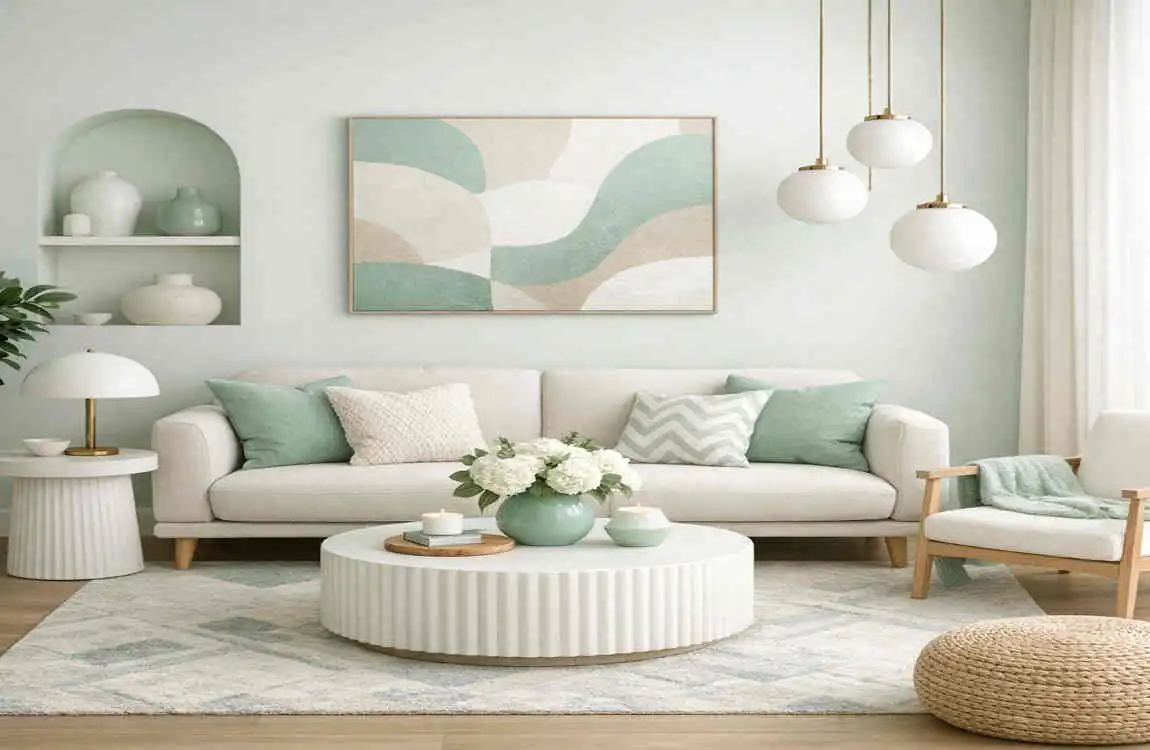
Mintpal Decor style can be understood as practical, stylish, and easy to live with. It is not about perfection. It is about making thoughtful choices.
Start Small
You do not need to redesign your whole home at once. Start with one room, or even one corner.
Try rearranging furniture, changing cushions, or adding a lamp. Small changes help you learn what works before you spend more.
Learn From Successful Interiors
When you see a room you like, ask why it works. Is it the color? The furniture size? The lighting? The spacing?
This habit helps you train your eye. Over time, you will notice patterns in what makes a room feel balanced and attractive.
Mix Style With Personality
Do not copy rooms exactly. Use them as inspiration, then adapt them to your own home.
Your home should reflect your life, your habits, and your taste. That mix is what makes a room feel real and comfortable.
Refresh a Room Without a Major Renovation
You can improve a room in simple ways:
- Change cushions and textiles
- Rearrange furniture
- Add artwork
- Bring in plants
- Update lighting
- Repaint an accent wall
These updates can make a big visual difference without a major remodel.
Common Interior Design Mistakes and How to Improve
Even good ideas can fail if they are used poorly.
Choosing Style Over Function
A chair may look great, but if it is uncomfortable, it will not work in daily life. Always check that your choices are practical.
Using the Wrong Furniture Size
Measure first. This one step prevents many problems. The right size furniture makes a room feel more natural and easier to use.
Poor Lighting
A room with only one light source often feels flat. Add layers of light to create warmth and flexibility.
Too Many Colors
Too many colors can make a room feel noisy. Keep the palette focused and let a few accents stand out.
Ignoring Empty Space
A room does not need to be full to look good. Open space gives the eye rest and helps the design feel more intentional.
Following Every Trend
Trends come and go. Use timeless basics for the main parts of the room, and add trends through smaller items that are easy to replace.
Buying Everything at Once
Good rooms often develop over time. If you buy everything at once, the result may feel rushed. Decorating gradually usually leads to better decisions.
FAQ About How to Be Better at Interior Design Mintpal Decor
How can I get better at interior design as a beginner?
Start by learning the basics of balance, color, furniture scale, and lighting. Then practice on one room at a time and observe what feels right.
How to be better at interior design with Mintpal Decor?
Focus on planning, choosing colors carefully, using furniture of the right size, improving lighting, and building a style that suits your home. That is the heart of how to be better at interior design at Mintpal Decor.
What is the most important skill in interior design?
The most important skill is balance. A good room combines function, proportion, color, lighting, and personal style.
How can I make my home look professionally designed?
Use a cohesive color palette, proper furniture scale, layered lighting, thoughtful accessories, and enough space to keep the room calm.
How do I choose the right interior design style?
Look at several styles, save the ones you like, and notice what repeats. That will help you identify your true preference.
Can I improve my interior design skills without hiring a designer?
Yes. You can learn a lot by studying basics, testing layouts, and improving your rooms step by step. A designer can help, but you can still make strong progress on your own.
How can I make a small room look better?
Use light colors, smaller furniture, mirrors, vertical storage, and good lighting. Keep the room uncluttered so it feels more open.
| Interior Design Tip | Easy Way to Improve |
|---|---|
| Understand Your Style | Explore colors, furniture, and rooms you love to identify your personal design style. |
| Use a Color Palette | Choose 2–4 complementary colors to create a balanced and cohesive room. |
| Improve Furniture Placement | Arrange furniture to create comfortable movement and clear focal points. |
| Add Proper Lighting | Combine natural light, ceiling lights, lamps, and accent lighting for depth. |
| Mix Textures | Combine materials such as wood, fabric, glass, metal, and rugs for visual interest. |
| Decorate With Purpose | Choose accessories that add personality without making the room feel cluttered. |
| Study Interior Design | Follow design trends, analyze inspiring rooms, and practice different layouts. |
| Start Small | Begin with one room or corner and gradually develop your skills and confidence. |
