
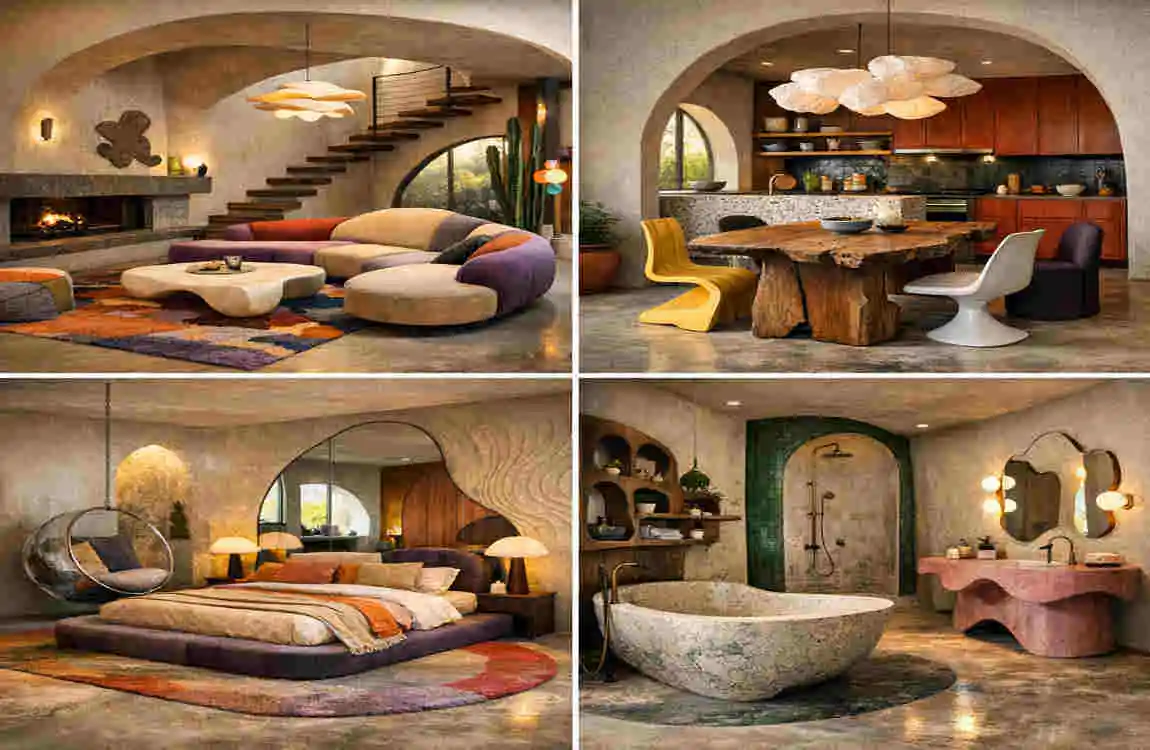
If you are wondering what “alternate interior” is, the simple answer is this: it is a creative, unconventional way to design a home’s interior. Instead of following a single fixed style, you mix layouts, colors, materials, furniture, and decor in a way that feels personal and distinct.
This style is becoming more popular because many homeowners want spaces that reflect their lifestyle, taste, and comfort, not just current trends. It also works well for modern homes, small rooms, and unusual floor plans.
Understanding Alternate Interior Home Design
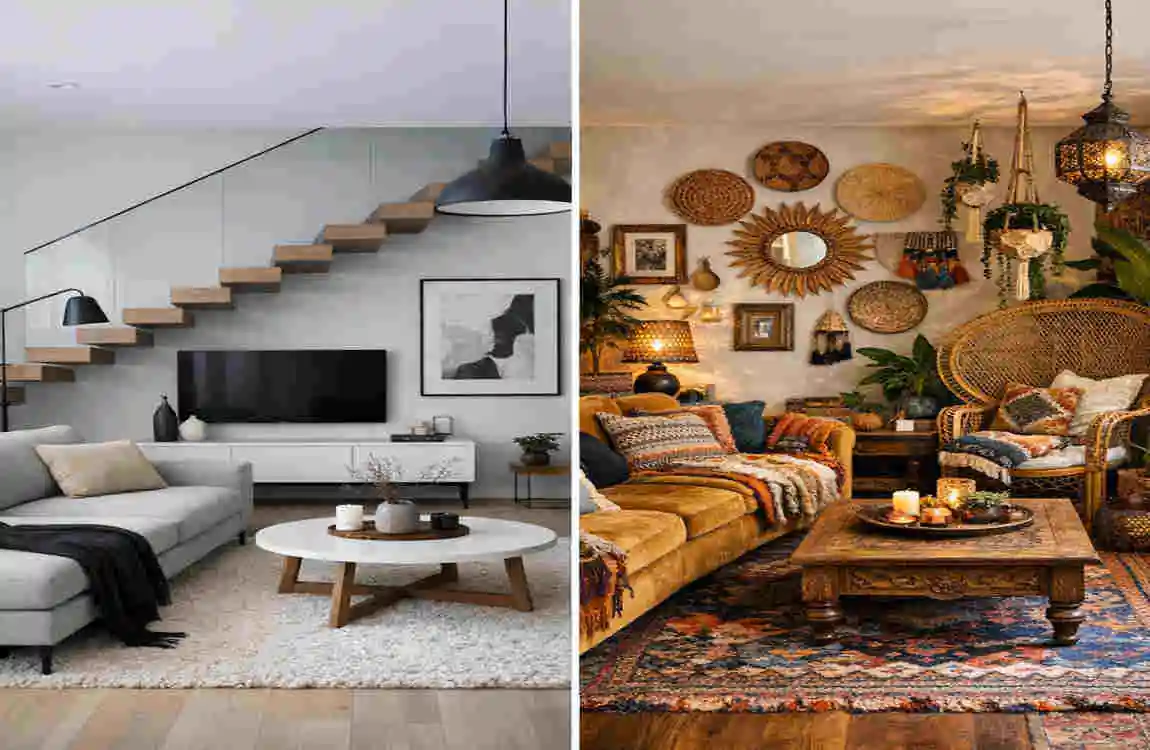
What Does Alternate Interior Mean in a Home?
Alternate interior design is a flexible design approach. It gives you room to break away from strict decorating rules and try something more personal.
Instead of following a standard layout or color scheme, you can combine different textures, unique furniture, bold accents, and creative room arrangements. The goal is not to make the space look strange. The goal is to make it feel fresh, practical, and original.
Traditional vs. Alternate Interior Design
Traditional interior design usually follows familiar patterns. You may see matching furniture sets, safe color choices, and predictable layouts.
Alternative interior design differs because it allows more freedom. You might pair modern chairs with a vintage table, use a bold accent wall, or arrange furniture unconventionally.
Here is a simple comparison:
Feature Traditional Interior Alternate Interior
Furniture Style Matching sets Mixed and unique pieces
Color Use Safe and uniform Bold or layered
Layout Standard placement Flexible and creative
Decor Simple and consistent Personal and expressive
Mood Familiar Distinctive and modern
Why Modern Homeowners Choose Alternative Interiors
Many people like alternative interiors because they feel more personal and useful. You do not have to design your home the same way everyone else does.
This style is also helpful when you want to make the most of a small home, an open-plan space, or an awkward corner. It gives you freedom to build a room around how you actually live.
Key Features of Modern Alternate Interior Design
Unconventional Room Layouts
In alternate interior design, furniture does not always need to sit in the same place you would expect. You can try layouts that create better flow, more comfort, or separate zones in one room.
For example, in a living room, you might turn chairs inward to create a conversation area. In a studio apartment, you may use a sofa to divide sleeping and living space.
This approach can make unusual room shapes feel more useful.
Mixing Styles and Materials
One of the strongest parts of alternate interior design is mixing different looks. You can combine modern and vintage, rustic and contemporary, or industrial and soft textures.
You can also blend materials like:
- Wood
- Metal
- Glass
- Stone
- Fabric
This mix adds depth and character. The key is to keep some balance so the room still feels calm and connected.
Bold and Unexpected Color Choices
Alternate interiors often use color more creatively. You may choose a deep wall color, a bright accent chair, or a strong contrast between light and dark tones.
A neutral base can help bold colors stand out without overwhelming the room. If you like color, use it in small, focused areas such as pillows, art, rugs, or one feature wall.
Statement Furniture and Decor
A statement piece can completely change a room. This could be an unusual chair, a sculptural lamp, a large piece of art, or a handmade table.
You do not need too many statement items. One or two strong pieces are often enough to give the room personality.
Creative Lighting
Lighting plays a big role in alternative interior design. It is not only about brightness. It is also about mood.
You can layer lighting with:
- Ambient lighting for overall brightness
- Task lighting for reading, cooking, or working
- Accent lighting for art or special features
This makes the room feel warmer, deeper, and more inviting.
How to Create an Alternate Interior in a Modern Home
Start With the Function of the Room
Before choosing colors or decor, think about how the room will be used. A beautiful room still needs to be comfortable and practical.
Ask yourself simple questions. Do you need a quiet space? A family room? A work area? A room for relaxing?
When you start with function, your design choices become easier.
Choose a Strong Design Direction
Alternate interior does not mean random. You still need a clear direction. That direction could be minimalist, artistic, industrial, organic, or eclectic.
A simple design theme helps the room feel unified, even if you mix different elements.
Experiment With Furniture Placement
Try moving furniture around in ways that suit your space. You do not always need to push everything against the wall.
In open spaces, you can create zones with rugs, lighting, or sofa placement. In smaller rooms, use compact furniture that still feels stylish.
Layer Colors, Textures, and Patterns
Texture can make a room feel richer without adding clutter. Think about soft cushions, woven rugs, wood surfaces, textured walls, or patterned curtains.
A controlled mix of textures and colors helps the room feel lively but not chaotic.
Add Personal and Artistic Elements
Your home should feel like your home. Add family photos, travel pieces, books, plants, or handmade items that matter to you.
These details make the room feel authentic and lived in, not staged.
Alternate Interior Ideas for Different Rooms
Living Room
The living room is a great place to try alternate interior design. You can mix a clean sofa with a vintage table, add a bold rug, or use a striking light fixture.
A large artwork or textured wall can become the main focal point.
Bedroom
In the bedroom, keep comfort in mind. Use layered bedding, soft lighting, and a calm color palette with one or two unique features.
An unusual bedside table or textured wall behind the bed can add personality without making the room feel busy.
Kitchen
A modern kitchen can still feel creative. Try mixing cabinet colors, using open shelves, or combining smooth finishes with natural wood.
The key is to keep the room easy to use and easy to clean.
Bathroom
Bathrooms can also benefit from alternate design. Interesting tiles, statement mirrors, and creative lighting can turn a simple space into something special.
Just make sure your choices are moisture-safe and practical.
Home Office
A home office works well with flexible design. Use smart storage, a comfortable chair, and decor that helps you stay focused.
A few personal objects can make the workspace feel inspiring rather than dull.
Benefits, Mistakes, and Costs of Alternative Interior Design
Benefits of an Alternative Interior
Alternative interior design offers several strong advantages:
- More personal style
- Creative freedom
- Better use of space
- Room for older or secondhand furniture
- A more distinctive home
- Flexible design for changing needs
It can also help make unusual rooms feel more usable.
Common Design Mistakes to Avoid
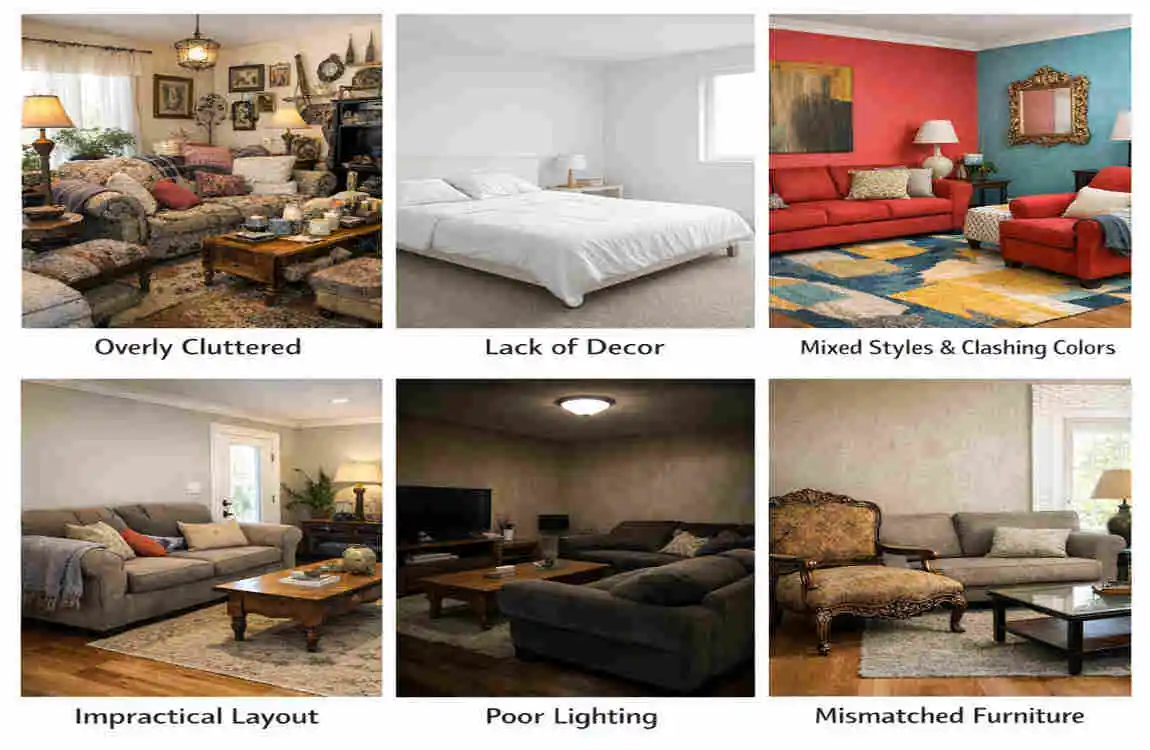
Even creative design needs balance. Try not to:
- Mix too many unrelated styles
- Use too many bold colors
- Forget about room size and scale
- Put appearance above comfort
- Fill the room with too many statement pieces
A good alternate interior still feels calm and easy to live in.
Is Alternate Interior Design Expensive?
It does not have to be. You can create this style on a variety of budgets.
Simple changes like repainting, rearranging furniture, adding plants, or buying secondhand decor can make a big difference. If you want to invest more, lighting, flooring, built-ins, and quality furniture are often worth it.
How to Make Alternate Design Look Timeless
If you want your home to age well, keep the base simple. Use durable materials, timeless colors, and a layout that works for daily life.
Then add trendier items through cushions, art, or accessories. That way, you can update the room later without starting over.
FAQ
What is alternate interior design in a home?
It usually means a creative, unconventional approach to designing a home, using varied layouts, colors, materials, and decor rather than following only traditional rules.
Is alternate interior design the same as eclectic interior design?
Not exactly. Eclectic design focuses on mixing styles. Alternative interior design is a broader term that encompasses many creative approaches.
Can alternate interior design work in a small home?
Yes. In fact, it can work very well if you use smart furniture, storage, mirrors, and multifunctional pieces.
How can I create an alternate interior on a low budget?
You can rearrange furniture, repaint walls, buy secondhand pieces, add plants, and use DIY decor.
Can modern and traditional styles be combined?
Yes. That mix often creates a beautiful result when done with balance and care.
| Aspect | Modern Alternate Interior Home Design |
|---|---|
| Definition | A creative style that combines modern simplicity with alternative, artistic design elements. |
| Color Palette | Neutral shades such as white, beige, gray, and black with bold accent colors. |
| Furniture | Clean-lined furniture mixed with unique, vintage, or artistic pieces. |
| Materials | Wood, metal, glass, stone, concrete, and natural fabrics are commonly used. |
| Lighting | Statement pendant lights, floor lamps, LED lighting, and decorative fixtures. |
| Decor | Abstract artwork, handmade accessories, plants, textured rugs, and unusual décor pieces. |
| Best Feature | Creates a stylish, personalized home while maintaining a clean and functional modern feel. |
