
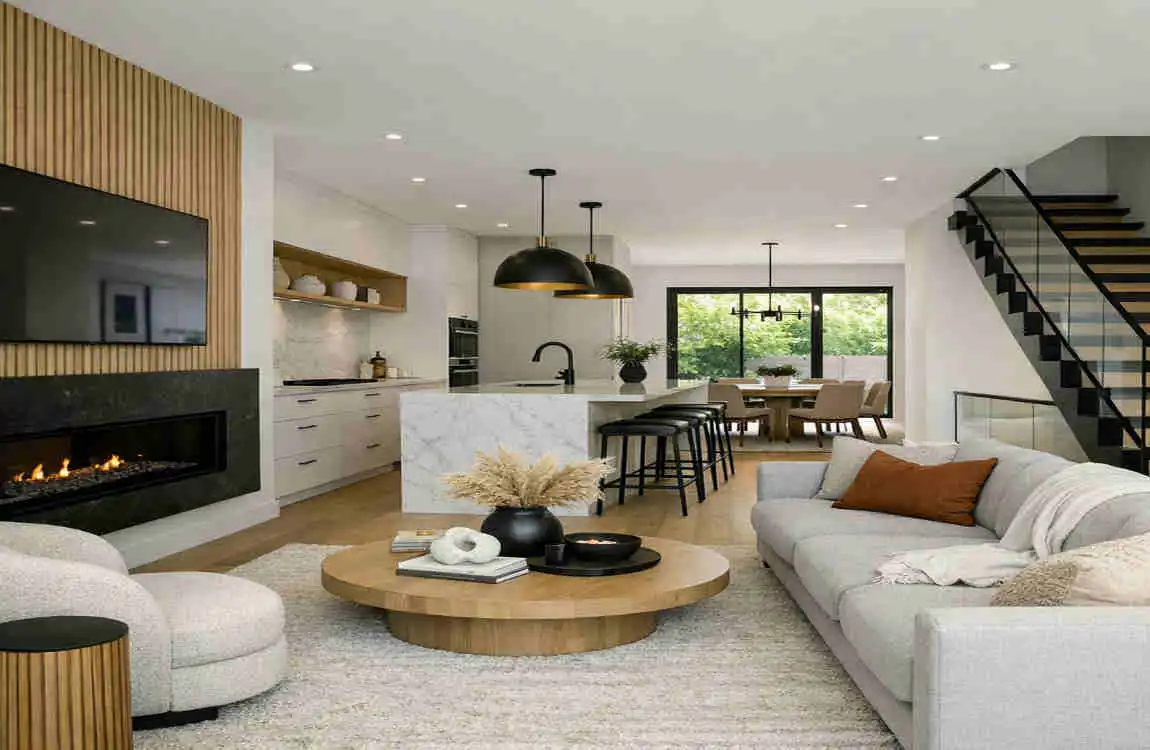
If you have ever wondered what the interior is, the simple answer is this: it is the inside space of a home or building. It includes the rooms, layout, walls, floors, lighting, furniture, colors, and overall feeling of the space.
In home design, the interior is about more than looks. It also affects comfort, function, movement, storage, and daily living. A well-planned interior can make a home feel calm, useful, and beautiful at the same time.
Understanding What Is the Interior in Home Design
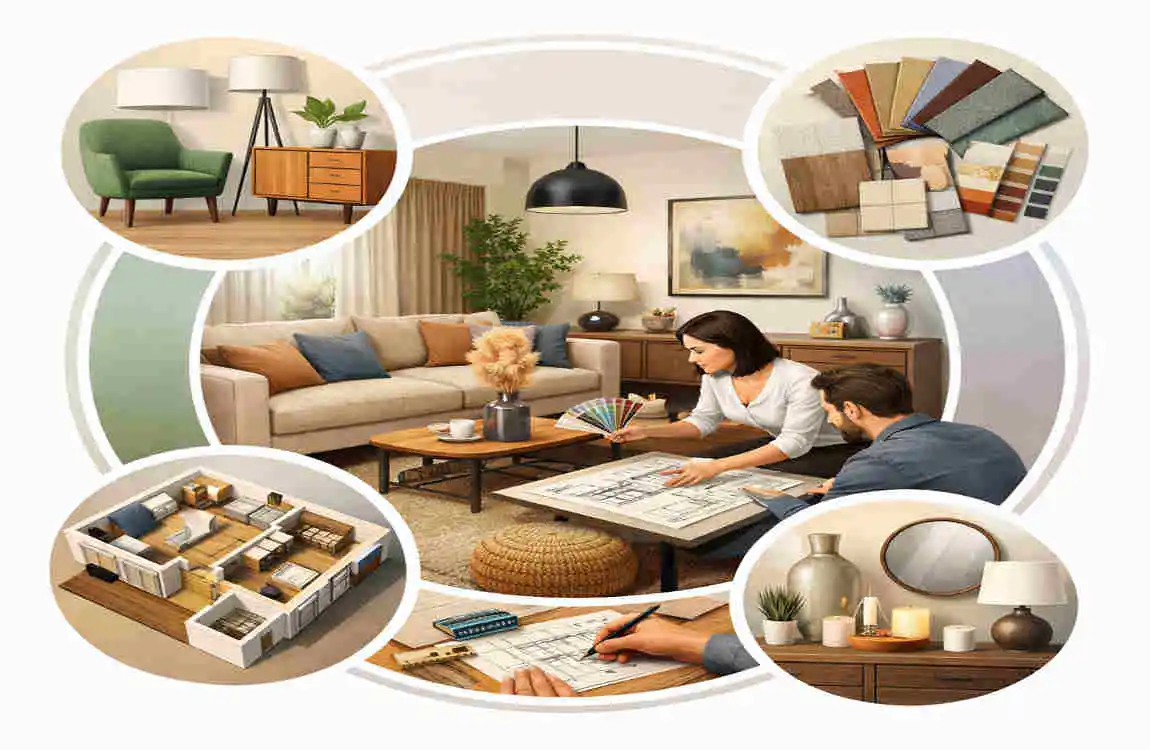
Simple Definition of Interior
The interior is the indoor part of a house or building. It includes the spaces you live in every day, such as the bedroom, kitchen, bathroom, living room, hallway, and home office.
It can also refer to the way those spaces look and function. For example, a bedroom may feel warm and restful, while a kitchen may feel bright and practical.
So, when people ask what the interior is, they are asking about both the space itself and the experience of that space.
Interior vs. Interior Design
The word interior means the inside space. Interior design means the process of planning and improving that space.
Interior design includes:
- Layout
- Colors
- Furniture
- Lighting
- Materials
- Décor
- Functionality
So, the interior is the room, but interior design is how you shape it. That is why the two ideas are often used together.
Why Interior Design Matters
A good interior affects everyday life in simple but important ways. It can help you feel more relaxed, more organized, and more at home.
It also supports privacy and productivity. A quiet bedroom helps with rest. A well-planned office helps with focus. A smart kitchen layout makes cooking easier.
Modern homeowners care about both appearance and practical use. They want spaces that look nice, but also work well in daily life.
Key Elements of a Modern Home Interior
Space and Layout
Space and layout are the starting point of any interior. They decide how people move through the home and how comfortable each room feels.
An open-plan layout can make a home feel larger and more connected. Defined rooms can create more privacy and separate different activities.
The amount of floor space also matters. A room should feel balanced, not crowded or empty.
Colors and Finishes
Color changes the mood of a room very quickly. Light colors can make a space feel open and fresh. Warm colors can make it feel cozy. Cool colors can make it feel calm.
Modern interiors often use simple color schemes with one or two stronger accent colors. This keeps the space clean but still interesting.
Finishes also play a big role. Wall paint, flooring, cabinets, and surface textures all affect the final look.
Furniture and Functionality
Furniture gives a room purpose. It also creates comfort and visual balance.
The right furniture depends on the size of the room and how you use it. A small home may need compact or multifunctional furniture. A large room may need bigger pieces to feel complete.
Good furniture should not only look good. It should also support the way you live.
Lighting
Lighting is one of the most important parts of a modern interior. It affects visibility, mood, and the overall feel of a room.
There are three main types of lighting:
Lighting Type Purpose Example
Ambient lighting General room light Ceiling lights
Task lighting Focused work light Desk lamps, kitchen lights
Accent lighting Highlights features Wall lights, spotlights
Natural light is also very important. A bright room often feels larger, cleaner, and more welcoming.
Materials and Textures
Materials help shape the interior’s style. Wood adds warmth. Stone adds strength. Glass adds lightness. Metal adds a modern edge.
Textures matter too. A smooth wall, soft rug, woven curtain, or polished table can make a room feel more layered and alive.
At the same time, materials should be durable and easy to maintain. A beautiful interior still needs to work for real life.
Modern Interior Design Styles for Homes
Minimalist Interiors
Minimalist interiors focus on simplicity. They use clean lines, limited decoration, and practical furniture.
This style works well if you want a calm and uncluttered home. It can also make smaller spaces feel larger and more open.
Minimalism is not about having nothing. It is about keeping only what you need and love.
Modern Contemporary Interiors
Contemporary interiors reflect current design trends. They often mix simple shapes, neutral tones, and flexible materials.
This style is easy to adapt. You can make it feel soft, bold, warm, or sleek depending on your choices.
It is a popular option for people who want a fresh, up-to-date look without too much decoration.
Modern Farmhouse Interiors
Modern farmhouse interiors blend comfort with clean design. They often include wood details, soft neutral colors, and cozy furniture.
This style feels welcoming and practical. It works well in family homes because it balances charm with everyday use.
Scandinavian-Inspired Interiors
Scandinavian interiors use light colors, natural materials, and simple forms. They often feel bright, peaceful, and functional.
This style is a great fit for modern homes because it keeps things simple while still feeling warm and inviting.
Luxury Modern Interiors
Luxury interiors use high-quality materials, elegant lighting, and carefully chosen furniture and décor.
Luxury does not always mean expensive. It often means thoughtful design, good proportions, and strong attention to detail.
A luxurious interior feels polished, comfortable, and intentional.
How to Create a Modern and Functional Home Interior
Start With the Purpose of Each Room
Before choosing furniture or colors, think about how each room will be used.
For example:
- Living rooms should support relaxing and gathering
- Bedrooms should feel quiet and restful
- Kitchens should be practical and easy to move through
- Home offices should support focus
- Multipurpose rooms should adapt to more than one need
When the purpose is clear, design choices become much easier.
Choose a Consistent Design Direction
A good home interior feels connected from room to room. That does not mean every room must look the same. It means the design should feel related.
You can do this by repeating certain colors, materials, or furniture styles throughout the house. This creates a sense of flow.
Balance Style and Practicality
A modern interior should look attractive, but it should also work well every day.
That means considering storage, traffic flow, ease of cleaning, and furniture placement. A beautiful room that feels hard to use will not stay enjoyable for long.
Make Small Spaces Feel Larger
If your home is small, smart design can help a lot.
Try using:
- Light colors
- Mirrors
- Simple furniture
- Good lighting
- Built-in storage
- Less clutter
These choices can make a small space feel more open and comfortable.
Add Personality Through Décor
Decor is what makes a home feel personal. It adds warmth and character.
You can use artwork, rugs, curtains, plants, books, and personal items to soften a modern room. Small details help the interior feel lived in, not just styled.
Common Interior Design Mistakes to Avoid
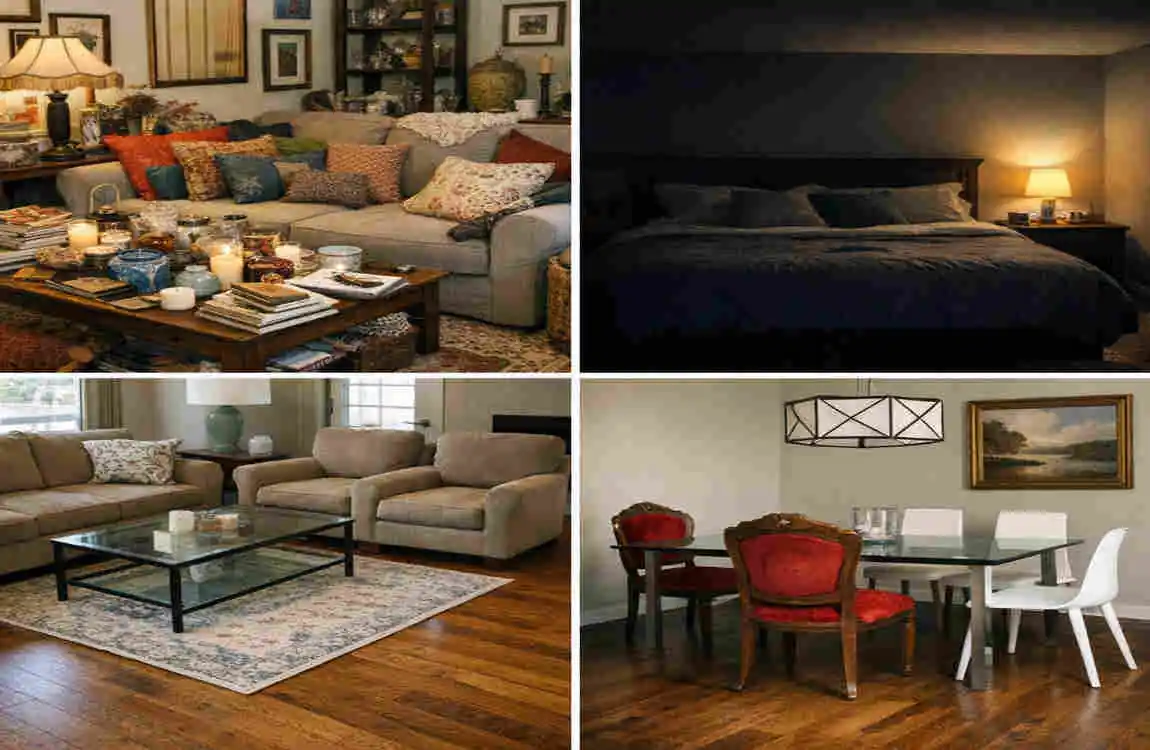
Choosing Style Over Function
A room can look beautiful and still fail if it does not work for daily life. For example, stylish furniture may be too large or uncomfortable.
Always ask yourself whether the space is easy to use, not just nice to look at.
Poor Furniture Placement
Furniture that blocks walkways or fills a room too much can make the space feel awkward.
Try to leave enough room for movement and make sure each piece fits the room’s scale.
Using Too Many Colors or Materials
Too much variety can make an interior feel busy and confusing. It is better to use a controlled palette with a few matching accents.
That keeps the room calm and visually balanced.
Ignoring Lighting
One light source is usually not enough. Without layered lighting, a room can feel flat or too dark.
Mix ambient, task, and accent lighting to create a more comfortable result.
Neglecting Storage
A lack of storage leads to clutter, and clutter can make even a nice room feel messy.
Built-in cabinets, shelves, baskets, and multifunctional furniture can help keep the interior organized.
Frequently Asked Questions About What Is the Interior
What is the interior of a house?
The interior of a house is the indoor space and everything inside it, including walls, floors, ceilings, furniture, lighting, colors, and décor.
What is the difference between interior and interior design?
An interior is the space inside a building. Interior design is the process of planning, improving, and styling that space.
What are the main elements of an interior?
The main elements include space, layout, color, lighting, furniture, materials, texture, décor, and functionality.
What makes an interior modern?
A modern interior usually has clean lines, practical furniture, simple forms, balanced colors, and little visual clutter.
Why is interior design important in a home?
Interior design helps a home feel more comfortable, organized, attractive, and useful for its occupants.
Can a small house have a modern interior?
Yes. Small homes can feel modern with smart layouts, light colors, good storage, and simple furniture choices.
Is interior design only about decoration?
No. Interior design is much broader. It includes planning, function, lighting, layout, furniture, materials, and overall comfort.
| Aspect | Short Explanation |
|---|---|
| Interior Meaning | The interior is the designed indoor space of a home, including rooms, finishes, furniture, lighting, and décor. |
| Modern Home Interior | Focuses on clean lines, simple layouts, functional spaces, and a clutter-free appearance. |
| Color Palette | Neutral shades such as white, beige, gray, and natural tones are commonly used. |
| Furniture | Modern interiors favor simple, practical furniture with sleek shapes and minimal decoration. |
| Lighting | Natural light is important, supported by modern ceiling lights, pendant fixtures, and accent lighting. |
| Materials | Wood, glass, metal, stone, and contemporary finishes help create a modern look. |
| Main Goal | The goal is to combine comfort, functionality, simplicity, and visual appeal in one balanced space. |
