
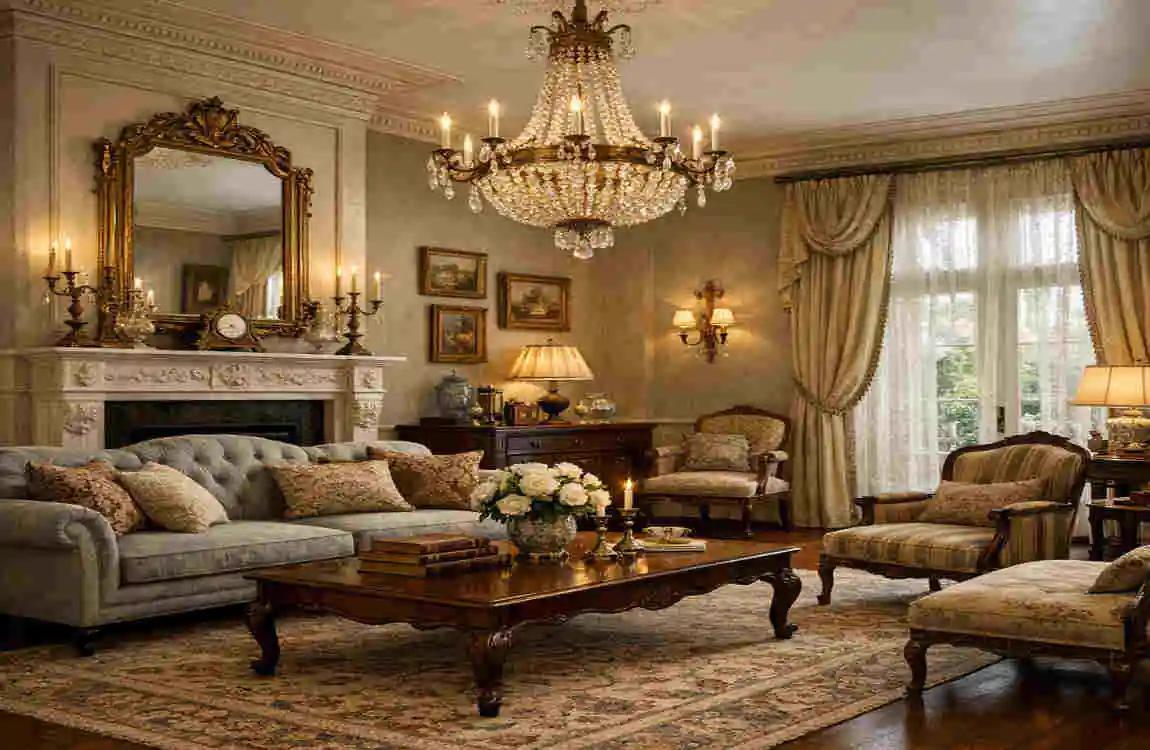
Vintage interior design is all about bringing the charm of earlier eras into a modern home. It uses old-inspired furniture, warm colors, classic patterns, and decorative details that feel familiar and timeless.
Many homeowners love this style because it feels cozy, personal, and full of character. It also works well in modern homes, where clean layouts can sometimes feel a little plain or cold. Vintage pieces help add warmth and personality without making the space feel outdated.
The best part is that vintage does not mean making every room look old-fashioned. Instead, it means mixing classic character with modern comfort in a way that feels natural and inviting.
What Is Vintage Interior Design?
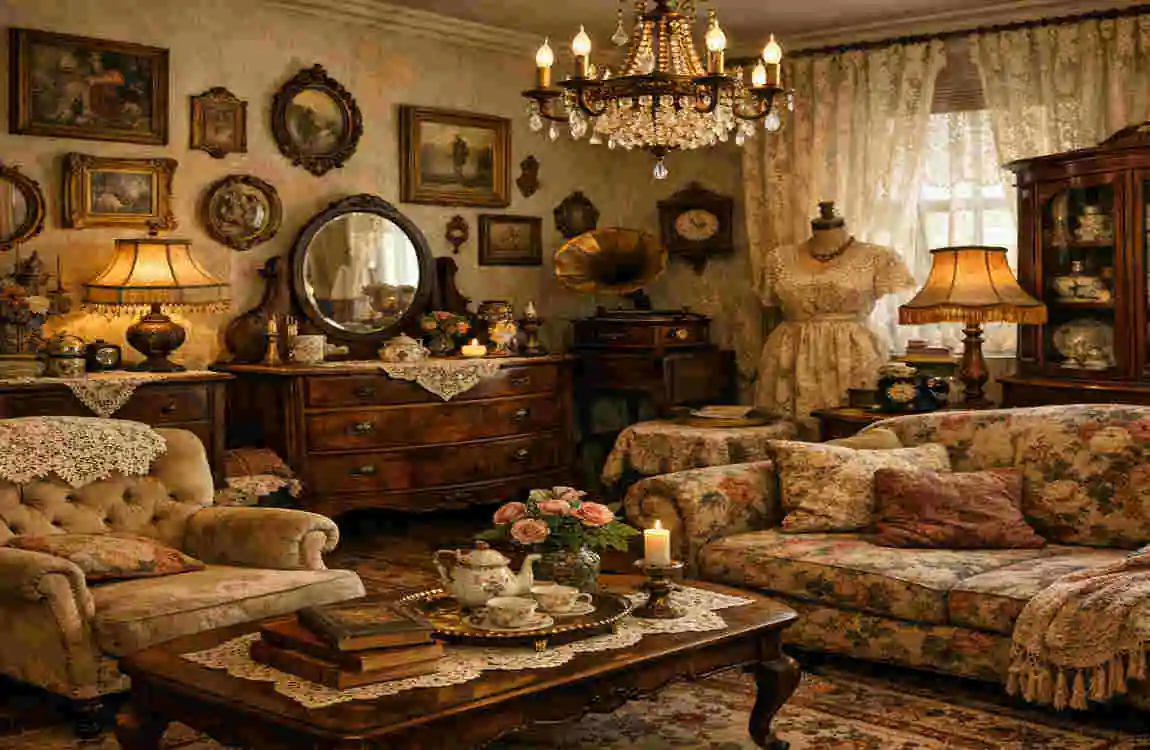
Definition of Vintage Interior Design
So, what is vintage interior design exactly? In simple terms, it is a style inspired by furniture, colors, materials, and décor from earlier decades.
It often includes pieces that look aged, classic, or handcrafted. The goal is not to copy the past exactly, but to borrow its charm and use it in a home that still feels comfortable today.
Vintage design is also about character. It values details that feel meaningful, personal, and a little imperfect in a good way.
Vintage vs. Antique vs. Retro Design
These words are often used the same way, but they are not the same.
Style Main Characteristics
Vintage Inspired by older periods and authentic-looking pieces
Antique Usually refers to genuinely old pieces with historical value
Retro Recreates or celebrates specific styles from recent decades
Modern Focuses on clean lines, simplicity, and contemporary materials
Vintage design sits in a sweet spot. It feels old enough to have charm, but not so old that it feels heavy or hard to live with.
Why Vintage Interior Design Works in Modern Homes
Vintage style works so well today because it balances the old and the new. A modern room can sometimes feel too sharp or minimal, while vintage elements add softness and depth.
It also helps homeowners create spaces that feel less generic. Instead of a room that looks like every other home, vintage décor gives it a more personal look.
Even better, vintage style lets you reuse older furniture, which can be both practical and sustainable.
Key Characteristics of Vintage Interior Design
Timeless Furniture
Furniture is one of the biggest parts of a vintage home. You will often see wooden cabinets, classic sofas, armchairs, dressers, sideboards, and traditional dining tables.
These pieces usually have strong shapes and solid materials. They do not need to be fancy, but they often feel well-made and dependable.
Warm and Muted Color Palettes
Vintage interiors often use colors that feel soft and lived-in. Common shades include:
- Cream and ivory
- Beige and warm white
- Olive green
- Mustard yellow
- Dusty blue
- Terracotta
- Deep brown
These colors help create a calm and welcoming mood. You can also use them in small ways if you do not want the room to feel too traditional.
Patterns and Textures
Vintage rooms often include patterned wallpaper, floral prints, stripes, checks, and traditional rugs. These details add movement and interest.
Textures matter too. Velvet, linen, textured upholstery, and woven fabrics all help the room feel richer and more layered.
Decorative Details
Small details can make a big difference. Vintage design often includes:
- Brass or antique-style hardware
- Framed artwork
- Mirrors
- Vintage clocks
- Ceramic pieces
- Decorative lamps
- Books and collectibles
These pieces help the room feel thoughtful rather than empty.
Signs of Character and Imperfection
One thing that makes vintage style special is that it does not need to look perfect. A little patina, worn wood, or aged finish can actually make the room more beautiful.
Those small signs of age often create authenticity. They show that the piece has history and personality.
Popular Vintage Interior Design Styles
Mid-Century Vintage
This style is known for simple furniture shapes, natural wood, tapered legs, and functional layouts. It feels clean but still warm.
Mid-century vintage works especially well in modern homes because it is easy to mix with contemporary pieces.
Victorian-Inspired Vintage
Victorian vintage feels more ornate and decorative. It often includes detailed furniture, rich fabrics, molding, and classic accessories.
This style is ideal if you want a more elegant and layered room.
1950s Vintage
The 1950s style often uses cheerful colors, curved furniture, and playful patterns. It can feel fun and light without being too busy.
It is also a popular choice for kitchens and dining areas.
1960s and 1970s Vintage
These decades bring in earthy colors, geometric patterns, wood paneling, and bold statement pieces. The look is warm and expressive.
This style can feel very stylish when used with care.
French and European Vintage
French and European vintage often feels soft, elegant, and slightly worn in a beautiful way. It may include distressed furniture, soft fabrics, and decorative architectural touches.
It is a lovely option for homeowners seeking a romantic, timeless mood.
How to Bring Vintage Interior Design Into a Modern Home
Start With One Statement Vintage Piece
You do not need to fill the whole room at once. Start with one strong piece, like a vintage dresser, mirror, cabinet, or dining table.
That piece can become the focal point and help guide the rest of the room.
Mix Vintage and Modern Furniture
This is one of the easiest ways to make the style work.
For example:
- A vintage wooden table with modern chairs
- An antique-style mirror in a contemporary bathroom
- A vintage cabinet in a minimalist kitchen
- A classic sofa with a modern coffee table
This mix helps the room feel balanced and current.
Use Vintage-Inspired Lighting
Lighting plays a huge role in a room’s mood. Vintage-inspired chandeliers, pendant lights, wall sconces, and table lamps can bring in warmth right away.
Warm light usually works best because it softens the room and makes it feel more inviting.
Add Vintage Accessories Carefully
A few meaningful accessories are often better than too many. Try adding framed art, ceramic pieces, old books, or decorative clocks.
Too many pieces can make the room feel crowded. A curated look always works better than clutter.
Choose Vintage-Inspired Fabrics
Fabrics are an easy way to bring in character. Curtains, cushions, rugs, bedding, and upholstery can all help support the vintage look.
Patterns, soft textures, and rich fabrics are especially useful here.
Use Wallpaper or Decorative Wall Treatments
Wallpaper can make a modern room feel more vintage very quickly. Floral, striped, geometric, or classic printed patterns can all work well.
If you want something subtle, you can use wallpaper on just one wall and keep the rest simple.
Vintage Interior Design Ideas for Different Rooms
Vintage Living Room Ideas
A vintage living room often starts with a classic sofa or armchair. Add a wooden coffee table, a patterned rug, and some framed artwork.
Brass lighting can bring in a warm finish. You can also balance the room with modern storage so it still feels practical.
Vintage Bedroom Ideas
Bedrooms look beautiful with a wooden bed frame, soft bedding, vintage nightstands, and warm lighting.
A decorative mirror or floral fabric can add charm without making the room feel busy.
Vintage Kitchen Ideas
A vintage kitchen often includes Shaker-style cabinets, classic hardware, open shelving, ceramic dishes, and natural wood accents.
Retro-inspired appliances can also work well if you want a stronger period feel.
Vintage Bathroom Ideas
Bathrooms can feel very elegant with a clawfoot-style tub, traditional fixtures, patterned tiles, framed mirrors, and brass details.
Even a few vintage touches can make the room feel special.
Vintage Home Office Ideas
A vintage home office can feel calm and focused. A wooden desk, classic lamp, bookshelves, framed art, and vintage storage boxes work well together.
This style is especially nice if you want your workspace to feel inspiring but not cold.
How to Make Vintage Design Feel Modern
Keep the Layout Simple
Vintage design works best when the room has room to breathe. Do not overcrowd it with too many pieces.
A simple layout helps each item stand out.
Combine Old and New Materials
Mixing materials keeps the design fresh. Wood, brass, and traditional fabric can look great with glass, modern metal, or concrete.
That contrast helps the room feel updated.
Use a Limited Color Palette
Too many colors can make vintage décor feel messy. A controlled palette keeps everything connected and intentional.
Prioritize Functionality
A vintage home should still be comfortable. Make sure the room has good seating, sufficient storage, practical lighting, and modern conveniences.
Avoid Over-Decorating
There is a big difference between a curated vintage room and a space that feels like a secondhand shop.
Choose pieces with care, and let the room feel lived in rather than overloaded.
Benefits of Vintage Interior Design
Vintage design has many strengths. It can help you create a home that feels:
- Unique and personal
- Warm and welcoming
- Timeless rather than trendy
- Sustainable through reuse and upcycling
- Easy to blend with modern styles
- Meaningful when using inherited or special items
It also gives older furniture a new purpose, which can be a smart and thoughtful way to decorate.
Common Mistakes to Avoid With Vintage Interior Design
Using Too Many Vintage Pieces
Too much of the same style can make the room feel heavy. A few strong pieces are usually enough.
Ignoring Scale and Proportion
Large vintage furniture can overwhelm a small room. Always check how the piece fits before bringing it home.
Choosing Style Over Comfort
A beautiful chair is not helpful if you cannot sit in it comfortably. Function still matters.
Mixing Too Many Eras
It is better to stay close to one style direction. If you mix too many eras, the room can lose its visual harmony.
Forgetting Modern Functionality
Vintage style should still work for today’s life. Keep modern lighting, storage, appliances, and tech where needed.
Vintage Interior Design vs. Modern Interior Design
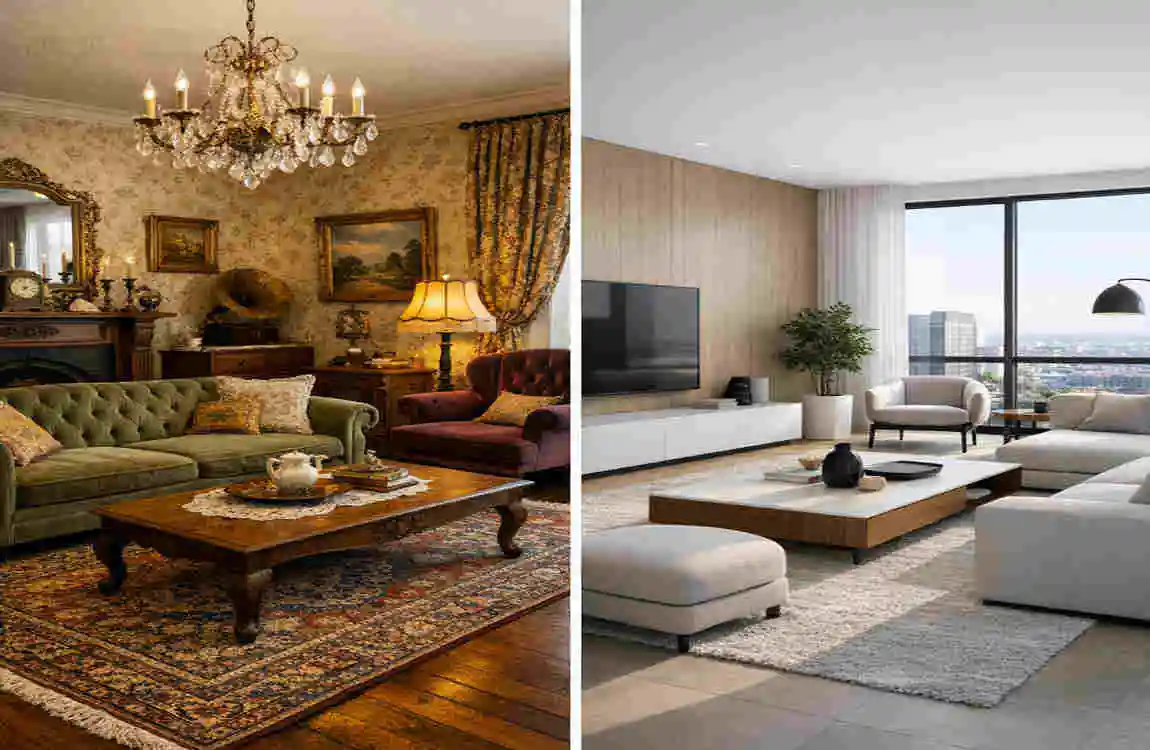
Feature Vintage Interior Design Modern Interior Design
Furniture Character-rich and traditional Clean and streamlined
Colors Warm, muted, or nostalgic Neutral and contemporary
Décor Detailed and personal Minimal and restrained
Materials Wood, brass, traditional fabrics Glass, metal, concrete, modern finishes
Overall Feel Warm, nostalgic, layered Clean, open, simple
A modern vintage interior gives you the best of both worlds. It retains the warmth of vintage design while avoiding making the home feel outdated.
Budget-Friendly Vintage Interior Design Tips
You do not need a huge budget to enjoy vintage style. Try these ideas:
- Shop secondhand furniture
- Reuse what you already own
- Update old hardware
- Refinish wooden furniture
- Use vintage-style artwork
- Add secondhand mirrors and accessories
- Invest in one quality statement piece instead of many cheap items
Vintage style is really about character, taste, and thoughtful selection.
Frequently Asked Questions About Vintage Interior Design
What is vintage interior design?
It is a style that uses older-inspired furniture, colors, materials, and décor to create a warm, character-filled home.
What makes a home look vintage?
Furniture, patterns, warm colors, traditional lighting, artwork, and decorative details all help create a vintage look.
Is vintage interior design still popular?
Yes. It remains popular because it works so well with modern homes and adds personality.
What colors are commonly used in vintage interior design?
Cream, beige, olive, mustard, dusty blue, brown, and terracotta are all common choices.
Can vintage interior design work in a small home?
| Element | Vintage Interior Design Ideas |
|---|---|
| Color Palette | Warm neutrals, cream, beige, olive green, muted blue, and earthy tones |
| Furniture | Antique-inspired sofas, wooden cabinets, vintage chairs, and classic tables |
| Materials | Natural wood, brass, linen, velvet, leather, and patterned fabrics |
| Lighting | Chandeliers, brass lamps, wall sconces, and vintage-style pendant lights |
| Wall Décor | Classic artwork, framed mirrors, vintage clocks, and decorative plates |
| Flooring | Hardwood, patterned tiles, or vintage-look rugs |
| Patterns | Floral, damask, geometric, and traditional prints |
Yes. Use compact furniture, mirrors, and just a few strong vintage pieces so the space does not feel crowded.
What is the difference between vintage and retro interior design?
Vintage usually focuses on the look and feel of older pieces, while retro recreates styles from specific decades.
