

A home should do more than look nice. It should feel comfortable, work well for daily life, and reflect the people living in it. That is why interior design matters so much.
If you have ever asked why interior designers are important in the home, the answer is simple: they help turn a house into a space that feels thoughtful, balanced, and easy to live in. They do not just pick colours or furniture. They help shape how a room functions, how it feels, and how well it supports your lifestyle.
Good interior design can make a small room feel bigger, a dark room feel brighter, and a plain room feel more personal. It also helps with comfort, safety, storage, and flow. In other words, it improves both the look and the everyday use of your home.
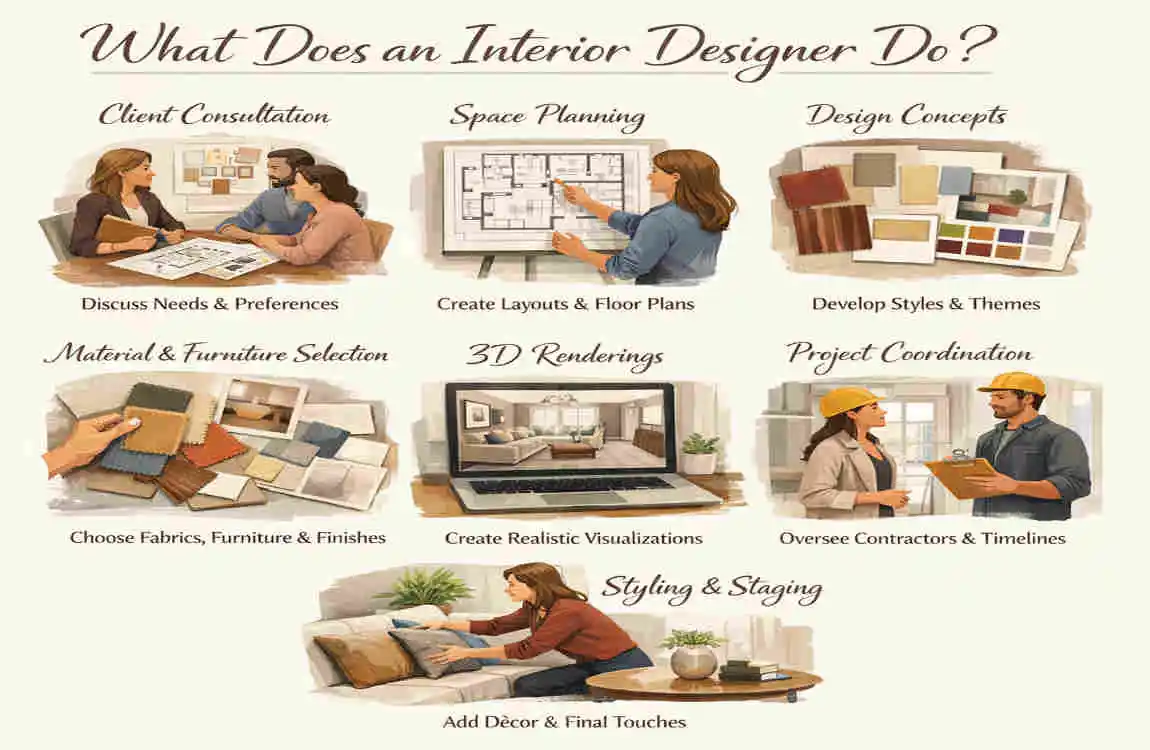
What Does an Interior Designer Do?
Understanding the Role of an Interior Designer
An interior designer looks at a home as a complete space, not just as separate rooms. They think about how people move through the home, where furniture should go, how much light the room gets, and what materials will work best.
Their work often includes:
- Space planning
- Furniture selection
- Color choices
- Lighting ideas
- Material selection
- Layout coordination
They try to make the home attractive while also making it practical. That balance is what makes their role so valuable.
Interior Designer vs DIY Home Decorating
Many homeowners enjoy decorating on their own, and that can work for small changes. But interior designers bring training and experience that help avoid common mistakes.
A DIY approach may lead to mismatched furniture, poor room flow, or colours that do not work well together. An interior designer helps create a more polished and cohesive result.
That is one reason why professional design often saves time and stress. It removes guesswork and gives the home a clearer direction.
Why Are Interior Designers Important at Home?
They Make Better Use of Space
One of the biggest reasons interior designers are important at home is space planning. Many homes have rooms that feel too crowded, awkward, or underused.
An interior designer can fix that by studying the layout and finding better ways to arrange furniture and decor. They know how to make a room feel open without making it look empty.
This is especially helpful in small homes, apartments, or rooms with unusual shapes. A smart layout can completely change how a space feels.
They Balance Style and Function
A beautiful room is nice, but it still needs to work for everyday life. Interior designers understand that a home has to support real routines, not just look good in photos.
For example, they may choose a sofa that fits the room and is also comfortable for family use. They may recommend easy-to-clean materials if you have children or pets.
That mix of style and function is one of the strongest benefits of hiring a designer.
They Create Personalised Interiors
A home should feel like your home. Interior designers help make that happen by learning about your lifestyle, taste, and needs.
Some people want a calm, minimalist home. Others want something warm, colourful, or bold. A designer can shape the space around your personality instead of following a generic style.
This creates a more meaningful home environment. It feels natural, not forced.
Major Benefits of Hiring an Interior Designer
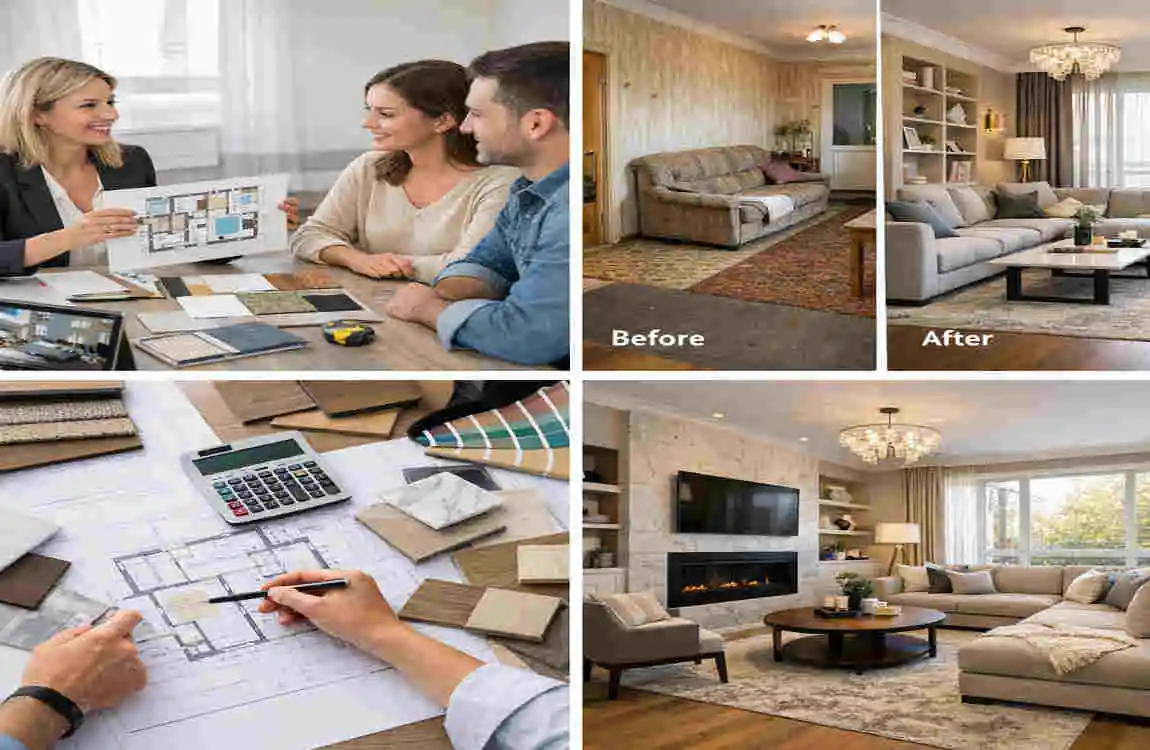
Saves Time and Reduces Stress
Designing a home can be overwhelming. There are many decisions to make, and they often depend on each other.
An interior designer helps organise the process. They can guide shopping, planning, and coordination so you do not have to manage every detail alone.
This saves time and reduces stress. It also helps you avoid rushing into choices you may regret later.
Helps Control the Budget
Many people assume hiring a designer is always expensive. But in many cases, a designer can actually help you spend more wisely.
They help you focus on the things that matter most. That means you are less likely to waste money on items that do not fit, do not last, or do not work well together.
A designer can also help you avoid expensive mistakes. Buying the wrong furniture, paint, or finish can cost more in the long run than getting expert help early.
Improves Lighting and Colour Choices
Lighting changes the whole mood of a home. The wrong lighting can make a room feel flat, harsh, or dull. The right lighting can make it feel warm, open, and inviting.
Interior designers know how to use both natural and artificial light well. They also know how colours behave in different rooms and under different lighting conditions.
This is useful because the same colour can look very different in a bright kitchen than in a dim bedroom.
Provides Access to Professional Resources
Interior designers often have access to materials, furnishings, and contractors that are not easy to find on your own. They also know which products are worth the investment and which ones are not.
That kind of guidance can make the whole process smoother. It can also improve the final result because the designer knows how the pieces will work together.
Quick Benefit Summary
Benefit | Why It Matters
Better space use Rooms feel more practical and open
Less stress Fewer decisions to manage alone
Smarter budgeting Fewer costly mistakes
Better lighting Rooms feel more comfortable
Personalised design The home reflects your lifestyle
How Interior Designers Improve Different Areas of a Home
Living Room
The living room is one of the most important spaces in the home. It often serves many purposes, such as relaxing, entertaining, reading, or spending time with family.
An interior designer helps arrange furniture so the room feels balanced and easy to use. They also think about lighting, storage, and decorative details.
If your living room feels crowded or empty, a designer can usually improve it with a few smart changes.
Kitchen
The kitchen needs to be both attractive and efficient. You want it to look good, but you also need it to support cooking, cleaning, and storage.
An interior designer can help with workflow, cabinet choices, countertop materials, and lighting placement. They can also help you avoid a layout that feels awkward or hard to use.
This is important because the kitchen is often one of the busiest places in the house.
Bedroom
The bedroom should feel restful and calm. Interior designers often use soft colours, comfortable textures, and well-placed furniture to support that mood.
They also think carefully about storage. A cluttered bedroom can make it harder to relax, so better storage solutions can make a big difference.
A good bedroom design helps the room feel peaceful instead of crowded.
Bathroom
Bathrooms need to be practical, durable, and easy to clean. Interior designers know how to make the most of a small space while still keeping it stylish.
They choose materials that can handle moisture and daily use. They also consider storage, lighting, and layout so the bathroom feels organised and comfortable.
When Should You Hire an Interior Designer?
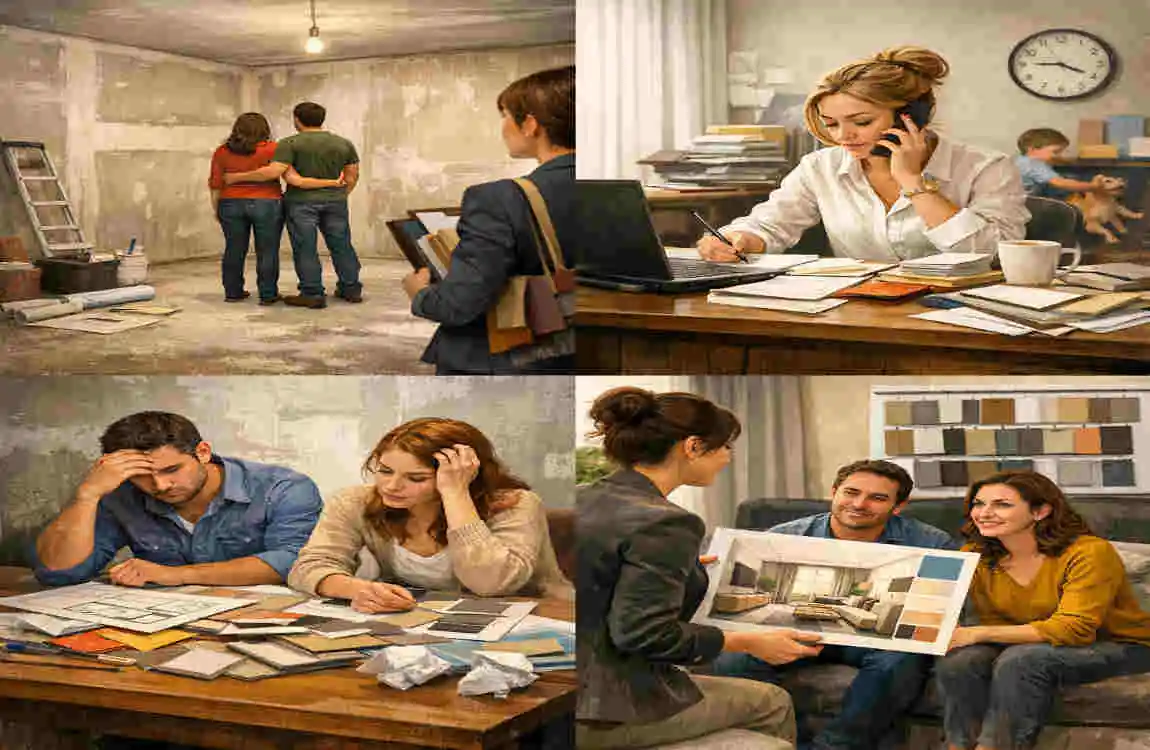
You do not need a designer for every small home change. But there are times when professional help makes a lot of sense.
Good Times to Hire One
Consider hiring an interior designer if you are:
- Building a new home
- Remodelling or renovating
- Moving into a new or unfamiliar space
- Working with a small or difficult layout
- Designing a luxury or custom home
- Short on time or confidence
In these situations, expert help can save time and improve the result.
How to Choose the Right Interior Designer
Choosing the right designer matters. You want someone who understands your goals and can communicate clearly.
Here are a few things to look for:
- Review their portfolio
- Check experience and services
- Ask about budget expectations
- Discuss timelines
- Make sure their style fits your goals
A good designer should listen to you and help bring your ideas to life, not override them.
FAQ: Interior Designers and Home Design
Why are interior designers important at home?
They help create a home that is functional, comfortable, attractive, and personal. They combine planning, style, and practical knowledge to improve everyday living.
Is hiring an interior designer worth the cost?
For many homeowners, yes. A designer can save time, reduce mistakes, and help you make better long-term choices.
Can an interior designer help with a small home?
Yes. In fact, small homes often benefit a lot from expert space planning. A designer can help make rooms feel more useful and less cramped.
What is the difference between an interior designer and a decorator?
An interior designer works with layout, function, space planning, materials, and overall design. A decorator focuses more on the look and styling of a space.
Do interior designers help with budgets?
Yes. They can help you decide where to spend more and where to save, making your project more efficient.
Can interior designers increase home value?
They can improve a home’s appeal and quality, which may increase its value. A well-designed home often looks more attractive to buyers.
How do I find a good interior designer?
Look at their past work, ask about their experience, check their communication style, and make sure their approach aligns with your goals and budget.
| Importance | How Interior Designers Help |
|---|---|
| Better Space Planning | Use available space efficiently and improve room layouts. |
| Beautiful Design | Create attractive interiors that match the homeowner’s style. |
| Color Selection | Choose suitable colors, patterns, and finishes for each room. |
| Furniture Placement | Select and arrange furniture for comfort and functionality. |
| Budget Management | Help prioritize design choices and avoid unnecessary expenses. |
| Lighting Design | Plan lighting to improve ambiance, visibility, and functionality. |
