
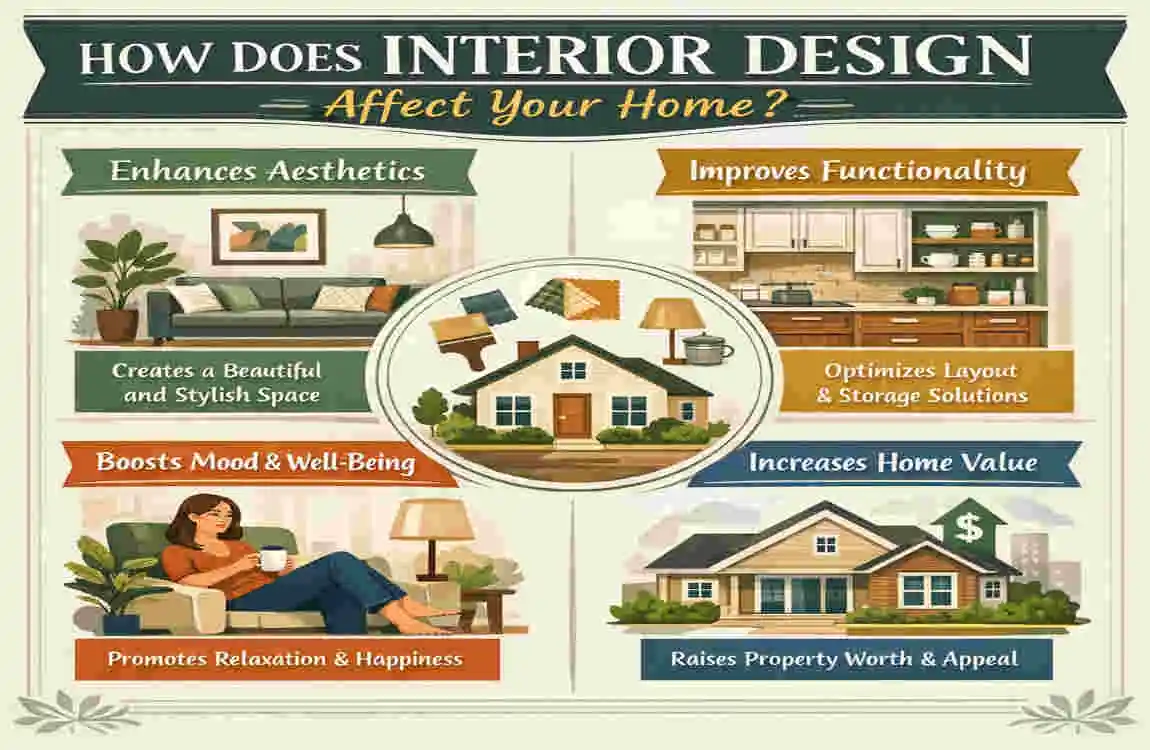
Interior design is about more than making a room look nice. It shapes how your home feels, how easy it is to use, and how comfortable you are in daily life. When you walk into a well-designed room, you often feel calm, organized, and welcome without even thinking about why.
That is because interior design touches many parts of home life at once. It affects layout, lighting, colors, materials, storage, and even the mood of the people living there. In simple words, it changes how your home works for you.
If you have ever wondered how interior design affects your home, the answer is that it influences both appearance and function. A good design makes daily tasks easier, helps you use your space better, and creates a home that feels more personal and pleasant.
How Interior Design Affects Your Mood and Well-Being
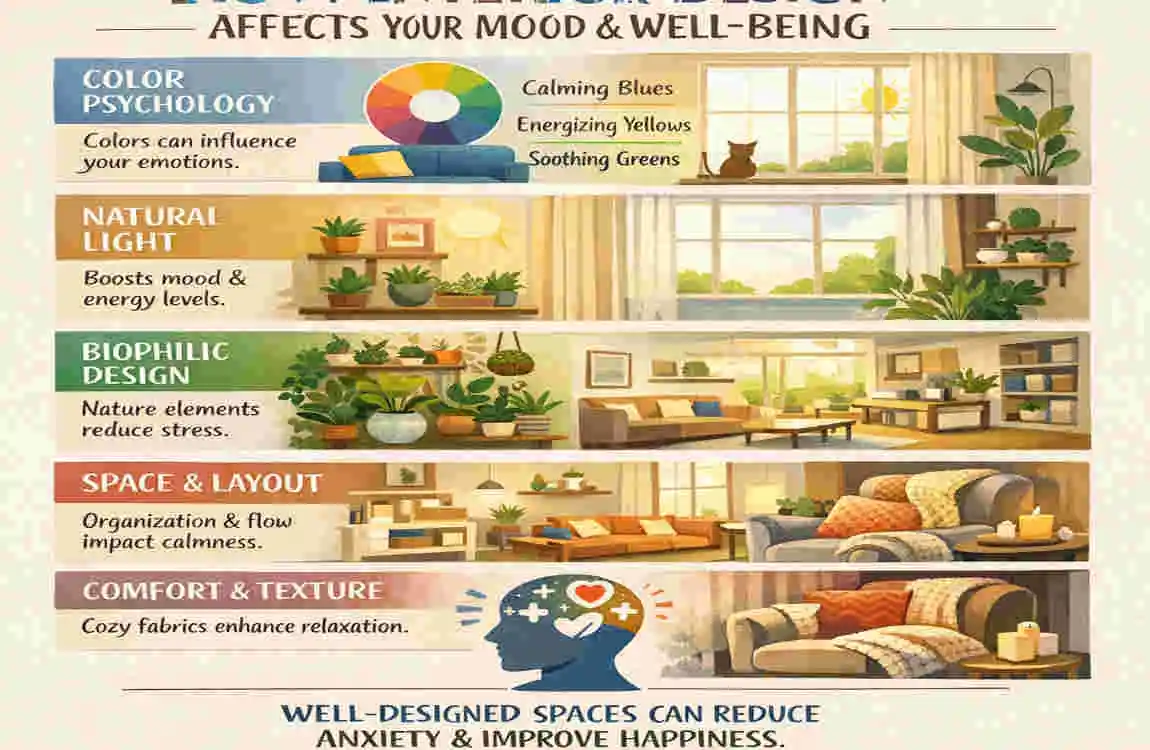
Your home environment plays a big role in how you feel. If a room is bright, tidy, and comfortable, it often feels peaceful. If it is dark, crowded, or messy, it can feel stressful without you even noticing why.
Interior design can shape emotions in a very direct way. Colors, lighting, textures, and layout all affect the mood of a room. That means your home can either support relaxation or create tension.
Colors and Feelings
Color has a strong effect on mood. Warm colors like soft beige, terracotta, or light yellow can make a room feel cozy and welcoming. Cool colors like blue or green can make it feel calm and fresh.
Neutral colors such as white, cream, and gray often create balance. They also make a space feel cleaner and more open. Accent colors can add personality, but too many strong shades in one room may feel busy.
If you want a restful room, choose colors that feel soft and steady. If you want a lively area, choose more energetic colors. The key is to match the color to the room’s purpose.
Lighting and Comfort
Lighting changes how a room feels more than many people expect. Natural light can make a home feel open, bright, and cheerful. Artificial light helps in the evening and adds warmth where needed.
A room with good lighting often feels larger and more inviting. A room with weak lighting may feel smaller or less pleasant. That is why layering light is so useful.
You can use:
- Overhead lighting for general brightness
- Task lighting for reading, cooking, or working
- Soft accent lighting to create comfort and warmth
When these work together, the room feels balanced and easier to enjoy.
Textures and Atmosphere
Textures also affect mood. Soft fabrics, smooth surfaces, and natural materials can make a room feel warm and calm. Rough or heavy textures may add character, but they should be used carefully so the room does not feel too harsh.
Think about how a room feels to touch as well as how it looks. A cozy sofa, a woven rug, or wooden furniture can make the home feel more relaxing and human.
Clutter and Stress
Clutter can quickly change the mood of a home. When items are left out without a clear place, the room may feel crowded and mentally noisy. That can make it harder to relax.
A neat, organized space often feels more peaceful. It gives your mind less to process. This is one reason storage matters so much in interior design.
How Interior Design Improves Home Functionality
A beautiful room is helpful, but a functional room is even better. Good interior design makes a home easier to live in by improving movement, storage, and daily use.
When a room is designed well, you do not have to fight with the space. You can move naturally, find things more easily, and use the room for its purpose without frustration.
Better Furniture Placement
Furniture placement plays a huge role in functionality. If furniture blocks walkways, the room feels awkward. If it is placed well, the room feels open and easy to use.
For example, a sofa should support conversation and movement, not block access to doors or windows. A dining table should allow people to sit comfortably without crowding the room. In a bedroom, the bed should leave enough space to move around freely.
The goal is simple: make the room work with your habits, not against them.
Smarter Storage Solutions
Storage is one of the most important aspects of a home’s functionality. Without enough storage, even a pretty room can become messy fast.
Built-in cabinets, shelves, drawers, under-bed storage, and hidden compartments all help keep things organized. This is especially useful in small homes where every inch matters.
Good storage makes it easier to keep frequently used items within reach while hiding things that are not needed every day. That helps the home stay cleaner and calmer.
Room Purpose Matters
Each room should support its purpose. A kitchen should make cooking easy. A bedroom should support rest. A living room should support conversation, relaxation, and family time.
When design ignores room purpose, daily life becomes harder. For example, a bedroom with too much furniture may feel cramped. A kitchen with limited counter space can be frustrating to use.
That is why practical planning matters so much. A room should be attractive, but it should also work.
Functional Interior Design Examples
Here are a few simple examples of functional design in action:
- Open kitchen layouts that make cooking and cleaning easier
- Built-in storage that reduces clutter
- Multi-purpose furniture that saves space
- Practical bedroom layouts that support rest
- Dedicated home-office areas that improve focus
Each of these ideas helps a home feel more useful in daily life.
How Interior Design Can Make a Small Home Feel Bigger
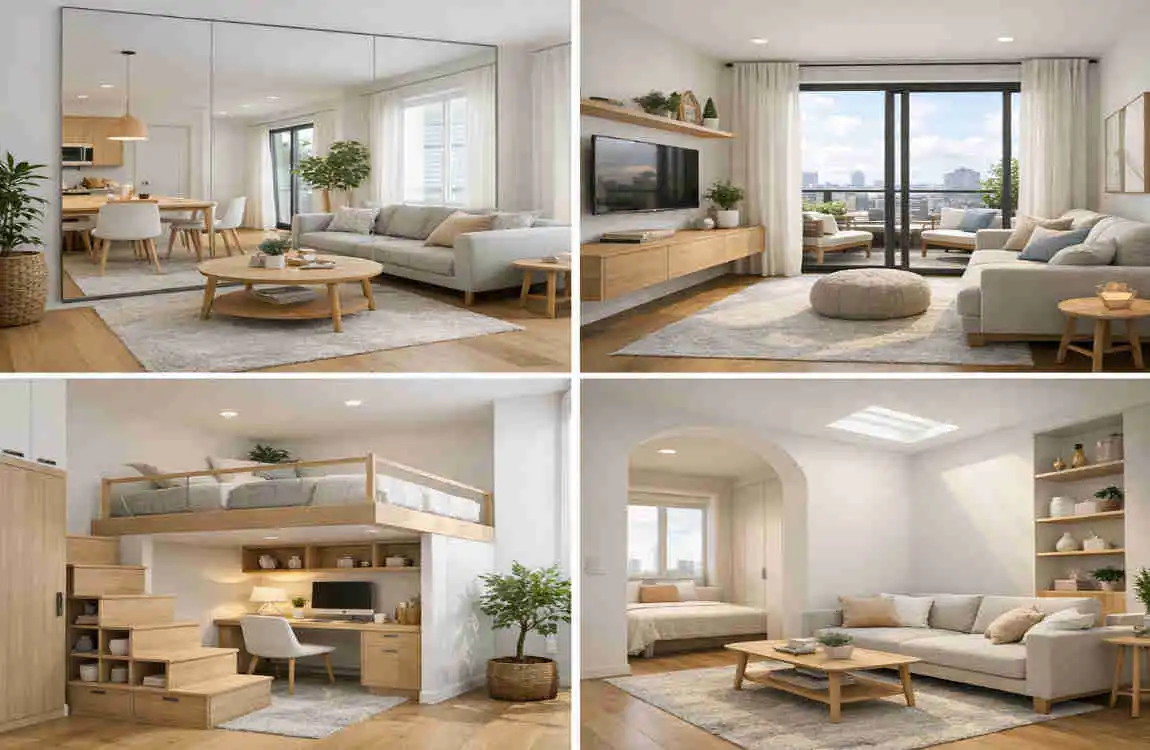
Small homes can feel much larger when designed well. The right choices can open up the space visually, even if the actual size stays the same.
This is one of the most useful parts of interior design. You do not always need more square footage. Sometimes you need a smarter layout and lighter visual choices.
Light Colors Help
Light colors are one of the easiest ways to make a small room feel bigger. White, cream, pale gray, soft beige, and light pastels reflect more light and create a more open feeling.
Dark colors can still work, but they usually need balance. In a small space, using too much dark color may make the room feel closed in.
If you want a room to feel airy, keep the walls, large furniture, and flooring in lighter tones where possible.
Mirrors and Reflection
Mirrors are useful because they reflect light and create the feeling of more space. A well-placed mirror can make a room feel deeper and brighter.
This works especially well in small living rooms, hallways, and bedrooms. You do not need large mirrors everywhere. Just one or two in the right spots can make a big difference.
Furniture Size Matters
Oversized furniture can overwhelm a small room. When a sofa, table, or bed is too large, the space feels crowded.
Instead, choose furniture that fits the room’s scale. Smaller pieces with clean lines usually work better. You want the room to breathe.
Use Vertical Space
If floor space is limited, look upward. Vertical storage, such as tall shelves and wall-mounted cabinets, can help you use the room more efficiently without taking up too much floor space.
This keeps pathways clear and makes the room feel less cluttered.
Simple Ideas for Small Spaces
- Use multifunctional furniture
- Keep walkways open
- Choose furniture that matches the room size
- Use mirrors strategically
- Maximize natural and artificial light
- Add smart storage solutions
These simple steps can make even a small home feel more comfortable and open.
How Interior Design Affects Your Home’s Value and Appeal
Interior design can influence how other people see your home. That does not mean design alone will determine the selling price, but it can improve presentation and buyer interest.
A home that looks clean, balanced, and well planned often makes a stronger first impression. Buyers may feel more confident when the space looks cared for and easy to live in.
First Impressions Matter
When someone walks into a home, they notice the overall feeling very quickly. If the space looks bright, organized, and welcoming, that creates a positive reaction.
If the home feels dark, cluttered, or outdated, it may leave a weaker impression. Even if the structure itself is good, the interior can affect how people feel about it.
Areas That Often Add Appeal
Some rooms matter more than others when it comes to visual appeal. Kitchens, bathrooms, and living rooms often make a big difference because people notice them first.
Updated lighting, clean flooring, modern bathroom finishes, and functional kitchen layouts can all improve the way a home is presented. Neutral paint and coordinated materials also help.
Features Buyers Usually Like
Interior Feature Why It Helps
Updated lighting Makes the home feel brighter and more modern
Quality flooring Improves appearance and durability
Functional kitchen design Makes daily use easier
Modern bathroom finishes Creates a clean, fresh look
Neutral color schemes Appeals to more people
Organized storage Reduces clutter and improves function
Well-kept furniture and décor Makes the home feel cared for
Style Balance Matters
If you are thinking about resale, it helps to keep design choices balanced. A very personal style may suit your taste but not appeal to everyone.
That does not mean your home should feel plain. It just means using a style that is attractive, comfortable, and broadly appealing. Simple, clean, and practical design often works best.
How to Choose Interior Design That Works for Your Home
The best design is not the trendiest one. It is the one that fits your home and your life. Before choosing colors, furniture, or décor, think about what your home actually needs.
Your lifestyle should guide your decisions. A family with children may need more durable materials and storage. Someone who works from home may need a better office setup. A small apartment may need flexible furniture and open layouts.
Start With the Room’s Needs
Ask yourself what each room is supposed to do. Is it meant for sleeping, cooking, working, relaxing, or entertaining? That answer should shape the design.
When the design matches the room’s purpose, the space becomes easier to enjoy. That is a simple but powerful rule.
Think About Light and Space
Natural light, room size, and architecture all matter. A dark room may need brighter colors or stronger lighting. A small room may need simpler furniture and better storage.
Work with the space instead of fighting it. A good design uses what the room already has and improves it.
Build a Consistent Style
Your home does not need to look the same in every room, but it should feel connected. Using a similar color family, material style, or design tone helps create flow.
For example, you might use warm neutrals, natural wood, and soft lighting throughout the home. That creates consistency without making every room identical.
Focus on Function First
It is easy to get caught up in décor. But function should come first. If the room is hard to use, it will not feel good for long.
Start with layout, storage, and movement. Then add decoration on top of that foundation.
Practical Interior Design Tips
- Measure rooms before buying furniture
- Set a realistic budget
- Choose durable materials for busy areas
- Layer different kinds of lighting
- Keep walkways open
- Add personal touches without overcrowding
- Review the whole home, not just one room at a time
These habits help you make better design choices.
Benefits and Common Mistakes of Interior Design
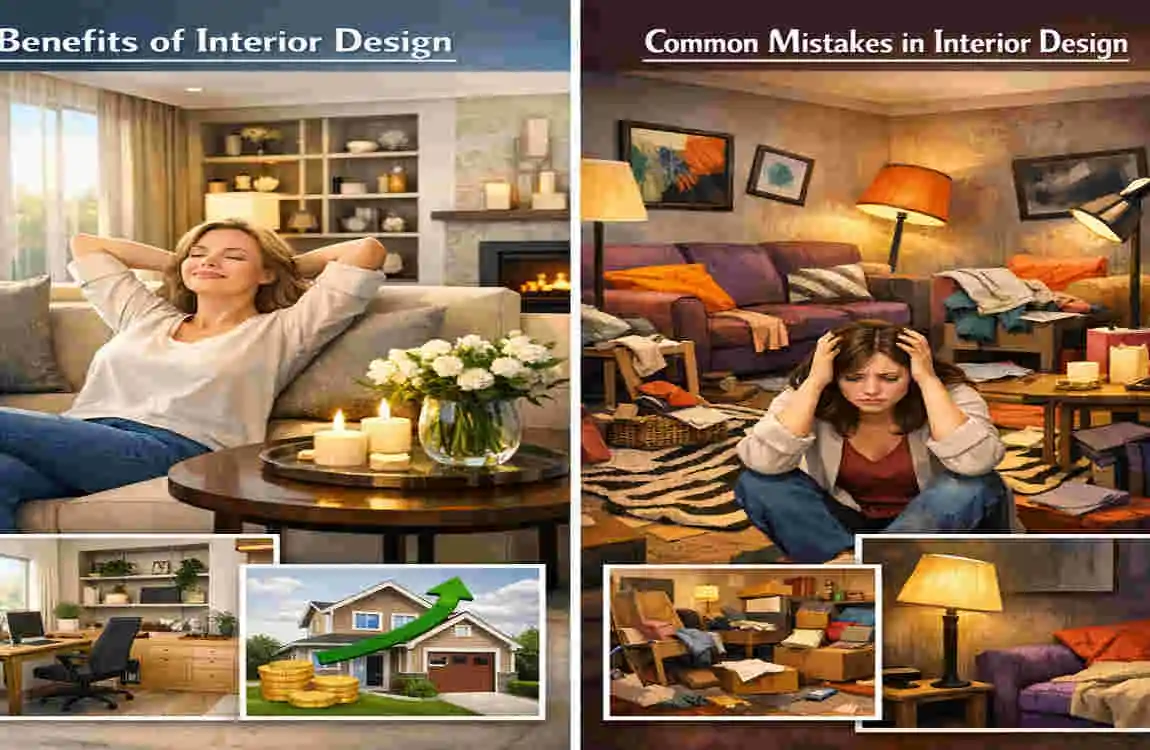
Main Benefits
Good interior design brings many benefits. Some are practical, and some are emotional.
It can improve comfort, help with organization, make better use of space, and make the home feel more attractive. It can also reflect your personality in a way that feels natural and enjoyable.
For many homeowners, these small improvements add up to a much better daily experience.
Common Interior Design Mistakes
Some design mistakes recur. The good news is that they are easy to avoid once you know what to watch for.
Common mistakes include:
- Choosing furniture that is too large
- Using too many colors
- Ignoring lighting
- Creating too much clutter
- Prioritizing looks over function
- Following trends that do not fit the home
- Forgetting about storage
These mistakes can make a room feel uncomfortable or disorganized. The best design avoids them by staying simple and practical.
Frequently Asked Questions
Does interior design really affect how you feel at home?
Yes, it does. Colors, lighting, furniture, organization, and layout all affect comfort and mood. A well-designed home usually feels calmer and more welcoming.
How does interior design affect a home?
Interior design affects how comfortable, functional, organized, attractive, and welcoming a home feels. It changes both the look and the daily use of the space.
Can interior design make a home look bigger?
Yes. Light colors, mirrors, open layouts, proper lighting, and furniture that fits the room can all make a home feel larger.
Does interior design increase home value?
It can improve presentation and buyer appeal. While it does not guarantee a higher price, a well-designed interior often creates a stronger first impression.
What is the most important part of interior design?
Functionality and layout are the foundation. After that come lighting, color, storage, furniture, and décor.
How can I improve my home’s interior design on a budget?
Start by decluttering, rearranging furniture, improving lighting, repainting, and using affordable décor and smart storage.
Should every room in a house have the same interior design?
No, but the rooms should feel connected. Using similar colors, materials, or style elements helps the home feel cohesive.
What is the difference between interior design and home decoration?
Interior design focuses on layout, function, lighting, materials, and space planning. Home decoration focuses more on the visual details and decorative pieces.
| Interior Design Element | Effect on Your Home |
|---|---|
| Color Scheme | Creates mood, makes rooms feel larger or cozier, and adds personality. |
| Furniture Layout | Improves movement, comfort, and how efficiently you use each room. |
| Lighting | Makes spaces brighter, more inviting, and visually spacious. |
| Storage | Reduces clutter and keeps the home organized and functional. |
| Materials & Textures | Add warmth, style, comfort, and visual interest. |
| Room Size & Space | Smart design can make small rooms feel more open and spacious. |
