
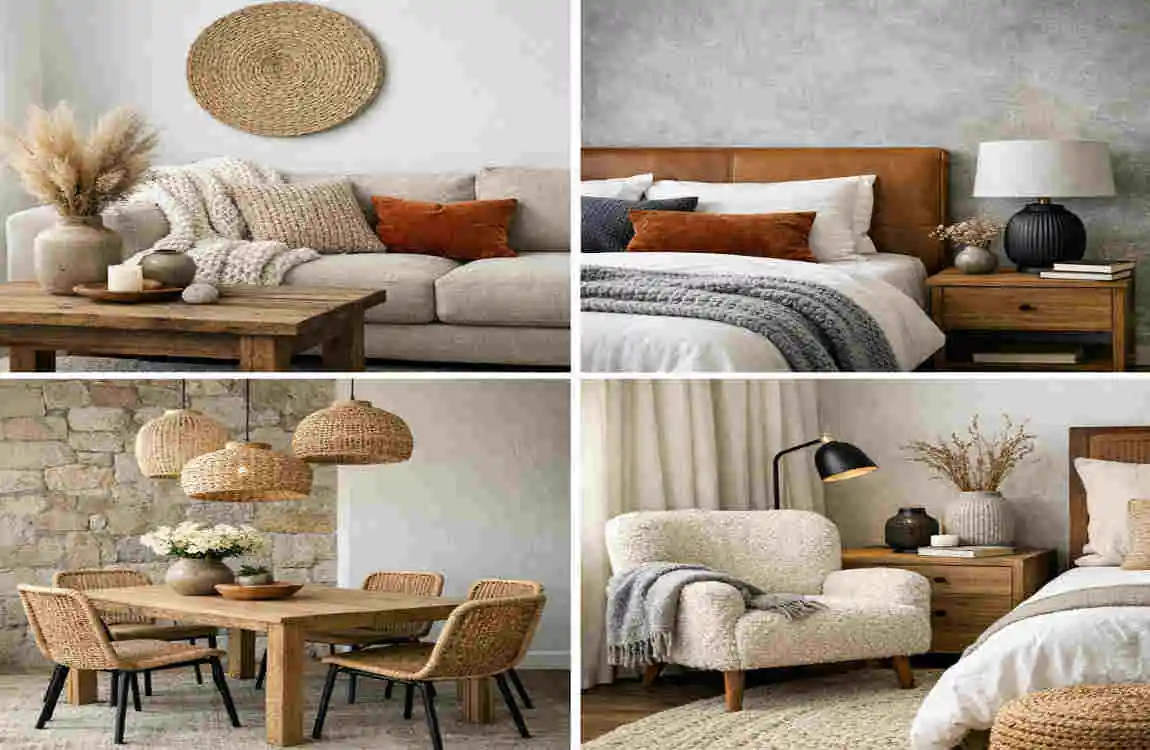
Texture is one of the easiest ways to make a home feel more interesting, warm, and complete. If a room looks nice but still feels a little flat, texture is often the missing piece. That is why learning to use texture in interior design can instantly improve how your home looks and feels.
Texture can come from furniture, fabrics, walls, flooring, lighting, accessories, and natural materials. You do not need a full renovation to use it well. Small, thoughtful changes can make a room feel cozy, balanced, and stylish without making it look crowded.
Why Texture Matters in Interior Design
What Texture Means
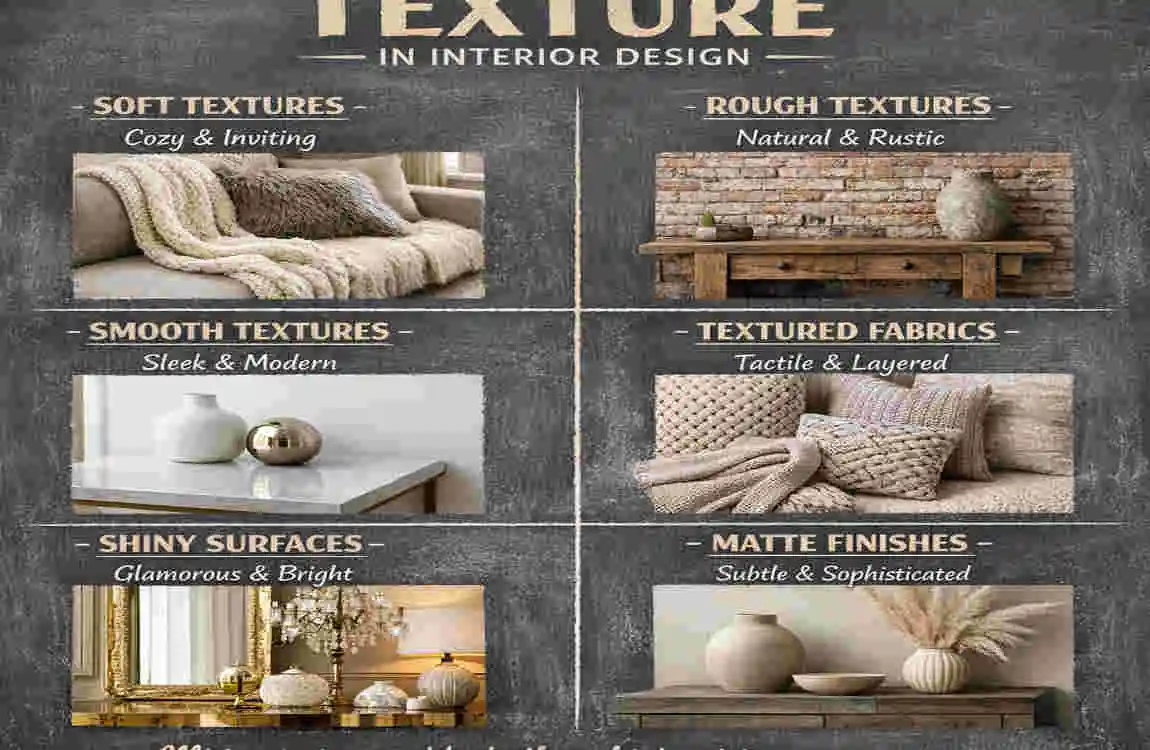
Texture means how a surface looks or feels. Some textures feel soft, some feel rough, some look shiny, and some look natural or unfinished.
In interior design, texture helps create depth and character. Without it, a room can feel plain, especially if the color palette is simple or neutral.
Visual Texture and Physical Texture
There are two main types of texture:
- Physical texture: what you can actually feel, like wood grain, velvet, stone, brick, or woven fabric.
- Visual texture: what you can see, like patterned wallpaper, printed fabric, or decorative finishes.
When you combine both, a room feels more layered and alive. Even simple spaces benefit from that extra detail.
Why Texture Makes Rooms Better
Texture keeps a room from looking flat. It also changes the mood of a space. Soft textures feel calm and welcoming, while harder textures can feel clean and modern.
Texture also works with color, light, and room size. A textured room often feels richer because your eye has more to notice.
How to Use Texture in Interior Design
Start With a Simple Base
The best way to begin is with a calm, simple base. That might mean plain painted walls, basic flooring, or simple furniture.
Once the base is in place, you can slowly add texture. This keeps the room from feeling messy and helps each piece stand out.
Layer Different Textures
A good room usually has a mix of textures. Try combining soft, smooth, rough, and natural finishes.
For example, you might use:
- A linen sofa
- A wool throw
- A wooden coffee table
- A woven rug
That mix creates depth and makes the room feel finished.
Balance Rough and Smooth Materials
Balance is important. If everything is soft, the room can feel dull. If everything is hard, it can feel cold.
Try pairing things like:
Texture Pairing Effect
Wood + glass Warm but clean look
Stone + soft fabric Strong contrast with comfort
Woven basket + metal accent Natural and modern balance
Velvet + smooth furniture Rich and polished feel
This kind of contrast keeps the room visually interesting.
Use Texture With Color
Texture can change the way color feels. A soft beige in linen looks different from the same beige on a glossy surface.
This is why texture matters so much in neutral, earthy, bold, and monochromatic rooms. When you use several textures within a single color family, the space feels more layered without sacrificing harmony.
Easy Ways to Add Texture to Every Room
Living Room Texture Ideas
The living room is a great place to start. It often has the most visible surfaces, so even small changes make a big difference.
You can add texture with:
- Cushions and throws
- A wool, jute, or patterned rug
- Wooden furniture
- Ceramic pieces
- Woven baskets
- Textured curtains or wall art
Keep the room cozy, but do not overload it. A few strong texture choices are usually enough.
Bedroom Texture Ideas
Bedrooms should feel soft and restful. Texture helps create that relaxed feeling.
Try layering:
- Cotton or linen bedding
- A wool or knitted throw
- An upholstered headboard
- A soft area rug
- Textured curtains
- Decorative pillows in different fabrics
These details make the room feel calm and comfortable without adding clutter.
Kitchen Texture Ideas
Kitchens often lean smooth and practical, so texture can help warm them up.
You can use:
- Wood accents
- Stone countertops or backsplashes
- Textured tiles
- Woven stools or baskets
- A simple rug near the sink
These touches make the kitchen feel more inviting while still keeping it clean and functional.
Bathroom Texture Ideas
Bathrooms look more relaxed and spa-like when texture is used well. Combine glossy surfaces with matte finishes for balance.
Good options include:
- Stone or wood-look finishes
- Textured tile
- Soft towels
- Natural fiber baskets
- Matte fixtures with shiny accents
This mix creates a fresh, peaceful feel.
Entryway and Hallway Texture Ideas
These spaces are often narrow, so texture can help them feel more welcoming.
Try:
- A textured runner
- A wooden bench
- Woven storage baskets
- Wall paneling or decorative wall details
Even a small space can feel thoughtful when texture is used carefully.
Popular Textures and Materials for Stylish Homes
Wood
Wood adds warmth and natural character. It works in almost every room and can feel rustic, modern, or classic depending on the finish.
You can use it for flooring, furniture, shelves, wall panels, or small decorative pieces.
Natural Fibers
Materials like jute, rattan, wicker, bamboo, cotton, linen, and wool bring a relaxed, organic feel.
They are great for homes that want a softer, more lived-in look. Rugs, baskets, cushions, and chairs are all good places to use them.
Stone and Brick
Stone and brick give a room an earthy, architectural feel. They work well in fireplaces, backsplashes, accent walls, and countertops.
Because these surfaces are strong and hard, it helps to soften the room with fabric, rugs, and upholstered furniture.
Velvet and Soft Fabrics
Velvet adds a sense of richness and depth. Other soft fabrics like boucle, chenille, cotton, and wool can also make a room feel cozy.
Mixing several soft fabrics often looks better than using just one.
Metal and Glass
Metal adds a sleek or industrial touch. Glass gives you a smooth finish that can balance rough or soft materials.
Brass, black metal, stainless steel, and Glass all work well when used in small amounts.
How to Avoid a Room That Feels Too Busy
Follow the Rule of Balance
Do not use too many competing textures at once. Pick a few main materials and repeat them in different ways.
That repetition helps the room feel intentional and calm.
Mix Textures in Different Sizes
Large textures and small textures work best together. For example, you might have a textured wall, a smooth sofa, and a few woven cushions.
This gives the eye enough variety without overwhelming the room.
Leave Some Smooth Surfaces
Not every surface should be textured. Smooth walls, tables, and glass pieces give the eye a place to rest.
That contrast helps the room feel balanced instead of crowded.
Budget-Friendly Texture Ideas
You do not need expensive materials to improve texture in your home. Small changes can go a long way.
Here are a few easy ideas:
- Add textured cushions and throws.
- Use baskets for storage.
- Bring in plants and natural materials.
- Try textured wallpaper or peel-and-stick wall finishes.
- Use rugs to add softness and pattern.
- Repurpose wooden furniture.
- Add simple wall molding or paneling.
These updates are affordable and easy to layer over time.
Common Texture Mistakes to Avoid
Using Too Many Textures
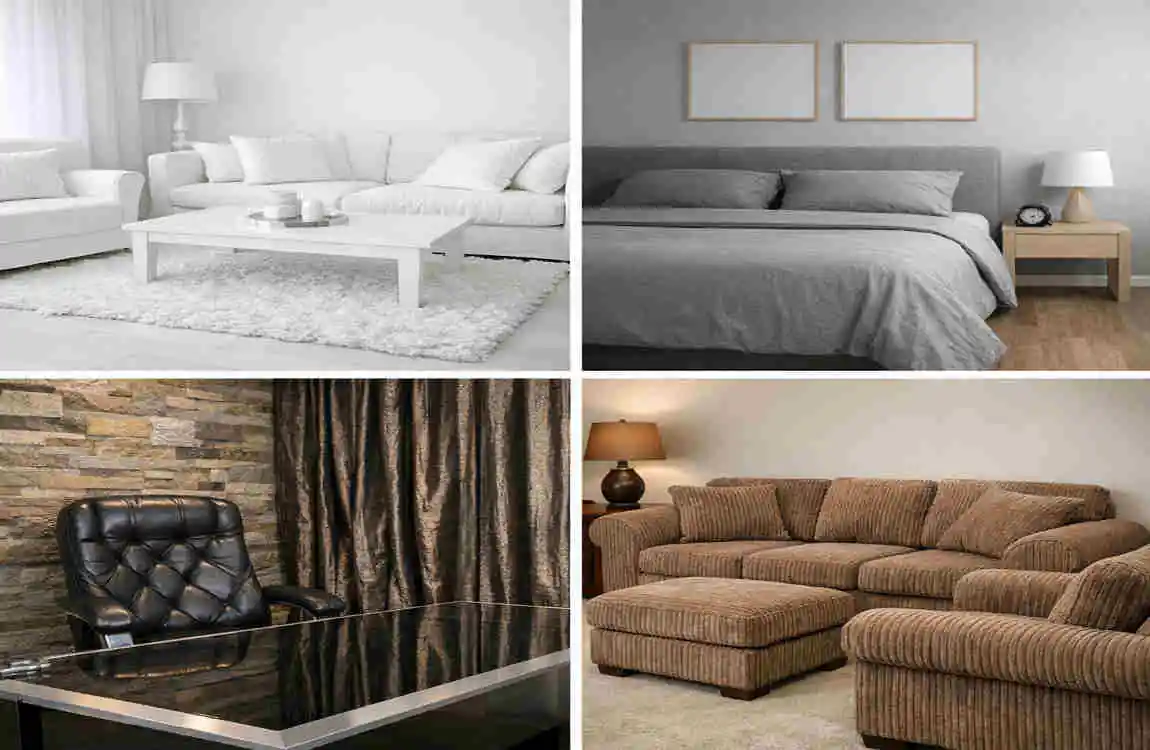
Too much texture can make a room feel noisy. Keep your material choices controlled and repeat the same ones in a few places.
Ignoring Room Function
A kitchen needs practical, easy-to-clean textures. A bedroom can be softer. A hallway needs durable materials. Always match the texture to the room.
Forgetting About Lighting
Lighting changes how texture looks. A material may seem soft in daylight but harsh under strong artificial light.
Check your textures in different lighting before deciding.
Mixing Clashing Styles
Rustic, modern, traditional, and industrial textures can work together, but they need something to connect them. Color repetition is often the easiest way to tie them together.
FAQ: How to Use Texture in Interior Design
What is the easiest way to add texture to a room?
Start with simple items like rugs, cushions, throws, curtains, baskets, plants, and wooden accents. These are affordable and easy to use.
How many textures should you use in one room?
There is no strict number, but a few complementary textures usually work better than many unrelated ones.
Can you use texture in a minimalist home?
Yes. Minimalist spaces often look better with subtle texture from wood, linen, wool, stone, and matte finishes.
How do you mix textures without making a room messy?
Use a simple color palette and combine contrasting textures in moderation. Repetition helps a lot.
What textures make a home feel cozy?
Wool, linen, velvet, jute, rattan, cotton, wood, and knitted fabrics are all good choices.
| Texture Element | Simple Interior Design Tip | Best For |
|---|---|---|
| Soft Fabrics | Add cushions, throws, or curtains in different fabrics. | Bedrooms & living rooms |
| Rugs | Use a textured rug to make floors feel warmer and cozier. | Living rooms & bedrooms |
| Wood | Include wooden furniture or wall panels for natural warmth. | Modern & rustic homes |
| Plants | Add greenery to bring a fresh, organic texture indoors. | Any room |
| Stone | Use stone accents on walls, fireplaces, or countertops. | Kitchens & living rooms |
| Metal | Mix metal lamps, handles, or décor for contrast. | Modern interiors |
| Woven Décor | Try baskets, woven chairs, or wall décor for a relaxed look. | Boho & coastal styles |
| Layering | Combine smooth, rough, soft, and natural textures for visual depth. | Whole home |
| Balance | Avoid using too many competing textures; repeat a few throughout the room. | Any interior style |
