
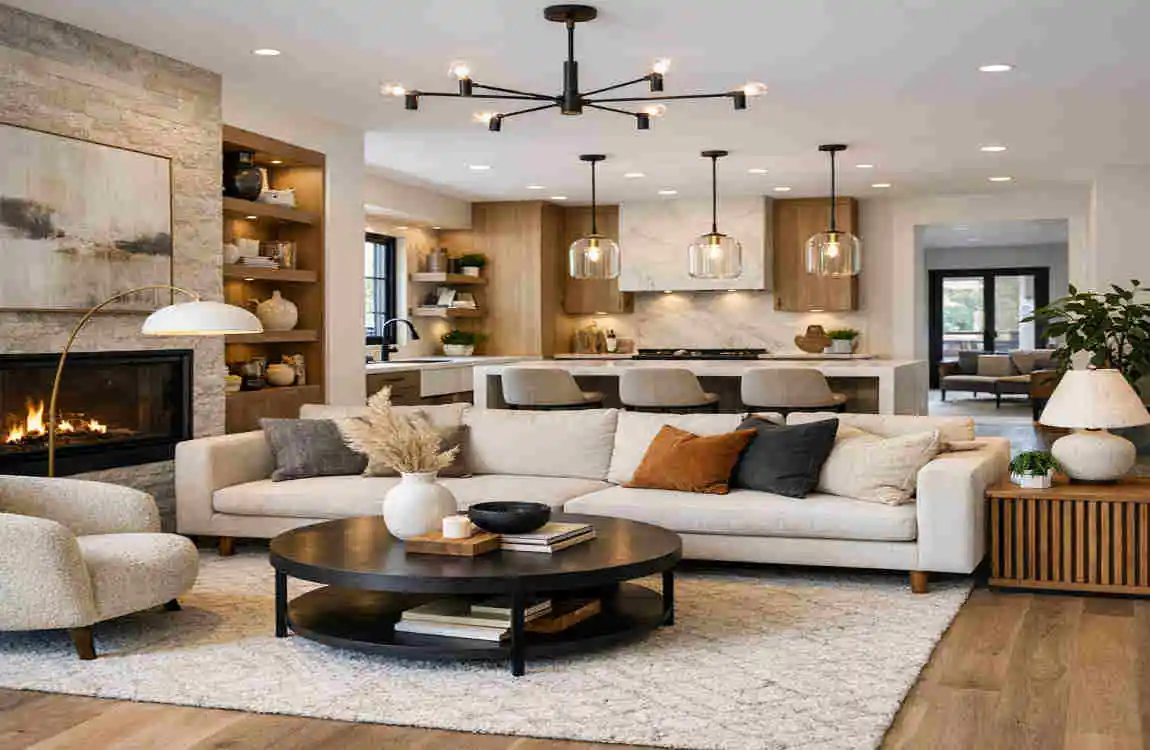
Commercial interior design is not just for offices, hotels, or restaurants. More and more homeowners are using these ideas to make their homes feel cleaner, smarter, and more polished.
If you want a space that looks organized and feels practical, commercial design can help. It brings together clear layouts, strong materials, good lighting, and a professional finish. When done well, it can make a home feel stylish without losing comfort.
That is the heart of designing commercial interiors at home. You borrow the best parts of commercial spaces, then soften them so they work for real family life.
What Is Commercial Interior Design?

Commercial interior design focuses on spaces used by many people. Think of offices, hotels, shops, restaurants, and lounges. These places need to look appealing, but they also need to work efficiently.
That is why commercial design usually pays close attention to function, flow, lighting, durability, and consistency. Everything has a purpose.
At home, the goal is similar, but the feeling should be warmer. You want the space to look refined and practical, while still feeling personal and relaxed.
Key Features of Commercial Interior Design
Commercial interiors often share a few strong ideas:
- Functional layouts that make movement easy
- Durable materials that hold up to daily use
- Consistent colors and finishes for a polished look
- Comfortable furniture that still feels professional
- Thoughtful lighting that supports different tasks
- Clear circulation so spaces do not feel crowded
These features work because they make the space easier to use. They also create a sense of order, which many homeowners want in modern living spaces.
Commercial vs. Residential Interior Design
Residential design usually focuses more on comfort, personality, and family life. Commercial design focuses more on efficiency, flow, and durability.
The good news is that you do not have to choose one or the other. You can combine both. That is where the best home interiors often come from.
A home can feel inviting and still look highly organized. It can feel soft and personal while keeping the clean structure of a commercial space.
How to Design Commercial Interiors at Home
Start With a Functional Floor Plan
Before you buy furniture or pick colors, look at the room itself. Ask yourself how the space should work.
This is one of the most important steps in designing commercial interiors at home. A good floor plan keeps the room useful, open, and easy to move through.
Measure the room carefully. Then think about the main activities that happen there. If the room is too crowded, remove pieces that do not serve a clear purpose.
A commercial-style room usually avoids wasted space. Every item should support the way you live.
Create Dedicated Zones
Commercial spaces often use zoning very well. A hotel lounge, office, or restaurant may have distinct areas for different needs, even within a single large room.
You can do the same at home. For example, one open space can include a work corner, a reading area, a dining zone, and a relaxing area.
This does not mean adding walls everywhere. You can use rugs, lighting, furniture placement, and shelving to define each zone.
Simple Ways to Zone a Room
- Use a rug to anchor the seating area
- Place a desk near natural light for a work zone
- Use a pendant light above the dining table
- Add a console or shelf to separate spaces gently
- Keep pathways open so the room still feels connected
Choose a Consistent Design Theme
Commercial interiors usually feel successful because they stay visually consistent. You see the same tones, materials, and shapes repeated throughout the space.
Your home should do the same. Choose a clear direction before decorating. It might be modern, industrial, warm minimal, hotel-inspired, or refined contemporary.
A strong theme helps the home feel calm and finished. It also prevents the space from looking random or cluttered.
Use Commercial-Style Materials and Finishes
Flooring Ideas
Flooring can quickly change the mood of a room. Commercial spaces often use flooring that looks good and lasts a long time.
At home, good options include luxury vinyl, engineered wood, polished concrete, tile, and quality laminate. These materials are practical and stylish.
Luxury vinyl is especially useful if you want the look of wood or stone with easier care. Tile and polished concrete create a more sleek, professional feel. Engineered wood brings warmth without losing elegance.
Walls and Architectural Details
Walls in commercial interiors are often simple but thoughtful. The goal is not to overload the room. Instead, designers use details that add structure.
You might use wood panels, textured wall finishes, glass dividers, accent walls, or slim molding. These touches make the home feel more designed.
A single feature wall can bring depth without making the space busy. A glass partition can separate areas while still letting light pass through.
Furniture and Fixtures
Commercial furniture usually has a clean, purposeful shape. It may not be overly decorative, but it often looks high quality.
For your home, choose pieces that feel streamlined, durable, and comfortable. Built-in storage, simple sofas, sturdy chairs, and good tables all help the room feel more professional.
You do not need every item to be flashy. In fact, the best commercial-inspired homes often look calm because the furniture is carefully chosen.
Lighting Ideas for a Commercial-Inspired Home
Layered Lighting
Lighting is one of the most powerful parts of design. If you want to understand how to design commercial interiors at home, start here.
Commercial spaces usually use more than one type of lighting. They combine ambient, task, and accent lighting to create depth and flexibility.
Ambient lighting gives the room overall brightness. Task lighting supports reading, cooking, or working. Accent lighting highlights art, shelves, or features.
When you layer these together, the room feels more complete and more expensive.
Statement Lighting
Statement lights can make a space feel memorable. In commercial interiors, lighting often acts like a design feature, not just a utility.
You can use pendant lights, wall sconces, recessed lighting, track lighting, or a bold chandelier. The right piece can add style while still serving a real function.
A long hallway, dining area, or kitchen island is often a great place for this kind of lighting.
Smart and Energy-Efficient Lighting
Smart lighting is a great match for commercial-inspired homes. It gives you control and convenience.
Dimmers let you change the mood. Motion sensors can be useful in hallways or closets. Smart bulbs and automated systems also help save energy.
This kind of control is practical, and it fits the polished feel you want.
Add Comfort Without Losing a Professional Look
Use Soft Textures
One of the biggest mistakes people make is making the home feel too hard or cold. Commercial style should look professional, but it still needs warmth.
Soft textures help with that. Add rugs, curtains, cushions, throws, and upholstered furniture to soften the space.
These details make the room feel more welcoming without ruining the clean look.
Add Natural Elements
Commercial spaces often use natural materials to maintain balance. A little warmth goes a long way.
Wood, stone, daylight, and indoor plants all help. They bring life into the room and stop it from feeling too strict.
A few natural touches can make a modern home feel calmer and more human.
Personalize the Space
Your home should not feel like a hotel lobby. It should reflect who you are.
Add books, artwork, family photos, travel objects, or meaningful decor. These details add personality and help the space feel lived in.
The trick is to keep them edited. A few well-chosen pieces look better than too many small items.
Balance Style With Function
This is the key to making commercial design work at home. Style matters, but function matters as much.
Ask yourself if each choice improves the way you live. If it looks good but causes frustration, it probably is not the right fit.
Best Rooms for Commercial-Inspired Interior Design
Living Room
A commercial-inspired living room can feel like a stylish hotel lounge. Use a strong seating arrangement, good lighting, and a clear focal point.
Keep the layout open and avoid overcrowding. A few large, well-chosen pieces often work better than many small ones.
Home Office
This is one of the easiest rooms to design with commercial ideas. Offices are built for focus, so they naturally support a structured layout.
Choose a good desk, comfortable chair, storage that hides clutter, and lighting that supports work. Keep the space clean and simple, but not sterile.
Kitchen and Dining Area
Commercial kitchens and restaurants are all about efficiency. You can borrow that feeling at home.
Use durable counters, practical storage, task lighting, and a layout that supports easy movement. In the dining area, choose seating that looks smart yet feels comfortable for long meals.
Bedroom
A bedroom inspired by boutique hotels can feel very calm. Choose soft tones, layered lighting, and minimal furniture.
The goal is to create a restful space that still feels elevated. Fewer pieces often work better here.
Bathroom
Bathrooms can take inspiration from spa and hotel design. Clean surfaces, good mirrors, thoughtful storage, and elegant fixtures all help.
A simple color palette and good lighting make the room feel more refined.
Common Mistakes to Avoid When Designing Commercial Interiors at Home
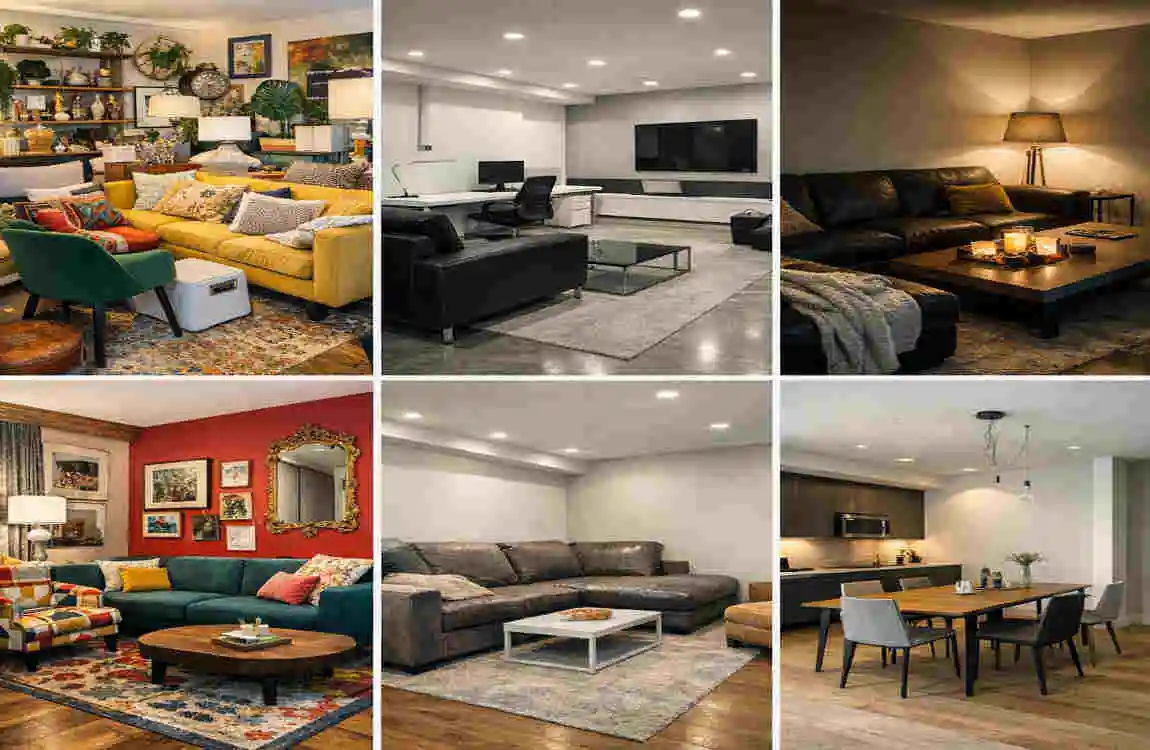
Using Too Much Commercial Furniture
Too much office-style furniture can make a home feel stiff. You want comfort too, not just structure.
Choosing Style Over Function
Some people focus so much on appearance that they forget about daily use. A beautiful room that is hard to live in will not feel successful for long.
Creating a Cold Atmosphere
If every surface is hard and every color is gray or black, the room may feel distant. Balance is important.
Overcrowding the Room
Commercial spaces often feel open because they are edited carefully. Do not fill every corner.
Ignoring Lighting
Lighting can either support the design or ruin it. A room with weak lighting will never feel polished.
Mixing Too Many Styles
If you try to combine too many looks, the room loses its clarity. Keep the design direction focused.
FAQ About Designing Commercial Interiors at Home
Can you use commercial interior design ideas in a home?
Yes. Efficient layouts, durable materials, and layered lighting work very well in homes.
How to design commercial interiors at home without making them feel like an office?
Add soft textures, natural materials, artwork, and personal items to keep the space warm.
What materials are best for commercial-inspired home interiors?
Good choices include luxury vinyl, engineered wood, tile, natural stone, metal, glass, and quality laminates.
Is commercial interior design more expensive than residential design?
Not always. It depends on the materials, labor, and scale of the project.
How can lighting improve a commercial-style home?
Lighting adds function, mood, and visual interest. It helps define zones and makes spaces feel more polished.
What is the biggest benefit of commercial-inspired interior design?
The biggest benefit is the mix of style, order, comfort, and durability.
Can commercial interior design increase home value?
Yes, especially when the design features durable finishes, practical layouts, and a timeless style.
| Aspect | Key Information |
|---|---|
| Concept | Commercial interior design principles can inspire stylish, functional home interiors. |
| Style | Focus on clean layouts, modern finishes, quality materials, and professional aesthetics. |
| Furniture | Choose comfortable, durable furniture that combines practicality with visual appeal. |
| Lighting | Layered lighting, statement fixtures, and natural light can create a polished atmosphere. |
| Colors | Neutral tones with carefully selected accent colors help create an elegant and welcoming look. |
| Materials | Wood, glass, metal, stone, and premium textiles can add texture and sophistication. |
| Functionality | Smart space planning ensures every area remains organized, comfortable, and useful. |
| Home Value | Well-designed interiors can improve visual appeal, functionality, and potentially property value. |
