
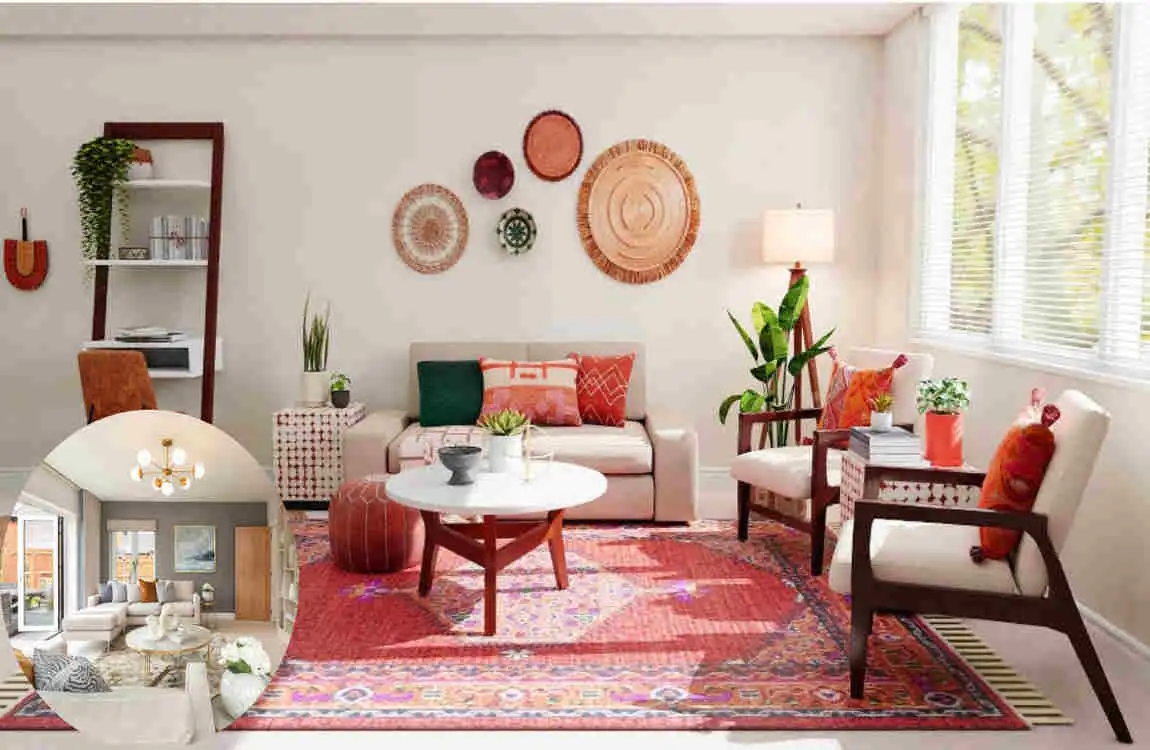
Designing your home interior does not always mean spending a large amount of money or completely remodeling every room. Good interior design is mainly about creating a space that feels comfortable, practical, attractive, and personal.
If you are wondering how to design your home’s interior, start with a simple plan. Think about how you use each room, what furniture you already have, which colors you like, and what needs improvement. Small changes such as better lighting, fresh paint, organized storage, and carefully chosen décor can make a noticeable difference.
How to Do Interior Design for My House
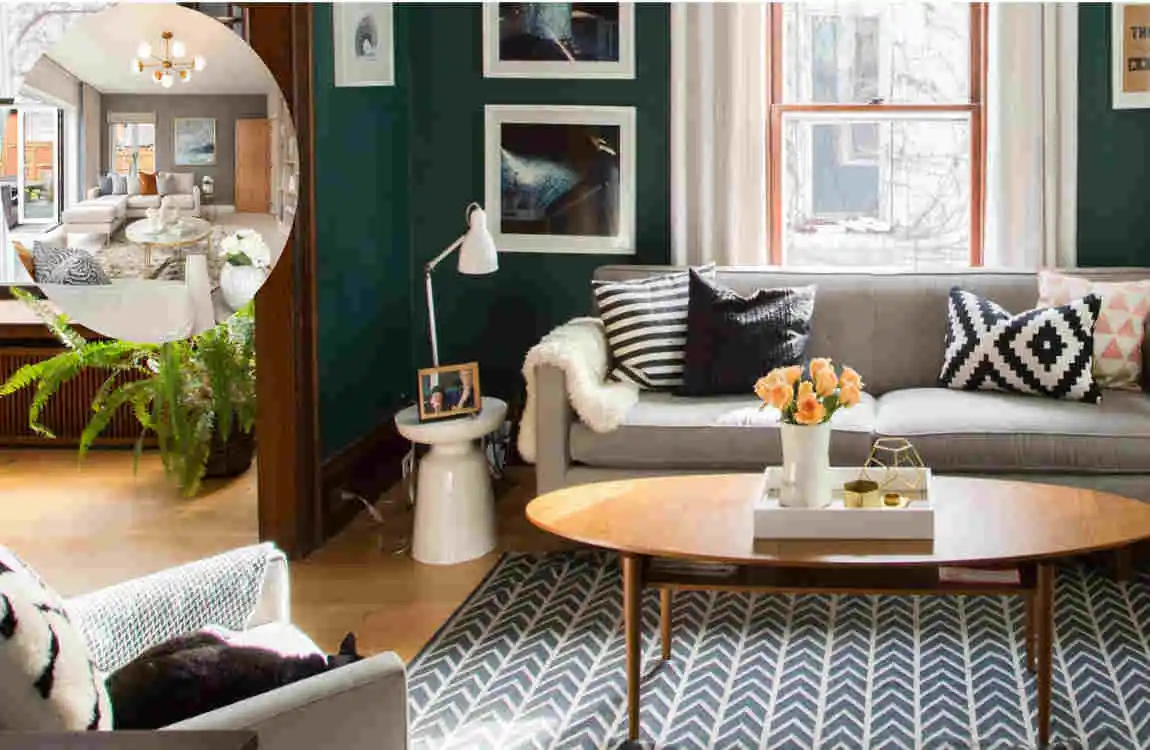
The best interior design projects begin with planning rather than shopping. Before buying furniture or accessories, understand the space you are working with.
Understand Your Home’s Layout
Start by measuring each room. Note the location of doors, windows, electrical outlets, built-in cabinets, and other permanent features.
Think about how people move through the room. You should have comfortable walking paths and enough space to open doors, use furniture, and move around easily.
Also identify practical problems. Perhaps your living room needs more storage, your bedroom feels crowded, or your kitchen lacks enough workspace.
Decide on Your Interior Design Style
Choosing a main style makes it easier to select furniture, colors, lighting, and accessories.
Popular choices include modern, contemporary, minimalist, Scandinavian, traditional, farmhouse, and industrial styles.
You do not have to follow one style perfectly. You can mix elements, but keeping one dominant look helps your home feel connected rather than random.
Set a Realistic Interior Design Budget
Create a budget before purchasing anything—separate essential improvements from decorative upgrades.
For example, repairing damaged flooring or improving poor lighting may be more important than buying decorative accessories.
A simple rule is to prioritize function first and decoration second. Also keep some money aside for unexpected costs.
Choose a Color Scheme That Works Throughout Your Home
Color has a major effect on how a room feels. The right palette can make a space appear larger, warmer, brighter, or more relaxing.
Start With a Main Color
Neutral colors such as white, cream, beige, gray, and soft earth tones provide a flexible foundation.
You can use a neutral shade on walls and introduce stronger colors through furniture, artwork, rugs, or cushions.
Add Accent Colors
Accent colors bring personality into a room. You might introduce blue through cushions, green through plants, or warm tones through artwork and rugs.
Try not to use too many competing colors. A simple combination of a main color, supporting shade, and accent color often looks more balanced.
Consider Natural and Artificial Light
Remember that colors can look different throughout the day. Natural sunlight, ceiling lights, lamps, and wall lights can all change how paint appears.
Test paint samples in different lighting conditions before committing to a large area.
Create a Functional Furniture Layout
Furniture should make a room easier to use, not simply fill space.
Choose Furniture Based on Room Size
Large furniture can overwhelm a small room, while very small furniture can make a large room feel unfinished.
Measure your available space before purchasing anything. Leave enough room for comfortable movement between furniture pieces.
Create a Focal Point
Every room benefits from a visual focal point. This could be a fireplace, TV wall, large window, artwork, statement light fixture, or accent wall.
Arrange other elements around the focal point so the room feels intentional.
Avoid Common Furniture Placement Mistakes
Avoid blocking windows, creating narrow walkways, or filling every corner with furniture.
You also do not have to push every piece against the wall. Sometimes bringing furniture slightly into the room creates a more comfortable and welcoming arrangement.
Use Lighting to Transform Your Interior
Lighting is one of the easiest ways to improve home interior design.
Layer Different Types of Lighting
A well-designed room usually combines three basic lighting types:
- Ambient lighting: General illumination for the room.
- Task lighting: Focused light for reading, cooking, working, or other activities.
- Accent lighting: Decorative light used to highlight artwork, shelves, or architectural features.
Using several layers makes a room more flexible and visually interesting.
Make the Most of Natural Light
Keep windows as unobstructed as possible. Choose curtains or blinds that provide privacy without completely blocking sunlight.
Mirrors can also reflect available light, making a room feel brighter.
Choose Decorative Light Fixtures
Pendant lights, chandeliers, floor lamps, table lamps, and wall sconces can become design features in their own right.
Choose fixtures that match the room’s overall style while providing enough light for everyday activities.
Simple Interior Design Ideas for the Living Room
The living room is often the main social area of a home, so comfort and functionality should guide your choices.
Arrange Seating for Conversation
Place sofas and chairs so people can comfortably talk with one another. Avoid creating an arrangement where everyone faces only the television unless that is the room’s main purpose.
Add an Area Rug
An area rug can define a seating zone while adding warmth, color, and texture.
Make sure the rug is appropriately sized. A rug that is too small can make the furniture arrangement look disconnected.
Decorate the Walls
Use artwork, mirrors, floating shelves, photographs, or an accent wall to give empty walls character.
Do not feel the need to decorate every available section. Negative space can make a room feel calmer and more sophisticated.
Add Plants and Natural Elements
Indoor plants, wooden furniture, woven baskets, and natural fabrics can make a living room feel warmer.
These elements also work well with modern, Scandinavian, farmhouse, and minimalist interiors.
Simple Bedroom Interior Design Ideas
Your bedroom should feel comfortable and relaxing.
Choose Calming Colors
Soft neutrals, muted greens, gentle blues, warm creams, and other understated shades can create a peaceful atmosphere.
Avoid using overly bright colors if they make it difficult for you to relax.
Make the Bed the Focal Point
The bed is naturally the main feature of most bedrooms. Choose bedding that complements the wall color and furniture.
Add a few pillows and a throw for texture, but avoid overcrowding the bed.
Improve Bedroom Lighting
Use bedside lamps, wall lights, or soft overhead lighting to create a relaxing atmosphere.
Adjustable lighting is particularly useful because you can use brighter light during the day and softer illumination at night.
Keep Clutter Under Control
Good storage can dramatically improve a bedroom.
Use wardrobes, bedside tables, under-bed storage, and decorative baskets to keep everyday items organized and surfaces clear.
Stylish Kitchen Interior Design Ideas
Kitchen design should combine function, storage, durability, and style.
Combine Function and Style
Think about how you prepare food, store ingredients, clean surfaces, and move between appliances.
A beautiful kitchen that is difficult to use will quickly become frustrating. Plan the layout around your daily routine.
Update Cabinets and Hardware
You may not need completely new cabinets. Painting existing cabinets or replacing handles and knobs can create a fresh appearance.
Open shelving can also provide an attractive display area, although it should not replace necessary closed storage.
Add a Decorative Backsplash
A backsplash can introduce color, texture, or pattern without changing the entire kitchen.
Choose a finish that complements your cabinets, countertops, and flooring.
Improve Kitchen Lighting
Under-cabinet lighting can make food preparation easier, while pendant lights can add personality over an island or dining area.
Combine functional lighting with decorative fixtures for a balanced result.
Bathroom Interior Design Ideas
Bathrooms can benefit from small improvements just as much as larger rooms.
Use Light Colors in Small Bathrooms
Light walls, flooring, and fixtures can help a compact bathroom feel more open.
This does not mean every surface must be white. Soft beige, cream, light gray, and subtle natural shades can also work well.
Add Mirrors
A large mirror can make a small bathroom feel more spacious while improving light reflection.
Position the mirror where it provides practical value and visual impact.
Upgrade Small Details
You can refresh a bathroom by replacing:
- Faucets
- Cabinet handles
- Towels
- Shower curtains
- Light fixtures
These small details can create a noticeable improvement without requiring a complete renovation.
Add Storage Without Losing Style
Floating shelves, wall-mounted cabinets, and baskets can provide storage without taking up too much floor space.
Keep frequently used items accessible while storing less attractive items out of sight.
Interior Design Ideas for Small Houses
Small homes require careful planning because every square foot matters.
Use Multifunctional Furniture
Choose furniture that performs more than one job. Storage ottomans, sofa beds, extendable dining tables, and beds with drawers can save valuable space.
Use Mirrors Strategically
A strategically placed mirror can reflect light and create the visual impression of additional space.
Instead of covering every wall with mirrors, use one or two larger pieces where they provide the most benefit.
Keep the Color Palette Simple
Too many colors and patterns can make a small space feel crowded.
A limited palette creates visual continuity and makes rooms feel more connected.
Use Vertical Space
When floor space is limited, look upward. Tall shelves, high cabinets, wall-mounted storage, and vertical artwork can provide useful storage and decoration without reducing walking space.
How to Make a House Look Expensive on a Budget
A stylish interior does not require expensive furniture.
Focus on Quality Over Quantity
Instead of filling a room with inexpensive decorative pieces, choose fewer items that look useful and intentional.
A clean room with well-selected furniture often appears more sophisticated than an overcrowded space.
Upgrade Hardware and Fixtures
Replacing cabinet handles, drawer pulls, faucets, curtain rods, or light fixtures can create a fresh look without major construction.
Use Textures
Combine different materials such as wood, metal, glass, fabric, stone, and natural fibers.
Texture adds depth and prevents a neutral room from looking flat.
Keep Your Home Clean and Organized
Organization has a powerful effect on interior appearance. Clear countertops, neatly arranged shelves, and uncluttered floors can make even an inexpensive home feel polished.
Common Interior Design Mistakes to Avoid
Even good ideas can fail when they are not planned properly.
Avoid choosing furniture before measuring the room, using too many unrelated colors, ignoring lighting, or filling every available surface with décor.
Other common mistakes include using rugs that are too small, hanging artwork too high, ignoring storage, and choosing appearance over functionality.
The best house interior design ideas should make your home easier and more enjoyable to live in.
Easy DIY Interior Design Projects
You can complete many simple projects without a major renovation.
Create an Accent Wall
An accent wall can be created with paint, wallpaper, wood slats, or decorative panels.
Choose one wall rather than applying a strong treatment everywhere. This keeps the feature noticeable without overwhelming the room.
Refresh Old Furniture
Give older furniture a new life with paint, replacement hardware, or updated upholstery.
This can be an affordable way to change the appearance of a room while keeping furniture you already own.
Create a Gallery Wall
Combine photographs, artwork, small mirrors, and decorative objects to create a personalized gallery wall.
Before hanging everything, arrange the pieces on the floor to find a composition you like.
Add Indoor Plants
Plants bring natural color and texture into your home.
Choose varieties that suit your available light and the amount of maintenance you are comfortable providing.
How to Keep Your House Interior Design Cohesive
A cohesive home does not mean every room must look identical.
Repeat Colors Throughout the Home
Choose a few colors and repeat them in different rooms through artwork, rugs, curtains, cushions, or furniture.
Maintain Consistent Materials
Repeating similar wood finishes, metals, or fabrics can create a connection between spaces.
Balance Different Textures
Mix smooth and textured surfaces to create visual interest. For example, combine a smooth table with a textured rug and soft fabric furnishings.
Connect Rooms With Accessories
Rugs, artwork, curtains, and accessories can visually connect separate rooms and make the entire home feel thoughtfully designed.
Interior Design Ideas by Budget
Budget Level Interior Design Ideas
Low Budget Paint, plants, cushions, artwork, decluttering, furniture rearrangement
Moderate Budget Rugs, lighting, curtains, furniture upgrades, cabinet hardware
Higher Budget Custom furniture, flooring, cabinetry, remodeling, designer finishes
How to Choose Interior Décor That Matches Your Style
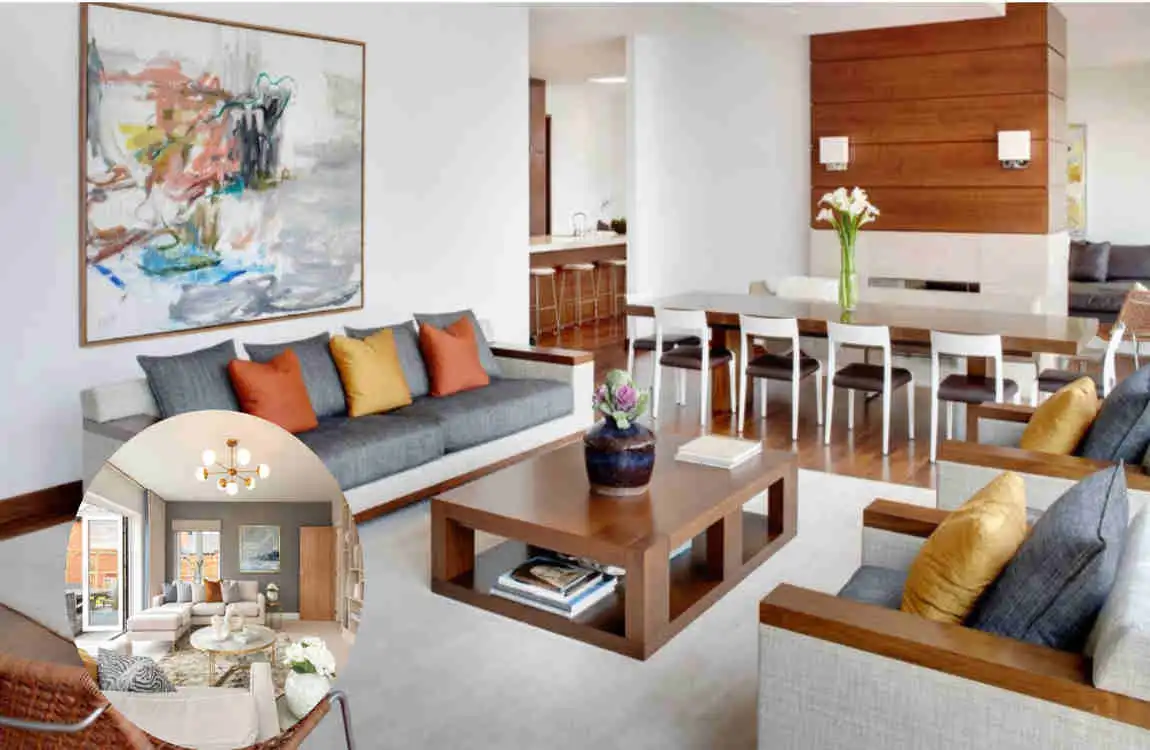
Select Meaningful Accessories
Your home should reflect your personality rather than simply copying the latest trend.
Choose artwork, photographs, books, plants, and decorative pieces that you genuinely enjoy.
Mix Old and New
An older wooden table can look excellent beside a contemporary sofa. Vintage accessories can also add character to an otherwise modern room.
Mixing styles carefully often creates a more personal interior.
Avoid Overcrowding
Leave some space around important furniture and decorative pieces.
A room does not need to be filled to look finished. Negative space helps important features stand out.
Frequently Asked Questions About House Interior Design
How do I start interior design for my house?
Start by measuring your rooms and identifying your practical needs. Then set a budget, choose a general style, create a color palette, and plan your furniture arrangement.
Begin with the most important room rather than trying to redesign the entire house at once.
What is the easiest way to improve my home’s interior?
Start with decluttering, furniture rearrangement, lighting, paint, rugs, curtains, and accessories.
These changes can make a noticeable difference without requiring major construction.
How can I design my house without spending a lot of money?
Rearrange furniture, repaint walls, upgrade hardware, add plants, refresh textiles, and display artwork.
You can also repurpose existing furniture instead of replacing everything.
Which colors are best for house interiors?
There is no single best color. The right choice depends on the room’s size, natural light, existing furniture, and the atmosphere you want.
Neutral colors are flexible, while accent colors can add personality.
How can I make a small house look bigger?
Use light colors, mirrors, multifunctional furniture, uncluttered surfaces, and smart storage.
Keeping furniture proportional to the room is equally important.
Should all rooms in a house have the same interior style?
No. Rooms can have different personalities. However, repeating colors, materials, or decorative elements can create visual continuity.
What should I buy first when designing a house?
Start with essential furniture and functional items. Once the basic layout works, add lighting, rugs, artwork, plants, and other accessories.
| Interior Design Idea | Simple Approach | Main Benefit |
|---|---|---|
| Use Neutral Colors | Choose white, beige, gray, or soft earthy tones for walls and furniture. | Creates a calm and timeless look |
| Add Statement Lighting | Use pendant lights, floor lamps, or stylish chandeliers. | Adds character and warmth |
| Choose Functional Furniture | Select pieces that fit the room and provide useful storage. | Saves space and improves comfort |
| Add Indoor Plants | Place small or large plants in living areas and corners. | Brings freshness and natural beauty |
| Use Wall Décor | Add artwork, mirrors, shelves, or family photos. | Makes plain walls more attractive |
| Layer Textures | Combine rugs, curtains, cushions, wood, and soft fabrics. | Makes rooms feel cozy and inviting |
| Keep Clutter Minimal | Use baskets, cabinets, and hidden storage solutions. | Keeps the home clean and organized |
| Add a Focal Point | Highlight a fireplace, accent wall, artwork, or unique furniture piece. | Gives the room a strong visual center |
