
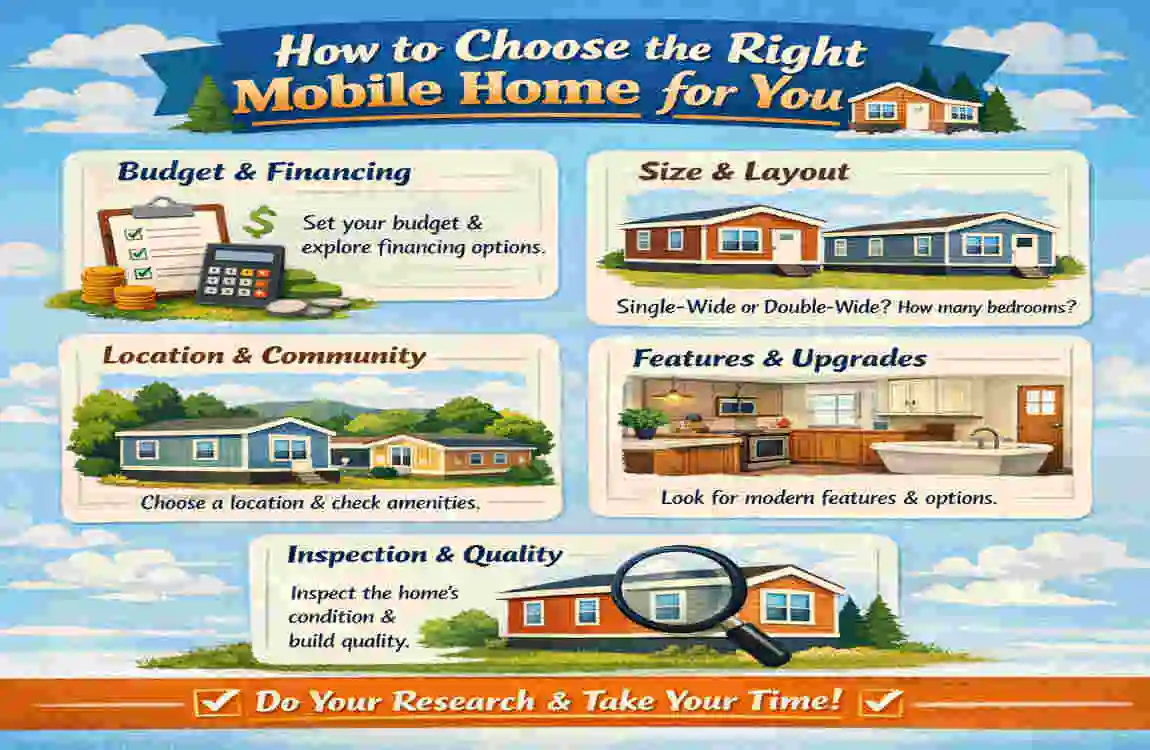
Choosing a mobile home is a big decision, and it is one that can shape your daily comfort, your budget, and even your plans. More and more people are turning to mobile homes because they offer a practical way to own a home without taking on the high price tag that often comes with traditional housing. For many buyers, that makes a mobile home not just a cheaper option, but a smarter one.
A mobile home can give you freedom, flexibility, and a more manageable lifestyle. You may want a home that fits your family, gives you room to grow, or helps you lower your monthly housing costs. Whatever your reason, the key is choosing the right one for your needs. That means looking beyond the surface and thinking carefully about size, layout, location, quality, financing, and long-term value.
This mobile home buying guide will walk you through every major decision you need to make before you buy. You will learn how mobile homes work, what they cost, how to compare floor plans, what to look for in a community or on private LandLand, and how to avoid common mistakes. By the end, you will feel much more prepared to choose a mobile home that fits your life today and supports your plans for tomorrow.
What Is a Mobile Home?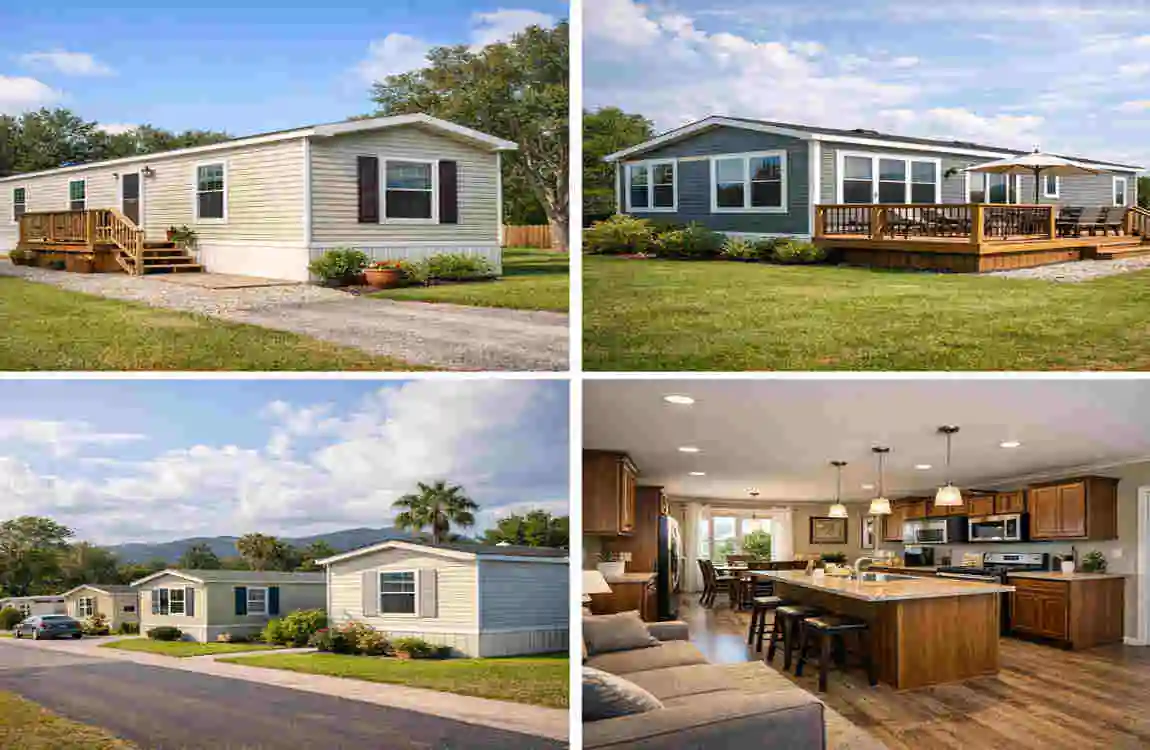
Understanding Mobile Homes
A mobile home is a factory-built home that is designed to be moved and installed at a location. In simple terms, it is a home built off-site and then delivered to where it will be used. Most mobile homes are created with convenience and affordability in mind, which is why they remain a popular option for many buyers.
Compared with traditional homes, mobile homes often cost less, take less time to set up, and offer more flexible living choices. They can be placed in a community, on private Land, or, in some cases, in special housing areas. Even though the style may be simpler than a large site-built house, many modern mobile homes offer attractive layouts, good insulation, and useful features that make everyday life comfortable.
Mobile Home vs Manufactured Home
People often use the terms mobile home and manufactured home interchangeably, but there is a difference between them.
A true mobile home usually refers to homes built before 15 June 1976, before federal standards were introduced. After that date, the federal government created new building rules under the HUD Code. Homes built after that date are technically called manufactured homes.
The important thing for buyers is that a manufactured home must meet certain safety and construction standards. These rules help improve quality, durability, and safety. So when you shop today, most of what you see will be manufactured homes, even if people still casually call them mobile homes.
Why Mobile Homes Are Popular
There are several reasons why affordable mobile homes continue to attract buyers.
First, they are usually much less expensive than traditional houses. That lower cost makes homeownership more realistic for people who want to avoid large mortgages or steep down payments.
Second, mobile homes offer flexibility. You can often place them in different settings depending on your needs. Some buyers prefer a quiet community with shared amenities, while others want the privacy of their own LandLand.
Third, mobile homes can be easier to maintain. Smaller spaces often mean lower heating and cooling bills, fewer repairs, and less time spent on upkeep. For busy people or those who want a simpler life, that matters a lot.
Determine Your Budget Before Buying a Mobile Home
Calculate Your Total Budget
Before you start looking at models, you need a clear idea of what you can afford. The purchase price is only one part of the total cost. A smart buyer looks at the full picture, not just the sticker price.
Your budget should include:
- The purchase price of the home
- The cost of LandLand, if you are buying private property
- Delivery and installation fees
- Utility hookups, skirting, and setup costs
A mobile home may look affordable at first, but extra costs can add up quickly. For example, moving the home to your LandLand, connecting water and electricity, and preparing the site can all affect your final price. If you skip these calculations, you may end up with a home you love but cannot comfortably afford.
It helps to set a realistic budget before you shop. That way, you can focus on homes that fit your financial range instead of falling in love with something that stretches your finances too far.
Consider Additional Costs
Many first-time buyers focus only on the home itself. But mobile home ownership comes with ongoing expenses too. These monthly and yearly costs matter because they affect your long-term comfort and financial stability.
Some of the most common extra costs include:
- Property taxes, if the home and LandLand are taxed together
- Lot rent if the home sits in a mobile home community
- Utilities such as electricity, water, sewer, propane, or internet
- Insurance to protect the home from damage and liability
- Maintenance and repairs, especially for roofing, plumbing, and HVAC systems
If you are buying into a mobile home community, ask about the monthly lot fee and what it covers. Some communities include trash pickup, lawn care, or access to shared features like pools or clubhouses. Others charge separately for every service.
You should also think about seasonal costs. In colder climates, heating bills may be higher. In warmer places, air conditioning may become a major part of your monthly budget. These details may seem small at first, but they matter over time.
Explore Financing Options
Financing a mobile home can be different from financing a traditional house. That is why it is important to understand your options before you buy.
Common mobile home financing choices include:
- Mobile home loans
- FHA loans
- Personal loans
- Dealer financing
Some lenders offer loans for manufactured homes if the home is on a permanent foundation or meets certain requirements. FHA loans can also help some buyers qualify with a smaller down payment, depending on the property type and their credit profile.
Personal loans may work for smaller purchases, but they often come with higher interest rates. Dealer financing can be convenient, but it is wise to compare offers before signing anything. A convenient loan is not always the best loan.
Take time to review your credit score, compare rates, and ask about loan terms. The monthly payment, loan term, and total interest paid over time can make a huge difference in what you ultimately spend.
Choose the Right Mobile Home Size
Single-Wide Mobile Homes
A single-wide mobile home is one of the most common and affordable choices. It is narrower than other types and usually works well for individuals, couples, or small families who do not need much space.
These homes are often easier to transport and may have lower purchase and setup costs. They can still feel comfortable if the layout is smart and the storage is well planned.
Pros:
- Lower cost
- Smaller footprint
- Easier to place on limited LandLand
- Often more energy efficient because of the smaller size
Cons:
- Less living space
- Fewer layout options
- It can feel tight for larger households
If you want something simple, practical, and budget-friendly, a single-wide may be a good starting point.
Double-Wide Mobile Homes
A double-wide mobile home offers much more room than a single-wide. It is built in two sections and joined on-site, creating a larger, more open living space.
This is often the most popular choice for families because it offers extra bedrooms, larger kitchens, and more flexible common areas. The added space can make daily life feel much easier, especially if multiple people live in the home.
Double-wides tend to offer a strong balance between cost and comfort. They may not be as expensive as a large custom house, but they can still provide a roomy and modern feel.
Triple-Wide Mobile Homes
A triple-wide mobile home is designed for buyers who want a larger, more luxurious living space. These homes offer more square footage and often include upgraded features, larger kitchens, multiple bathrooms, and spacious living areas.
They are a strong choice for larger households or buyers who want the feel of a high-end home without having to build from scratch. Of course, a larger size often means a higher price, greater land requirements, and higher setup costs.
Matching Home Size to Your Lifestyle
The right size depends on how you live now and how you may live in the future. Ask yourself a few practical questions:
- How many people will live in the home?
- Do you need guest space?
- Will children, pets, or aging parents live with you?
- Do you work from home and need an office?
- Do you need space for hobbies, tools, or storage?
A home that feels roomy today may feel too small in a few years. On the other hand, buying too much space can stretch your budget and create extra upkeep. The best choice is the one that fits your current needs while still leaving a little room to grow.
Size Comparison Table
Home TypeBest ForMain BenefitsPossible Drawbacks
Single-Wide Individuals, couples, small households Lower price, easy placement, efficient use of space Limited room, fewer layout options
Double-Wide Families, buyers wanting more space Larger living areas, more bedrooms, better flow Higher cost, more setup required
Triple-Wide Large families, luxury buyers Very spacious, Premium features, flexible layouts Highest cost, more land and installation needs
Select the Best Mobile Home Floor plan.
Open-Concept Layouts
An open-concept floor plan connects the kitchen, dining, and living areas into a single flowing space. This style feels modern, spacious, and welcoming.
Many buyers like open layouts because they make it easier to talk, entertain guests, and keep an eye on children while cooking. They also help smaller homes feel bigger.
If you enjoy hosting or simply like a less crowded feel, an open layout may be a strong fit. It gives the home a brighter, more social atmosphere.
Family-Oriented Floor Plans
Some mobile home floor plans are built with families in mind. These layouts usually include multiple bedrooms, more storage, and separate sleeping areas so everyone has some privacy.
This can be helpful when children share a home with adults, or when you need one room for guests and another for an office. A family-focused layout should support both together time and quiet time.
Look for a floor plan that offers a clear flow between bedrooms, bathrooms, and common areas. That makes daily routines easier, especially during busy mornings and evenings.
Accessibility-Friendly Designs
If you or someone in your household has mobility concerns, accessibility should be a top priority. Some homes offer wider hallways, step-free entrances, lower counters, and bathrooms that are easier to use safely.
These features can make a huge difference in comfort and independence. Even if accessibility is not needed today, it may become important later. Choosing a design that supports long-term use can save stress and money in the future.
Evaluating Room Functionality
A good floor plan is not just about how it looks. It is about how well each room works for your life.
Pay attention to:
- Kitchen space: Is there enough room to cook, store groceries, and move around?
- Bathrooms: Are there enough for the people living in the home?
- Bedrooms: Are they large enough for your furniture and daily use?
- Home office needs: Is there a quiet space for work or study?
- Laundry area: Is it easy to access and use?
Try to imagine your daily routine inside the home. A layout that looks good on paper may not work in real life if the rooms do not function well together.
Evaluate the Location of Your Mobile Home
Mobile Home Parks
A mobile home community can be a great option for buyers who want convenience and a built-in neighborhood feel. These communities often provide shared amenities, such as playgrounds, clubhouses, pools, or maintained common areas.
One of the biggest advantages is that you do not have to buy LandLand separately. That can lower the upfront cost and make buying easier. You may also enjoy a stronger sense of community and nearby neighbors who understand the lifestyle.
However, you will usually pay a monthly lot fee. That fee can vary widely depending on the location and services offered. Before you commit, ask what is included and what rules you must follow. Some communities have age restrictions, pet policies, or rules about exterior appearance.
Private Land Ownership
Placing a manufactured home on private LandLand gives you more independence. You may have more privacy, more control over the property, and a better chance of long-term value growth if the Land appreciates.
This route can be especially appealing if you want space for gardening, storage, or outdoor living. You may also be able to customize the property more freely than you could in a community.
Still, private LandLand comes with its own responsibilities. You may need to prepare the site, connect utilities, and handle permits or zoning requirements. These steps can take time and money, so do your research before moving forward.
Neighborhood Considerations
Whether you choose a community or private LandLand, the neighborhood matters. A nice home in the wrong area can still create daily stress.
Consider how close you are to:
- Schools
- Healthcare facilities
- Grocery stores
- Shopping centers
- Work
- Public transportation
Also, consider the overall feel of the area. Is it quiet? Busy? Family-friendly? Safe? These details affect your comfort more than many people realize.
If possible, visit the area at different times of day. A neighborhood can feel very different in the morning, at night, or on the weekend.
Future Property Value Factors
If you are thinking about long-term value, location matters even more. A mobile home on good LandLand in a growing area may have better resale potential than one in a declining location.
Pay attention to:
- Local development plans
- New roads or infrastructure upgrades
- Job growth in the area
- Population trends
- Demand for housing
Even if you are buying mainly for yourself, it is smart to think about resale value. Life changes, and your home should still hold value if you ever decide to sell.
Location Comparison Table
Location Type Advantages Things to Watch
Mobile Home Park Lower entry cost, community amenities, convenience Lot rent, rules, less privacy
Private Land More privacy, long-term value potential, more control Site prep costs, permits, utility connections
Check the Quality and Construction of the Mobile Home
Structural Integrity
A good mobile home should feel solid, safe, and well-built. Before buying, look closely at the structure itself.
Check the roofing materials, framing, foundation system, and how the sections are joined if it is a double-wide or larger model. These parts help determine how well the home will hold up over time.
A strong roof and sturdy frame can help protect the home from weather damage. A good foundation system helps keep the home stable and secure. If any part looks weak or poorly installed, that should raise a red flag.
Energy Efficiency Features
Energy efficiency is important because it affects your monthly bills and your comfort. A well-insulated home can stay warmer in winter and cooler in summer without using as much energy.
Look for:
- Quality insulation
- Energy-efficient windows
- Reliable HVAC systems
- Proper sealing around doors and openings
These features may cost a little more upfront, but they can save money over time. They also make the home more pleasant to live in year-round.
Interior Materials and Finishes
The inside of the home should be more than just attractive. It should also be durable and easy to maintain.
Review the flooring, cabinets, countertops, appliances, and wall finishes. Ask whether the materials are standard or upgraded. Cheaper materials may look fine at first, but they can wear out faster.
Try to balance style and practicality. A beautiful kitchen is great, but it also needs to handle everyday use. The same goes for bathrooms, bedrooms, and living areas.
Importance of Professional Inspections
A professional inspection is one of the smartest things you can do before buying. An inspector can spot issues that you might miss, such as leaks, weak spots, faulty wiring, poor installation, or hidden damage.
Inspectors often look at:
- Roof condition
- Plumbing
- Electrical systems
- Foundation setup
- Signs of water damage
- HVAC performance
Skipping the inspection may save you a little money in the short term, but it can cost far more later. A small hidden problem can turn into a major repair if you are not careful.
Consider Customization and Upgrade Options
Interior Upgrades
One of the advantages of buying a mobile home is that you can often customize it to fit your taste and needs. Interior upgrades can make the space feel more personal and more comfortable.
Common upgrades include better kitchen cabinets, improved countertops, upgraded sinks, stronger flooring, and bathroom improvements. Even small changes can make a big difference in how the home feels.
If you plan to live in the home for years, think about the updates that will make daily life easier, not just prettier.
Exterior Enhancements
The outside of the home matters too. Porches, decks, steps, skirting, and landscaping can improve curb appeal and make the property feel more complete.
A nice porch can create a welcoming entry and give you a place to relax. A deck can extend your living space outdoors. Even simple landscaping can make a big difference in how your home looks and feels.
These upgrades may also help the home feel more like a permanent part of the property, especially if you own the LandLand.
Smart Home Features
Many buyers now want smart features that improve convenience and efficiency. These can include security systems, smart thermostats, smart lighting, and energy monitoring tools.
These features are especially useful if you want better control over your home while saving money and improving safety. They are not required, but they can be a helpful part of a modern living setup.
Understand Mobile Home Insurance Requirements
Why Insurance Matters
Mobile home insurance is important because it helps protect your investment from unexpected events. Damage from fire, storms, theft, or accidents can be expensive, and insurance helps reduce that risk.
If you are financing your home, your lender may require insurance before closing. Even if it is not required, it is still a wise choice. Without it, a major problem could become a major financial setback.
Types of Coverage Available
A good policy may include several kinds of protection:
- Structure coverage for damage to the home itself
- Personal property coverage for belongings inside
- Liability protection if someone is injured on your property
Some policies may also cover temporary living expenses if your home becomes unlivable after a covered event. Always read the policy carefully and ask what is included and what is excluded.
Insurance needs can vary depending on whether your home is on private LandLand or in a community, so get quotes based on your exact setup.
Common Mistakes to Avoid When Buying a Mobile Home
Buying a home is exciting, but it is easy to make mistakes when emotions take over. Taking your time can protect your money and your peace of mind.
Ignoring Hidden Costs
Many buyers focus only on the home price and forget about setup, taxes, lot rent, insurance, and maintenance. Those hidden costs can quickly change your budget.
Choosing the Wrong Size
It is tempting to buy a home that looks perfect in a showroom, but if it does not fit your family or plans, it can become a problem. Too small feels cramped. Too large can be expensive to maintain.
Skipping Home Inspections
Never assume a home is in good condition just because it looks nice. A professional inspection can uncover issues that are not easy to see.
Overlooking Community Rules
If you are buying into a community, read the rules carefully. Some communities limit pets, outside modifications, parking, or even the age of the home.
Not Planning for Future Needs
Your life may change. You may have children, work from home, care for relatives, or need more storage later. Choose a home that supports your future, not just your present.
Here is a quick checklist to keep in mind:
- Review all costs, not just the purchase price
- Match the home size to your household
- Inspect the property before finalizing the deal
- Read community rules and fee details
- Think about how your needs may grow over time
Expert Tips for Choosing the Perfect Mobile Home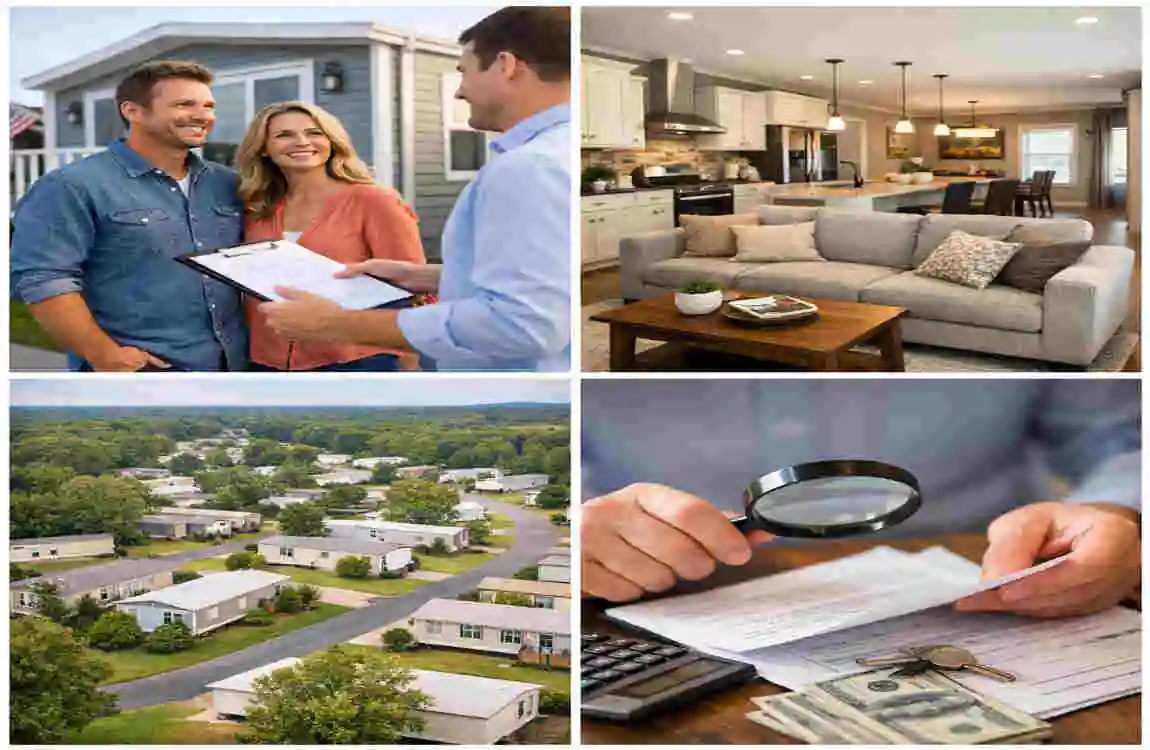
The best way to make a smart choice is to compare options carefully and stay focused on your goals.
Visit multiple models to see the differences in space, layout, and quality. Compare manufacturers, because not all homes are built the same way. Review warranties, so you know what protection you get after the sale. Research neighborhood conditions, including schools, services, and safety. Most of all, think long term. A home that works for you now should still make sense years from now.
If you take your time and ask the right questions, you can choose a mobile home that feels like a real fit instead of a rushed compromise.
Frequently Asked Questions
What is the average cost of a mobile home?
The cost of a mobile home can vary a lot depending on size, features, location, and whether it is new or used. Smaller homes may cost much less, while larger or upgraded homes can cost significantly more. You should also include Land, installation, and utility setup in your budget.
Is buying a mobile home a good investment?
It can be a good investment for many buyers, especially if the home is well-maintained and in a good location. As with any property, value depends on condition, Land, market trends, and demand. Buying wisely and taking care of the home can improve your chances of holding value.
Can I place a mobile home on my own LandLand?
Yes, in many cases, you can place a manufactured home on your own LandLand. However, you must first check zoning rules, permits, utility access, and foundation requirements. Local regulations can vary, so always confirm the details before buying.
How long does a mobile home last?
A well-built and well-maintained mobile home can last for many years. Its lifespan depends on construction quality, weather exposure, upkeep, and proper installation. Regular maintenance helps it last much longer.
What is the difference between a mobile home and a manufactured home?
The term “mobile home” usually refers to homes built before 15 June 1976. Homes built after that date are called manufactured homes and must meet HUD construction standards. People still use the term mobile home for both, but the technical difference matters.
Are mobile homes energy efficient?
Many modern mobile homes are designed to be energy efficient, especially when they have good insulation, efficient windows, and reliable HVAC systems. Efficiency can vary by model, so check the details before buying.
Can mobile homes increase in value?
They can, but it depends on several factors. A home on owned LandLand in a strong market may appreciate more than one in a weak market or a zpoorly maintained community. Land value often plays a big role in long-term growth.
What should I inspect before buying a mobile home?
You should inspect the roof, foundation, plumbing, electrical systems, insulation, windows, appliances, and signs of water damage. It is also smart to have a professional inspection to avoid missing hidden problems.
| Factor | What to Consider | Why It Matters |
|---|---|---|
| Budget | Purchase price, financing, insurance, and maintenance costs | Helps you avoid overspending and plan long-term expenses |
| Home Size | Single-wide, double-wide, or triple-wide models | Ensures enough space for your lifestyle and family needs |
| Floor Plan | Number of bedrooms, bathrooms, and living areas | Improves comfort and functionality |
| Location | Mobile home park or private land | Affects privacy, amenities, and property value |
| Construction Quality | Roofing, insulation, flooring, and materials | Impacts durability, safety, and maintenance costs |
| Energy Efficiency | Windows, insulation, HVAC systems, and appliances | Reduces utility bills and improves comfort |
| Financing Options | FHA loans, personal loans, or dealer financing | Helps secure affordable monthly payments |
| Community Amenities | Parks, security, recreation areas, and services | Enhances quality of life and convenience |
| Customization Options | Upgraded kitchens, porches, decks, and smart features | Allows the home to fit your preferences |
| Resale Value | Market demand, location, and home condition | Protects your investment for the future |
| Inspection | Professional inspection before purchase | Identifies hidden problems and repair needs |
| Future Needs | Family growth, accessibility, and storage requirements | Ensures the home remains suitable over time |
