
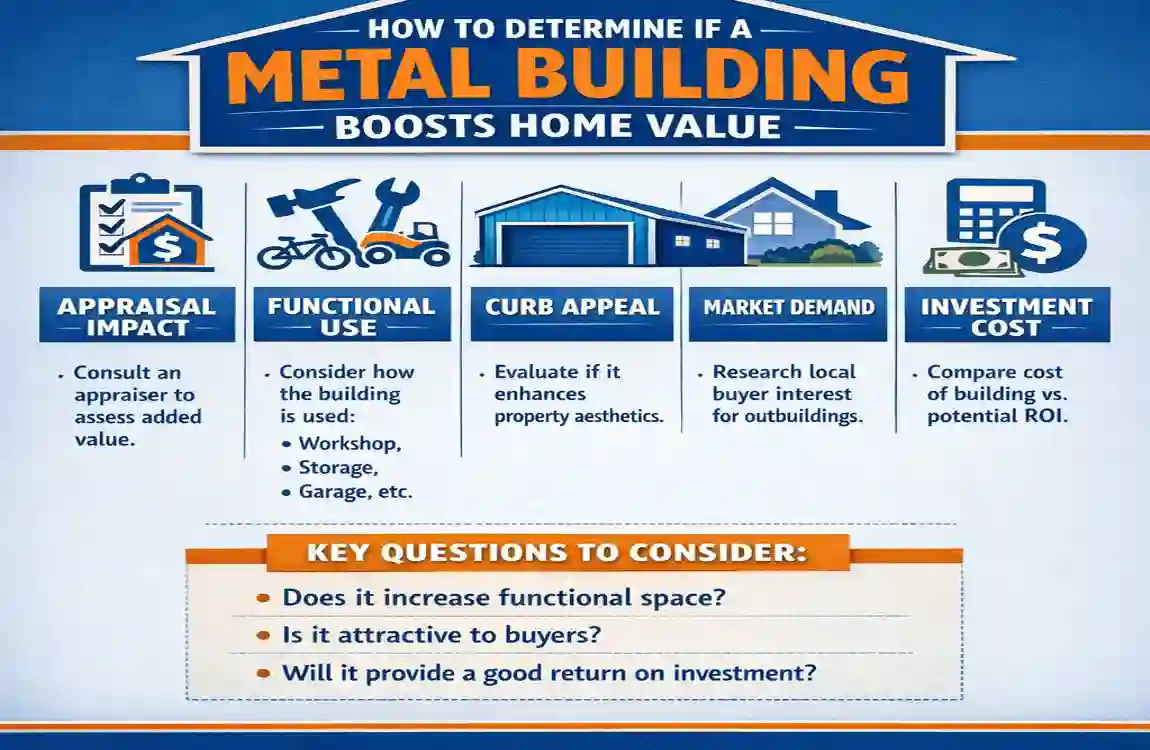
Metal buildings are becoming more common around homes, and for good reason. Many homeowners want extra space for cars, tools, hobbies, storage, or even a small business. A metal garage, metal workshop, storage shed, or barn-style structure can be a practical way to add useful space without building a full traditional addition from scratch.
But once you start thinking about a project like this, one big question comes up right away: does a metal building increase home value?
That is the real issue for many homeowners. You do not just want more space. You want to know whether that space will help your property feel more valuable, sell better later, or bring a stronger return on the money you spend. And that makes sense. A building can look useful to you, but buyers and appraisers may see it differently.
The short answer is yes, a metal building can increase home value. But that increase is not automatic. It depends on how the building is made, whether it is permitted, how well it fits the property, and how buyers in your area feel about it. A well-built metal garage on a proper foundation may add real value. A cheap, unpermitted structure with no clear purpose may add very little.
What Is a Metal Building in Residential Use?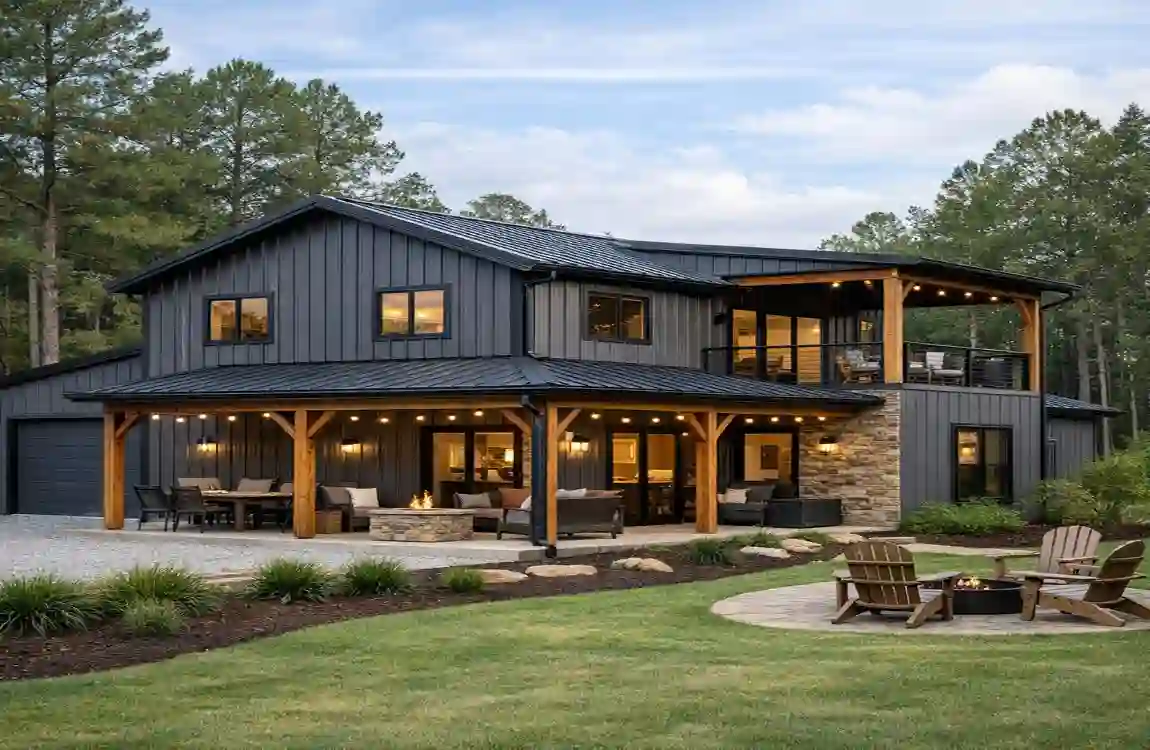
A simple definition
A metal building is a structure made mostly from steel or other metal framing and panels. In residential settings, these buildings are often prefabricated or semi-prefabricated, meaning parts of the structure are made in advance and then assembled on site.
You will often see them used for practical purposes around homes. They are strong, flexible, and usually faster to build than a traditional wood-framed structure.
Common residential uses
Metal buildings can serve many different roles on a residential property. Some of the most common uses include:
- Detached garages
- Workshops
- Storage sheds
- Metal barns
- Home additions
- Hobby spaces
- Carports
- Small studio or living conversions
Some are meant purely for storage. Others are built to support work, hobbies, or even future living space.
Permanent vs temporary metal structures
Not every metal building has the same value. One major difference is whether the structure is permanent or temporary.
A permanent structure usually sits on a solid foundation, complies with local building codes, and is meant to remain with the property long term. These are the kinds of metal buildings that are more likely to positively affect home value.
A temporary structure may be movable, lightly anchored, or installed without full compliance. These can be useful, but they usually do not carry the same value in an appraisal or sale.
That is an important point to remember. When people ask whether a metal building increases home value, the answer often depends on whether it is truly part of the property or just sitting on it.
Does a Metal Building Increase Home Value?
The short answer
Yes, but it depends.
A metal building can increase home value when it adds real function, fits the property well, and meets legal and construction standards. But if the structure is poorly built, does not match the home, or was added without proper approval, the value boost may be small or even ignored.
Why is the answer not always simple
Home value is not just about how much something costs to build. It is about what buyers are willing to pay for it. That means a metal building only increases in value when it offers something the market considers useful.
For example, a well-built metal garage in a suburb where parking and storage are valuable may add strong appeal. A large metal workshop in a rural area may be even more attractive because buyers there may need space for tools, equipment, or farm use.
On the other hand, a metal shed with thin walls, no foundation, and no permit may be seen as a low-value accessory. It may help you personally, but it may not change the home’s market price very much.
What appraisers think
Appraisers usually focus on two things:
- Is the structure permanent and permitted?
- Does it add real functional value to the property?
If the answer is yes, then the building may be counted in the home’s value. If not, it may be omitted or given only minimal value.
That is why the question of whether a metal building increases home value is really about quality, use, and compliance rather than just the material type.
When the value increases significantly
A metal building is more likely to add meaningful value when it:
- Has a proper foundation
- Is permitted and code-compliant
- Matches the property well
- Has electricity, insulation, or plumbing
- Adds useful storage, garage space, or workspace
- Fits local buyer demand
When the value increases only a little
The value gain may be small when the structure is:
- Temporary
- Poorly designed
- Unfinished
- Too large for the lot
- Built without permits
- Not attractive to local buyers
So yes, a metal building can add value. But the strength of that value depends on how the building is planned and how it fits the home.
Factors That Determine Value Increase
Permits and legal approval
This is one of the most important factors.
If a metal building does not have the right permits, it can become a problem during sale, inspection, or appraisal. A buyer may worry about fines, removal, or code issues. In some cases, the structure may not be counted toward the home’s official value at all.
When a building follows local rules, it is much easier for it to be seen as a real asset. Permitted structures usually carry more trust, and trust matters in real estate.
If you want the answer to whether a metal building increases home value to be a strong yes, then permits matter a lot.
Quality of materials and construction
Not all metal buildings are the same. Some are made from thick, strong steel and have good insulation, roofing, and finishing. Others are basic kits with very little protection from weather or wear.
Material quality affects value by influencing how long the structure lasts and how useful it feels.
Things that can improve value include:
- Strong steel framing
- Better roof panels
- Rust-resistant finishes
- Insulation
- Proper doors and windows
- Clean interior finishing
A well-built metal structure looks more like a true asset and less like a temporary storage box.
Functionality and usability
A building becomes more valuable when it serves a useful purpose.
A simple storage shed may help you personally, but a multi-purpose metal building can attract more buyer interest. For example:
- A garage that stores vehicles and tools
- A workshop with power and lighting
- A hobby space that can serve multiple uses
- A barn that supports rural property needs
The more useful the building is, the more likely it is to matter in resale.
Permanent foundation
A structure built on a concrete slab or other permanent foundation usually has more value than one that sits on the ground or can be easily moved.
Why? Permanent foundations suggest stability, compliance, and long-term use. They also make it easier for appraisers and buyers to view the building as part of the property.
A temporary structure may be helpful, but it often feels less connected to the home value.
Size and design integration
A cc should fit the property naturally. If it is too large, it can overwhelm the lot. If it is too small, it may not feel worth much. If it clashes visually with the main house, it may hurt curb appeal.
A structure that matches the home’s style, scale, and layout often adds more value than one that looks like an afterthought.
Location and market demand
Location has a huge effect on value. Buyers in rural areas may place more value on barns, workshops, and storage buildings. Buyers in suburban areas may care more about garages or hobby spaces. In some urban markets, even a detached metal structure may be less useful if lot space is tight.
That means the same metal building can have very different value depending on where the home is located.
Quick value factors list
If you want the strongest possible value boost, focus on these:
- Permits and legal compliance
- Solid construction quality
- Permanent foundation
- Useful function
- Good visual fit
- Strong local demand
These are the factors that matter most when deciding whether a metal structure helps the property or takes up space.
Types of Metal Buildings and Their ROI
Detached metal garage
A detached metal garage often has one of the best return-on-investment possibilities. Why? Because it gives buyers something many homes need: secure vehicle storage and extra space.
A garage can also double as a workshop, storage area, or utility space. That makes it very attractive to many types of buyers.
If it is well-built, properly permitted, and properly connected to the property, a detached metal garage can add real market appeal.
Metal workshop or hobby space
A workshop can be highly valuable if your local buyers are into tools, crafts, repairs, or small business use. In some areas, this can be a strong selling point.
The value depends on how well the workshop is finished. Electricity, lighting, insulation, and a clean layout all help.
Without those features, it may still be useful, but the resale value may be more modest.
Agricultural metal barn
For rural properties, a metal barn can be a major plus. It may support equipment, animals, storage, or farm use. In the right setting, it can significantly increase buyer interest.
This type of structure tends to have the strongest value in areas where land use is practical, and buyers need utility more than decoration.
Storage-only metal shed
A storage shed can still be helpful, but it usually has the lowest direct impact on value. It may make the property feel more organized and functional. Still, appraisers often give it limited weight unless it is high quality and permanent.
Livable metal building conversions
A metal building converted into living space has the highest potential value of all, but only if it is done right. That means proper insulation, HVAC, plumbing, permits, windows, exits, and code compliance.
If done well, it can become a true asset. If done poorly, it can become a headache.
ROI table
Type of Metal BuildingROI PotentialTypical Value Impact
Detached metal garage High Strong for storage and parking
Metal workshop Medium to High Good if finished and useful
Agricultural barn High in rural areas Strong on rural properties
Storage shed Low to Medium Limited direct value
Livable conversion Very High Best when fully permitted and finished
This table shows why the type of building matters so much. Not every metal structure adds the same value.
Benefits of Adding a Metal Building
Cost-effective compared to traditional construction
One reason homeowners choose metal buildings is cost. In many cases, they are cheaper to build than a fully traditional wood-framed addition.
That lower cost can improve the project’s overall return, especially if the building adds practical space buyers want.
Fast installation
Metal buildings are often quicker to install because many parts are prefabricated. That means less construction time, less disruption, and sometimes lower labor costs.
Durability and weather resistance
Steel structures are often strong and long-lasting. They can resist rot, pests, and many types of weather damage better than some other materials.
That durability can make the building more attractive to buyers seeking low-maintenance features.
Low maintenance
Once built correctly, a metal structure usually needs less day-to-day attention than some traditional buildings. That can be a selling point for busy homeowners.
Versatility
Metal buildings can be used for:
- Storage
- Parking
- Workspaces
- Hobbies
- Farm use
- Guest or living conversions
That flexibility is one of the biggest reasons people like them.
Disadvantages That May Affect Home Value
Poor design can hurt curb appeal.
If a metal building looks cheap, out of place, or too industrial for the neighborhood, it may actually make the property less attractive.
A poorly chosen design can reduce resale appeal, even if the building is practical.
Zoning restrictions
Some areas have rules about where and how large a metal building can be. If the building does not meet local zoning laws, it may become a problem rather than a benefit.
Cheap or low-quality structures
A weak kit, thin metal panels, poor anchoring, or low-grade finishes can reduce the structure’s useful life and perceived value.
Not always considered a livable space
A storage building is not the same as a finished room or a legal living area. Buyers and appraisers usually treat it differently.
Insurance complications
Some metal structures can raise insurance questions if they are not permitted, not properly anchored, or not built to standard. That can make buyers nervous.
So while the answer to “Does a metal building increase home value?” is often yes, the wrong version can hurt value rather than help it.
Appraisal Perspective: How Inspectors Evaluate Metal Buildings
What appraisers look for
Appraisers and inspectors usually focus on a few key things:
- Permits
- Condition
- Permanence
- Usefulness
- Comparable sales
They want to know whether the structure is a real, lasting part of the property and whether buyers in the area would see it as valuable.
Comparable property analysis
Appraisers compare your home with similar properties nearby. If homes with good metal garages or workshops sell for more, that can support your value. If similar structures are ignored in local sales, the added value may be smaller.
Why are some metal buildings excluded?
If the structure is temporary, unpermitted, or not well integrated with the home, an appraiser may leave it out or count it very lightly.
How to help it count in the appraisal
If you want the building to matter more in an appraisal, make sure it is:
- Permitted
- Well built
- Permanent
- Clean and maintained
- Clearly useful
- Documented with receipts and approvals
That helps the appraiser understand the structure as a real asset, not just an extra item in the yard.
How to Maximize Home Value with a Metal Building
Invest in high-quality materials.
Do not cut corners on the shell, roof, doors, or insulation. Better materials usually create a stronger impression and longer-lasting value.
Ensure proper permits and inspection.
This is critical. Keep records, approvals, and inspection results. A paper trail helps support the building’s value later.
Match the home’s design.
A metal building that matches the house in color, roof style, and general appearance usually feels more intentional. That makes it more attractive to buyers.
Add functional features
You can increase value by adding:
- Electricity
- Lighting
- Plumbing
- HVAC
- Shelving
- Workbenches
- Interior finishing
The more usable the space, the more appealing it becomes.
Maintain the structure
Keep it clean, repaint when needed, check for rust, inspect roof panels, and fix small issues early. A well-maintained structure feels more valuable than a neglected one.
Value-boosting checklist
- Build on a permanent foundation
- Use quality steel and finishes
- Keep it permitted and documented
- Make it useful, not just decorative
- Maintain it regularly
These steps can make a metal building much more likely to add value rather than just cost.
Common Mistakes Homeowners Make
Building without permits
This is one of the biggest mistakes. A structure without proper approval can cause problems with resale, insurance, and appraisals.
Choosing low-quality kits
Saving money at the start can cost more later if the building wears out quickly or looks poor.
Ignoring neighborhood standards
A structure should fit the area. In some neighborhoods, a large industrial-style building may look out of place.
Overbuilding for the property size
If the metal building is too large for the lot, it may reduce curb appeal or create awkward use of space.
Not considering the resale market.
What you want personally may not be what future buyers want. It is smart to think about resale before building.
Real Estate Expert Insights
Real estate agents often say that buyers like metal buildings when they solve a real problem. A good garage, workshop, or barn can become a strong selling point. But a structure that feels cheap or unapproved can become a concern during negotiations.
What buyers usually like
- Extra storage
- Secure parking
- Hobby or workspace
- Low-maintenance buildings
- Useful rural features
What makes buyers nervous
- Poor appearance
- Unfinished interiors
- No permit history
- Signs of rust or wear
- Structures that do not match the property
When metal buildings help most
They help most when the local market value functions. That is often true in suburban, semi-rural, and rural areas.
When they help the least
They help the least when the property is in a tightly controlled neighborhood, the structure looks temporary, or the building does not serve a clear purpose.
So, if you are asking, “Does a metal building increase home value?” the real estate answer is usually: yes, if the market sees the building as a practical, legal, and attractive improvement.
FAQs
Does a metal building always increase home value?
No, not always. A metal building increases home value only when it is permitted, permanent, well-built, and useful. A poor-quality or unapproved structure may add very little value.
Are metal garages a good investment?
Yes, metal garages can be a very good investment, especially in suburban and rural areas where buyers want storage, parking, and workshop space.
Do appraisers count metal buildings?
Usually yes, but only if the building is permanent, legal, and relevant to the property. Temporary or unpermitted structures may not be counted fully.
Can a metal building be converted into a living space?
Yes, it can, but it must meet local building codes. That usually means insulation, proper exits, utilities, and full compliance with residential standards.
What adds more value—metal or wood structures?
It depends on the purpose, quality, and design. Metal can be very valuable for durability and low maintenance. Wood may fit better aesthetically in some neighborhoods. The better choice is the one that suits the property and the local buyer demand.
Does location matter for the value of metal buildings?
Absolutely. Rural buyers may value barns and workshops more, while suburban buyers may care more about garages and storage. Location changes what buyers consider useful.
Is a metal shed worth much in resale?
A shed can help, but it usually has limited resale value unless it is high quality, permanent, and especially useful to buyers.
| Factor to Check | What It Means | How It Affects Home Value |
|---|---|---|
| Building Purpose | Garage, workshop, storage, living space | Functional spaces add more value than basic storage |
| Permits & Codes | Properly approved construction | Legal structures increase buyer confidence and value |
| Material Quality | Steel gauge, corrosion resistance | Higher-quality metal improves durability and resale value |
| Property Integration | Matches home design and layout | Well-integrated buildings boost curb appeal |
| Usable Space | Additional square footage or utility space | More usable space often raises appraisal value |
| Location Demand | Buyer preference in your area | Rural areas often value metal buildings more |
| Condition & Maintenance | Rust-free, well-maintained structure | Good condition increases appraisal potential |
| Utility Connections | Electricity, plumbing, HVAC | Fully equipped buildings add higher market value |
| Flexibility of Use | Convertible (office, rental, shop) | Multi-use structures attract more buyers |
| Appraisal Evidence | Comparable sales in area | Appraisers confirm actual value increase |
