
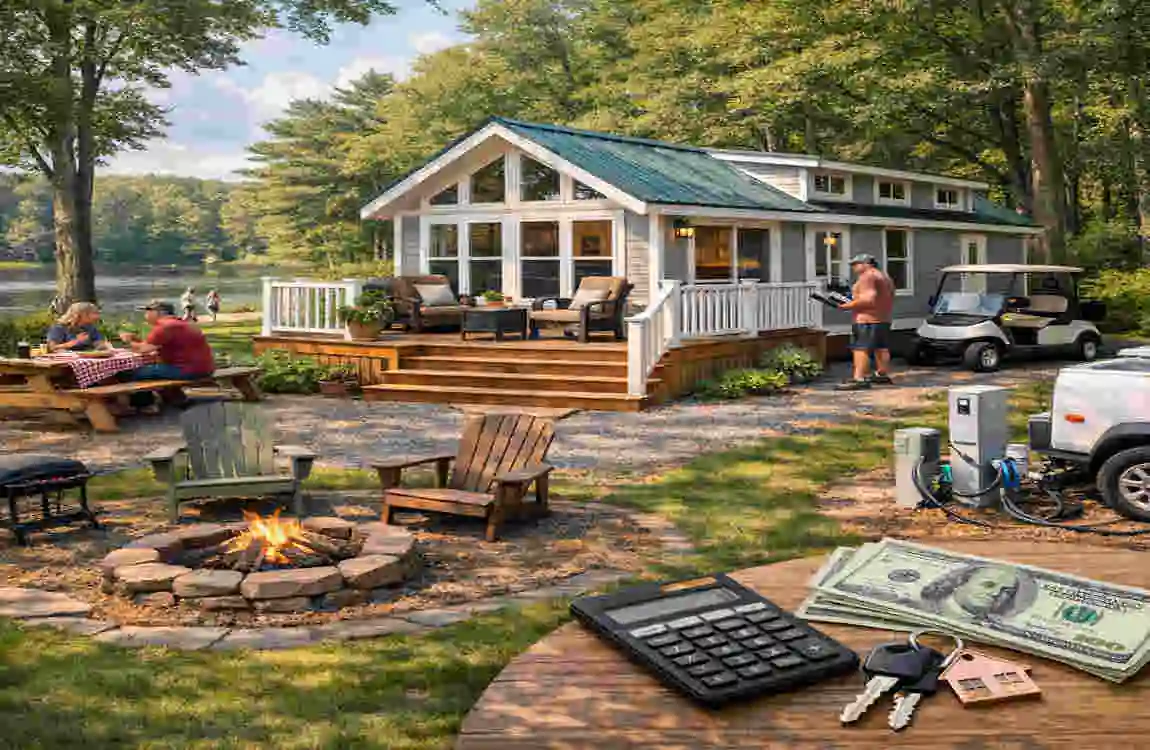
A park model home can be a smart choice if you want simple living, lower costs, and less upkeep. Many people like this option because it offers comfort without the size or price of a traditional house.
But one big question comes up again and again: can you live in a park model home full time? The short answer is yes, sometimes. It depends on local laws, zoning rules, and the home’s location.
What Is a Park Model Home?
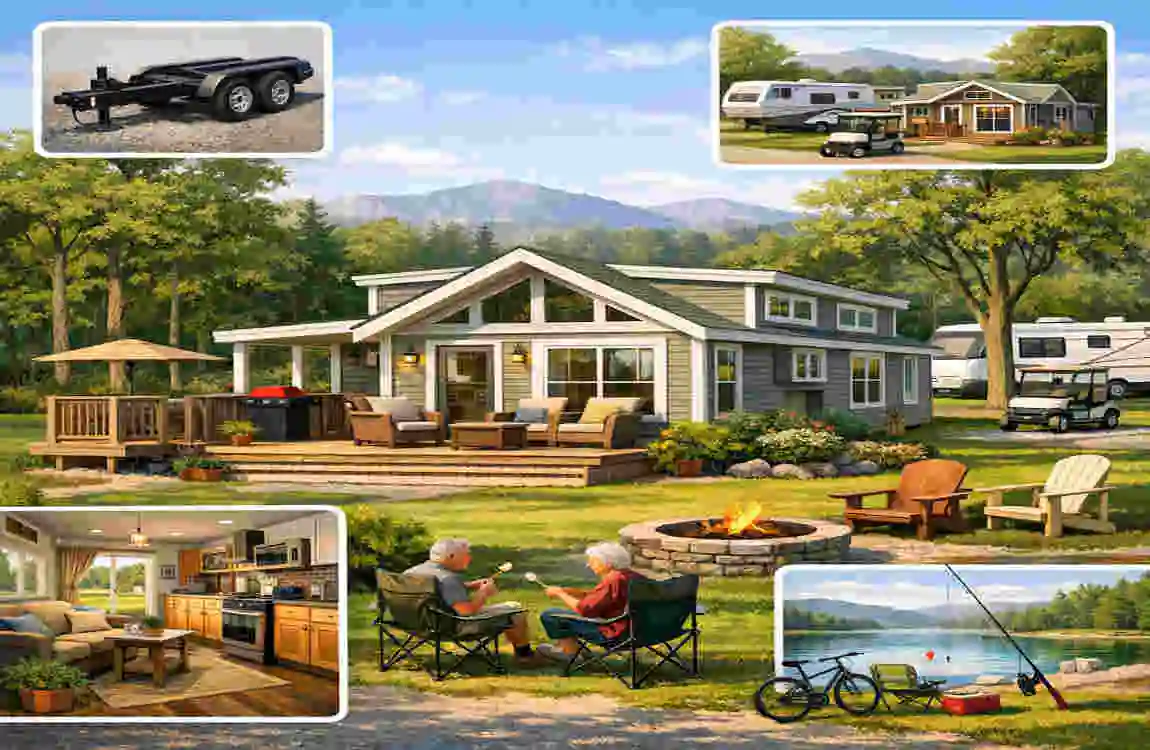
Definition of a Park Model Home
A park model home is a small, factory-built home that is often designed for vacation use or seasonal living. In many places, it is treated more like an RV than a regular house.
Most park model homes stay under 400 square feet. Even though they are compact, they usually include the basics you need for daily life.
Key Features of Park Model Homes
Park model homes may be small, but they are often designed to feel practical and comfortable.
Common features include:
- Full kitchen
- Bathroom
- Sleeping loft or bedroom area
- Residential-style interior
- Energy-efficient design
These homes are popular with people who want a smaller, easier lifestyle.
How Park Model Homes Differ From Tiny Homes and Mobile Homes
FeaturePark Model HomeTiny HomeMobile Home
Classification Often RV Varies Manufactured home
Size Usually under 400 sq. ft. Different sizes Larger options
Mobility Semi-mobile Depends on design Usually permanent
Usage Vacation or seasonal living Full-time living Permanent housing
Can You Live in a Park Model Home Permanently?
Understanding Full-Time Park Model Living
Many people do live in park model homes full time. They use them as permanent homes, retirement homes, or low-cost living spaces.
Still, the most important thing is this: whether you can live there year-round depends on local rules. Some places allow it, while others do not.
Locations Where Permanent Living May Be Allowed
You may be able to live in a park model home permanently in places such as:
- RV communities
- Park model home communities
- Private land with approval
- Manufactured home parks
Each location has its own rules, so you should always check first.
Why Some Areas Restrict Permanent Living
Some areas limit park model living because of:
- Zoning laws
- Building codes
- RV classification rules
- Land-use restrictions
That means a home may be legal in one town but not in another.
Rules and Regulations for Living in a Park Model Home
Local Zoning Laws
Zoning rules decide how land can be used. Some areas allow park model homes in residential zones, while others only allow them in recreational or seasonal areas.
Before buying, you should ask whether the home can be placed on the land you want.
HOA and Community Rules
If you place your park model home in a managed community, there may be extra rules. These can cover:
- Parking
- Landscaping
- Home appearance
- Age restrictions
These rules can affect your daily life, so read them carefully.
Utility and Building Requirements
A park model home still needs basic services like:
- Water
- Sewer or septic
- Electricity
- Internet
Some communities make this easy. Others may need more setup work.
Permits and Legal Requirements
In many cases, you may need permits or approvals before moving in. Check for:
- Building permits
- RV registration
- Property approval
- Occupancy rules
This step is important because it helps you avoid legal trouble later.
How Much Does It Cost to Live in a Park Model Home?
Average Park Model Home Purchase Cost
Park model homes are usually much cheaper than full-size homes.
Typical price ranges include:
- Basic models: $50,000–$80,000
- Mid-range models: $80,000–$120,000
- Luxury models: $120,000+
The final cost depends on size, materials, features, and location.
Additional Costs to Consider
You should also consider the additional costs beyond the home itself.
Land or Lot Costs
You may need to buy land or rent a lot in a community. Some places also charge monthly fees.
Installation Expenses
There may be costs for:
- Delivery
- Setup
- Foundation work
- Utility connections
Monthly Living Expenses
Expense Estimated Cost
Lot rent $300–$1,500/month
Utilities $100–$300/month
Insurance Varies
Maintenance Depends on condition
These costs are usually lower than those of a traditional house, but they still matter.
Benefits of Living in a Park Model Home
Affordable Housing Option
Park model homes often cost far less than standard houses. That makes them attractive for people who want to save money.
They also tend to have lower utility bills and simpler upkeep.
Low Maintenance Lifestyle
Smaller spaces are easier to clean and maintain. You spend less time on chores and less money on repairs.
That can be a big relief if you want a simpler routine.
Great for Downsizing
Park model homes are ideal for people who want to live with less clutter. They are especially popular with retirees and minimalists.
If you want a smaller, more peaceful lifestyle, this can be a good fit.
Community Living Opportunities
Many park model homes sit in communities with shared amenities. That may include clubhouses, walking paths, pools, or social events.
For some people, that sense of community is one of the best parts.
Mobility and Flexibility
Park model homes are more flexible than traditional houses. In some cases, they can be moved or placed elsewhere.
That makes them useful for seasonal living or changing life plans.
Potential Downsides of Living in a Park Model Home
Limited Space
The biggest challenge is space. You will have less room for storage, guests, and large furniture.
That means you need to stay organised and choose items carefully.
Zoning Challenges
Not every area allows park model living. Before you buy, you need to know the local rules.
This is one of the most important things to check.
Resale Considerations
Park model homes may have a smaller buyer market than traditional homes. Their value can depend heavily on location and condition.
Weather and Durability Concerns
Like any small home, a park model home must be maintained well. Weather protection matters, especially in areas with strong winds, heat, or cold.
Park Model Home vs Traditional House: Which Is Better?
FactorPark Model Home Traditional Home
Cost Lower Higher
Maintenance Easier More demanding
Space Limited Larger
Ownership Options Depends on location More flexible
Lifestyle Simple/minimal Traditional
If you want lower costs and simpler living, a park model home may be a good choice. If you want more space and fewer zoning concerns, a traditional house may be a better fit.
Who Should Consider Living in a Park Model Home?
Retirees
Many retirees like park model homes because they are affordable and easy to manage. Community living can also be a nice benefit.
Travelers and Seasonal Residents
If you move around often or only need a home part of the year, a park model home can be a practical option.
First-Time Homeowners
For buyers in expensive housing markets, this can be a lower-cost way to own a home.
Minimalists
If you prefer less clutter and a simpler life, this type of home may align well with your goals.
Tips Before Buying a Park Model Home
Research Local Laws
Always check whether full-time living is allowed before you buy.
Choose the Right Location
Think about climate, services, and community rules. A good location can make a big difference in comfort and convenience.
Calculate Total Costs
Do not focus only on the home price. Include land, utilities, insurance, and maintenance too.
Inspect Before Buying
Check the roof, plumbing, electrical system, appliances, and structure before you commit.
How to Make a Park Model Home Comfortable for Full-Time Living
Smart Storage Solutions
Use built-in cabinets, multi-purpose furniture, and vertical storage to save space.
Improve Energy Efficiency
Better insulation, efficient appliances, and good windows can make the home more comfortable.
Create a Functional Layout
Keep the layout simple and open where possible. Outdoor living areas can also help extend your space.
Is a Park Model Home a Good Investment?
Factors That Affect Value
Value often depends on:
- Location
- Community popularity
- Condition
- Custom upgrades
Rental Potential
Some park model homes work well as vacation rentals or seasonal rentals, especially in resort areas.
Long-Term Value Considerations
Park model homes may not appreciate like traditional houses, so you should think carefully about your goals before buying.
Frequently Asked Questions
Can you live in a park model home year-round?
Yes, many people do, but local zoning laws and community rules must allow it.
Are park model homes cheaper than houses?
Yes. They usually cost much less and often have lower maintenance expenses too.
Can you put a park model home on your own land?
Sometimes, but it depends on local regulations and permits.
Do park model homes hold their value?
That depends on location, condition, and buyer demand.
What is the lifespan of a park model home?
With good maintenance, many can last for decades.
Are park model homes considered RVs?
In many places, yes. That classification can affect where you can live in one.
| Topic | Information |
|---|---|
| What Is a Park Model Home? | A small, RV-style home usually under 400 sq. ft. designed for seasonal or long-term living in RV parks, communities, or private land. |
| Can You Live in It Full-Time? | Yes, but it depends on local zoning laws, park rules, and whether the location allows permanent residence. |
| Common Living Rules | Some communities require RV registration, age restrictions, residency limits, utility connections, and compliance with building codes. |
| Average Cost | Park model homes typically cost around $50,000–$150,000+, depending on size, features, location, and customization. |
| Monthly Expenses | Costs may include park rent, utilities, insurance, maintenance, and property fees. |
| Benefits | Affordable housing option, lower maintenance, energy efficiency, mobility, and access to community amenities. |
