
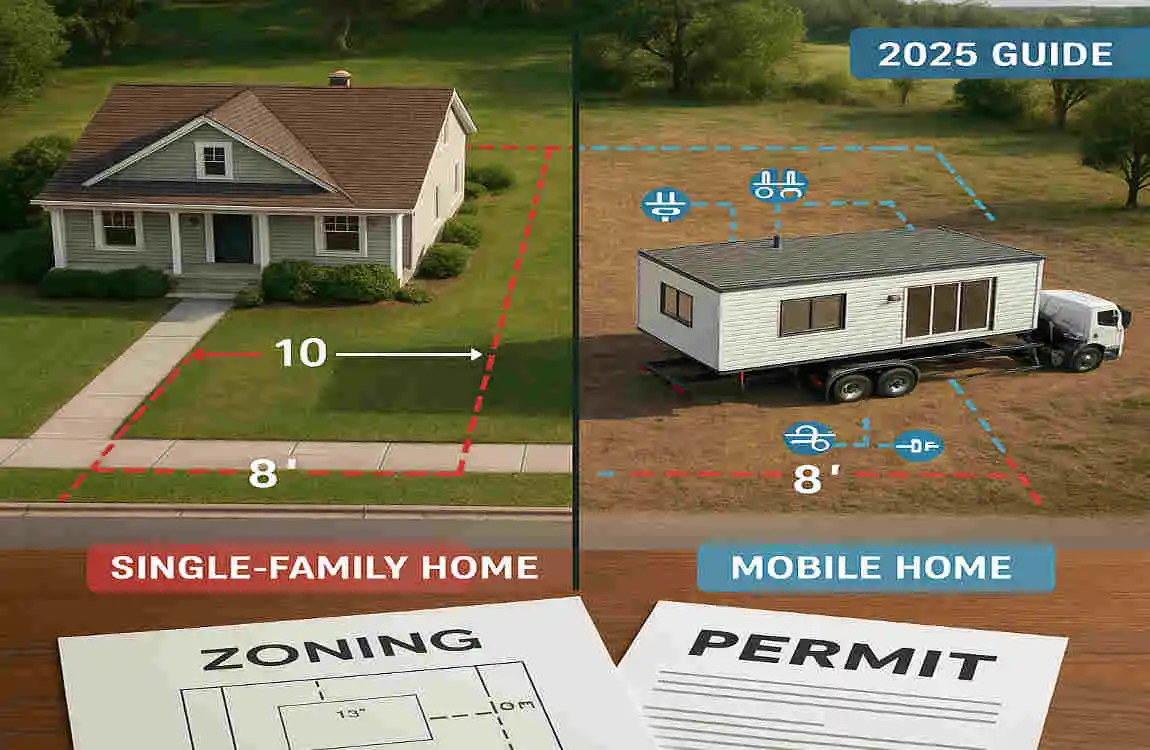
Mobile homes have come a long way in recent years, becoming a popular option for affordable, flexible, and efficient housing. With advancements in design and technology, they’re no longer just temporary structures but viable, long-term solutions for various housing needs. Whether you’re looking to expand your living space, create a rental opportunity, or accommodate family members, a mobile home can be an excellent choice.
But here comes the burning question: Can you put a mobile home next to your house? The answer isn’t as simple as a yes or no. It depends on several factors, including zoning laws and legal regulations, property preparation, and personal goals. Before you make any decisions, it’s crucial to understand the rules, processes, and benefits involved.
Understanding Mobile Homes
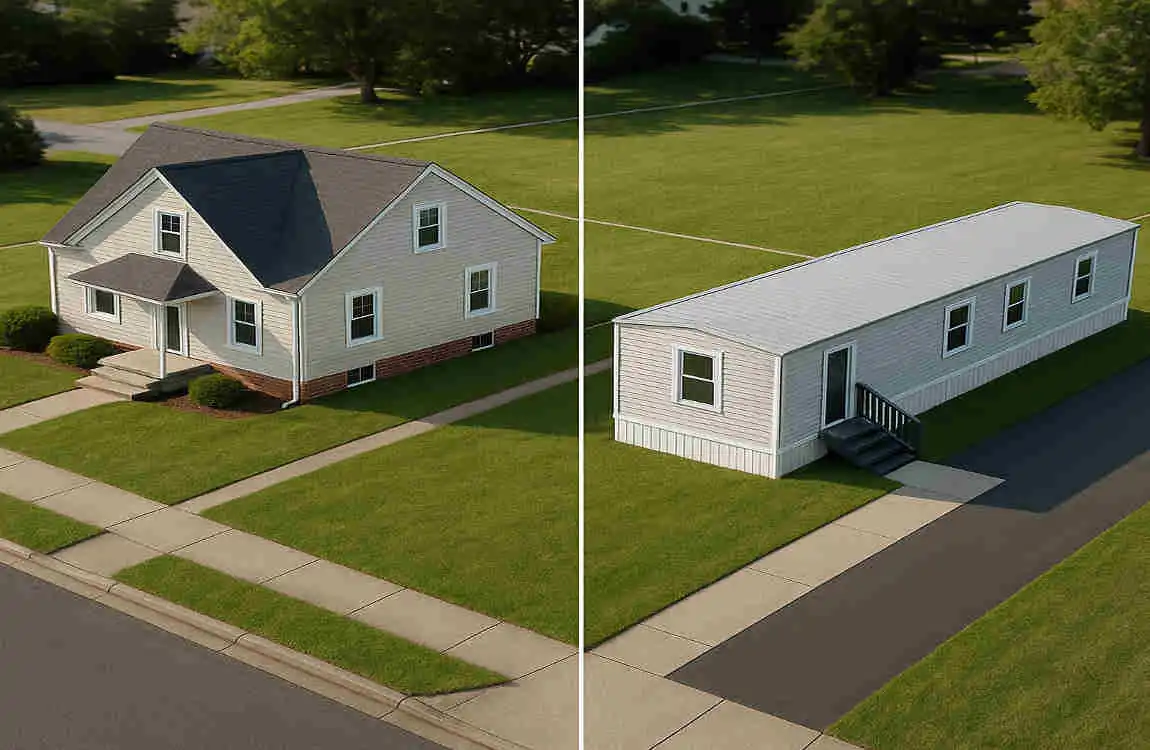
Mobile homes are often misunderstood as simple or outdated housing options, but they’ve evolved significantly over the years. Let’s explore what they really are and how they differ from other housing types.
What Are Mobile Homes?
A mobile home is a factory-built dwelling constructed on a steel frame that can be transported to a site. They’re also referred to as manufactured homes when built after 1976 under U.S. Department of Housing and Urban Development (HUD) regulations. These homes are designed to be permanent yet mobile enough to relocate if necessary.
Mobile homes come in different sizes and layouts, such as:
- Single-wide homes: Compact and efficient, typically around 500–1,200 square feet.
- Double-wide homes: Larger models with more space, ranging from 1,000 to 2,500 square feet.
- Tiny homes: Smaller, portable options often under 400 square feet, gaining popularity as minimalistic housing.
How Are Mobile Homes Different From Other Housing Types?
Unlike site-built homes, mobile homes are constructed in a factory and then transported to their final location. They’re often more affordable and faster to install than traditional homes. However, mobile homes differ from modular homes, which are also factory-built but adhere to local building codes and require permanent foundations.
Common Uses of Mobile Homes on Residential Properties
People choose to place mobile homes next to their houses for several reasons, including:
- Guest housing: Provide a comfortable space for visitors or extended family.
- Rental income: Use the mobile home as a source of passive income.
- Home offices or studios: Create a dedicated space for work or hobbies.
- Multi-generational living: Offer independence while staying close to loved ones.
Legal and Zoning Considerations
The most critical aspect of placing a mobile home next to your house is understanding zoning laws and legal requirements. These regulations vary widely depending on your location and property type.
What Are Zoning Laws?
Zoning laws determine how land can be used in specific areas, including what types of structures can be built and where they can be placed. For mobile homes, zoning laws will dictate whether you’re allowed to put one next to your house and under what conditions.
Variability by Location: City, County, and State Regulations
Zoning laws differ greatly depending on where you live. For example:
- Urban areas often have stricter zoning regulations and may limit mobile home placement to designated parks.
- Suburban or rural areas tend to have more flexibility, allowing mobile homes on private property.
- State regulations: States like Texas and Florida are more mobile-home-friendly than states with stricter housing codes, such as California.
How to Check Local Zoning Codes
To determine if you can place a mobile home on your property, follow these steps:
- Contact your local zoning office to request zoning maps and the specific codes for your area.
- Check your property’s zoning designation: Residential zones (R-1, R-2, etc.) may have rules about secondary dwellings.
- Review setback requirements: These dictate how far structures must be from property lines, roads, or other buildings.
Specific Zoning Restrictions to Watch For
Be aware of these common restrictions:
- Setbacks: Minimum distances from property boundaries.
- Lot size requirements: Some areas require a minimum lot size for additional dwellings.
- Placement rules: Mobile homes may need to be behind or beside the main house.
HOA Rules and Their Impact
If you live in a neighborhood governed by a Homeowners Association (HOA), its rules might override local zoning laws. HOAs often have strict guidelines about the types of structures allowed, their appearance, and where they can be placed.
Permits Needed for Mobile Home Installation
To install a mobile home, you’ll likely need:
- Building permits
- Electrical and plumbing permits
- Foundation inspection approvals
Consequences of Violating Zoning Laws
Failing to comply with zoning and permit requirements can lead to fines, legal action, or even forced removal of the mobile home. To avoid these issues, always obtain the necessary approvals before proceeding.
Practical Steps to Place a Mobile Home Next to Your House
Once you’ve confirmed zoning laws and obtained permits, it’s time to prepare your property. Here’s a step-by-step guide to get started.
Prepare the Land
- Conduct a land survey to determine property boundaries.
- Grade the land to ensure it’s level and suitable for placement.
- Follow any foundation requirements (e.g., concrete slabs or piers).
Plan Utility Connections
Mobile homes require connections to essential utilities, including:
- Water and sewage: Connect to city services or install a septic system.
- Electricity: Arrange for wiring and hook-up.
- Internet and cable: Ensure modern connectivity options are available.
Choose the Right Mobile Home
Consider factors like:
- Size: Make sure the mobile home fits within your property’s space and zoning rules.
- Type: Decide between single-wide, double-wide, or tiny homes.
- Style: Select designs that complement your existing home.
Hire Professionals
Work with:
- Contractors for land preparation and foundation work.
- Inspectors to verify compliance with local codes.
- Legal advisors to navigate zoning and permit challenges.
Timeline Overview
From obtaining permits to installation, expect the process to take 2–6 months, depending on complexity and local regulations.
Benefits of Putting a Mobile Home Next to Your House
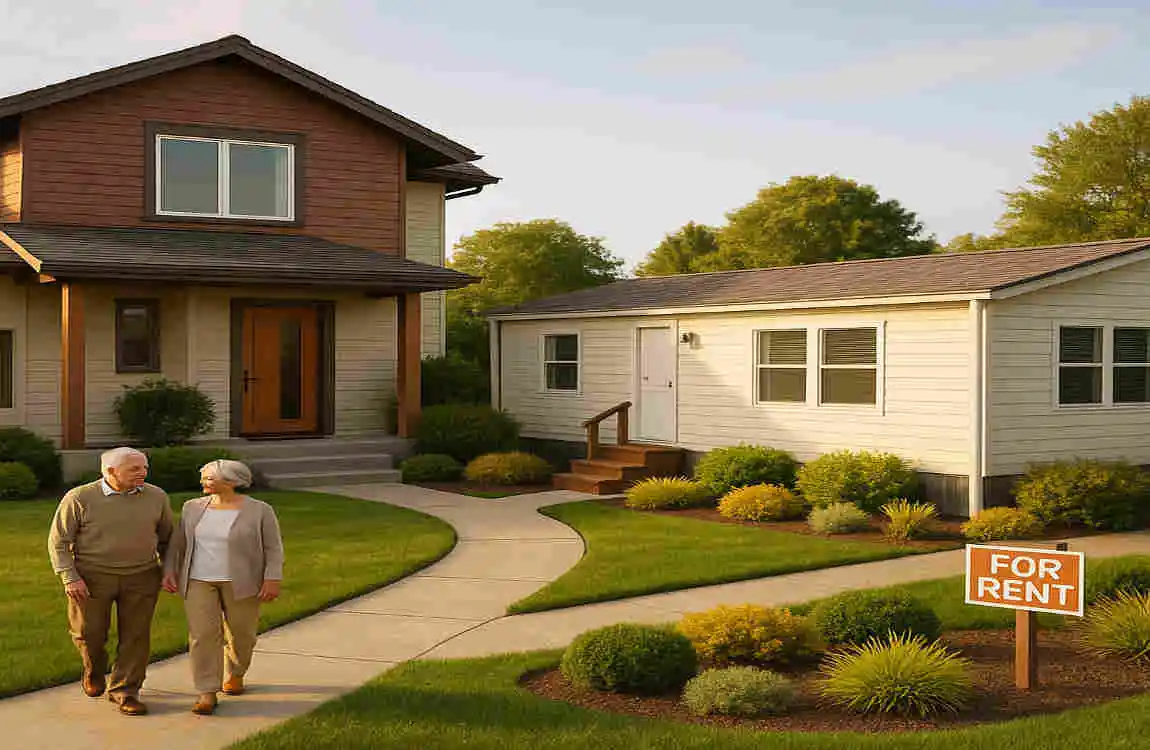
Adding a mobile home to your property offers several advantages. Let’s explore the key benefits.
Cost-Effectiveness
Compared to building a traditional home extension, building a mobile home is much more affordable. They also have lower long-term maintenance costs.
Flexibility in Usage
A mobile home can serve multiple purposes, such as:
- A guest house for visitors.
- Rental property for extra income.
- A home office or creative studio.
- Living space for aging parents or adult children.
Property Value Increase
In many cases, adding a mobile home can boost your property’s overall value, especially if it’s well-integrated and maintained.
Quick Installation
Building a traditional structure can take years, while a mobile home can be ready in months, making it a fast solution for expanding your living space.
Energy Efficiency
Modern mobile homes are equipped with energy-efficient features such as solar panels, improved insulation, and smart appliances, which reduce utility costs.
Common Challenges and Solutions
While mobile homes offer numerous benefits, they also come with challenges. Here’s how to address them.
Aesthetics and Neighborhood Pushback
Solution: Choose a mobile home design that complements your existing property and landscaping.
Maintenance Issues
Solution: Schedule regular maintenance for the roof, foundation, and utilities to prevent costly repairs.
Financing and Insurance
Solution: Explore specialized mobile home loans and insurance policies to manage costs effectively.
Privacy Concerns
Solution: Use fencing, landscaping, or strategic placement to maintain privacy between the main house and mobile home.
Trends and Innovations in Mobile Home Living 2025
The mobile home industry continues to innovate, offering homeowners exciting possibilities.
Sustainable Designs
Eco-friendly materials, solar panels, and energy-efficient systems are becoming standard features in 2025 mobile homes.
Smart Technology
From automated lighting to voice-controlled devices, modern mobile homes are integrating cutting-edge technology to enhance convenience.
