
If you are wondering how much it costs to haul off a mobile home, you are not alone. Many homeowners reach a point where an old mobile home is no longer worth repairing, moving, or keeping on the property. Maybe it has storm damage. Maybe the roof has failed. Maybe it has become a safety issue, or the land itself is being repurposed for something better.
In cases like that, removing the mobile home can feel like the cleanest solution. But it is also a project with several moving parts. You may need permits, utility disconnections, cleanup, hauling, demolition, and Disposal. In other words, the final bill can vary a lot.
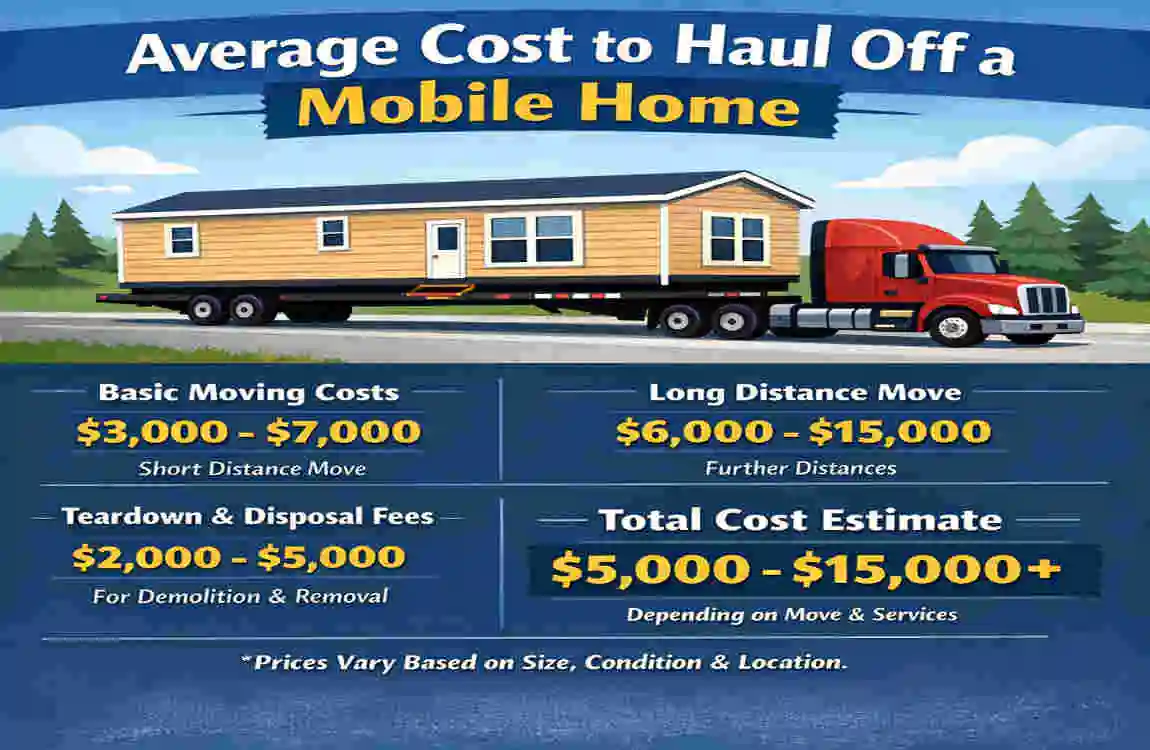
For most homeowners, mobile home removal costs fall between $3,000 and $15,000, though some projects cost less and others much more. The final price depends on the size of the home, its condition, its location, how far it must be hauled, and local disposal rules. If the home must be torn down first, the total can rise even more.
How Much Does It Cost to Haul Off a Mobile Home?
When people ask how much it costs to haul off a mobile home, they are usually asking about the full cost of getting it off the property and disposing of it properly. That may include towing, loading, labor, permits, transport, landfill fees, and sometimes demolition.
Average Mobile Home Removal Cost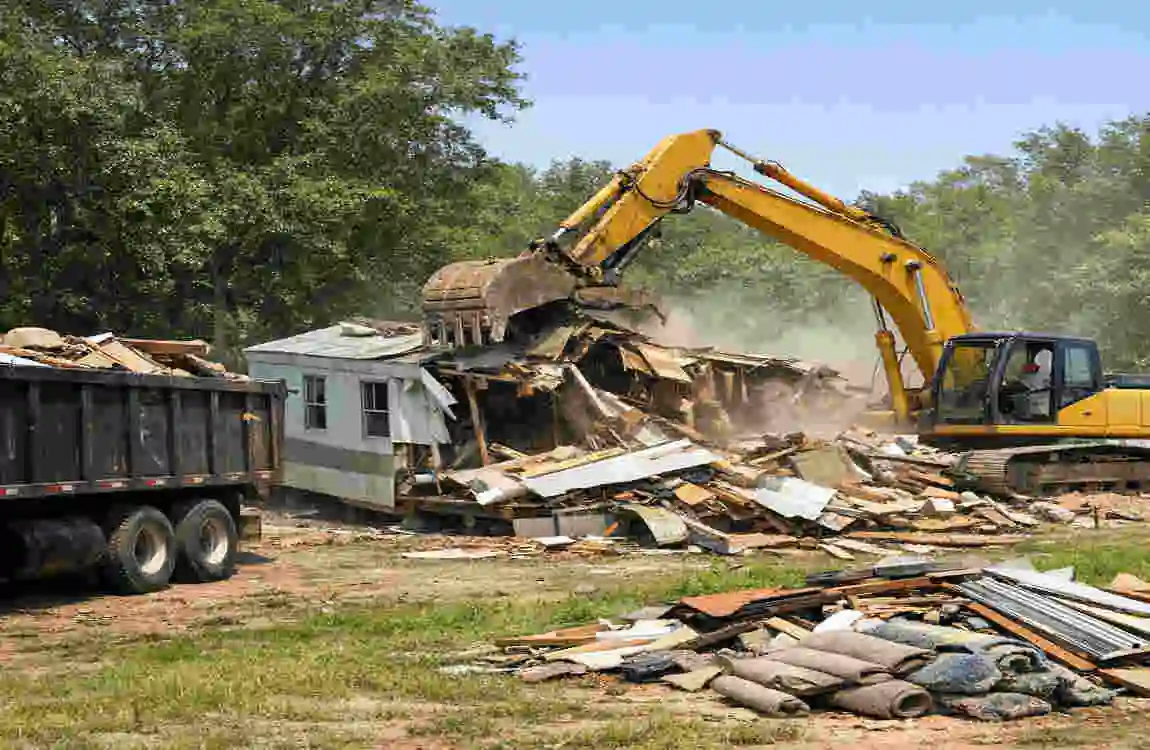
At the national level, the average mobile home removal cost often lands in a wide range because every job is different. A small, older, easy-to-access home may be removed for a few thousand dollars. A large, damaged home in a hard-to-reach rural area may cost far more.
Here is a simple way to think about it:
- Haul away only: usually $3,000 to $8,000
- Single-wide removal: often $3,000 to $10,000
- Double-wide removal: often $5,000 to $15,000
- Demolition and Disposal: often $4,000 to $20,000+
- Permit fees: usually $50 to $500
These are general ranges, not fixed prices. You may pay less in areas with lower labor costs and easy access to landfills. You may pay more in places with strict disposal rules, high fuel prices, or limited availability of contractors.
Quick Cost Overview Table
Service Type Average Cost Range
Haul Away Only $3,000–$8,000
Single-Wide Removal $3,000–$10,000
Double-Wide Removal $5,000–$15,000
Demolition & Disposal $4,000–$20,000+
Permit Fees $50–$500
The important thing to remember is that the headline price is not always the full price. A contractor might quote you a low hauling fee, but then add charges for disconnecting utilities, pulling permits, removing the foundation, or cleaning up debris.
Factors That Affect Mobile Home Hauling Costs
The cost of hauling off a mobile home changes from project to project because several details affect the work. If you understand these details early, you can better predict your budget.
Size of the Mobile Home
One of the biggest pricing factors is the size of the home. A single-wide is smaller, lighter, and easier to move than a double-wide. That means less labor, less equipment, and usually a lower total cost.
A larger home often needs:
- More workers
- Bigger hauling equipment
- More time on site
- Higher transport costs
- More disposal space
Even if two homes are both in similar condition, the larger one will usually cost more to remove. That is simply because there is more material to handle and more work involved.
Distance to Disposal Site
The farther the mobile home must travel, the higher the hauling cost usually becomes. Transportation is not just about moving the home from one place to another. It also includes fuel, driver time, escort vehicles if needed, and route planning.
If the nearest landfill or recycling facility is far away, expect the price to climb. Some contractors charge by the mile. Others build the distance into their overall estimate.
Long-distance hauling can also require more paperwork or special travel rules, especially if the home is oversized or must be broken into sections.
Accessibility of the Property
A mobile home that sits in an open area is much easier to remove than one hidden behind fences, trees, narrow roads, or soft ground. Accessibility matters more than many homeowners expect.
If a crew has trouble reaching the home, they may need extra equipment or more labor. That can raise the price quickly.
Common access problems include:
- Narrow driveways
- Low-hanging utility lines
- Tight turns
- Muddy or uneven ground
- Rural roads with limited truck access
- Obstacles such as sheds, trees, or parked vehicles
The harder it is to get equipment in and out, the more time and money the job usually takes.
Condition of the Mobile Home
The condition of the home matters a lot. A structure that is still fairly stable may be towable or removable with fewer steps. But a home that is badly damaged, unstable, burned, or rotted may need partial demolition first.
If the structure is unsafe, workers may need to take it apart rather than haul it away in one piece. That makes the job slower and more expensive.
Damage that often increases cost includes:
- Roof collapse
- Water damage
- Mold damage
- Foundation shifting
- Fire damage
- Frame damage
- Severe rust or rot
A home in poor condition can also lead to higher disposal costs because more debris ends up in the landfill rather than being moved intact.
Cost to Haul Off a Single-Wide Mobile Home
A single-wide mobile home is typically smaller and easier to remove than a double-wide, which is why its removal cost is usually lower.
Average Single-Wide Removal Costs
Single-wide homes often cost between $3,000 and $10,000 to haul off, depending on distance, condition, and disposal requirements. If the home is still in decent shape and the site is easy to access, the cost may stay near the lower end. If it is damaged or far from a disposal site, the total can rise quickly.
Single-wides are usually built in a single section, which makes them easier to move. That reduces some labor and equipment needs. Still, the work is not as simple as hooking up a truck and driving away. The home must be prepared, disconnected, checked for safety, and often inspected before transport.
Transportation Requirements
Moving a single-wide usually requires proper towing equipment and, in some cases, escort vehicles or route support. A contractor must ensure the structure can be moved safely without damaging roads, utilities, or nearby property.
Transportation may involve:
- Heavy-duty towing equipment
- Secure anchoring and support
- Route planning
- Road permits
- Escort or warning vehicles in some areas
The easier the path, the lower the transport cost—the more complicated the route, the higher the price.
Disposal Expenses
Once the home reaches its destination, disposal fees apply. These may include landfill tipping fees, recycling charges, or fees for separating materials. If parts of the home can be recycled, that may lower costs a little, but not always by much.
Disposal costs may depend on:
- Weight of the structure
- Type of materials
- Local landfill pricing
- Recycling availability
- Environmental handling requirements
A mostly intact home may be easier to process than one that has already collapsed or deteriorated. But even then, you should always expect Disposal to be part of the bill.
Cost to Haul Off a Double-Wide Mobile Home
Double-wides are larger and more complex, so they usually cost more to haul off. In many cases, the removal process is also more detailed because the home may need to be separated into sections first.
Why Double-Wides Cost More
A double-wide mobile home is usually built in two sections. That means more work before transport can even begin. Crews may need to disconnect the sections, secure each one, and plan to move them separately or break them down for demolition.
Because of that, a double-wide often costs more due to:
- Extra labor
- More equipment
- More transport time
- Greater disposal volume
- More complicated setup and teardown
Even if the home is not in terrible condition, the larger size alone can push the total cost up.
Equipment Needed
Double-wide removal often requires more specialized equipment than a single-wide project. Depending on the situation, crews may use cranes, heavy trailers, cutting tools, and support vehicles.
The equipment may include:
- Specialized trailers
- Hydraulic jacks
- Cutting tools
- Cranes or lifts
- Load-securement tools
This equipment is one reason why double-wide removal tends to be more expensive. The job is bigger and more technical.
Average Price Breakdown
Expense Category Cost Range
Preparation $500–$2,000
Transport $2,000–$8,000
Disposal $1,500–$5,000
Labor $1,000–$4,000
This breakdown shows how a single project can add up quickly. A homeowner might focus on the transport fee. Still, preparation and labor often account for a large share of the total.
Mobile Home Demolition vs. Hauling Away
Sometimes the real question is not whether to haul off the mobile home, but whether to haul it away whole or demolish it first.
What Is Mobile Home Demolition?
Mobile home demolition means tearing down the structure before it is disposed of. This is usually the best choice when the home is no longer safe to move out of. A badly damaged, burned, or collapsed home may not be transportable at all.
Demolition may involve:
- Removing interior materials
- Taking apart the frame
- Cutting the structure into sections
- Sorting salvageable materials
- Hauling away debris
This process takes more time than simply towing the home, but it is often the only practical option for homes in poor condition.
When Demolition Makes More Sense
Demolition usually makes more sense when the home is:
- Too damaged to move safely
- Structurally unstable
- Filled with mold or water damage
- Rotten or falling apart
- Not worth repairing or relocating
It may also make more sense if local transport rules make hauling difficult or expensive. Sometimes the cost of preparing a home for transport is nearly as high as the cost of demolition anyway. In that case, tearing it down may be the smarter financial choice.
Cost Comparison
Option Typical Cost
Haul Away $3,000–$15,000
Demolition $4,000–$20,000+
The numbers overlap because every project is different. A simple haul-away job may be cheaper than demolition. But if the home needs major prep or repairs before it can be moved, demolition may actually come out closer in price.
Pros and Cons of Each Option
Hauling away has benefits if the home is still intact and transportable. It can be faster, cleaner, and sometimes cheaper. It may also allow you to recycle or salvage more of the structure.
Demolition is often the better choice for damaged homes. It handles unsafe structures more effectively and gives you a clean site afterward. However, demolition can produce more debris and may cost more upfront.
A simple way to decide is this: if the home can still be safely moved, hauling might work. If it cannot, demolition is usually the better path.
Permit Costs for Mobile Home Removal
Permits are a big part of the process, and many homeowners forget about them at first. In reality, permits may be required for many mobile home removal jobs.
Why Permits May Be Required
Local governments often require permits to ensure the removal complies with safety and environmental regulations. This is especially true if the project involves demolition, utility shutdowns, road travel, or waste disposal.
Permits help confirm that:
- The home is legally removed
- Utilities are disconnected safely
- Debris is handled correctly
- The site meets local code requirements
Without the right permits, you may face delays, fines, or extra work later.
Average Permit Fees
Permit costs usually range from $50 to $500, though some places charge more depending on the project size and local regulations. If multiple permits are needed, the cost can add up.
You may need separate permits for:
- Demolition
- Transport
- Utility disconnection
- Site cleanup
- Foundation removal
Because rules vary so much, it is smart to check with your local building office before the project starts.
Local Building Department Requirements
Every city or county may have its own process. Some require an inspection before removal. Others need proof of ownership, contractor licensing, or final site approval.
You may need to provide:
- Property records
- Contractor information
- Utility disconnection proof
- Waste disposal plans
- Demolition or hauling permits
This process can take time, so do not wait until the last minute.
Utility Disconnect Requirements
Before a mobile home is removed, utilities must be safely disconnected. This is not optional. It protects workers, neighbors, and the property.
Common utility disconnections include:
- Water
- Sewer
- Electric
- Gas
Each utility may have its own provider, fee, and scheduling process. Some companies charge a service fee for disconnection. Others may require inspection or final approval before the lines are fully cut off.
Additional Costs Homeowners Should Expect
The removal price is often only part of the total. There are several other expenses homeowners should keep in mind.
Utility Disconnection Fees
Utility disconnection may come with separate charges. These fees depend on the provider and the amount of work required to shut things down safely.
You may see charges for:
- Meter removal
- Line capping
- Final inspection
- Service termination
These costs are usually manageable, but they should still be in your budget.
Foundation Removal Costs
If the mobile home sits on blocks, piers, or a foundation, the structure may need to be removed as well. Some homeowners focus only on the home itself, but the base often needs attention even after the home is gone.
Foundation removal may include:
- Breaking up concrete pads
- Removing piers or supports
- Hauling away broken materials
- Filling or leveling the ground afterward
This can add a few hundred dollars or several thousand, depending on the foundation type.
Site Cleanup and debris Removal
Once the home is removed, the site may still need a lot of work. Nails, siding pieces, insulation, broken wood, and other debris can remain behind. A contractor may charge extra to clear it all out.
Cleanup may include:
- Sweeping or raking debris
- Hauling leftover materials
- Removing scrap metal
- Clearing trash or loose waste
If the area was heavily damaged, cleanup may take longer than expected.
Land Grading and Restoration
After removal, you may want the land graded or restored. This is especially important if you plan to reuse the property for another home, a structure, or landscaping.
Land restoration may include:
- Leveling the soil
- Filling holes or depressions
- Adding topsoil
- Seeding grass
- Preparing for a new foundation
This work is not always required, but it is often worth doing if you want to improve property value and appearance.
Hazardous Material Removal
Older mobile homes can contain materials that must be handled carefully. If asbestos, lead, or mold is present, the removal process becomes more expensive.
Potential hazards include:
- Asbestos
- Mold
- Lead-based materials
Specialists may need to inspect the home and remove dangerous materials before demolition or hauling. This can add serious cost, but it is necessary for safety and compliance.
Can You Make Money From an Old Mobile Home?
In some cases, yes, you can recover a bit of money from an old mobile home before it is hauled away. You may not make a fortune, but you could lower your total removal cost.
Selling Salvageable Materials
Many old mobile homes still contain materials that have value. Even if the home itself is no longer useful, some parts may be resold or reused.
Common salvage items include:
- Metal
- Appliances
- Fixtures
Copper wiring, aluminum siding, and steel frames can sometimes be recycled for cash. Appliances may also have resale value if they still work. Light fixtures, doors, cabinets, and sinks may also be salvageable.
Selling the Mobile Home As-Is
Sometimes a mobile home still has enough life left that someone may buy it as-is, especially if the buyer plans to renovate or move it. This is more common if the home is older but still structurally sound.
Selling as-is may work best when:
- The frame is still solid
- The roof is in decent shape
- The home can still be moved
- The buyer wants a fixer-upper
Even if the sale price is low, it may save you the cost of removal.
Recycling Opportunities
Some contractors and Disposal sites offer recycling options for parts of the home. Recycling can reduce landfill waste and, in some cases, lower disposal fees.
Items that may be recycled include:
- Metal framing
- Wiring
- Certain fixtures
- Some structural materials
The amount you save depends on your local recycling system and the contractor’s process.
Donation Options
A mobile home in good condition may sometimes be donated to a nonprofit, charity, or housing program. This is not always easy to arrange, but it can be worth exploring if the home is still usable.
Donation can be a good fit when:
- The home is functional
- It meets local safety standards
- A nonprofit can actually use it
- The cost of moving it is manageable
This route can be a win-win, but it takes planning and the right partner.
How to Save Money on Mobile Home Removal
There are several smart ways to reduce removal costs. The key is to plan and compare your options carefully.
Get Multiple Contractor Quotes
This is one of the easiest and most effective ways to save money. Different contractors may price the same job very differently. Some may focus on hauling. Others may include demolition and cleanup.
When comparing quotes, make sure each estimate covers:
- Labor
- Transport
- Permits
- Disposal fees
- Cleanup
- Utility disconnection
- Any added charges
Do not just look at the lowest number. Look at the full scope of work.
Sell Valuable Components First
Before removal starts, take a look at what can be sold or reused. Even a few salvaged items can help offset the bill.
You may be able to sell:
- Appliances
- Copper wire
- Metal siding
- Cabinets
- Fixtures
The more value you extract first, the less waste you pay to dispose of later.
Compare Demolition vs. Relocation Costs
Sometimes a mobile home can be moved to a new location instead of being demolished. Other times, moving it costs nearly as much as replacement or demolition. Compare all three options:
- Move it
- Demolish it
- Replace it with something new
This comparison can help you choose the smartest long-term path.
Schedule During Off-Peak Seasons
Contractors are often busier during certain seasons, especially spring and summer. If your timeline is flexible, scheduling during a slower period may help you get a better price.
Off-peak scheduling can sometimes mean:
- Lower labor demand
- Better contractor availability
- Faster scheduling
- More room to negotiate
Check for Local Recycling Programs
Some counties or cities offer recycling or waste reduction programs that can lower your disposal costs. If your area has a special program, you may be able to reduce landfill fees or recycle more materials for less.
A quick phone call to your local waste office can save money later.
How to Choose a Mobile Home Removal Company
Choosing the right company matters as much as choosing the right removal method. The cheapest quote is not always the best one.
Verify Licensing and Insurance
Always make sure the company is properly licensed and insured. This protects you if something goes wrong during hauling, demolition, or site cleanup.
Ask for proof of:
- Business license
- Insurance coverage
- Workers’ compensation
- Any required local certifications
A serious contractor should have no problem showing these documents.
Ask About Disposal Methods
Not every company handles Disposal the same way. Some haul debris to a landfill. Others sort materials for recycling or reuse. Ask exactly what they do with the mobile home after it leaves your property.
Important questions include:
- Where will the home be taken?
- Will anything be recycled?
- Are disposal fees included?
- How are hazardous materials handled?
This helps you avoid surprise charges later.
Review Previous Customer Feedback
Look at reviews, testimonials, and completed project photos if available. You want a company that is reliable, organized, and honest.
Good signs include:
- Clear communication
- On-time service
- Fair pricing
- Clean work
- Positive customer reviews
Bad signs include vague answers, poor communication, and quotes that seem too good to be true.
Request a Written Estimate
Never rely on a verbal quote alone. A written estimate gives you a clear record of what is included and what is not.
Your estimate should list:
- Base removal cost
- Labor charges
- Permit fees
- Transport cost
- Disposal charges
- Cleanup fees
- Additional services
A written estimate helps prevent misunderstandings.
Understand Contract Terms
Before signing anything, read the terms carefully. Make sure you understand payment timing, cancellation policies, change-order fees, and what happens if the job takes longer than expected.
If a contract seems unclear, ask questions. A good contractor will explain it in simple terms.
Mobile Home Removal Cost by State and Region
Location matters more than many people realize. The same mobile home can cost very different amounts to remove depending on where you live.
Urban vs. Rural Pricing
Urban projects may cost more due to labor demand, traffic congestion, access constraints, and higher disposal fees. Rural projects may be cheaper in some ways, but they can also cost more if the site is difficult to reach or if the nearest disposal site is far away.
In urban areas, costs often rise due to:
- Higher labor rates
- Permitting complexity
- Tight access
- Traffic delays
In rural areas, costs may rise due to:
- Long transport distances
- Fewer available contractors
- Limited disposal facilities
Regional Labor Cost Differences
Labor prices vary across the country. Areas with higher wages generally charge more for demolition, hauling, and cleanup. Regions with lower living costs often offer lower quotes.
This is why a project in one state may cost thousands more than the same work in another state.
Landfill Fee Variations
Landfill costs are not the same everywhere. Some states and counties charge higher dumping fees than others. If your area has high landfill rates, the removal cost will likely be higher, too.
This matters especially for larger homes, since more material means more disposal weight.
Transportation Regulations
Some states and local areas have stricter transport rules for oversized loads. That can mean permits, escorts, route approvals, or time restrictions. All of that can raise the cost.
If the mobile home must travel through multiple jurisdictions, pricing may become even more complex.
Step-by-Step Mobile Home Removal Process
If you know the process ahead of time, the whole project feels less overwhelming. Here is what usually happens.
Initial Inspection
The contractor first inspects the home and property. They check the size, condition, access points, and any issues that might affect hauling or demolition.
This step helps determine whether the home can be moved intact or should be torn down.
Permit Approval
Next, permits are secured if needed. Depending on local rules, this may include demolition permits, transport permits, or utility-related approvals.
Skipping this step is risky and can cause delays.
Utility Disconnection
Before removal begins, water, sewer, electric, and gas lines must be safely disconnected. This protects everyone involved and helps avoid accidents.
Structure Preparation
The home is then prepared for the chosen removal method. That may mean:
- Clearing out belongings
- Removing salvageable items
- Stabilizing the structure
- Separating sections
- Disconnecting the foundation
- Securing loose parts
Preparation can take longer than many homeowners expect.
Transportation or Demolition
At this point, the actual removal happens. If the home is being hauled away, workers load and transport it. If it is being demolished, crews tear it down in sections and load the debris.
This is usually the most visible part of the project, but it is only one piece of the overall job.
Site Cleanup
After the home is gone, the site is cleaned up. Debris is removed, remaining materials are cleared, and the ground may be leveled.
If you plan to use the land again, this final step matters a lot.
Common Mistakes to Avoid When Removing a Mobile Home
A mobile home removal project can go smoothly, but only if you avoid some common mistakes.
Skipping Permit Requirements
Some people try to save time by skipping permits. That can backfire fast. You may face fines, delays, or problems with the property’s future use.
Choosing the Cheapest Contractor
The lowest quote is not always the best deal. A very cheap bid may omit key services or indicate poor artistry.
Ignoring Hidden Costs
Always ask about extra charges. Hidden costs often include:
- Utility shutoff
- Debris hauling
- Foundation removal
- Disposal surcharges
- Hazardous material handling
Failing to Obtain Multiple Quotes
If you only get one estimate, you may overpay. A few quotes can give you a much better sense of the real market price.
Overlooking Salvage Opportunities
Do not throw away value by accident. Even old homes may contain items that can be sold, recycled, or donated.
Is Hauling Off a Mobile Home Worth the Cost?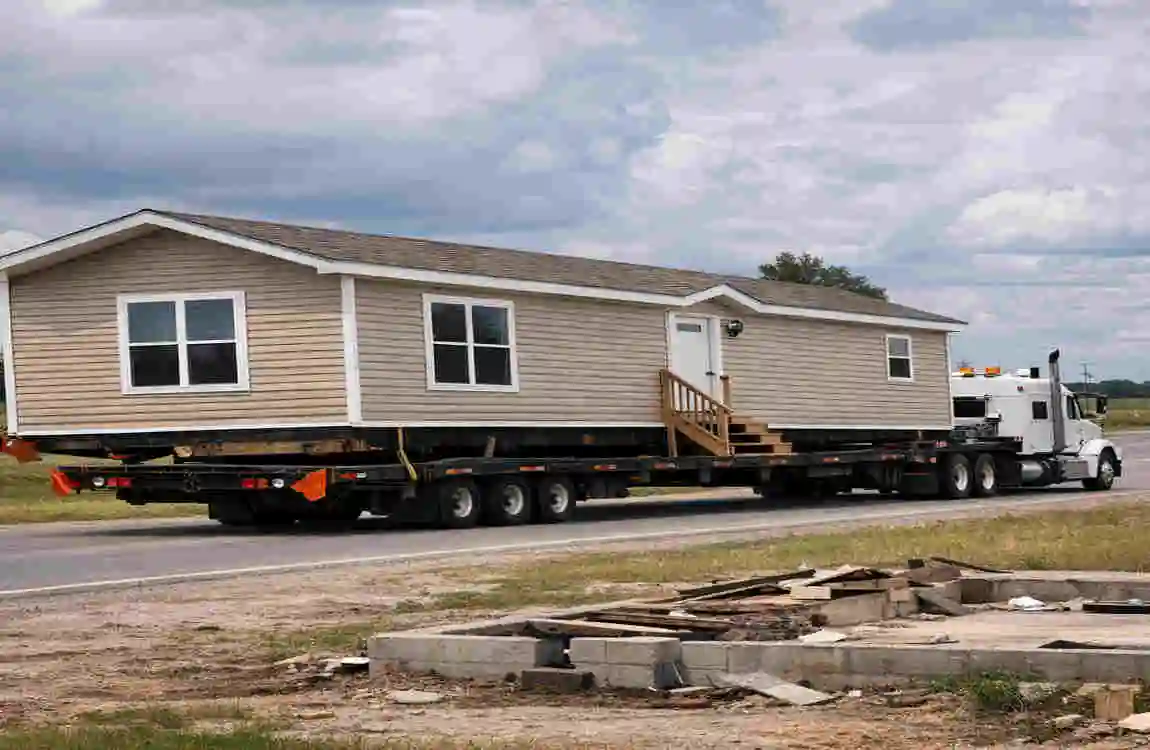
For many homeowners, the answer is yes. Removing an old mobile home can open up the property, reduce risk, and improve the land’s future value.
Benefits of Removing an Old Mobile Home
A removal project can help you:
- Remove an unsafe structure
- Improve curb appeal
- Lower liability risk
- Prepare the land for new use
- Make the property more marketable
If the home is damaged or unused, keeping it around may cost you more in the long run.
Property Value Considerations
A cluttered or damaged lot can hurt property value. On the other hand, a clean, open site may be more attractive to buyers and lenders. Even if removal has an upfront cost, it may help improve the property’s overall appeal.
Land Redevelopment Opportunities
Once the mobile home is gone, you can use the space for something better. That might mean:
- A new home
- A fresh foundation
- Outdoor improvements
- Storage buildings
- Landscape upgrades
This flexibility is one of the biggest benefits of removal.
Long-Term Financial Advantages
If you remove a failing structure now, you may avoid future repair bills, code violations, pest problems, and safety risks. In many cases, spending money now can save money later.
FAQ Section
How much does it cost to haul off a mobile home?
Most homeowners spend between $3,000 and $15,000, depending on size, condition, and location.
Is it cheaper to demolish or move a mobile home?
Demolition is often cheaper for severely damaged homes, while relocation may be better for homes in good condition.
Do I need a permit to remove a mobile home?
In most areas, yes. Permits and utility disconnections are usually required before removal.
How long does mobile home removal take?
Most projects take one day to one week, depending on complexity, permits, utility work, and cleanup.
Can I remove a mobile home myself?
It may be possible in some cases, but professional removal is usually safer and more practical because permits, equipment, and disposal rules can be complicated.
What affects the cost of mobile home hauling the most?
The biggest factors are size, transportation distance, disposal fees, accessibility, and local regulations.
| Service Type | Average Cost (USD) | Details |
|---|---|---|
| Local Mobile Home Hauling (under 50 miles) | $1,000 – $5,000 | Depends on size, permits, and route conditions. |
| Long-Distance Hauling (50+ miles) | $3,000 – $15,000+ | Higher costs due to fuel, labor, and transportation regulations. |
| Single-Wide Mobile Home Transport | $1,000 – $8,000 | Easier and less expensive to move. |
| Double-Wide Mobile Home Transport | $5,000 – $15,000+ | Requires splitting, escort vehicles, and additional permits. |
| Permits and Inspections | $100 – $1,000 | Varies by state and local regulations. |
| Site Preparation and Setup | $500 – $5,000 | Includes foundation work, leveling, and utility connections. |
| Demolition and Removal Instead of Moving | $3,000 – $10,000 | Cost to tear down and haul away a mobile home. |
