
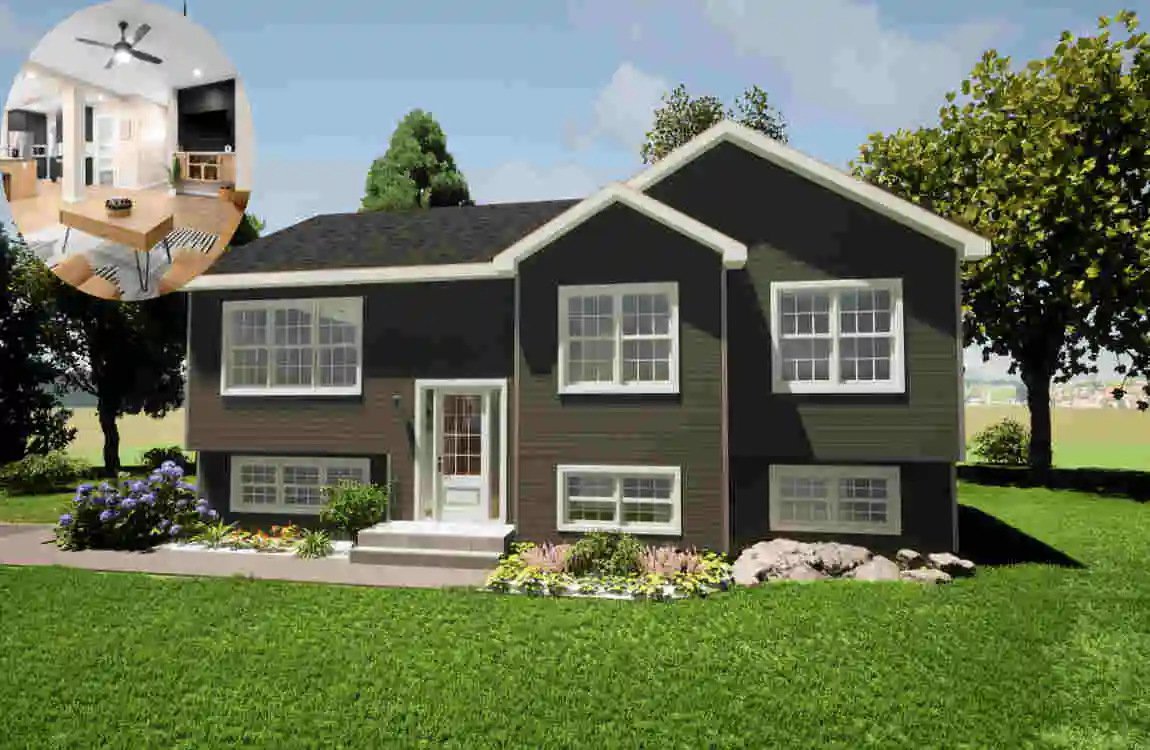
Modern homebuyers have more housing choices today than ever before. Traditional site-built houses are no longer the only option for families looking to own a comfortable and affordable home. Manufactured housing, modular construction, and other factory-built homes have become increasingly popular because they offer quality living spaces at a lower cost and with faster construction timelines.
If you’ve ever wondered what a multi-section home is, you’re not alone. Many first-time buyers and investors are exploring this housing option because of its flexibility, modern features, and cost-saving advantages.
Understanding how a multi-section home is built, transported, installed, and maintained can help you make an informed buying decision. Whether you’re searching for your first home, downsizing for retirement, or looking for affordable housing solutions, a multi-section home may be the perfect fit.
What Is a Multi-Section Home?
Definition of a Multi-Section Home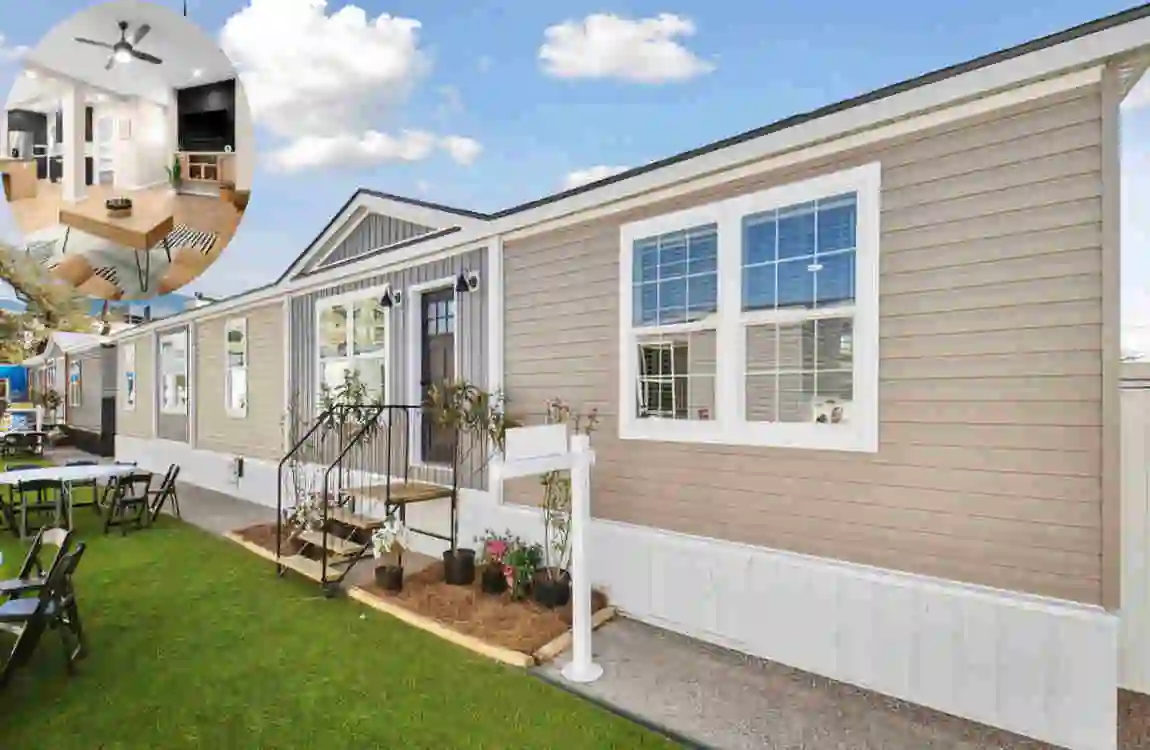
A multi-section home is a type of manufactured home built in two or more sections in a factory and then transported to a home site for assembly.
Unlike traditional houses that are constructed entirely on-site, these homes are built in separate pieces under controlled factory conditions. Once completed, each section is delivered to the property, where professionals connect them to create a single residence.
When people ask what a multi-section home is, the simplest answer is that it is a larger manufactured home made from multiple sections joined together after delivery.
The result is a spacious and attractive home that often looks very similar to a traditional house.
How Multi-Section Homes Differ from Single-Section Homes
The biggest difference between a multi-section home and a single-section home is size.
Single-section homes, often called single-wide homes, are built as one unit. Multi-section homes are constructed in multiple pieces that combine to create significantly larger living areas.
Key differences include:
- Larger floor plans
- More bedrooms and bathrooms
- Greater storage capacity
- More customisation opportunities
- Open-concept layouts
Because of their additional space, multi-section homes often appeal to families and homeowners who want room to grow.
Common Types of Multi-Section Homes
Double-Wide Homes
A double-wide home consists of two separate sections joined at the installation site.
These homes typically offer between 1,000 and 2,500 square feet of living space. They are among the most popular forms of manufactured housing.
Triple-Wide Homes
A triple-wide home consists of three sections assembled after delivery.
These homes provide even more space and often feature luxury amenities such as large kitchens, walk-in closets, and spacious living areas.
Custom Multi-Section Designs
Some manufacturers create custom multi-section designs consisting of four or more sections.
These homes can rival traditional houses in size and appearance while maintaining many of the cost advantages of factory-built construction.
How Does a Multi-Section Home Work?
Factory Construction Process
The journey begins inside a manufacturing facility.
Each section of the home is built using standardised construction processes. Skilled workers assemble floors, walls, roofing systems, electrical wiring, plumbing, insulation, and interior finishes.
Building indoors provides several advantages:
- Protection from weather delays
- Better material management
- Improved quality control
- Faster construction schedules
Because every stage is carefully monitored, factory-built homes often achieve excellent consistency and artistry.
Transportation to the Home Site
After construction is complete, each section is transported separately to the property.
Specialised trucks carry the sections to the site where they will be installed.
Before delivery, the site must be prepared by:
- Clearing land
- Grading the property
- Installing utility connections
- Preparing the foundation
Proper planning ensures a smooth delivery process.
Assembly and Installation
Once the sections arrive, professional installation crews position them on the foundation.
The sections are carefully aligned and permanently connected.
The installation process includes:
- Positioning sections
- Joining structural components
- Connecting electrical systems
- Connecting plumbing systems
- Completing interior finishing work
- Performing inspections
After installation, the home functions exactly like a traditional residence.
Foundation Systems Used
Several foundation options are available.
Permanent Foundations
Permanent foundations provide maximum stability and may help homeowners qualify for traditional mortgage financing.
Pier and Beam Systems
Pier and beam foundations are commonly used for manufactured homes because they offer affordability and accessibility.
Basement Foundations
Some multi-section homes can be installed over full basements, creating additional living or storage space.
Key Features of a Multi-Section Home
Spacious Floor Plans
One of the biggest benefits of a multi-section home is the amount of living space available.
Many designs include:
- Large living rooms
- Open kitchens
- Dining areas
- Home offices
- Multiple bedrooms
These layouts make daily living more comfortable.
Modern Interior Designs
Today’s manufactured homes feature stylish interiors that rival those of traditional housing.
Popular features include:
- Kitchen islands
- Granite countertops
- Stainless steel appliances
- Walk-in closets
- Luxury bathrooms
Many visitors cannot tell the difference between a modern manufactured home and a site-built house.
Customization Options
Homeowners can often personalise their homes before construction begins.
Common customisation choices include:
- Floor plan adjustments
- Exterior siding selections
- Roofing materials
- Cabinet styles
- Flooring options
- Smart home technology
This flexibility allows buyers to create a home that suits their preferences.
Energy Efficiency Improvements
Manufacturers continue improving energy performance.
Modern homes often include:
- High-quality insulation
- Energy-efficient windows
- Advanced HVAC systems
- Energy-saving appliances
These upgrades help reduce utility costs throughout the year.
Advantages of Choosing a Multi-Section Home
More Living Space
Families need room to live comfortably.
A multi-section manufactured home provides:
- Additional bedrooms
- Larger kitchens
- Spacious family rooms
- Extra storage areas
This makes them ideal for growing households.
Affordable Compared to Site-Built Homes
Affordability remains one of the primary reasons buyers choose manufactured housing.
Because construction occurs in a factory environment, labour and material costs are often lower.
This can result in significant savings compared to traditional construction.
Faster Construction Timeline
Building a home on-site can take several months or even longer.
Factory-built homes are usually completed much faster because weather interruptions are minimised and construction processes are streamlined.
Many buyers move into their homes sooner than expected.
High-Quality Manufacturing Standards
Modern factories follow strict quality standards.
Controlled environments reduce construction errors and improve consistency across projects.
This often results in dependable, durable homes.
Design Flexibility
Today’s buyers want choices.
Manufacturers offer a wide variety of floor plans, design styles, and upgrades, allowing homeowners to personalise their living spaces.
Potential Drawbacks of Multi-Section Homes
Transportation Challenges
Transporting large home sections can be complicated.
Narrow roads, low bridges, and difficult terrain may increase delivery costs or limit placement options.
Land and Setup Costs
The home itself is only part of the investment.
Additional costs may include:
- Land purchase
- Site preparation
- Foundation construction
- Utility hookups
These expenses should be included in the budget.
Financing Considerations
Financing options vary depending on:
- Home classification
- Foundation type
- Land ownership status
Some buyers may encounter stricter lending requirements.
Local Zoning Restrictions
Not every community permits manufactured homes.
Local regulations may determine:
- Placement locations
- Minimum lot sizes
- Design requirements
Researching local zoning laws before purchasing is essential.
Multi-Section Home vs Other Housing Types
Multi-Section Home vs Single-Wide Home
Multi-section homes provide more living space and layout flexibility.
Single-wide homes generally cost less but offer fewer customisation opportunities.
Multi-Section Home vs Modular Home
Many buyers confuse manufactured homes and modular homes.
In a modular home comparison, both are factory-built. Still, modular homes comply with local building codes, while manufactured homes comply with federal HUD standards.
Installation methods and financing options may also differ.
Multi-Section Home vs Traditional Site-Built Home
Site-built homes offer maximum customisation but often require significantly larger budgets and longer construction timelines.
Multi-section homes offer many of the same features at a lower overall cost.
Comparison Table
FeatureMulti-Section HomeSingle-Wide HomeModular HomeSite-Built Home
Size Large Smaller Large Custom
Cost Moderate Lower Moderate-High Highest
Build Time Fast Fast Moderate Long
Customisation High Limited High Very High
Installation Required Required Required On-Site Build
Who Should Consider a Multi-Section Home?
Growing Families
Families often need additional bedrooms, bathrooms, and storage space.
Multi-section homes provide these features without requiring the budget of a large site-built house.
First-Time Homebuyers
For many first-time buyers, affordability is a major concern.
A multi-section home can offer an accessible path to homeownership.
Retirees and Downsizers
Retirees often seek comfortable layouts with lower maintenance requirements.
Modern multi-section homes can provide both convenience and comfort.
Rural Property Owners
These homes are particularly popular in rural areas where land is readily available.
They can be placed on private property and customised to fit various lot sizes.
Cost of a Multi-Section Home
Factors That Affect Pricing
Several factors influence the multi-section home cost:
- Square footage
- Design complexity
- Building materials
- Interior upgrades
- Foundation type
- Transportation distance
Average Purchase Costs
While pricing varies by region and manufacturer, general ranges include:
Home Type Typical Price Range
Entry-Level Double-Wide $80,000–$120,000
Mid-Range Multi-Section Home $120,000–$180,000
Luxury Triple-Wide Home $180,000–$300,000+
Additional Expenses to Budget For
Beyond the home purchase price, buyers should plan for:
- Land acquisition
- Foundation installation
- Utility connections
- Permits
- Inspections
- Landscaping
- Insurance
Careful budgeting prevents unexpected expenses.
Financing Options for Multi-Section Homes
Manufactured Home Loans
Specialised manufactured home loans are designed specifically for this type of housing.
These loans often have flexible qualification standards.
Conventional Mortgage Options
Homes installed on permanent foundations may qualify for traditional mortgages.
Lenders typically evaluate:
- Credit score
- Income
- Property value
- Debt-to-income ratio
FHA, VA, and USDA Loans
Government-backed financing programs offer valuable benefits.
Advantages may include:
- Lower down payments
- Competitive interest rates
- Flexible credit requirements
These programs can make homeownership more accessible.
Tips for Getting Approved
To improve approval chances:
- Maintain a strong credit score.
- Reduce existing debt.
- Save for a larger down payment.
- Verify income documentation.
- Compare multiple lenders.
Preparation often leads to better financing terms.
Maintenance and Long-Term Care
Routine Maintenance Tasks
Like any home, regular maintenance is essential.
Important tasks include:
- Roof inspections
- HVAC servicing
- Gutter cleaning
- Plumbing checks
- Exterior maintenance
Preventive care helps avoid costly repairs.
Protecting Structural Integrity
Periodic foundation inspections ensure stability.
Homeowners should also address:
- Water drainage issues
- Moisture control
- Weatherproofing needs
These measures help preserve structural strength.
Increasing Home Value Over Time
Strategic upgrades can improve both comfort and resale value.
Examples include:
- Kitchen remodeling
- Bathroom upgrades
- Energy-efficient improvements
- Landscaping enhancements
Well-maintained homes tend to attract more buyers.
How to Choose the Right Multi-Section Home
Determine Your Space Requirements
Start by assessing your household needs.
Consider:
- Family size
- Lifestyle
- Future growth
- Work-from-home requirements
Choosing the right size prevents overcrowding.
Set a Realistic Budget
Look beyond the purchase price.
Include:
- Land costs
- Taxes
- Insurance
- Utility expenses
- Maintenance costs
A complete budget provides a clearer picture of ownership costs.
Evaluate Floor Plans
Functionality matters as much as square footage.
Pay attention to:
- Traffic flow
- Storage space
- Bedroom placement
- Kitchen layout
Choose a design that supports your daily routines.
Research Manufacturers and Builders
Not all manufacturers offer the same quality standards.
Review:
- Customer feedback
- Warranty coverage
- Construction quality
- Industry reputation
A trusted builder can provide greater peace of mind.
Review Local Regulations
Before purchasing, confirm local requirements regarding:
- Zoning
- Permits
- Foundation standards
- Utility connections
Compliance helps avoid future complications.
Future Trends in Multi-Section Housing
Smart Home Integration
Technology is becoming a standard feature in modern housing.
Many new homes include:
- Smart thermostats
- Security systems
- Automated lighting
- Voice-controlled devices
These features enhance convenience and efficiency.
Sustainable Building Practices
Manufacturers are increasingly adopting eco-friendly methods.
Examples include:
- Sustainable materials
- Improved insulation
- Solar-ready designs
- Water-saving fixtures
These innovations support long-term environmental goals.
Growing Demand for Affordable Housing
Housing affordability continues to be a major concern.
As demand increases, factory-built homes are expected to play an important role in meeting housing needs.
Their combination of affordability, speed, and quality makes them attractive to a wide range of buyers.
Frequently Asked Questions (FAQs)
What is a multi-section home?
A multi-section home is a manufactured home built in two or more sections within a factory and assembled at its final location.
How many sections can a multi-section home have?
Most homes have two or three sections, but some custom designs can include four or more sections.
Is a multi-section home the same as a modular home?
No. Although both are factory-built, modular homes comply with local building codes, while manufactured homes comply with federal HUD standards.
Are multi-section homes expensive?
They are generally more affordable than traditional site-built homes while offering similar living space and amenities.
Can a multi-section home be placed on private land?
Yes. Many homeowners place multi-section homes on privately owned land, provided local zoning regulations permit it.
How long does it take to install a multi-section home?
Installation typically takes a few days to several weeks, depending on site preparation, foundation work, and utility connections.
Do multi-section homes appreciate?
They can appreciate, especially when placed on owned land, maintained properly, and located in desirable areas.
| Aspect | Description |
|---|---|
| What Is a Multi-Section Home? | A multi-section home is a manufactured or modular home built in two or more sections at a factory and then transported to the home site for assembly. |
| How It Is Built | Each section is constructed separately in a controlled factory environment to ensure quality and consistency. |
| Transportation | The completed sections are delivered to the property on trucks. |
| Assembly Process | Professional crews join the sections together on a permanent foundation and complete the finishing work. |
| Common Types | Double-wide, triple-wide, and larger modular homes are common examples of multi-section homes. |
| Benefits | Offers more living space, flexible floor plans, faster construction times, and often lower costs than traditional site-built homes. |
| Customization Options | Homeowners can choose layouts, finishes, room sizes, and exterior designs to fit their needs. |
| Ideal For | Families, retirees, and homeowners seeking affordable, spacious housing with modern amenities. |
