
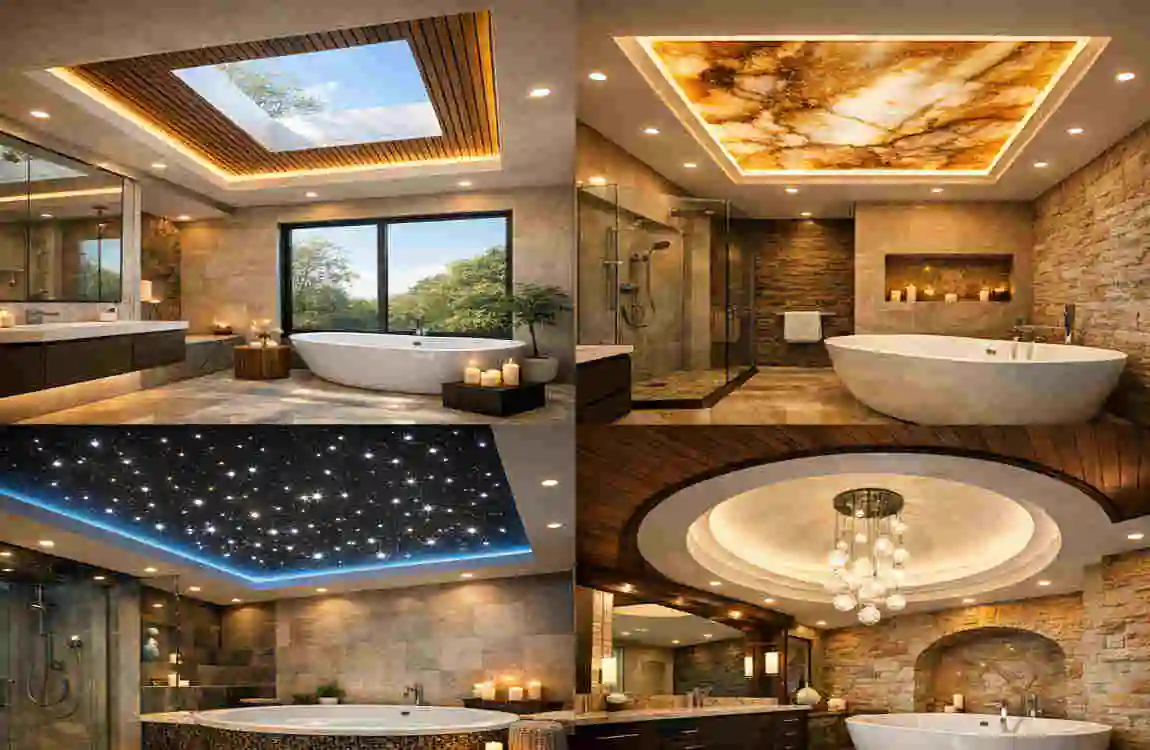
Have you ever wondered, “What is the new trend for ceilings in bathrooms?” In 2026, bathroom ceilings are no longer an afterthought. They are evolving into statement-making features that combine luxury, functionality, and spa-like serenity. From integrated lighting to eco-friendly materials, bathroom ceilings are taking center stage in modern home upgrades.
Bathroom ceilings play a crucial role in creating the right ambiance while addressing practical concerns like moisture resistance and durability. A well-designed ceiling can significantly enhance the aesthetic appeal of your space, boost property value, and even contribute to a wellness-focused lifestyle.
Why Update Your Bathroom Ceiling
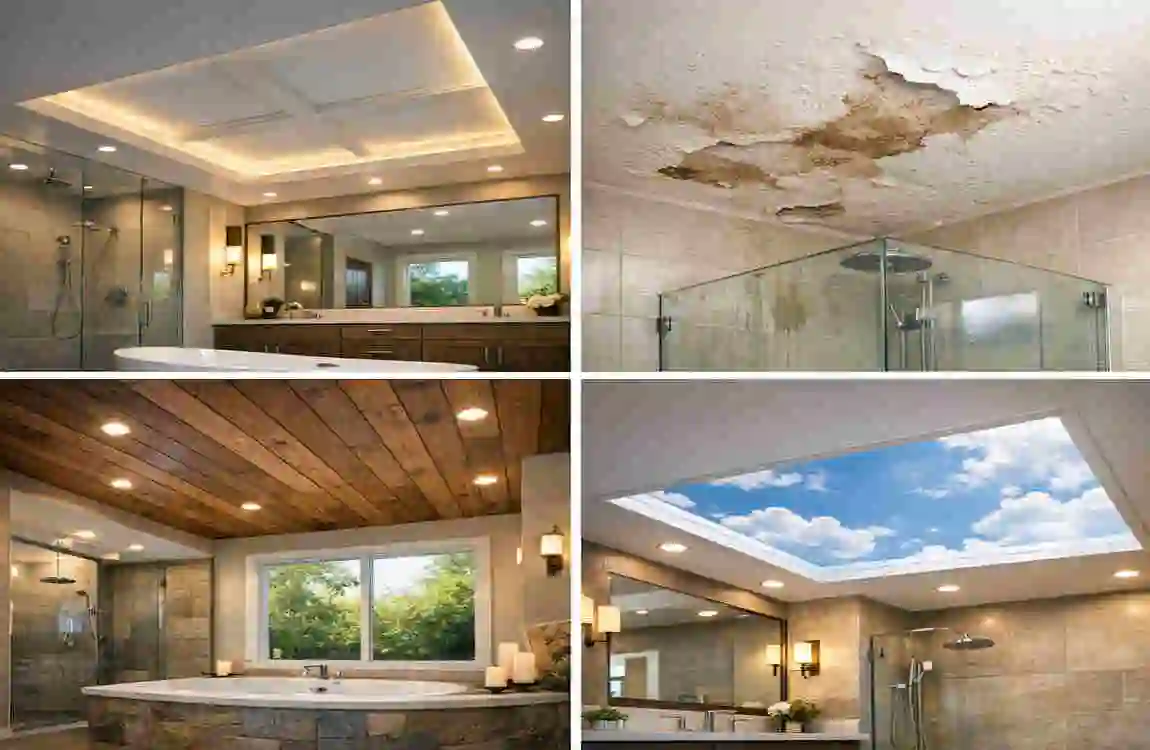
The Rise of Wellness-Focused Homes
The global focus on wellness has grown exponentially since the pandemic. Homeowners are now prioritizing spaces that promote relaxation and rejuvenation, and bathrooms are becoming the center of this trend. A thoughtfully designed ceiling can help create a spa-like atmosphere, making your bathroom a personal oasis.
Benefits of a Modern Bathroom Ceiling
- Improved Ventilation and Humidity Control
- Modern ceilings often incorporate materials and designs that resist moisture, helping prevent mold and mildew.
- Enhanced Aesthetics
- Say goodbye to plain, flat ceilings! Today’s trends focus on textured designs, integrated lighting, and materials that elevate your bathroom’s visual appeal.
- Increased Property Value
- A well-designed ceiling doesn’t just look good—it also adds value to your home. Potential buyers are drawn to thoughtful upgrades that merge style with functionality.
The Impact: Old vs. New Bathroom Ceilings
To better understand the evolution, let’s compare traditional ceilings with 2026’s trendy alternatives:
Aspect Traditional Ceilings 2026 Trendy Ceilings
Durability Prone to mold Waterproof, anti-fungal
Lighting Basic fixtures Seamless LED integration
Cost: Low upfront cost, Higher cost, but better ROI
Style Flat/plain Textured, 3D designs
Hottest Bathroom Ceiling Trends
LED-Integrated False Ceilings
Imagine stepping into a bathroom where the ceiling glows with soft, customizable light. LED-integrated false ceilings are revolutionizing bathroom design with energy-efficient panels that can shift colors to match your mood.
Pros:
- Energy-efficient (uses up to 80% less power).
- Customizable lighting via smartphone apps.
Cons:
- Higher installation costs ($50–100 per square foot).
Installation Tip:
Pair LED panels with dimmers to create a relaxing steam room effect.
Textured and 3D Gypsum Panels
For those who love intricate designs, 3D gypsum panels are a game-changer. With patterns like waves or honeycombs, these ceilings add depth and sophistication to any bathroom.
Pros:
- Hides imperfections on the ceiling surface.
- Adds a luxurious feel without the need for tiles.
Cons:
- Dust-prone in humid areas.
Installation Tip:
Opt for moisture-resistant gypsum panels to ensure longevity in steamy environments.
Sustainable Bamboo or Recycled Wood Finishes
Eco-conscious homeowners will love the natural charm of bamboo ceilings or recycled wood slats. These materials not only look stunning but also align with sustainable living practices.
Pros:
- Environmentally friendly and biodegradable.
- Provides natural ventilation.
Cons:
- Requires sealing to protect against water damage.
Installation Tip:
Combine bamboo with hidden fans for enhanced airflow and functionality.
Mirrored or High-Gloss Acrylic Panels
Mirrored ceilings are perfect for smaller bathrooms, as their reflective surfaces amplify light and create the illusion of a larger space.
Pros:
- Modern, sleek, and easy to clean.
- Enhances natural light in the bathroom.
Cons:
- Shows water spots and fingerprints easily.
Installation Tip:
Edge the mirrored panels with LED strips for a stunning infinity effect.
Smart Ceiling Systems with Rainfall Integration
Take luxury to the next level with smart ceilings that include rainfall showerheads and built-in fog-free mirrors. These ceilings are the epitome of a high-tech home spa.
Pros:
- Seamlessly integrates technology for a spa experience.
- Voice-controlled for convenience.
Cons:
- Expensive, with costs starting at $200 per square foot.
Installation Tip:
Use smart home systems like Alexa or Google Home for easy control.
Comparison Table: Bathroom Ceiling Trends
TrendCost/sq ftMoisture RatingSpa Factor
LED False Ceilings $50–100 High 9/10
3D Gypsum Panels $30–60 Medium-High 8/10
Bamboo Slats $40–70 Medium 7/10
Mirrored Acrylic $60–90 High 8/10
Smart Rainfall Systems $150–300 Very High 10/10
Materials Guide: Choosing the Best for Your Home Spa
When selecting materials for your bathroom ceiling, consider your budget, the humidity level in your area, and the overall aesthetic you aim to achieve. Here’s a quick breakdown:
- PVC Panels: Affordable, waterproof, and beginner-friendly.
- Gypsum Boards: Elegant but require proper sealing for moisture resistance.
- Metal Panels: Durable and perfect for an industrial-chic look.
Installation and Cost Breakdown
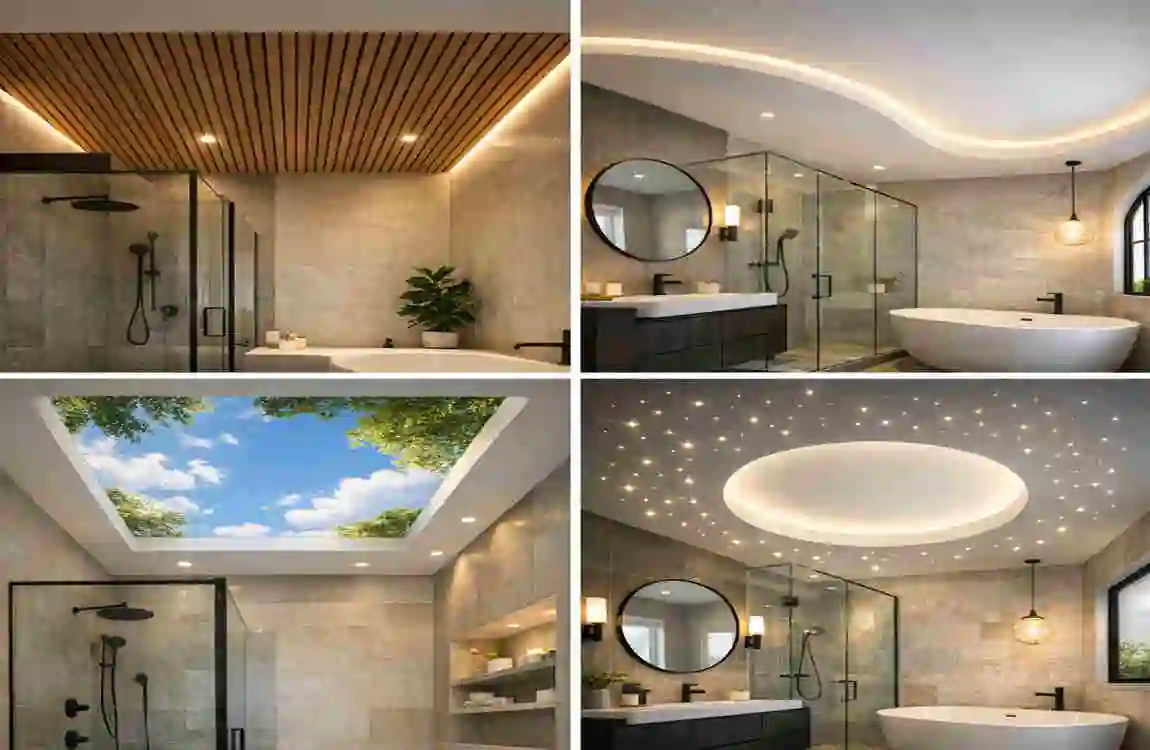
DIY or Professional Installation?
While DIY installation is possible for basic designs, professional help is recommended for waterproofing and intricate trends like smart ceiling systems.
Cost Breakdown
Here’s a rough estimate of costs for a 100-square-foot bathroom ceiling:
BudgetTrend ExamplesTotal Cost
Low ($2,000) PVC LED Basics $2,000
Mid ($5,000) 3D Gypsum Panels $5,000
High ($10,000+) Smart Rainfall Systems $10,000+
Real Home Transformations: Before/After Ideas
Small Apartment
Transform a dull flat ceiling into a starry LED sky with glow-in-the-dark panels.
Luxury Villa
Incorporate smart rainfall systems for a spa-like experience.
Eco-Home
Add bamboo slats to create a warm, natural vibe.
We’ve noticed unusual query volume. Please contact us with the following Error ID: d9dfe8b5-b19b-41fc-a4f1-d2e7a69dd016|8834fe64-84e3-40ea-af3a-fbcb7c7c7199|2026-04-02T07:09:27.794Z.
Answering your question with the Express Agent:
FAQ: What Is the New Trend for Ceiling in Bathroom?
What is the new trend for bathroom ceilings in 2026?
The latest trend is LED-integrated false ceilings that softly glow with customizable colors, creating a spa-like ambiance. Other popular ideas include textured 3D panels, sustainable bamboo finishes, mirrored surfaces, and smart ceilings with rainfall features.
Why are LED backlit ceilings popular in bathrooms?
LED backlit ceilings provide soft, diffused lighting that enhances relaxation and mood. They are energy-efficient and can be controlled via apps for personalized lighting effects.
Are textured or 3D ceiling panels suitable for bathrooms?
Yes! Textured gypsum panels add depth and hide imperfections, giving bathrooms a luxurious feel. Moisture-resistant options are best for humid spaces.
Can I use wood or bamboo on my bathroom ceiling?
Sustainable bamboo or recycled wood slats are trendy for eco-friendly homes. They need proper sealing to protect against moisture but offer natural ventilation and warmth.
What about smart bathroom ceilings?
Smart ceilings with integrated rainfall showerheads and fog-free mirrors offer a seamless spa experience. They are premium-priced but bring high-tech luxury to your bathroom.
How can I make a small bathroom feel bigger with ceiling design?
Using mirrored or high-gloss acrylic panels on the ceiling reflects light and creates an illusion of space, making small bathrooms feel larger and brighter.
Is painting the bathroom ceiling a good idea?
Yes! Dark or black ceilings are a bold trend that adds depth and sophistication, especially in small bathrooms, complementing other dark fixtures and finishes.
