
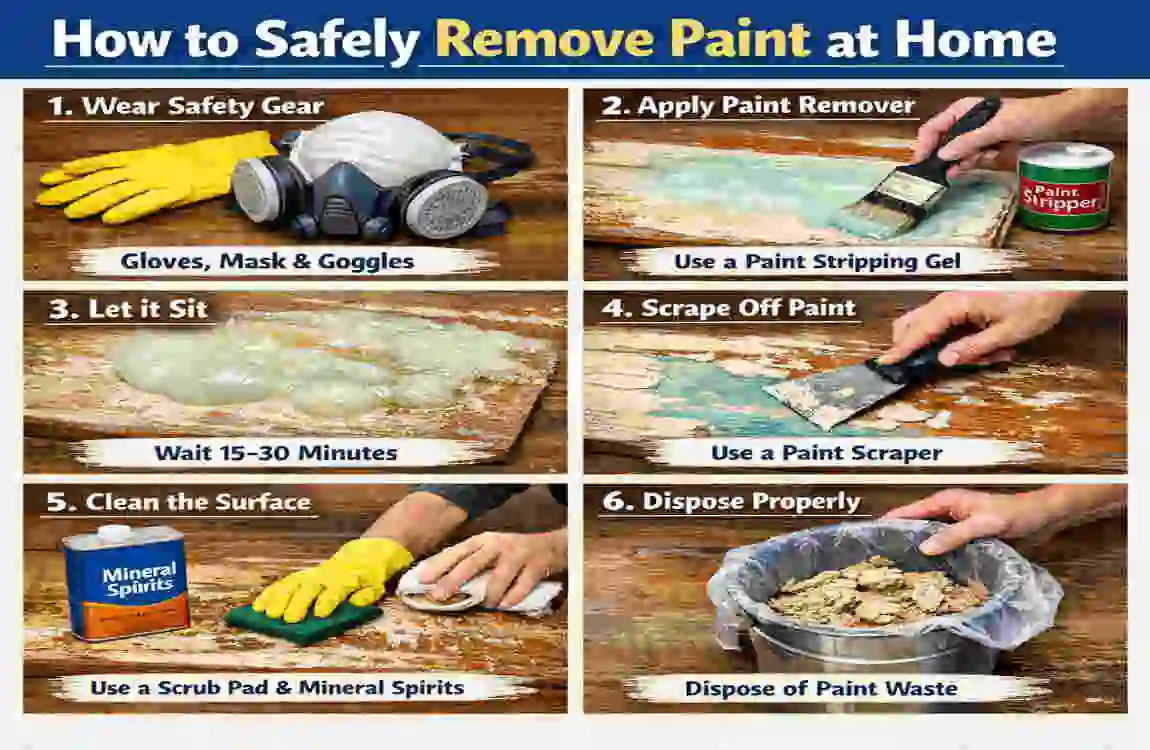
Paint removal is something many homeowners deal with at some point. Maybe you want to refresh an old wall, fix a paint spill, or remove a bad paint job before repainting. In some cases, you may need to strip old layers because they are peeling, cracking, or look tired.
If you are wondering how to remove paint at home, the good news is that you can do it safely with the right method. The key is to match the technique to the surface and the type of paint. A gentle approach protects your walls, wood, metal, glass, and floors from damage.
What Does Paint Removal Involve?
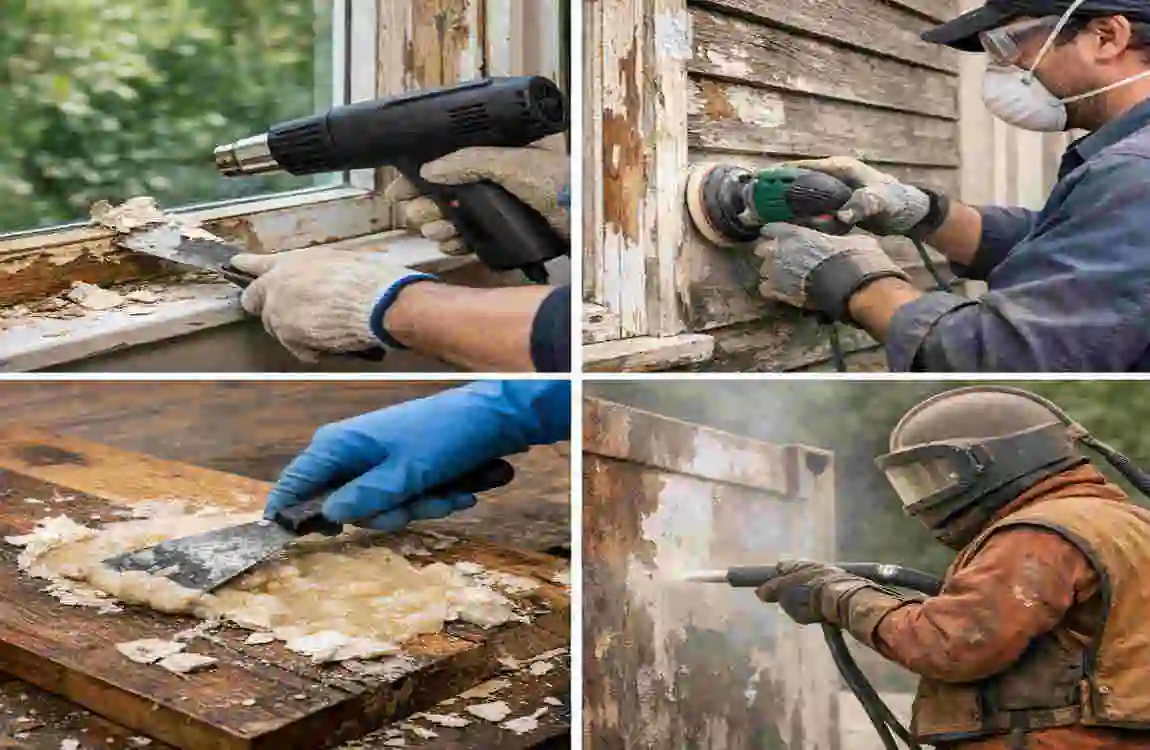
Understanding Different Types of Paint
Not all paint comes off the same way.
- Water-based paint is usually easier to clean and soften.
- Oil-based paint is tougher and often needs more effort.
- Spray paint can stick strongly, especially on metal and glass.
- Lead-based paint is dangerous and should be handled with extra care.
Why Proper Paint Removal Matters
Proper paint removal helps in several ways.
It protects the surface underneath, so you do not scratch wood or etch glass. It also yields better results when you repaint because the new coat adheres more evenly. Most importantly, safe methods reduce health risks from dust, fumes, and harsh chemicals.
Essential Safety Precautions Before Removing Paint
Wear Protective Equipment
Before you begin, protect yourself first.
Use gloves to keep chemicals and paint residue off your skin. Wear safety goggles to stop dust and splashes from reaching your eyes. If you are sanding or using a remover, wear a face mask to avoid inhaling particles.
Prepare Your Workspace
A clean, open workspace makes the job much safer.
Open windows for ventilation and keep air moving. Cover nearby furniture and floors with old sheets, plastic, or drop cloths. Also, keep children and pets away from the area while you work.
Gather Necessary Tools
Having the right tools ready saves time and stress.
You may need:
- Scrapers
- Sandpaper
- Cleaning cloths
- Paint removers
- Buckets and sponges
How to Remove Paint at Home from Different Surfaces
How to Remove Paint from Walls
For walls, start gently.
If the paint is fresh or light, use warm soapy water and a soft cloth. For dried paint, try a plastic scraper so you do not damage the wall. If the stain is stubborn, a mild paint remover may help, but test it first in a small hidden spot.
How to Remove Paint from Wood
Wood needs extra care because it can scratch easily.
Light sanding works well for thin paint layers. For thicker paint, a heat gun can soften it so you can lift it off with a scraper. If the paint is very old or heavy, a chemical paint stripper may be needed, but use it carefully and follow the label.
How to Remove Paint from Metal
Metal surfaces often respond well to simple home methods.
A vinegar method can help loosen paint on smaller metal items. A baking soda solution may also soften certain types of paint. For larger or tougher jobs, a commercial remover can save time. Always dry metal fully afterward to prevent rust.
How to Remove Paint from Glass
Glass is smooth, so paint usually sits on top of it.
Use the razor-blade method at a low angle and move slowly. You can also use a vinegar-and-water mix to soften the paint first. Be gentle, because too much pressure can scratch the glass.
How to Remove Paint from Floors and Tiles
Floors and tiles often need a mix of scraping and cleaning.
Start by lifting dried paint with a plastic scraper. For small spots, rubbing alcohol can help break down the paint. After that, wipe the area clean with warm water and a cloth. Finish by checking for leftover residue so the surface looks even.
Natural Ways to Remove Paint at Home
White Vinegar Method
White vinegar can help soften paint, especially on metal, glass, or small items. Warm the vinegar slightly, apply it to the painted area, and let it sit for a few minutes. Then scrape gently.
This is one of the simplest ways to remove paint naturally when the paint layer is light.
Baking Soda Solution
Baking soda works well for mild DIY paint removal.
Mix baking soda with water to make a thick paste. Apply it to the paint and leave it for a short time. This method is often useful for small objects and light paint spots.
Lemon and Warm Water
Lemon and warm water can help with fresh splashes or thin paint marks.
The acidic part of lemon helps loosen residue, while warm water improves cleaning. This method is gentle and works best for light cleanup, not heavy stripping.
Using Chemical Paint Strippers Safely
When Chemical Products Are Necessary
Sometimes natural methods are not enough.
You may need chemical products for thick paint layers, multiple coats, or hard finishes that do not soften easily. This is especially true when dealing with older surfaces or detailed woodwork.
Safe Application Steps
Use chemical strippers with care.
Read the instructions fully before starting. Apply the product evenly and do not rush the process. Once the paint softens, remove it carefully with the right tool. Afterward, dispose of waste safely and wash the area well.
Common Paint Removal Mistakes to Avoid
Scraping Too Aggressively
Hard scraping can damage walls, wood, and even tiles. Use steady pressure, not force.
Ignoring Ventilation
Poor airflow can make fumes and dust much worse. Always open windows and doors when possible.
Using the Wrong Products
Not every remover works on every surface. A product that helps on metal may harm wood or glass.
Mixing Chemicals
Never mix products unless the label clearly says it is safe. Mixing chemicals can create dangerous fumes.
Skipping Protective Gear
Even simple paint removal can expose you to dust, splashes, and sharp tools. Always wear basic protection.
How to Clean Up After Removing Paint
Finish the Job Properly
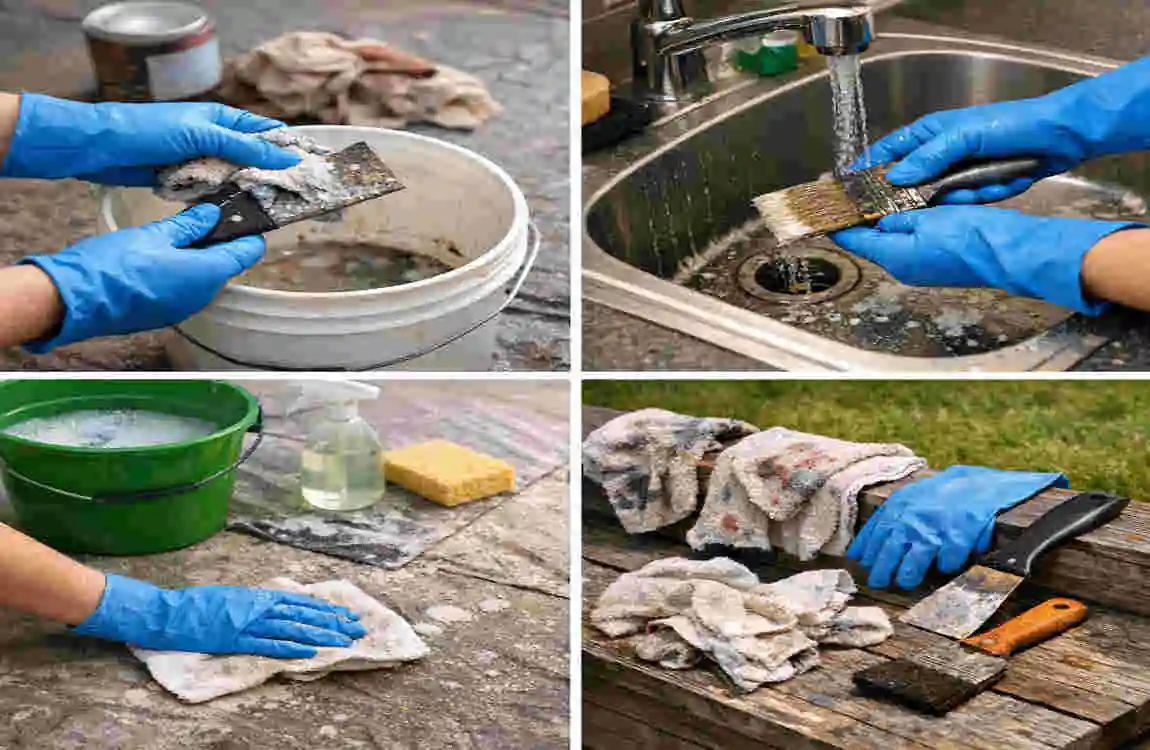
After the paint is gone, wipe away residue with a damp cloth. Wash the surface thoroughly and let it dry fully. Then check for leftover patches before repainting or moving furniture back.
Also, dispose of used clothes, scrap, and chemical waste properly in designated containers. A clean finish helps the surface stay ready for the next step.
Expert Tips for Successful Paint Removal
Work Slowly and Test First
Always test a small home hidden area before using any method. This helps you avoid damage and choose the safest option.
Match the Method to the Surface
The best home paint removal tips are simple: use gentle methods for delicate surfaces and stronger methods only when needed. Patience usually gives the best result.
Frequently Asked Questions
How do I remove paint at home without damaging surfaces?
Use the mildest method first. Warm soapy water, a plastic scraper, or a natural solution often works before you move to stronger products.
What household items can remove paint?
Common items include vinegar, baking soda, warm water, lemon, and rubbing alcohol. These are useful for light cleanup and small paint spots.
Is vinegar effective for paint removal?
Yes, vinegar can help soften some paint, especially on glass and metal. It works best on thin layers or small areas.
Can I remove old paint without chemicals?
Yes, sometimes. Sanding, scraping, heat, and natural solutions can help remove old paint, depending on the surface and paint thickness.
What is the safest way to remove paint indoors?
The safest way is to keep the room ventilated, wear protective gear, and choose a method that matches the surface. This is the best way to remove paint safely indoors.
How long does paint removal usually take?
It depends on the surface, paint type, and thickness. Small spots may take minutes, while larger jobs can take several hours.
