
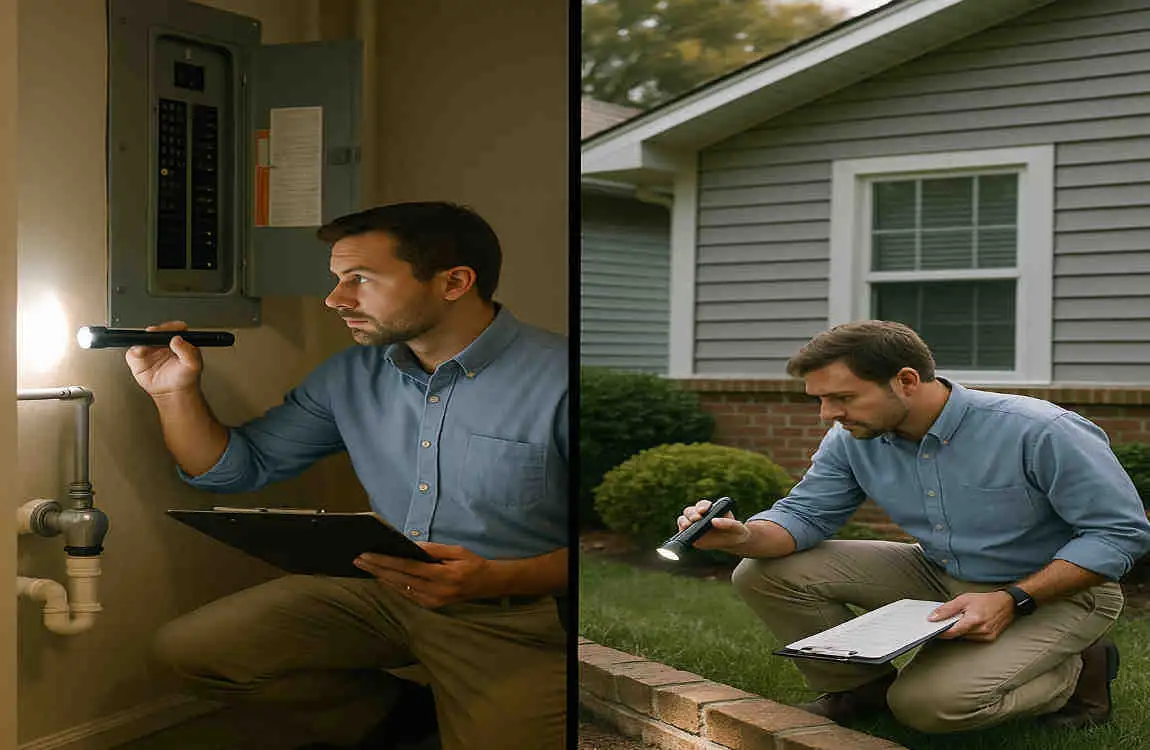
Buying a home is one of the most significant investments you’ll make in your lifetime. It’s a complex process that involves numerous steps, from searching for the ideal real estate property to securing financing and completing the transaction.
Understanding House Inspections
What is a Home Inspection?
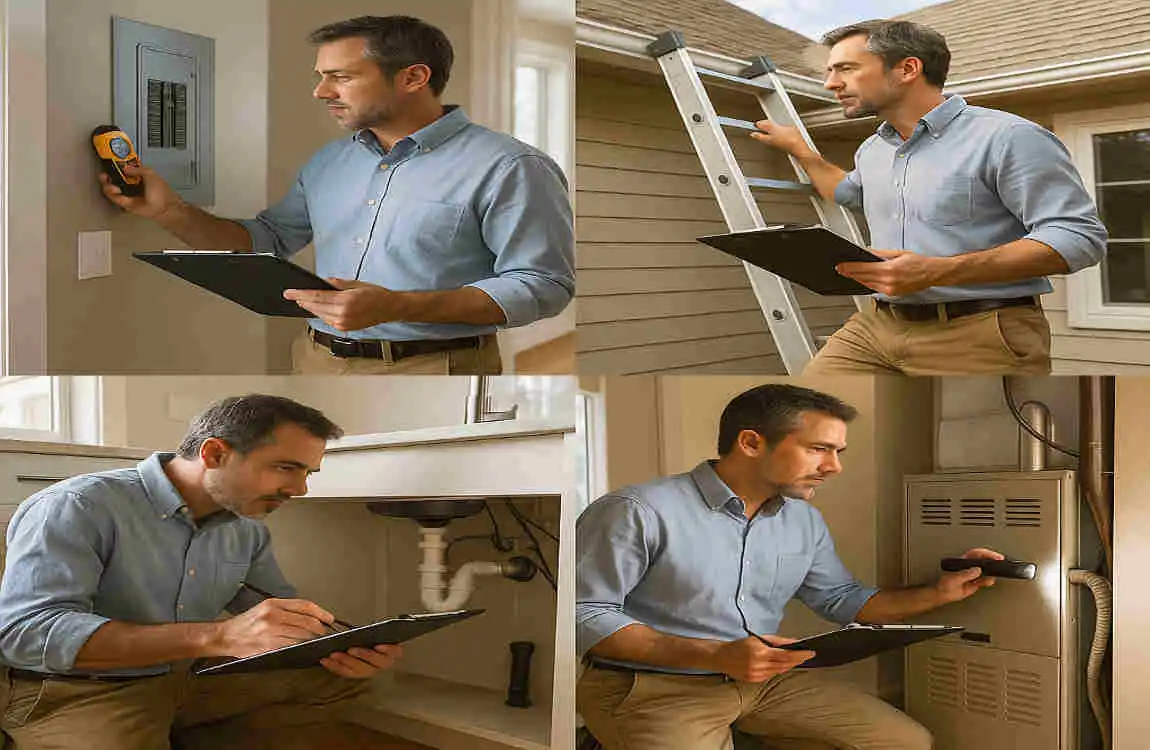
A home inspection is a thorough examination of a property’s condition, conducted by a licensed professional. The purpose of a home inspection is to identify any existing or potential issues with the home, such as structural problems, safety hazards, or maintenance concerns. This information helps buyers make informed decisions about whether to proceed with the purchase and at what price.
Different Types of Inspections
There are two main types of home inspections:
- General Inspections: These cover the overall condition of the home, including its structure, systems (e.g., plumbing, electrical, HVAC), and visible components.
- Specialised Inspections: These focus on specific aspects of the property, such as pest inspections, radon testing, or sewer line inspections. They may be recommended based on the general inspection findings or the property’s location and age.
Who Performs House Inspections?
Home inspections are typically conducted by licensed professionals who have undergone extensive training and certification. These experts have the knowledge and experience to identify issues that may not be apparent to the untrained eye.
Can You Do a House Inspection Before Making an Offer?
Common Practice: Offer First, Inspect Second
In most real estate transactions, the common practice is for buyers to submit an offer first and then conduct a home inspection after the offer is accepted. This approach allows buyers to negotiate repairs or price adjustments based on the inspection findings.
Situations Where Inspections Before Making an Offer are Possible
However, there are situations where conducting a home inspection before making an offer is possible and even advantageous. For example:
- In a buyer’s market with less competition
- When the seller is open to pre-offer inspections
- When you want to make a more informed and confident offer
Benefits of Conducting a House Inspection Before an Offer
Conducting a home inspection before making an offer can provide several benefits:
- Identifying deal-breakers early on
- Gaining negotiating leverage
- Saving time and money by avoiding properties with major issues
- Making a more competitive offer based on the property’s actual condition
Legal and Contractual Considerations
How Inspection Contingencies Typically Work
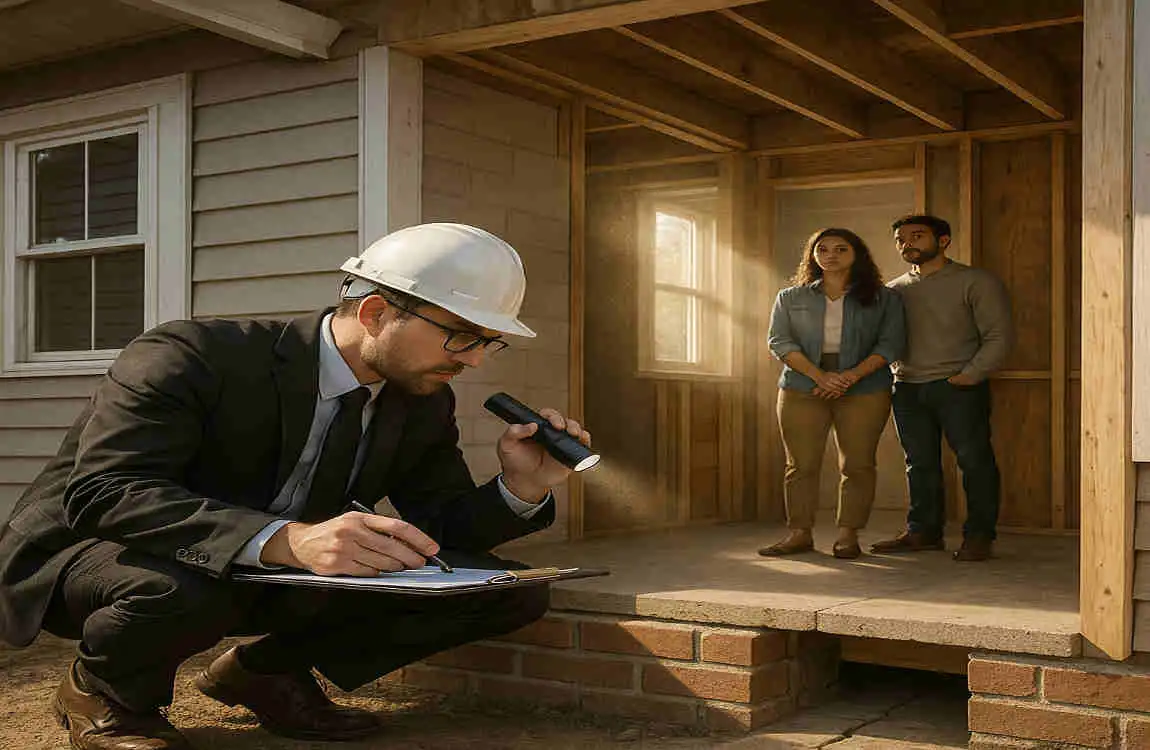
In most cases, home inspections are conducted after an offer is accepted and are included as a contingency in the purchase contract. This contingency allows buyers to back out of the deal or renegotiate terms if significant issues are discovered during the inspection.
Risks and Legal Aspects of Inspecting a House Before Making an Offer
Inspecting a home before making an offer comes with some risks and legal considerations:
- The seller may not grant permission for an early inspection.
- You may invest in an inspection for a property you don’t end up buying.
- The seller may be less willing to negotiate based on pre-offer inspection findings.
Seller’s Permission and Access for Inspections Before an Offer
To conduct a home inspection before making an offer, you’ll need the seller’s permission and cooperation. This may involve working with your real estate agent to request access and explaining the benefits of an early inspection to the seller.
Market Conditions Affecting Inspection Timing
Market conditions can also impact the feasibility and advisability of pre-offer inspections. In a seller’s market with high competition, sellers may be less inclined to allow early inspections. In a buyer’s market, sellers may be more open to accommodating pre-offer inspections to attract serious buyers.
Steps to Conduct a House Inspection Before Making an Offer
Research and Hire a Qualified House Inspector
- How to Find Reliable Inspectors: Ask for recommendations from your real estate agent, friends, or family. Look for inspectors with positive reviews and a strong track record.
- Questions to Ask Before Hiring: Inquire about their experience, certifications, insurance, and sample inspection reports. Please ensure they are thorough and communicate effectively.
- Importance of Certifications and Experience: Choose an inspector who is certified by a reputable organisation, such as the American Society of Home Inspectors (ASHI) or the International Association of Certified Home Inspectors (InterNACHI). Experience matters, so look for inspectors who have conducted numerous inspections in the area.
Request Seller Permission for Early Inspection
- How to Approach the Seller or Listing Agent: Work with your real estate agent to contact the seller or their listing agent. Explain your interest in the property and the reasons for requesting an early inspection.
- Sample Scripts for Requesting Permission: “We’re very interested in the property and want to make sure it’s a good fit before submitting an offer. Would the seller be open to allowing us to conduct a pre-offer inspection? We believe this could lead to a smoother transaction for everyone involved.”
- Handling Refusals or Limitations: If the seller refuses or limits access, respect their decision. Consider alternative options, such as conducting a thorough visual inspection during a showing or relying on inspection contingencies after making an offer.
Schedule and Prepare for the Inspection
- Timing Considerations: Schedule the inspection as soon as possible after receiving seller permission. Allow enough time for a thorough inspection (typically 2-4 hours).
- What to Expect During the Inspection: The inspector will examine all accessible areas of the property, including the foundation, roof, plumbing, electrical systems, and more. They will take notes and photos and may use specialised tools to assess the condition of various components.
- Preparing Your Questions and Checklist: Make a list of any specific concerns or questions you have about the property. Bring a notebook to jot down essential findings and takeaways from the inspection.
Attend the Inspection
- Benefits of Being Present During the Inspection: Attending the inspection allows you to ask questions, learn about the property firsthand, and see issues with your own eyes. This can help you make a more informed decision.
- How to Take Notes and Document Issues: Take detailed notes during the inspection, including the location and severity of any issues found. Take photos or videos to document problems for future reference.
- Understanding Key Areas Inspectors Evaluate: Pay attention to the inspector’s assessment of critical areas, such as the foundation, roof, electrical and plumbing systems, and signs of water damage or pest infestations.
Review the Inspection Report
- How to Interpret Findings: The inspector will provide a detailed report summarising their findings. Review the report carefully, paying attention to any significant issues or safety concerns.
- Identifying Major vs. Minor Issues: Distinguish between minor, easily fixable problems and major issues that could be deal-breakers or require significant repairs.
- When to Seek Further Expert Opinions: If the inspection reveals complex or specialised issues, such as structural problems or mould, consider seeking the opinion of additional experts, like structural engineers or environmental specialists.
Use Inspection Results to Negotiate or Make Decisions
- How to Incorporate Findings into Your Offer: Based on the inspection results, you may choose to adjust your offer price, request repairs, or include contingencies to address any issues found.
- Tips for Negotiating Repairs or Price Adjustments: Prioritise repairs based on safety, structural integrity, and cost. Be reasonable in your requests and consider the seller’s perspective. Your real estate agent can help you craft a strategic negotiation approach.
- When to Reconsider or Walk Away: If the inspection reveals significant problems that are deal-breakers for you, don’t be afraid to walk away from the property. It’s better to lose a small inspection fee than to be stuck with a money pit.
Common Issues Found During Inspections
During a home inspection, some common issues that may be discovered include:
- Plumbing Problems: Leaky pipes, outdated fixtures, or poor water pressure
- Electrical Issues: Outdated wiring, overloaded circuits, or lack of GFCI protection
- Roofing Concerns: Ageing or damaged shingles, leaks, or poor ventilation
- Foundation Issues: Cracks, settling, or signs of water intrusion
- HVAC Malfunctions: Ageing systems, poor maintenance, or inefficiency
Some warning signs that require immediate attention include:
- Structural instability
- Significant water damage or mould growth
- Unsafe electrical conditions
- Serious pest infestations
Long-term maintenance concerns, such as an ageing roof or outdated plumbing, should also be considered when evaluating the property’s overall condition and future repair needs.
Advantages of Early House Inspections
Conducting a home inspection before making an offer can provide several advantages:
- Increased Negotiating Power: Identifying issues early on allows you to negotiate repairs or price adjustments from a position of strength.
- Reduced Risk of Costly Surprises: Uncovering problems before committing to a purchase can save you from unexpected expenses down the road.
- Greater Confidence in Property Condition: Knowing the actual condition of the property helps you make a more informed and confident decision.
- Faster Decision-Making: With inspection results in hand, you can move forward with an offer or move on to other properties more quickly.
Possible Downsides and Risks
While early home inspections offer benefits, there are also potential downsides and risks to consider:
- Potential for Extra Costs: If you inspect a property but don’t end up making an offer, you may lose the money spent on the inspection.
- Sellers’ Reluctance and Limited Access: Some sellers may be hesitant to allow pre-offer inspections, limiting your ability to assess the property thoroughly.
- Impact on Competitive Bidding Situations: In hot markets, taking the time to inspect before making an offer could put you at a disadvantage compared to buyers willing to waive inspections.
Alternative Options When Early Inspection Isn’t Possible
If conducting a home inspection before making an offer isn’t feasible, there are alternative options to consider:
- Using Pre-Inspection Reports Provided by Sellers: Some sellers may provide recent inspection reports to give buyers peace of mind. Review these carefully, but keep in mind they may not be as comprehensive as an independent inspection.
- Virtual or Video Inspections: In situations where physical access is limited, virtual or video inspections can provide a remote assessment of the property’s condition.
- Conducting Thorough Visual Self-Inspections: During property showings, take the time to conduct your own visual inspection. Look for signs of damage, wear and tear, or potential issues.
- Leveraging Inspection Contingencies After Offer Acceptance: If pre-offer inspections aren’t possible, make sure to include inspection contingencies in your offer. This allows you to conduct inspections after your offer is accepted and negotiate based on the findings.
Expert Tips for Buyers
To navigate the home inspection process successfully, consider these expert tips:
- Balance Thorough Inspections with Buying Speed: In competitive markets, find a balance between conducting thorough inspections and moving quickly to secure the property.
- Work Closely with Your Real Estate Agent: Your agent can guide you through the inspection process, help you request seller permission, and negotiate based on the findings.
- Prioritise Issues by Severity and Cost Impact: Focus on major issues that affect safety, structural integrity, and significant repair costs. Minor cosmetic issues can often be addressed later.
- Know When to Get Second Opinions: If the inspection reveals complex or specialised problems, don’t hesitate to seek the opinion of additional experts to make an informed decision.
