
If you are wondering how to get a water pump at home, the good news is that the process is not as hard as it may seem. A home water pump can help you address low water pressure, support upper floors, and provide a more reliable water supply every day.
Before you begin, remember this: the right pump depends on your home size, water needs, and pressure level. A small home may only need a basic booster pump, while a larger house may need a stronger unit.
What Is a Water Pump and How Does It Work?
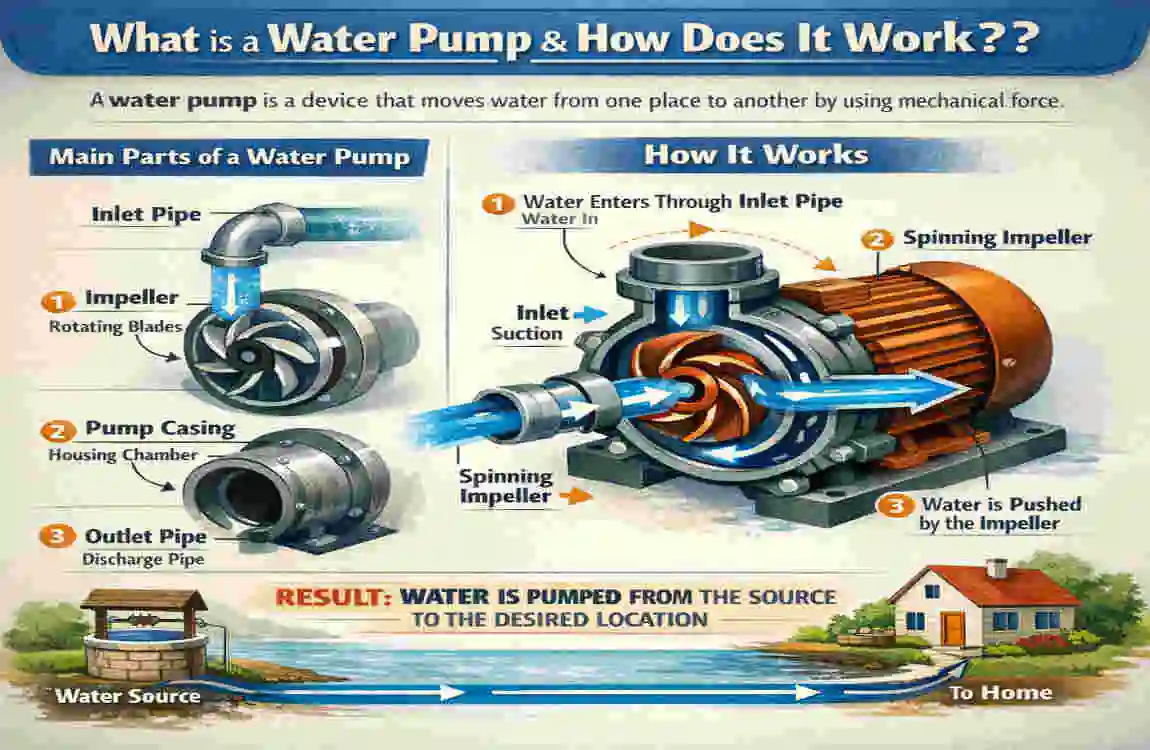
A water pump is a machine that helps push water through pipes. It is commonly used when water pressure is too low or when water needs to rise to another floor or tank.
Main Types of Home Water Pumps
Pump TypeBest ForSimple Use
Centrifugal Pump General home water flow Moves water with spinning force
Submersible Pump Wells or underground tanks Works while placed in water
Booster Pump Low water pressure Improves pressure inside the house
For most homes, a booster pump is the easiest and most practical choice.
Why You May Need a Water Pump at Home
A home water pump is useful in many situations.
Common Reasons
- Low water pressure in taps and showers
- Multi-story homes where water must travel upward
- Water tanks that do not supply water evenly
- Garden watering that needs a stronger flow
- Backup supply during water problems
If you face any of these issues, installing a pump can make daily life much easier.
Tools and Materials Needed
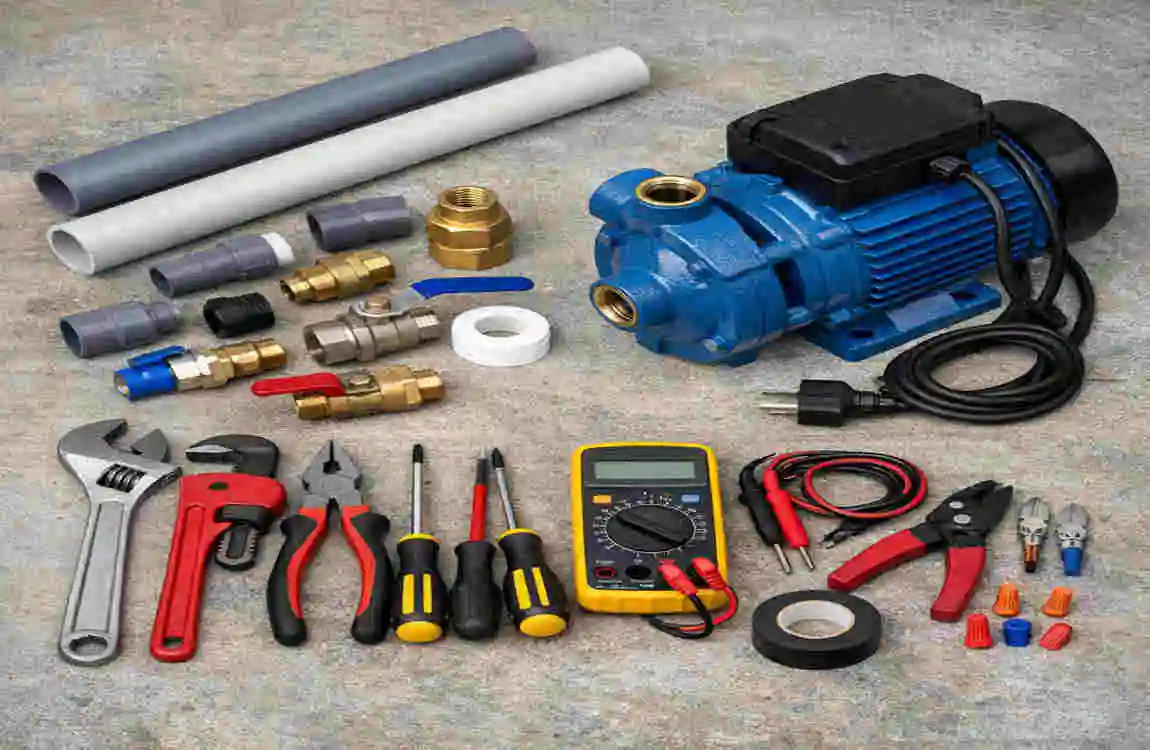
Before installation, gather the basic items.
Basic Checklist
- Water pump unit
- Pipes and pipe fittings
- Wrenches and pliers
- Electrical wiring kit
- Teflon tape
- Safety gloves and goggles
- Pressure tank, if needed
Having everything ready before you start saves time and makes the work go more smoothly.
How to install a Water Pump at Home
Here is a simple step-by-step guide.
Choose the Right Location
Pick a dry, clean, and ventilated place near the water source or storage tank. The pump should sit on a stable surface so it does not shake too much while running.
Turn Off Water and Electricity
This is very important. Always switch off the water supply and power supply before doing any work. It keeps you safe and prevents damage.
Place the Pump Securely
Set the water pump on a flat base. If the surface is uneven, the pump may vibrate or make noise. A stable base helps the pump work better and last longer.
Connect the Pipes
Carefully attach the inlet and outlet pipes. Use Teflon tape to seal the joints tightly. This helps stop leaks and air from entering the system.
Install a Check Valve
A check valve stops water from flowing backward. It improves pump efficiency and protects the system from pressure problems.
Complete the Electrical Connection
Connect the wiring according to the pump instructions. If you are not confident with electrical work, it is safer to call a professional. You may also need a voltage stabilizer if your power supply is not steady.
Prime the Pump
Before turning it on, fill the pump with water. This step is called priming. It prevents the pump from running dry, which can damage the motor.
Test the System
Turn the power on and check the water flow. Look for leaks, unusual noise, or weak pressure. If everything works well, your installation is complete.
Safety Tips You Should Follow
Safety should always come first.
Important Safety Rules
- Never work with wet hands
- Always disconnect the electricity first
- Do not run the pump without water
- Wear gloves and safety goggles
- Check wires and pipes regularly
These simple steps can protect both you and your pump.
Common Mistakes to Avoid
Many beginners make small mistakes that lead to bigger problems later.
Watch Out For These Errors
- Choosing the wrong pump size
- Forgetting to seal pipe joints properly
- Ignoring the height the water must travel
- Overloading the electrical circuit
- Skipping regular maintenance
If you avoid these mistakes, your pump will work better and last longer.
How to Maintain Your Water Pump
A pump needs care to stay in good condition.
Easy Maintenance Tips
- Clean filters regularly
- Check pipes for leaks
- Listen for strange sounds
- Inspect wiring from time to time
- Keep the area around the pump dry
With basic care, your pump can give you reliable service for many years.
Cost of Installing a Water Pump at Home
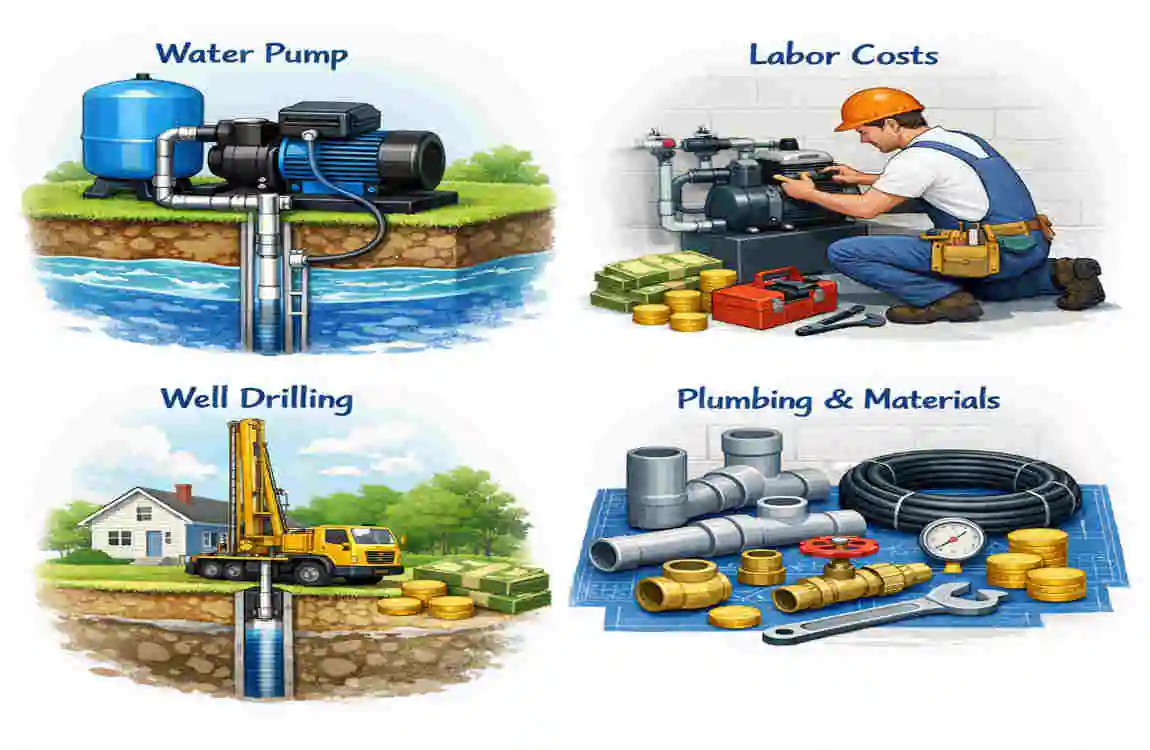
The cost depends on the pump type, power level, and installation work. A small home pump is usually less expensive, while a stronger pump or professional installation will cost more.
Simple Cost Breakdown
- Pump price: varies by brand and power
- Installation cost: depends on labor and wiring
- Maintenance cost: usually low if checked regularly
Think of it as a long-term improvement for your home water system.
FAQ
What size water pump do I need for home use?
It depends on your home size, water demand, and the height the water needs to travel. Small homes usually need a low-horsepower pump.
Can I install a water pump myself?
Yes, you can handle basic setup, but electrical work is safer when done by a professional.
How long does a water pump last?
A good-quality pump can last 5 to 10 years with proper care.
Why is my water pump not working well?
Common causes include air leaks, low voltage, dry running, or blocked pipes.
Is a water pump expensive to run?
Usually no, especially if you choose an energy-efficient model and use it wisely.
| Task | What to Do | |
|---|---|---|
| Choose Location | Select a dry, well-ventilated place near a water source and power supply | |
| Turn Off Power | Ensure main electricity is switched off for safety | |
| Fix Pump Base | Place the pump on a solid, level surface (use bolts if needed) | |
| Connect Inlet Pipe | Attach pipe from water source (tank/well) to pump inlet | |
| Connect Outlet Pipe | Attach pipe from pump outlet to home water supply system |
