

Stucco is one of the most timeless and versatile exterior finishes for homes. Its textured surface, durability, and adaptability to a variety of design aesthetics make it a popular choice for homeowners and designers alike. However, like any exterior finish, stucco requires occasional updates to maintain its beauty and functionality. One of the simplest yet most impactful ways to refresh your stucco exterior is through a fresh coat of paint.
Understanding Stucco and Exterior Paint Basics
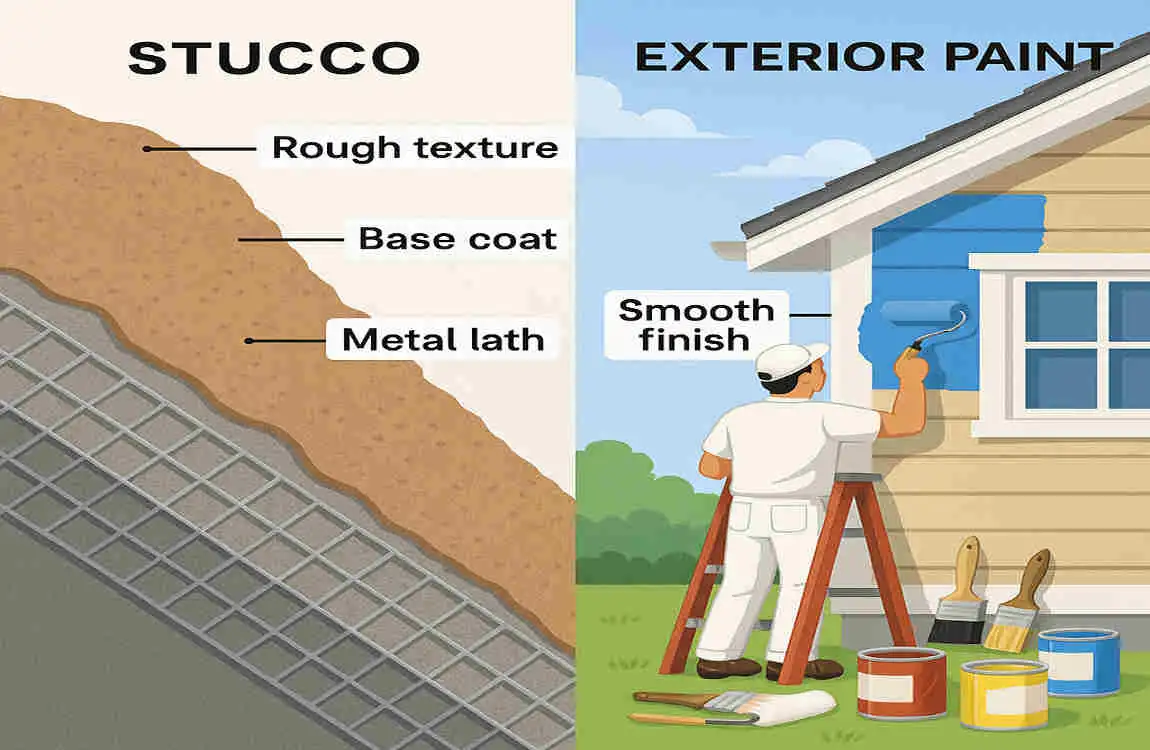
Before diving into paint ideas and trends, it’s essential to understand what stucco is and why choosing the right paint is critical for its longevity and aesthetics.
What Is Stucco?
Stucco is a cement-based exterior finish composed of sand, cement, lime, and water. It is applied in layers, creating a durable and textured surface that can last for decades when properly maintained. Its versatility allows it to suit a range of architectural styles, from Mediterranean to modern.
Why Stucco Requires Special Paint
Stucco is not like wood or vinyl siding. Because of its porous nature and tendency to expand and contract with temperature changes, it requires paint that is flexible, breathable, and weather-resistant. Using the wrong type of paint can lead to cracking, peeling, or moisture trapping, which can damage the stucco underneath.
Types of Paint for Stucco
When selecting paint for stucco, these are the most common and effective options:
- Acrylic Latex Paint: Flexible, affordable, and highly durable, this is one of the best options for stucco. It adheres well and resists cracking.
- Elastomeric Paint: Known for its superior flexibility, elastomeric paint is ideal for covering minor cracks and providing maximum weather resistance.
- Masonry Paint: Designed specifically for concrete and stucco, this type protects against moisture while maintaining breathability.
Importance of Weather Resistance and Maintenance
Stucco is exposed to the elements year-round, so choosing a paint with UV protection, moisture resistance, and durability is crucial. High-quality paint not only enhances your home’s appearance but also reduces the frequency of maintenance and repainting.
Current Stucco Exterior Paint Trends for 2025
The design trends for stucco exteriors in 2025 focus on balancing modern aesthetics with timeless charm. Let’s explore some of the most popular trends that homeowners and designers are embracing this year.
Trending Color Palettes
- Earth Tones: Beige, taupe, and terracotta are warm, grounding colors that blend seamlessly with natural surroundings. These shades are perfect for creating a cozy yet elegant look.
- Cool Neutrals: Grays, greiges, and soft blues are ideal for achieving a clean, contemporary look. They pair beautifully with minimalist landscaping and modern architecture.
- Bold Accent Colors: Deep shades like navy, emerald green, and brick red are being used strategically to create striking focal points on doors, trim, or feature walls.
Popular Finishes for Stucco
- Matte Finishes: These create a soft, natural look that complements textured stucco.
- Satin Finishes: A subtle sheen adds depth and dimension to the stucco surface.
- Low-Gloss Finishes: A slightly reflective finish can enhance architectural details without appearing overly shiny.
Sustainable and Eco-Friendly Paint Options
Sustainability is at the forefront of 2025 trends. Eco-friendly paints made with low VOCs (volatile organic compounds) are not only better for the environment but also safer for your family. Look for paints labeled as “green” or “sustainable” for a guilt-free upgrade.
Texture and Layering Techniques
Layering different tones or textures is another way to modernize your stucco exterior. For example, pairing a smooth basecoat with a brushed-on accent color can add depth and character to your home.
Fresh Stucco Exterior Paint Ideas to Transform Your Home
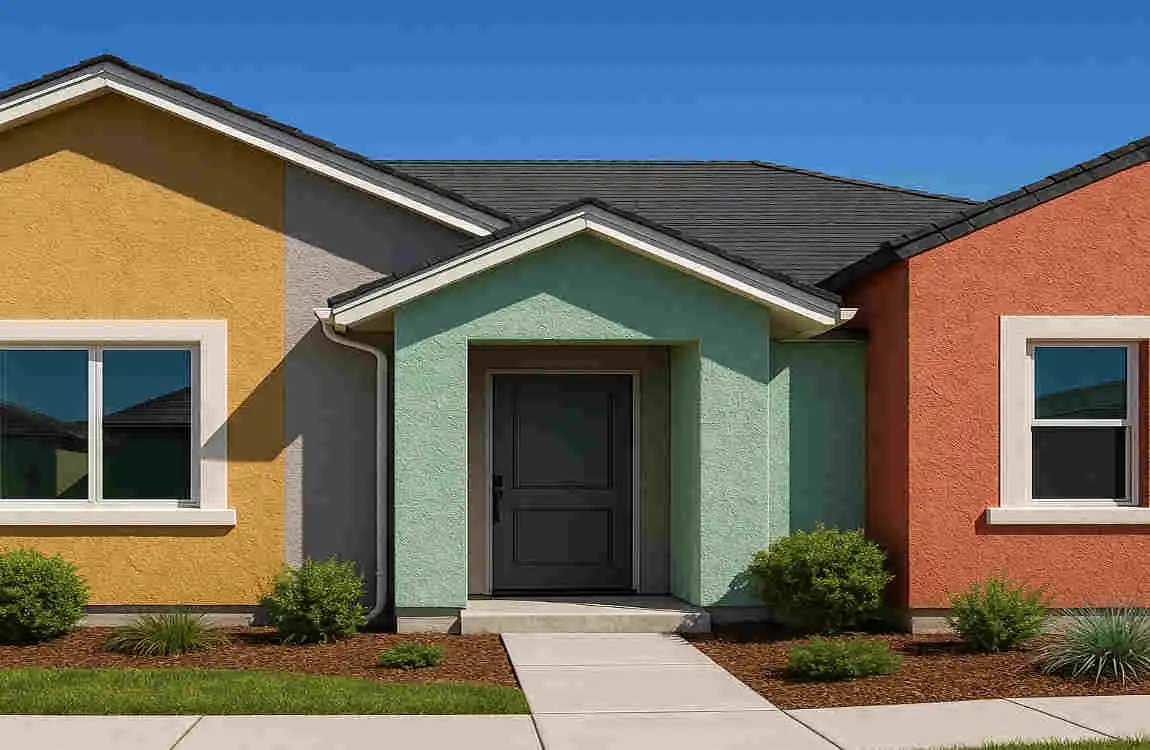
Now that we’ve covered the basics and trends, let’s explore some actionable paint ideas to elevate your stucco exterior.
Classic Neutral Base with Colorful Trim Accents
A neutral stucco base, such as beige or gray, creates a timeless and versatile foundation for your home. Add personality by painting trim, shutters, or doors in bold or contrasting colors, such as navy blue, forest green, or mustard yellow.
Example Combination: Pair a warm beige base with crisp white trim and a deep red front door for a classic yet striking look.
Monochromatic Tonal Layering
This idea involves using different shades of the same color to create depth and dimension. For example, a light gray for the main stucco walls paired with a darker gray for the trim and accents.
Why It Works: This approach is subtle yet sophisticated, adding visual interest without overwhelming the design.
Two-Tone Stucco Paint
Highlight architectural features by using two complementary colors. Paint the lower half of the house in one shade and the upper half in another. This technique is particularly effective for homes with unique shapes or features such as columns, eaves, or archways.
Tip: Choose colors that harmonize, such as soft taupe and off-white, for a cohesive look.
Bold Statement Colors on Feature Walls
If you’re not afraid to make a statement, consider using bold colors on specific areas, like an entryway wall or the garage door. Balance the boldness with neutral tones on the rest of the house.
Examples: A navy blue accent wall paired with white stucco creates a modern, eye-catching contrast.
Soft Pastel Hues for a Fresh Look
Pastels like pale pink, mint green, or lavender are making a comeback in 2025. These soft, inviting hues are perfect for creating a welcoming exterior. Pair them with white trim and lush landscaping for maximum charm.
Natural-Inspired Colors
For homes surrounded by greenery or natural elements, opt for colors that blend with the environment. Earthy shades like olive green, sandstone, or charcoal gray can create a seamless indoor-outdoor aesthetic.
Step-by-Step Guide: Preparing and Painting Your Stucco Exterior
If you’re ready to tackle this project, here’s a detailed guide to ensure your stucco painting process goes smoothly:
Prep Work
- Clean the stucco surface using a pressure washer to remove dirt and debris.
- Repair any cracks or damage with a stucco patching compound.
- Apply a high-quality primer designed for stucco to ensure proper paint adhesion.
Choose the Right Tools
Use brushes, rollers, or sprayers, depending on the stucco’s surface area and texture. A roller with a thick nap is excellent for textured surfaces.
Apply Paint
- Start from the top and work your way down.
- Use even strokes to avoid streaks or drips.
- Apply two coats for consistent coverage and durability.
Weather Considerations
Paint during mild weather conditions (50°F-85°F) to ensure proper drying. Avoid painting on windy or rainy days.
Complementary Exterior Design Tips to Boost Curb Appeal
To truly elevate your home’s exterior, consider these additional design tips:
- Front Door Color: Choose a bold or complementary color to make your front door a focal point.
- Exterior Lighting: Highlight your stucco paint at night with strategically placed lighting.
- Landscaping: Use plants, pavers, and decorative gravel to complement your color scheme.
- Architectural Add-Ons: Install shutters, awnings, or stone accents for added interest.
Maintaining Your Stucco Exterior Paint for Long-Lasting Beauty
Once your stucco is painted, follow these maintenance tips to keep it looking fresh:
- Clean the surface every few months using a garden hose or soft brush.
- Inspect for cracks or peeling annually and touch up as needed.
- Use a sealant to protect against moisture and fading.
